Most of the children who contracted the vaccine had not been vaccinated or had not received the full course of vaccination; many contracted whooping cough before the age at which vaccination was recommended...
According to information from the Quang Ninh Provincial Obstetrics and Pediatrics Hospital, in the past two months, the hospital has examined and admitted 13 children with whooping cough, exhibiting symptoms such as continuous coughing fits for several weeks, fever, cyanosis, exhaustion, fatigue, loss of appetite, etc.
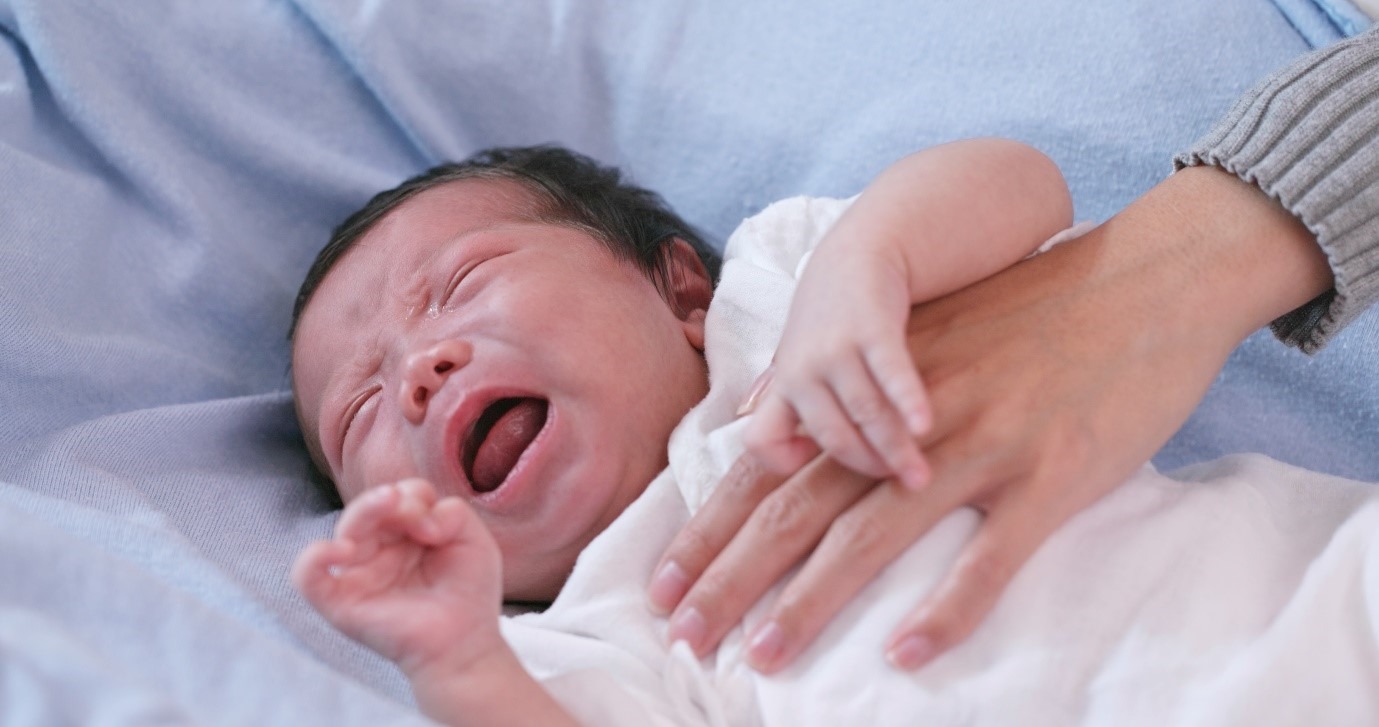 |
| Illustrative image. |
Most of the children who contracted the disease were unvaccinated or had not received the full course of vaccination. Many children contracted pertussis before the age when vaccination was recommended (according to the vaccination schedule, children receive the first dose of the pertussis vaccine at 2 months of age).
This disease causes dangerous complications and has a high mortality rate in children under 3 months old. Most children who contract it have not been vaccinated or have not received the full course of vaccination; many children contract whooping cough before the age of 2 months.
According to doctors, because children under 3 months old are not yet due for vaccination or have not received all the doses of the pertussis vaccine, they are at high risk of contracting the disease.
On the other hand, the child may not have immunity or may not receive immunity from the mother because the mother was not vaccinated against this disease. Another concern is that whooping cough in children under 1 year old progresses very rapidly to a severe stage. The younger the child, the higher the mortality rate.
Whooping cough is an infectious disease caused by the bacterium Bordetella pertussis, which invades the respiratory tract. The disease can be transmitted through the respiratory tract via direct contact with secretions from the throat and nasal mucosa of an infected person when sneezing or coughing.
Symptoms of whooping cough usually appear within 5-7 days of exposure, but sometimes the incubation period lasts up to 3 weeks. The disease often begins with cold-like symptoms, including mild coughing fits, followed by more frequent coughing and runny nose, and possibly a slight fever. After 1-2 weeks, the coughing becomes more severe.



Unlike a common cold, whooping cough manifests as a series of continuous coughing fits lasting for weeks. If not detected and treated early, the disease worsens, causing more severe coughing and increased mucus production.
Prolonged coughing can lead to vomiting, loss of appetite, fatigue, watery eyes and runny nose, and exhaustion in children. A persistent cough can cause the child's face to turn red or even blue, potentially leading to respiratory failure and death by suffocation.
It should be noted that in newborns, coughing is rare or even absent, but there may be brief periods of temporary apnea (cessation of breathing).
Therefore, whooping cough is the most dangerous disease for young children. The persistent, prolonged coughing exhausts children, especially infants whose immune systems are still weak and not yet strong enough to fight off the disease.
The disease often causes oxygen deficiency in the body, leading to many complications such as respiratory failure, pneumonia, cerebral hypoxia, encephalitis, conjunctival hemorrhage, and even death if not detected and treated early, especially in newborns.
Doctors from the Department of Tropical Diseases, Quang Ninh Obstetrics and Pediatrics Hospital, advise the public that whooping cough is highly contagious through direct respiratory contact in the community. Therefore, in addition to vaccination, which is the most effective preventive measure, people should also pay attention to implementing other measures:
Wash hands frequently with soap. Cover your mouth when coughing or sneezing. Maintain daily hygiene for children's bodies, noses, and throats. Ensure homes, nurseries, and classrooms are well-ventilated, clean, and have sufficient light.
Limit children's exposure to crowded places and avoid contact with people who have respiratory illnesses, especially whooping cough. Parents should also ensure their children receive all necessary whooping cough vaccinations on schedule.
According to Dr. Nguyen Tuan Hai of the Safpo/Potec vaccination system, vaccination is the most important measure to protect children's health in preventing whooping cough.
To proactively prevent the disease, parents should ensure their children receive all pertussis vaccinations on schedule: First dose: At 2 months of age. Second dose: One month after the first dose. Third dose: One month after the second dose. Fourth dose: When the child is 18 months old.



Children born to mothers who do not have antibodies against whooping cough are at a higher risk of contracting the disease compared to children who receive antibodies from their mothers.
To proactively protect young children from disease before they reach the age for vaccination, mothers can get the combined tetanus-diphtheria-pertussis (Tdap) vaccine during pregnancy.
In parallel, it is necessary to implement other measures such as frequently washing hands with soap, covering the mouth when coughing or sneezing; maintaining daily personal hygiene, including nasal and throat hygiene for children; ensuring that homes, nurseries, and classrooms are well-ventilated, clean, and have sufficient light; limiting children's exposure to crowded places and avoiding contact with people with respiratory illnesses, especially those with whooping cough.
Parents need to differentiate between whooping cough and a common cough to take their children to the hospital promptly. If whooping cough is suspected or if any of the following symptoms appear: frequent coughing fits, redness or cyanosis of the face during coughing, prolonged coughing fits; poor appetite, frequent vomiting; sleeplessness; rapid/difficulty breathing, the child should be taken to the hospital for examination, diagnosis, and early treatment.
Source: https://baodautu.vn/tre-nhap-vien-hang-loat-do-bien-chung-ho-ga-d218737.html