

Photo: Marco_Piunti/E+/Getty Images.
“I told them, ‘Wait. Give me more anesthetic.’ It took me a while to realize that I wasn’t in the same dimension as them, so they couldn’t hear what I was saying.”
Osteen then saw himself "passing through his chest" and floating above the operating table as the surgical team opened his chest, removed his heart, and began repairing the damage. Shortly afterward, he heard someone call out "kidney."
He said, “Both of my kidneys stopped working at the same time. I knew it was the end. That’s when I reached a new level of experience. And when I got there, I saw God, with light shining behind him. That light was brighter than any light I had ever seen on earth, but it wasn’t blinding.”
“A sweet angel comforted me and said, ‘Don’t worry. Everything will be alright,’ and I needed to go back.”
"Now I understand, I was brought back to tell people about my experience."
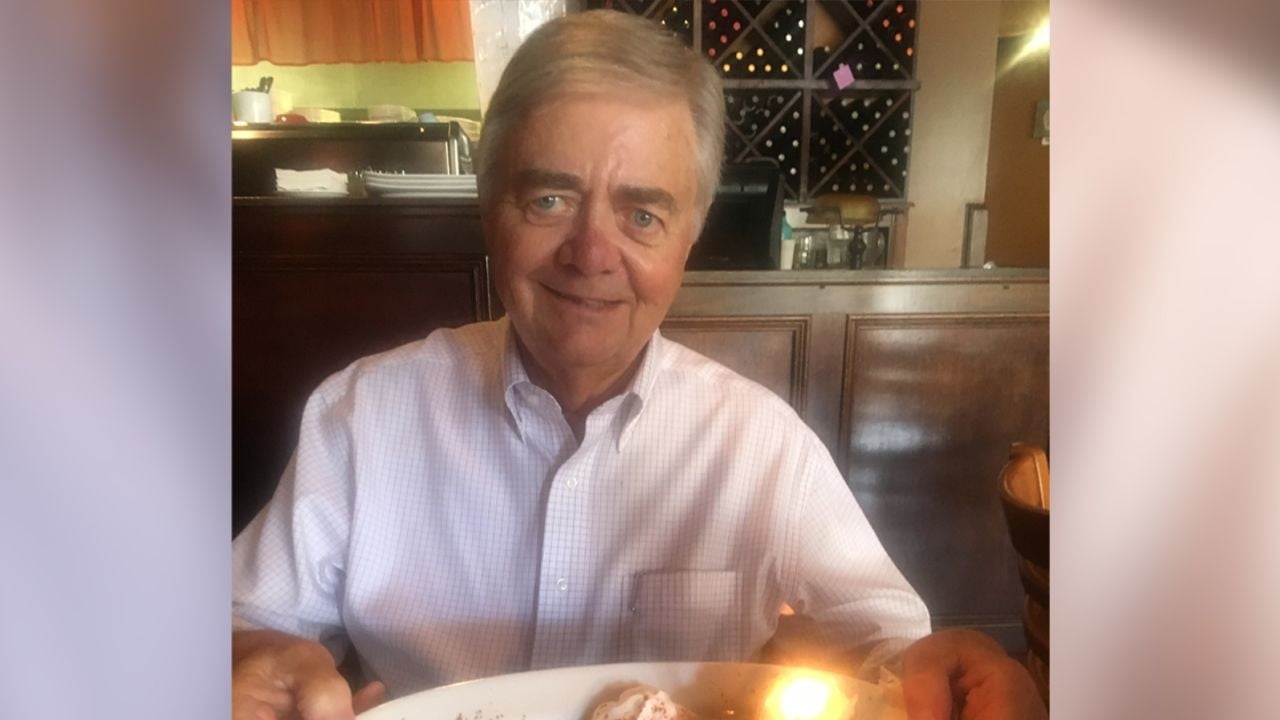
Aubrey Osteen on her 82nd birthday. Photo: Anne Elizabeth Barnes.
Near-death experience
On that winter day, Mr. Osteen experienced what experts call a near-death experience. This can occur when doctors revive someone who has stopped breathing and whose heart has stopped beating. These are factors that occur when a person dies from any cause, not just in the case of a heart attack.
Millions of people have reported near-death experiences since cardiopulmonary resuscitation (CPR) procedures were introduced in 1960, according to Dr. Sam Parnia, a critical care physician at NYU Langone Health who has studied the phenomenon for decades.
Parnia is the lead author of a recent study aimed at detecting “hidden consciousness” in death by measuring electrical signals in the brain when patients stop breathing and their hearts stop beating.
"Many people have told me about similar experiences. Their consciousness became increasingly heightened and clearer; they could think more clearly and sharply while doctors like me were trying to revive them and thought they were dead."
"They often feel like they've been detached from their bodies, and they can see the doctors and nurses. They can describe in detail what they felt, what the doctors did around them in a way they can't explain."
He also stated that, in addition, they often look back on their entire lives, recalling thoughts, feelings, and events they wouldn't normally remember, and begin to evaluate themselves based on ethical principles. This is "a complete understanding of one's own behavior throughout life in a way that they cannot deceive themselves."
Many of them often recount encounters with the divine, and Parnia explains that these can be interpreted in various ways: “If they are Christian, they often say, ‘I met Jesus,’ and if they are atheists, they say, ‘I met a being full of love and compassion.’ All of these have been reported over the past 60 years.”
Measuring brain waves during CPR
In a study published Thursday in the scientific journal Resuscitation, teams of highly trained staff at 25 hospitals in the United States, the United Kingdom, and Bulgaria followed doctors into rooms where patients were clinically dead.
While doctors performed CPR, the research team attached oxygen and brainwave monitors to the patient's head. Resuscitation efforts typically lasted between 23 and 26 minutes. However, the study indicated that some doctors attempted CPR for up to an hour.
"Resuscitation is a very stressful and difficult process," said Parnia. "It's incredibly intense. No one has ever done research like this before, but our independent research teams have successfully taken measurements without disrupting the patients' medical care," he added.
Brainwaves were measured in cycles of 2 to 3 minutes, as doctors stopped chest compressions and defibrillation to see if the patient's heart had started beating again.
“There was no movement and the atmosphere was silent. That’s when we started taking measurements. We found that the brains of clinically dead people generally showed no signals, and that was something we had anticipated.”
"But, interestingly, even an hour after resuscitation began, we still saw some spikes in brain signals, similar to those in a normal human brain during conversation or intense concentration."
These spike points include gamma, delta, theta, alpha, and beta waves.
Unfortunately, only 53 out of 567 patients were successfully resuscitated. Of those, 28 were interviewed about details they recalled from the experience. Only 11 of those patients reported being conscious during CPR, and only 6 reported near-death experiences.
However, those experiences were categorized alongside statements from 126 other stroke survivors not included in the study, and Parnia stated: “We were able to clearly show that recounted near-death experiences – including feelings of being separated from the body, looking back on life, arriving at a place that felt like home and realizing the need to return – were a consistent element across all survivors worldwide .”
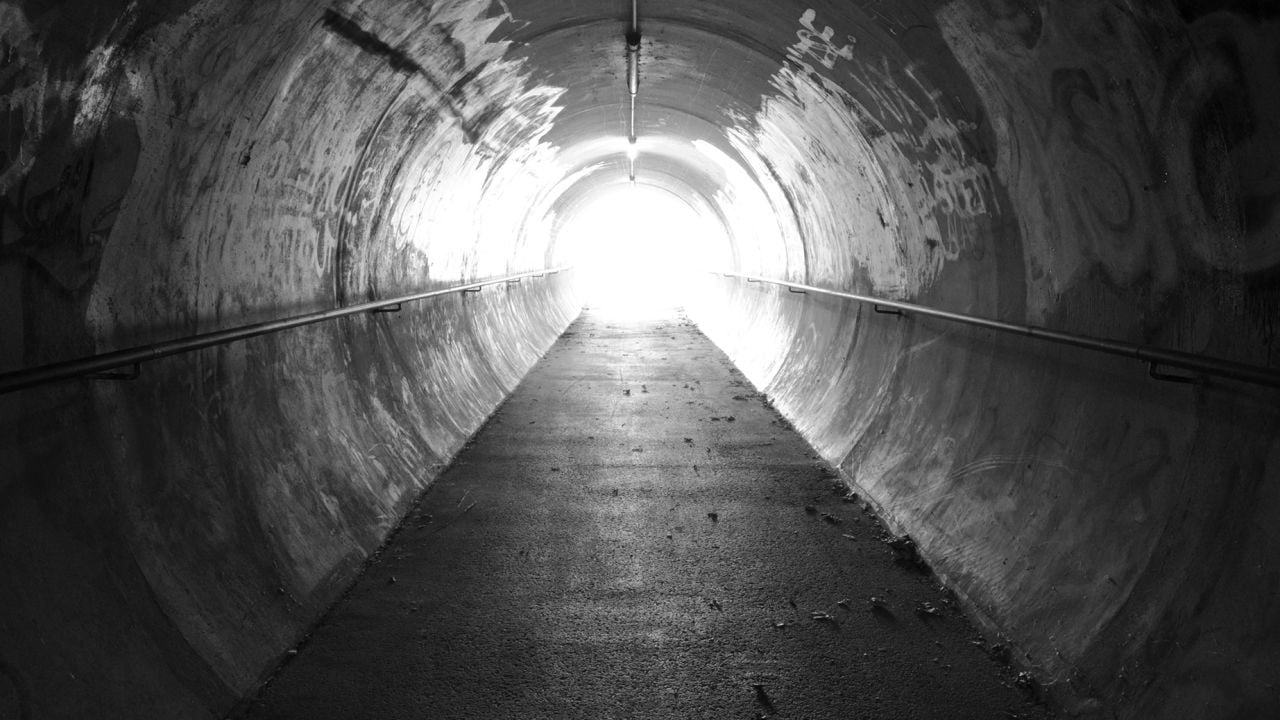
Many people see light in near-death experiences. Photo: odina/iStockphoto/Getty Images.
In addition, the study recorded brain signals and compared them to brain signals from other studies on hallucinations and delusions, and found that they differed significantly.
“We were able to conclude that the recalled near-death experiences were real. They occurred at the same time as death, and we discovered certain brain chemicals that were involved. These brainwave signals were not the work of a dying brain, contrary to what many critics have claimed.”
Consciousness factor in the research study
Some industry experts were unconvinced by the study's conclusions, after the research was presented at a scientific meeting in November 2022 and reported by various media outlets.
Bruce Greyson, a professor and former lecturer in Psychiatry and Neurobehaviour at the University of Virginia School of Medicine at Charlottesville, said: “Reports of brainwave detection after cardiac arrest have been hyped by the media. In fact, my research team found no link between these brainwaves and conscious activity.”
"Patients who had near-death experiences did not have these brainwaves, and those who had these brainwaves did not have near-death experiences."
Greyson is the author of "The Near-Death Experience Handbook: Thirty Years of Research." He and cardiologist Pim van Lommel, a Dutch researcher and author on near-death experiences, submitted comments to the scientific journal for publication alongside the study. They pointed out that "two of the 28 subjects interviewed had electroencephalogram (EEG) data, but were not among those who could clearly describe the experience."
"All that study showed was that in some patients, their brains had a continuous electrical signal appearing at the same time that other patients claimed to have had near-death experiences."
Mr. Parnia stated that the study's assertion that it failed to match brain signals to near-death experiences in any given patient is accurate.
“Our study sample size wasn’t large enough. The vast majority of patients didn’t survive, and we didn’t have hundreds of survivors to interview. That’s the reality. Of those who survived and had readable electroencephalograms, 40% showed signs that their brains were starting to show signs of consciousness again from a state of complete inactivity.”
In addition, Mr. Parnia added that those who survive often have incomplete memories or forget the experience due to sedatives used in intensive care.
“The lack of recorded consciousness doesn’t mean they weren’t conscious. Generally, what we’re saying is, ‘This is a completely new field. We’re entering uncharted territory.’ And most importantly, they weren’t hallucinations. These were real experiences while the patients were dying,” Parnia said.
Nguyen Quang Minh (according to CNN)
Source


































































































Comment (0)