


According to the American Heart Association (AHA) recommendations, we should eat fruits and vegetables every day to protect our heart health.
Here are some fruits that are good for the heart, according to the health website Verywell Health .
Pumpkin
Pumpkins are rich in potassium, an electrolyte that helps maintain a normal heart rhythm. 245 grams of pumpkin contains no less than 16% of your daily recommended intake of potassium.
Pumpkins are also rich in beta-carotene, an antioxidant that helps protect cardiovascular health. Additionally, the vitamin A in pumpkins prevents the oxidation of LDL cholesterol (bad cholesterol).
Apple
A medium-sized apple contains about 5 grams of fiber, which is equivalent to about 8% of the recommended daily intake.
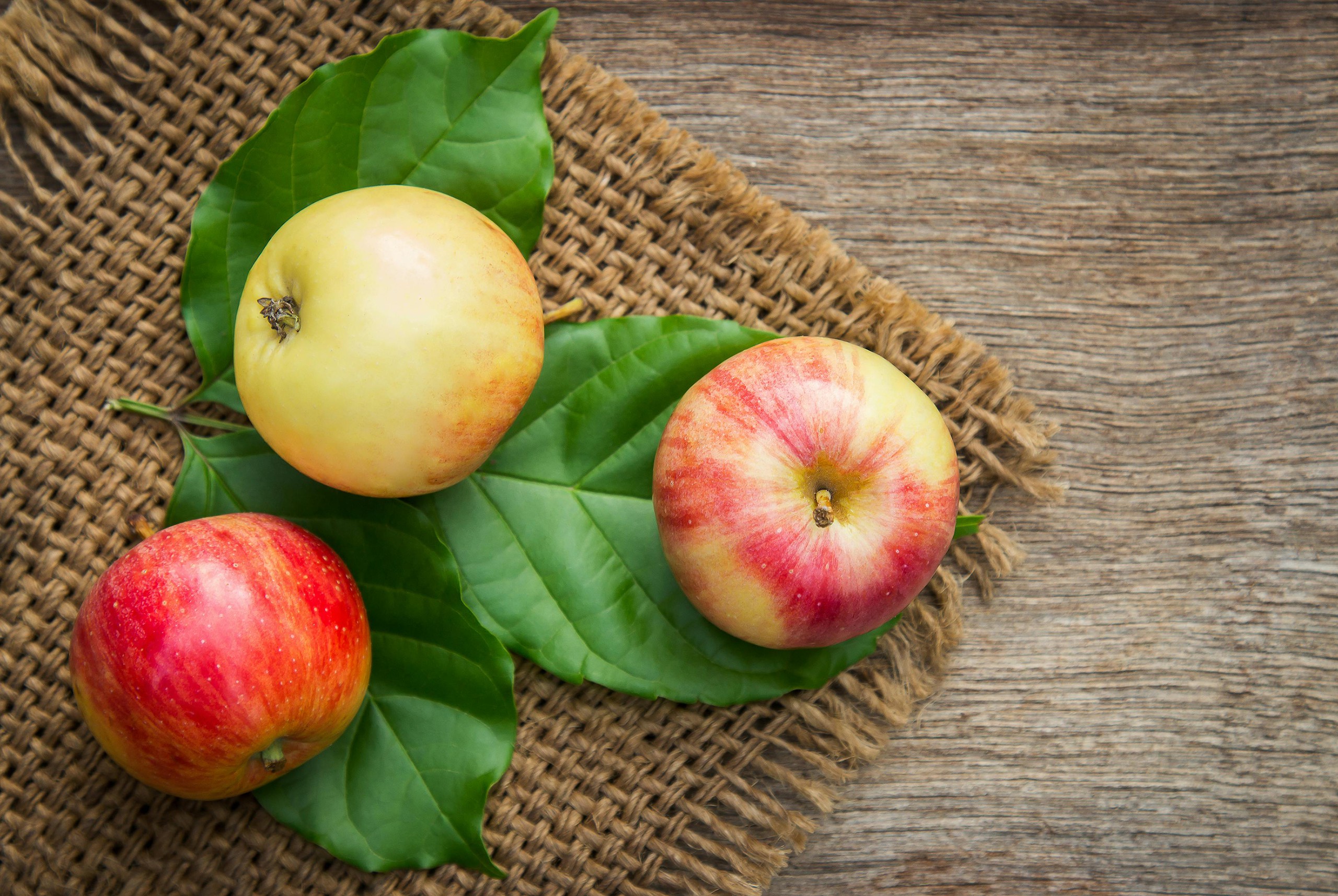
Apples contain both soluble and insoluble fiber, which not only helps lower cholesterol but also reduces blood sugar.
Meanwhile, polyphenols help lower cholesterol, reduce inflammation, and prevent the abnormal formation of blood clots.
A study published in the American Journal of Clinical Nutrition in 2020 showed that eating two apples a day may help reduce the risk of heart disease in people with high LDL cholesterol levels.
Pineapple
Pineapples are rich in vitamin C and vitamin K. A medium-sized pineapple contains about 16 milligrams of vitamin C, which is equivalent to about 18% of the recommended daily intake.
Vitamin C helps fight damage to arteries, helping to prevent atherosclerosis and high blood pressure. Vitamin K maintains normal calcium levels and heart rate.
Beetroot
The nitrates in beets act as a vasodilator, widening blood vessels to improve blood flow and potentially reducing the risk of hypertension and atherosclerosis.
136 grams of beetroot provides 12% of your daily fiber, 7% of your daily vitamin C, and 11% of your daily potassium requirement.
Kale
Kale contains very high levels of potassium and nitrates, two important minerals that help regulate blood pressure and protect cardiovascular health.
In particular, kale is rich in glucosinolates, which help prevent atherosclerosis and heart attacks.
In addition, the high fiber content in kale also helps lower blood cholesterol.
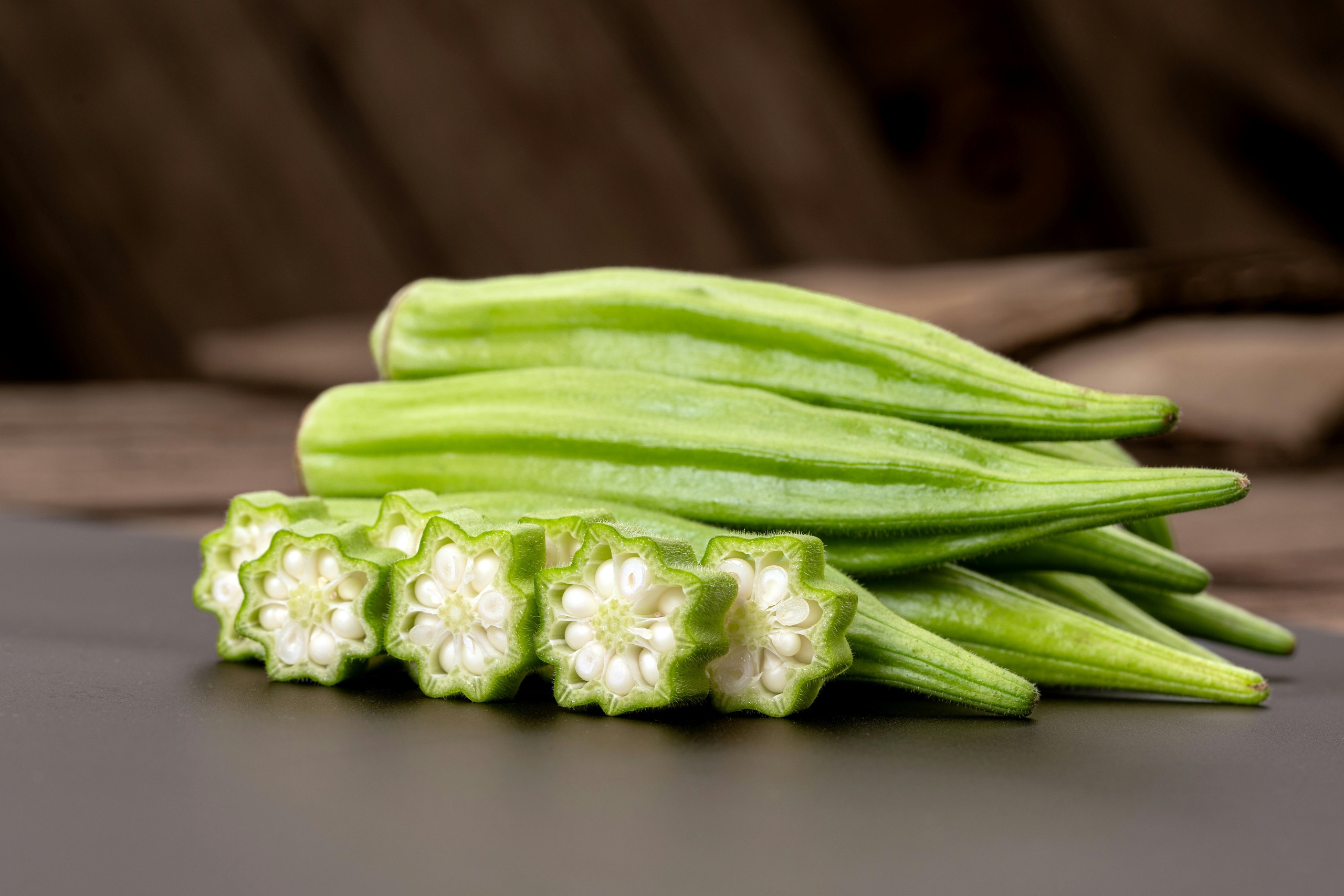
Eating okra is beneficial for the heart.
Okra
Okra is rich in vitamin K, vitamin C, and folate. Folate (vitamin B9) is particularly beneficial for the heart, reducing levels of a sulfur-containing amino acid called homocysteine, which can damage the inside of arteries and increase the risk of blood clots.
Miniature cabbage
Miniature cabbage provides vitamin C, vitamin K, potassium, glucosinolates, and iron.
Iron is essential for the formation of healthy red blood cells and hemoglobin. Conversely, chronic iron deficiency can lead to changes in the heart muscle and the development of arrhythmias (irregular heartbeats) and congestive heart failure (CHF).
Sweet potato
Sweet potatoes are rich in fiber, potassium, and beta-carotene—an antioxidant that helps protect the body from harmful free radicals.
In particular, most of the fiber is found in the peel of sweet potatoes, so when preparing them, you should keep the peel to maximize the nutritional value of this tuber.
Source: https://thanhnien.vn/trai-cay-va-rau-cu-tot-cho-tim-185241018111006173.htm







































































































Comment (0)