

There are over 24,000 registered drugs in the country that are still valid. A pilot program will be implemented to decentralize the authority of the Ho Chi Minh City Department of Health to handle applications for import licenses for drugs meeting special treatment needs.
Although medication is available, hospitals still experience localized shortages.
According to the Ministry of Health , there are currently over 24,000 registered and valid drugs in the country, ensuring sufficient drug supply. Specifically, from 2023 to the end of November this year, nearly 15,000 new import licenses for drugs and drug raw materials have been issued.
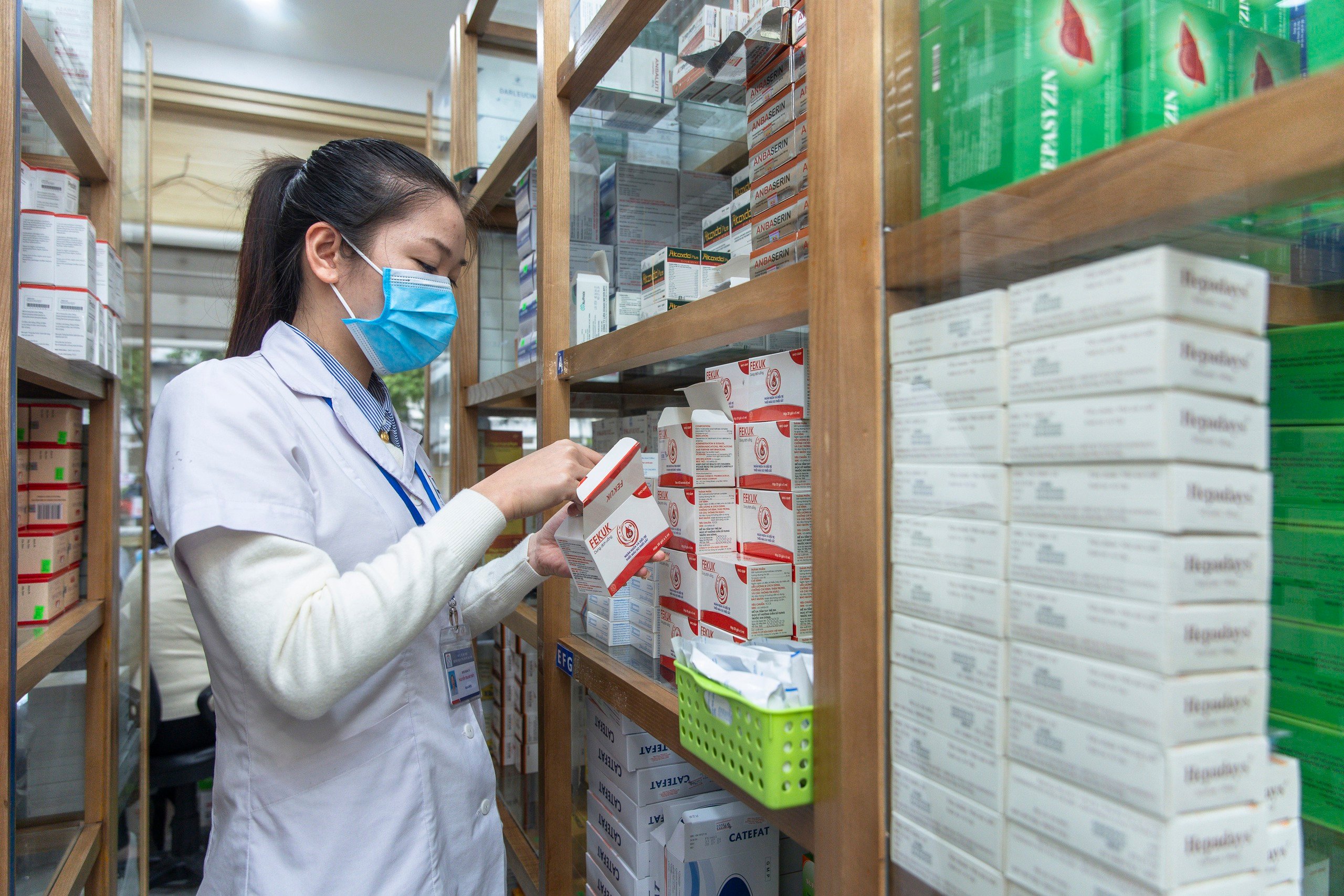
Healthcare facilities will import medicines to meet their specific treatment needs.
Regarding the localized drug shortages at some hospitals at certain times, a representative from the Drug Administration Department (Ministry of Health) stated that the objective reasons include disruptions in the global supply chain for drugs and drug raw materials; difficulties in forecasting and determining needs, especially for some drugs whose demand depends on the disease situation each year.
"The shortage of medicines in public hospitals is due to some medical facilities lacking initiative in planning and preparing medicines; they are hesitant in planning and bidding for drug procurement despite the availability of complete legal frameworks for drug bidding regulations. Local authorities have not been diligent in directing efforts to ensure drug supply. Patients have to buy medicines themselves because hospitals are not purchasing them, not because of a lack of supply," a representative from the Drug Administration Department said.
Simplify and streamline the procedures for importing and exporting pharmaceuticals.
According to the Drug Administration Department, to address the concerns about procurement in public hospitals and their impact on patients, the Ministry of Health has issued and advised on the issuance of numerous legal documents and professional pharmaceutical guidelines for implementation by relevant units; strengthened guidance and management on ensuring drug supply, especially in cases of natural disasters and epidemics; and regularly improved and implemented administrative procedures related to pharmaceuticals.
In 2025, the Ministry of Health will continue to advise the Government on amending the decree guiding the Law on Pharmaceuticals to legalize the plan to simplify and decentralize administrative procedures for the import and export of medicines and pharmaceutical raw materials.
Specifically, for drugs with limited supply, the Ministry of Health allows medical facilities to proactively import drugs that do not yet have registration certificates in Vietnam to serve the special treatment needs of their patients, without depending on pharmaceutical businesses; and piloting the decentralization of authority to the Ho Chi Minh City Department of Health to handle applications for import licenses for drugs meeting special treatment needs in the area, reducing the burden on central-level management agencies.
At the same time, activities involving the application of information technology and monitoring the supply of medicines have been strengthened to promptly regulate the import and distribution of drugs.
Source: https://thanhnien.vn/tphcm-se-tu-quyet-nhap-khau-thuoc-dac-biet-185241214200145245.htm
![[Photo] Ho Chi Minh City decorated with flags and flowers ahead of election day.](https://vphoto.vietnam.vn/thumb/1200x675/vietnam/resource/IMAGE/2026/03/13/1773392076518_anh-man-hinh-2026-03-13-luc-15-53-29.png)
![[Photo] Prime Minister Pham Minh Chinh attends the inauguration ceremony of the Vietnam Space Center.](https://vphoto.vietnam.vn/thumb/1200x675/vietnam/resource/IMAGE/2026/03/13/1773397068038_ndo_br_dsc-3366-jpg.webp)











































































Comment (0)