


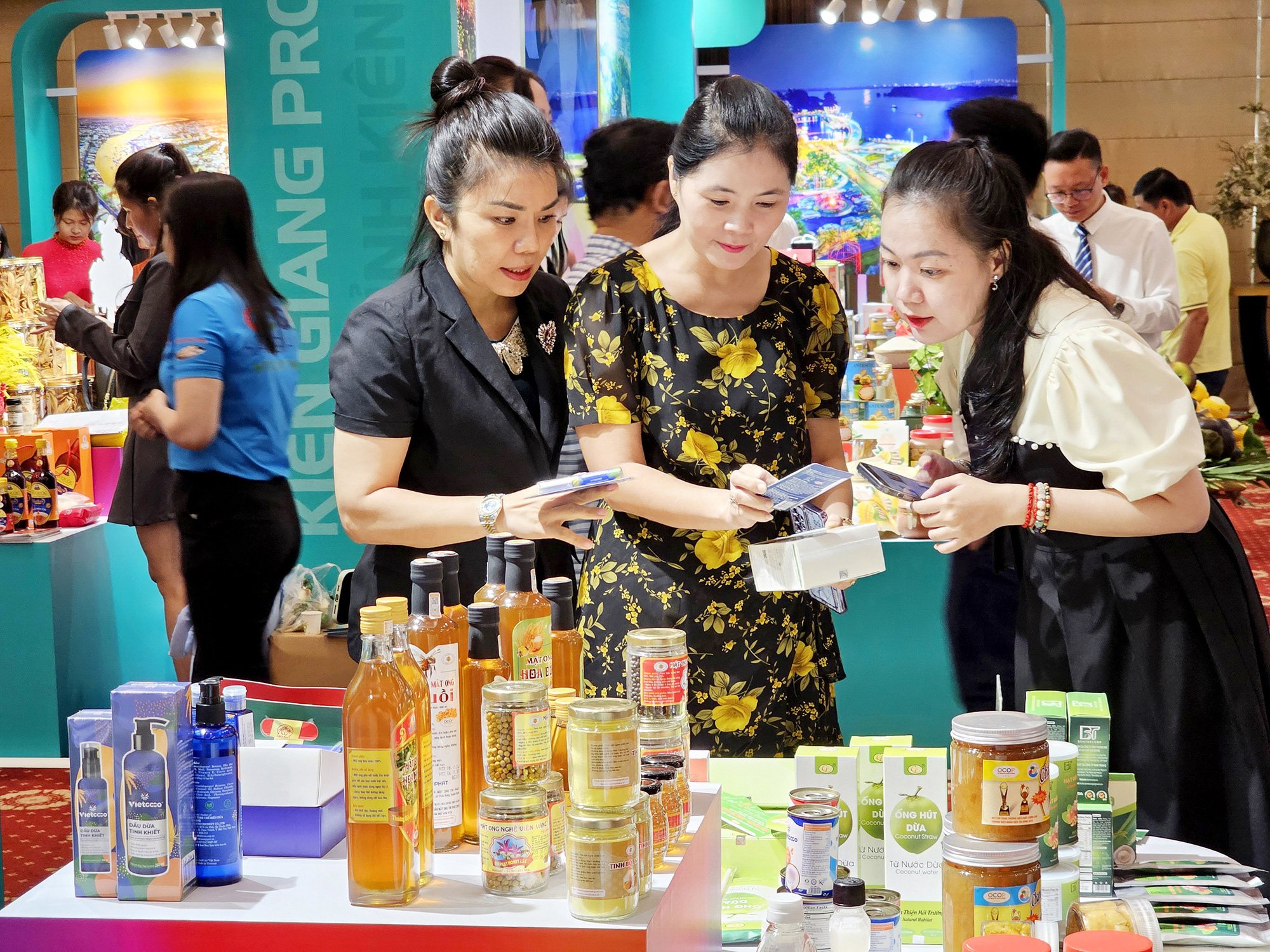
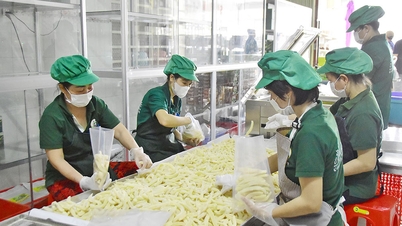
The booths showcasing typical products from each locality in the Mekong Delta attracted the attention of many delegates attending the conference – Photo: CHI QUOC
Ho Chi Minh City and 13 provinces and cities in the Mekong Delta have agreed to strengthen comprehensive cooperation in the periods 2024-2025 and 2026-2030, focusing on key infrastructure projects such as the Ho Chi Minh City – Trung Luong expressway, the Ho Chi Minh City – Can Tho railway, and the development of waterway tourism .
In particular, these two key economic regions will develop specific regulatory frameworks to support businesses, aiming to contribute 30% of the national GDP and become models of regional economic development.
It's good, but it needs to be better.
At the conference, leaders of the provinces and cities in the Mekong Delta region agreed that cooperation between Ho Chi Minh City and the Mekong Delta has yielded many positive results. However, all parties emphasized the need to promote stronger and more substantive cooperation in the future.
Chairman of the People's Committee of Can Tho City, Tran Viet Truong, stated that the 2024-2025 period should focus on developing a synchronized transportation infrastructure. Priority should be given to key projects such as upgrading and expanding the Ho Chi Minh City – Trung Luong expressway, the coastal road connecting Ho Chi Minh City with the Mekong Delta, and other expressways currently under construction. He also proposed researching the exploitation of waterway transport connecting Ho Chi Minh City with Ben Tre and Ca Mau provinces, while coordinating the development of waterway tourism on these routes.
Chairman of the People's Committee of Dong Thap province, Pham Thien Nghia, emphasized the inseparable role of Ho Chi Minh City and the Mekong Delta in the development process. According to him, in addition to signing a memorandum of cooperation, a specific regulatory framework needs to be established to support businesses.
He gave examples: localities need to have mechanisms to support high-tech businesses with software and hardware, or prioritize administrative procedures and land allocation for businesses from Ho Chi Minh City investing in the Mekong Delta. These regulations need to be widely publicized so that businesses understand and implement them.
Vice Chairman of the Ca Mau Provincial People's Committee Nguyen Minh Luan agreed with this view and suggested encouraging maximum participation from businesses based on previous cooperation experiences.
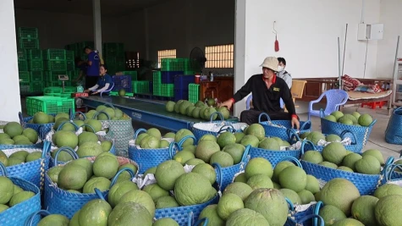
Chairman of the An Giang Provincial People's Committee, Ho Van Mung, proposed improving the efficiency of selling goods from the Mekong Delta in Ho Chi Minh City, especially by integrating OCOP (One Commune One Product) products into shopping malls and supermarkets, instead of limiting them to trade fairs. This would help increase product value and improve the lives of people in the region. He also suggested that Ho Chi Minh City utilize its media outlets to strongly promote the Mekong Delta, contributing to comprehensive development in the region.
Mutually beneficial cooperation
Chairman of the Ho Chi Minh City People's Committee, Phan Van Mai, clearly expressed his views on the cooperative relationship with the Mekong Delta region, emphasizing that Ho Chi Minh City is not simply there to help, but genuinely needs and receives significant value from this relationship. The city recognizes its responsibility and important role in promoting effective regional cooperation.
Regarding the plan from now until 2025, Mr. Mai assigned the Department of Planning and Investment and the Department of Tourism to take the lead in coordinating with other provinces to create practical and focused collaborations. The top priority is placed on infrastructure connectivity, which, although costly, needs to be fundamentally addressed first.
Specifically, the city will coordinate with the Ministry of Transport to finalize the legal framework and promote the expansion of the Ho Chi Minh City – Trung Luong expressway, National Highway 1, and National Highway 50B, while also researching the development of coastal and border roads connecting with the Mekong Delta.
In particular, Ho Chi Minh City will proactively research and invite provinces in the Mekong Delta to participate in infrastructure development. One of the key projects is the Ho Chi Minh City – Can Tho railway, with the goal of completing the legal procedures and commencing construction before 2030. Simultaneously, the city also proposes restarting important waterway transportation projects, aiming to expand connectivity to Cambodia, in order to develop waterway tourism and logistics.
In the tourism sector, the Ho Chi Minh City Department of Tourism is tasked with developing coordinated tour routes, aiming to extend the length of stay of international tourists in Vietnam. Local authorities need to coordinate closely in organizing festivals and events according to a reasonable schedule, ensuring that there are activities to attract tourists every month.
Regarding investment and trade promotion, Ho Chi Minh City plans to organize a Mekong Delta space or Mekong Delta week in the city to comprehensively showcase the region's potential. This will be an opportunity for localities to promote, attract investment, and develop tourism. The city will also utilize its existing media system to support the Mekong Delta provinces in their communication efforts, by assigning the Department of Information and Communications to develop a detailed plan.
These proposals and commitments demonstrate Ho Chi Minh City's determination to strengthen comprehensive connectivity and cooperation with the Mekong Delta region, aiming for sustainable development and shared prosperity for the entire region.
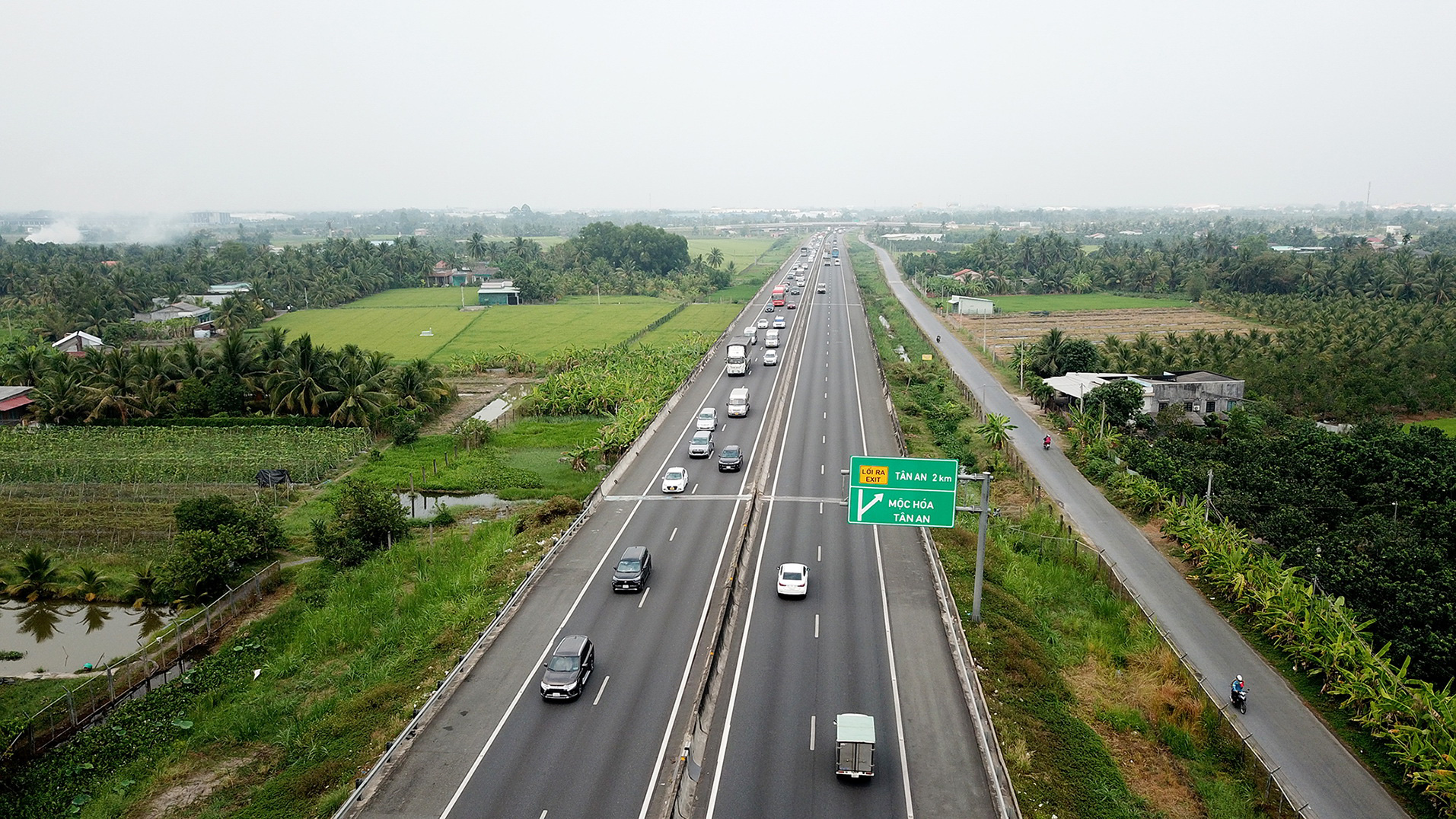
The Ho Chi Minh City – Trung Luong expressway is one of the projects that Ho Chi Minh City and the Mekong Delta provinces have identified as priorities for upgrading and expansion – Photo: CHI QUOC
3 challenges in the linkage between Ho Chi Minh City and the Mekong Delta.
Speaking at the conference, Deputy Minister of Planning and Investment Nguyen Thi Bich Ngoc highly appreciated the cooperative relationship between Ho Chi Minh City and the Mekong Delta provinces. According to her, this cooperation has created a developing economic region with increasingly close linkages, contributing approximately 30% of the country's GDP and becoming a model for regional economic development.
However, Ms. Ngoc pointed out three major challenges in this cooperation. Firstly, the disparity in socio-economic development between Ho Chi Minh City and the Mekong Delta provinces remains very large, as evidenced by social infrastructure, healthcare, education, and income.
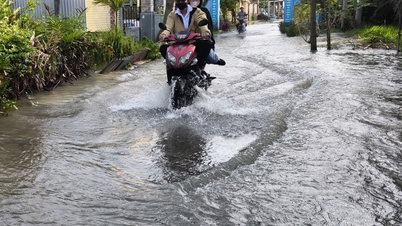
Secondly, there is the issue of climate change and the environment, with the Mekong Delta being the most severely affected, along with industrialization and urbanization impacting water and land resources, and causing flooding and saltwater intrusion.
Thirdly, infrastructure investment in the Mekong Delta region is slow and lacks coordinated efforts among localities.
The Ministry of Planning and Investment is committed to working alongside Ho Chi Minh City and the Mekong Delta provinces by advising the Government on prioritizing the development of social infrastructure and removing bottlenecks. The Ministry is ready to cooperate with Ho Chi Minh City and other localities to resolve difficulties for projects currently facing obstacles. The Ministry hopes that the cooperation model between Ho Chi Minh City and the Mekong Delta provinces will become a good model that can be replicated nationwide.
Source: https://tuoitre.vn/tp-hcm-dbscl-bat-tay-vi-thinh-vuong-chung-20241130081022962.htm


![[Photo] Prime Minister Pham Minh Chinh visits and extends New Year greetings to former Party and State leaders and offers incense to the esteemed predecessors.](https://vphoto.vietnam.vn/thumb/1200x675/vietnam/resource/IMAGE/2026/02/14/1771078465521_dsc-2411-jpg.webp)































































Comment (0)