

Specifically, studies have found that premature graying of hair in men is associated with a higher risk of heart disease, according to the health news website Health Digest.
What did the study find?
Gray hair and coronary heart disease are both linked to the aging process. One study has shown that excessive gray hair may be an indicator of increased risk for heart disease in men.

Gray hair is a natural part of the aging process.
Research presented at the 2017 European Society of Cardiology conference showed that men with premature graying of hair have a higher risk of heart disease.
Scientists at Cairo University (Egypt) examined 545 men suspected of having coronary artery disease and divided them into groups based on whether they had the disease and the amount of gray hair. Participants also underwent coronary CT scans to check for cardiovascular disease.
The degree of gray hair is assessed using the following scale:
1. Black hair, no gray.
2. There is more black hair than gray hair.
3. The amount of black hair and gray hair is equal.
4. There is more gray hair than black hair.
5. Completely gray hair.
Additionally, researchers collected data on participants' risk factors for cardiovascular disease (CVD), such as high blood pressure, smoking, diabetes, high cholesterol levels, and family history of CVD.
The results showed that patients with coronary heart disease had higher gray hair scores and higher levels of atherosclerosis.
Specifically, people with a gray hair score of 3 or higher have a higher risk of coronary artery disease, regardless of age or other cardiovascular risk factors.
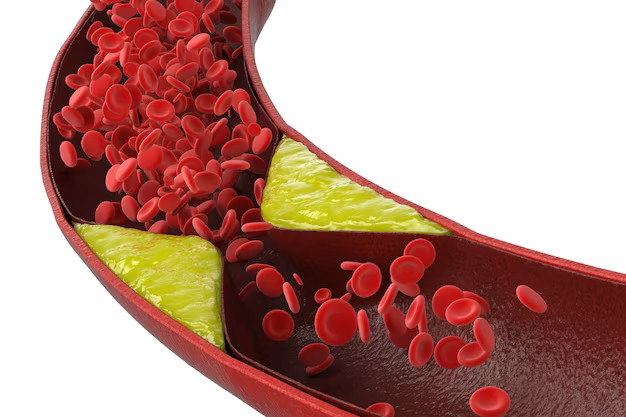
Patients with coronary heart disease have higher gray hair scores and higher levels of atherosclerosis.
Co-author of the study, Dr. Irini Samuel, a cardiologist at Cairo University, commented on the importance of these findings. Atherosclerosis and graying hair occur through similar biological pathways, and the incidence of both increases with age. Our findings suggest that regardless of age, graying hair reflects biological aging and may be a warning sign of a higher risk of cardiovascular disease.
Dr. Samuel recommends that high-risk patients, even those without signs of coronary artery disease, should still have regular health checkups to avoid heart disease and take preventive measures.
Dr. Samuel also noted that more research is needed to confirm these findings, according to the medical news website Medical News Today.
Source: https://thanhnien.vn/toc-bac-som-co-lien-quan-den-benh-185240617205630464.htm


![[Photo] Golden season of organic farming under the canopy of the vast Mang Den forest.](/_next/image?url=https%3A%2F%2Fvphoto.vietnam.vn%2Fthumb%2F1200x675%2Fvietnam%2Fresource%2FIMAGE%2F2026%2F01%2F24%2F1769247398190_ndo_br_cam-15-jpg.webp&w=3840&q=75)


Comment (0)