


Frequent nighttime urination directly affects sleep and, in the long run, can lead to negative health problems.
What constitutes frequent nighttime urination?
According to the International Urological Association (ICS), nocturia occurs when a person wakes up to urinate in the period between falling asleep at night and just before waking up the next day.
Generally, to assess whether someone has frequent nighttime urination, the values of the following three indicators should be considered:
The first indicator is the number of times you urinate each night. Under normal circumstances, an adult will wake up to urinate 0 to 1 time during the night. If you wake up to urinate more than twice, it can be considered frequent nighttime urination.

The second indicator is urine volume. The total urine output of a healthy adult in 24 hours is approximately 1500ml, equivalent to the amount in 3 to 4 bottles of mineral water.
Because metabolism slows down after a person falls asleep, the amount of urine produced at night is significantly less than during the day. The ratio of daytime to nighttime urine is typically 2:1.
When the amount of urine produced at night exceeds 500ml (about the size of a bottle of mineral water) or when the amount of nighttime urination is greater than the amount of daytime urine, it can be considered nocturia.
The third indicator is the ratio of urine volume to body weight. Some Japanese experts have suggested that the ratio of nighttime urine volume to body weight could be used as an indicator to determine whether nocturia is an increased risk of nighttime urination.
When the value of nighttime urine output (ml)/body weight (kg) is greater than 10, it means increased nocturia.
For example, for a person weighing 50kg, the amount of urine produced at night is considered normal if it is within the range of 500ml, and if it exceeds that, the amount of urine will increase.
If any one of the three criteria above is met, it can be considered increased nocturia. The higher the frequency of nocturia, the greater the impact on sleep.
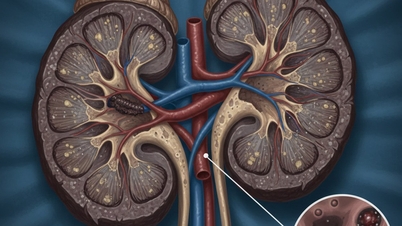
Is frequent nighttime urination a sign of weak kidneys?
A survey by the American Sleep Foundation found that 53% of people aged 55 to 84 suffer from sleep disorders caused by nighttime urination.
Many people attribute frequent nighttime urination to "poor kidneys" or "old age." This is true because some kidney conditions, such as hypertensive nephropathy and chronic kidney failure, can cause more frequent nighttime urination; the incidence of nighttime urination increases with age.
Studies have shown that approximately 70% of people over 65 suffer from nocturia (frequent urination at night), and this rate rises to 90% in those 90 years and older.

However, this does not mean that only kidney problems and aging can cause frequent nighttime urination. Increased nighttime urination has both physiological and pathological causes. Its occurrence is usually due to a combination of factors and cannot simply be due to increasing age.
Physiological polyuria: often includes drinking too much water before bedtime, consuming too many diuretics (such as coffee, alcohol), eating too much salt, insomnia and anxiety, and impaired kidney function in the elderly.
Pathological polyuria: often due to reduced bladder capacity, prostate enlargement, chronic pyelonephritis, urinary tract tumors such as bladder tumors, etc.
Benign prostatic hyperplasia (BPH ): Benign prostatic hyperplasia is the most common cause of frequent nighttime awakenings in middle-aged and older men.
In men, the prostate gland is primarily located below the bladder, surrounding the junction between the upper urethra and the bladder. When the number of cells increases significantly, it can easily cause obstruction of the bladder outlet.
Increased residual urine volume reduces the bladder's ability to function effectively, leading to a gradual increase in urination frequency.
Urinary tract infection (UTI): For women, a common cause of nocturia (frequent nighttime urination) is a urinary tract infection. A UTI refers to a range of inflammatory responses caused by bacteria and other pathogens entering the urinary system.
Most urinary tract infections are caused by bladder infections. When inflammation occurs in the bladder, the urinary center becomes more irritated due to a decrease in nerve receptor thresholds, leading to frequent nighttime urination. It can also cause urgency, pain, and burning sensations during urination.
Diabetes: High blood sugar affects the nerves surrounding the bladder, causing the urethral sphincter, bladder muscles, and other muscles to lose coordination, leading to urinary disorders such as frequent urination, incomplete urination, urgent urination with small amounts of urine, and an overfilled bladder without urine.
In general, if you frequently wake up at night to use the restroom and the cause is unclear, you should go to the hospital for a check-up.
Source: https://giadinhonline.vn/tieu-dem-nhieu-co-phai-do-than-kem-d202669.html











































































































Comment (0)