

(Dan Tri Newspaper) - Students face academic pressure, fear failing if they don't attend extra classes, become dependent on teachers, and the distorted nature of extra classes causes significant negative consequences, affecting the comprehensive development of students…
These are the consequences of widespread private tutoring, as mentioned by Deputy Minister of Education and Training Pham Ngoc Thuong at a working session in Ho Chi Minh City on March 21st regarding the management of private tutoring.
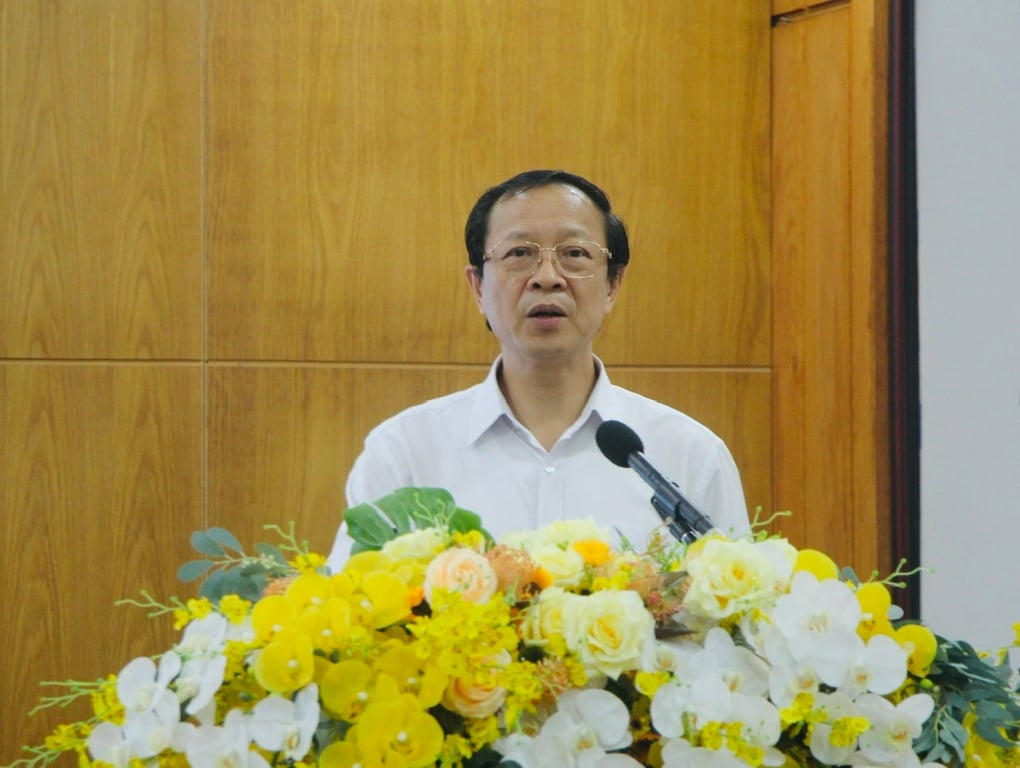
Deputy Minister of Education and Training Pham Ngoc Thuong inspects extracurricular tutoring activities in Ho Chi Minh City on the afternoon of March 21 (Photo: Ho Nam).
According to Deputy Minister Pham Ngoc Thuong, widespread tutoring means there is no clear understanding of the quantity, target audience, objectives, and methods. Tutoring is often done as a trend, driven by a desire for degrees, and parents enroll their children in such programs simply because other children are attending them.
The issue of managing extracurricular tutoring is not new. Since 1996, the 8th Central Committee Resolution has clearly stated the alarming reality of widespread private tutoring.
Widespread private tutoring wastes students' time and money, negatively impacts their holistic development, and undermines teacher-student relationships.
The Deputy Minister shared that, in the past, many documents have been issued to manage this issue, most notably Circular 17.
However, the widespread practice of private tutoring has not decreased; in fact, it shows signs of becoming distorted, causing significant negative consequences and affecting the holistic development of students.
Furthermore, extra tutoring is often seen as a matter of course; if children don't attend, their academic performance will suffer, and their quality of education will decline. Meanwhile, students need holistic development, not only in knowledge but also in life skills, and time to participate in various other activities.
Deputy Minister Thưởng shared his concerns, noting that many students, due to academic pressure, experience psychological problems and self-harm. The most dangerous situation is when students become dependent on teachers and constantly need extra tutoring; they will gradually lose their ability to learn and research independently, remaining forever within their small comfort zone.
For teachers, focusing solely on tutoring will leave them no time for self-study and professional development.
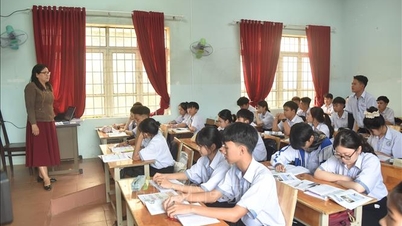
In addition, Mr. Thuong frankly pointed out that the existence of extra tutoring is due to the fact that many public schools have overcrowded classes, with up to 50-60 students, making it impossible for teachers to pay attention to each student during regular class hours.
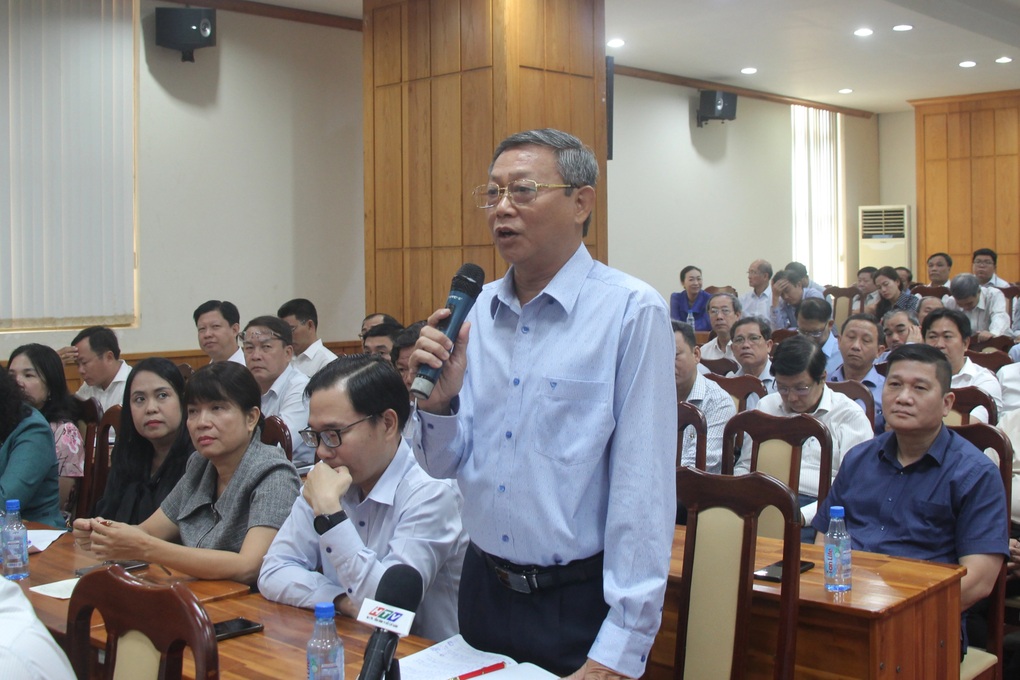
Officials in Ho Chi Minh City share their views at the working session (Photo: Ho Phuc).
The quality and standards of schools are also uneven. Meanwhile, parents have a legitimate desire for their children to attend good schools.
In addition, pressure to achieve high grades and parents' expectations for their children's academic success also increase the need for extra tutoring.
Teachers and administrators should not consider tutoring and extra classes as something natural.
Deputy Minister Pham Ngoc Thuong analyzed that the goals of education have changed; with the current curriculum, teachers not only teach knowledge but, more importantly, focus on methods and inspire a sense of self-learning.
The Ministry of Education and Training issued Circular 29 to better manage extracurricular tutoring activities, further improve the quality of regular school teaching, and prevent parents from wasting time on widespread tutoring.
Circular 29 stipulates that supplementary teaching in schools should only have 2 lessons per week per subject to ensure effective teaching of the main curriculum, and does not encourage supplementary teaching within the program. We need to move towards a system where schools do not offer supplementary tutoring. Supplementary tutoring should be for gifted students or those studying outside the advanced curriculum.
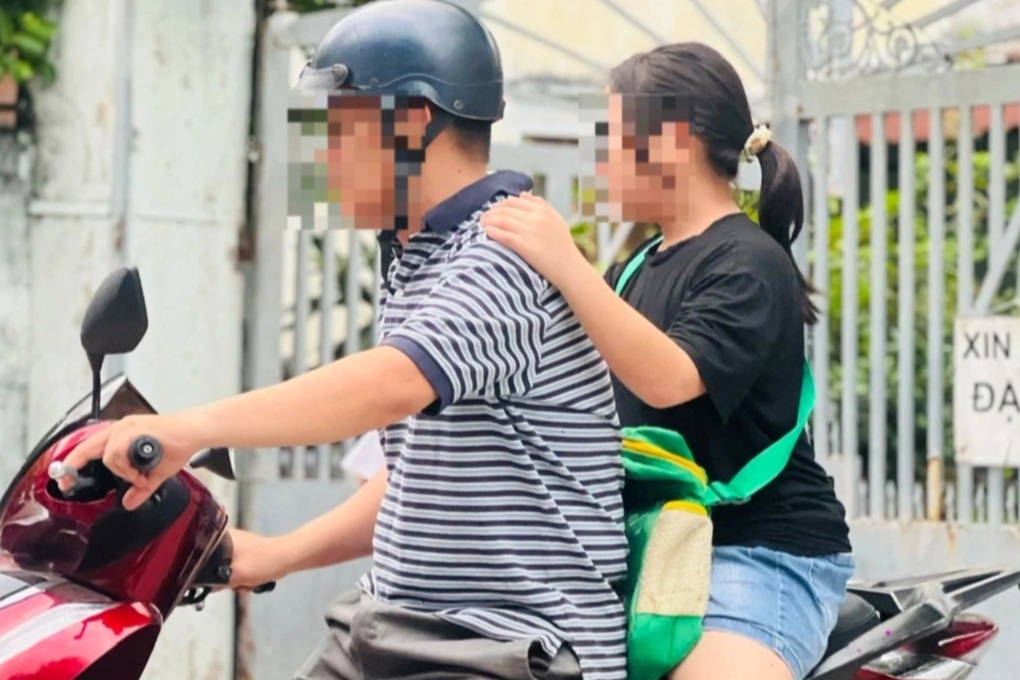
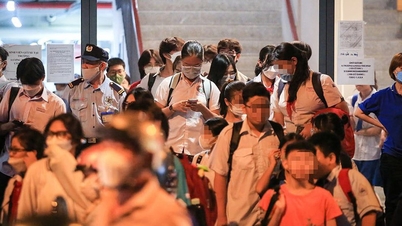
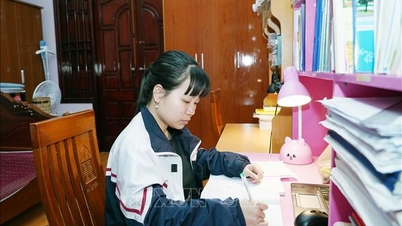
Students attend extra classes outside of school in Ho Chi Minh City (Photo: Hoai Nam).
Along with that, there are issues that need to be addressed, such as schools improving their professional skills, ensuring that regular class time addresses the learning outcomes of each subject; reforming assessment methods and exam questions to align with the curriculum, and absolutely avoiding requiring students to attend tutoring centers to learn the official curriculum.
Deputy Minister Pham Ngoc Thuong shared that the goal of education is not to find funding or methods for extra tutoring, but to ensure that even if the graduation exam is tomorrow, "this afternoon our children can still play football and help their parents."
"Teachers and administrators shouldn't consider extra tutoring as something taken for granted over the past few decades, but must change that to bring happiness to students," he said.
To effectively implement Circular 29, the Deputy Minister of Education and Training outlined "5 don'ts and 4 things to emphasize".
The five "no's" include: no abandoning the project halfway through, no excuses or compromises, no exceptions, no leniency; no distortion or circumvention of the law; not giving up in the face of difficulties or complexities; and no additional costs.
In implementing regulations on supplementary tutoring, it is necessary to emphasize the role of management officials at all levels, from department heads and office leaders to principals and teachers; to promote the self-respect and dignity of teachers and management officials; to promote the spirit of autonomy, self-awareness, and self-learning among students; and finally, to strengthen coordination between families, localities, and society in education.
Source: https://dantri.com.vn/giao-duc/thu-truong-bo-gddt-dung-xem-day-them-hoc-them-la-viec-duong-nhien-20250321162415863.htm

![[Photo] Prime Minister Pham Minh Chinh presides over a meeting on private sector economic development.](/_next/image?url=https%3A%2F%2Fvphoto.vietnam.vn%2Fthumb%2F1200x675%2Fvietnam%2Fresource%2FIMAGE%2F2025%2F12%2F20%2F1766237501876_thiet-ke-chua-co-ten-40-png.webp&w=3840&q=75)


![[Photo] Prime Minister Pham Minh Chinh presides over the conference announcing the establishment of the International Finance Centre in Vietnam.](/_next/image?url=https%3A%2F%2Fvphoto.vietnam.vn%2Fthumb%2F1200x675%2Fvietnam%2Fresource%2FIMAGE%2F2025%2F12%2F21%2F1766309817714_ndo_br_dsc-3400-jpg.webp&w=3840&q=75)























































Comment (0)