

Start your day with health news; you can also check out these other articles: How to control diabetes; The benefits of weightlifting for bone and joint health ; What do experts say about the habit of pouring a hot cup of tea immediately after eating?...
What happens to your body when you suddenly crave orange juice?
Oranges are well-known for their high vitamin C content. Orange juice is a very healthy drink, packed with vitamins, minerals, and antioxidants. Sometimes, certain health issues can cause us to suddenly crave orange juice.

Prolonged stress can make us crave orange juice.
Occasionally, we suddenly crave orange juice. The reasons could be as follows.
Stress. When stressed, the body craves sweets. Orange juice, while rich in vitamins and minerals, also contains a lot of sugar. This sugar, when consumed, can create a feeling of comfort.
Eating sweets might provide a temporary feeling of comfort when stressed, but it leads to excessive calorie intake. If this continues, it can easily result in weight gain.
When you're sick, a common cold often presents with characteristic symptoms like a runny nose, nasal congestion, and fatigue. Sometimes, people with colds crave certain foods or drinks, including orange juice.
This craving is due to the body being stressed from fighting the illness and wanting to replenish its nutrients. If you crave orange juice, that's good because orange juice is rich in antioxidants and vitamin C. These are both essential nutrients for the immune system when you have a cold. You can read more about this on the health page on January 11th .
How can we control diabetes?
One of the most important changes in managing diabetes is adopting a healthy diet. However, while dietary changes are important, they should also be combined with other approaches.
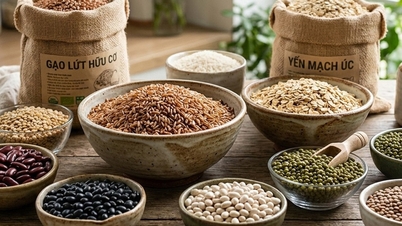
When changing their diet, people with diabetes need to limit foods high in sugar and refined carbohydrates such as white bread and pastries. At the same time, they should prioritize foods rich in vitamins and minerals but low in fat and calories, such as whole grains, fruits, and vegetables like broccoli, bok choy, spinach, and green beans.

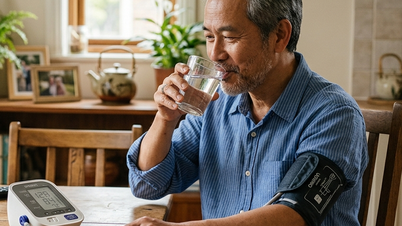
Controlling blood sugar is one of the priorities when treating diabetes.
In addition, people with diabetes should also combine this with the following measures:
Exercise regularly. To control diabetes, people need to exercise regularly. This is because exercise helps lower blood sugar levels, increase insulin sensitivity, and promote weight loss.
Depending on their physical condition, patients can walk, jog, cycle, swim, lift weights, or participate in any sport they enjoy.
Weight management. Studies show that exercise and weight loss are extremely effective ways to manage type 2 diabetes and improve overall health, especially for overweight and obese individuals.
To achieve weight management goals, experts recommend that patients set small, realistic goals. This way, changes in diet and exercise will not shock the body and will be easier to maintain. Further details of this article will be available on the health page on January 11th.
How do bones change when you lift weights?
Bone health is one of the most important aspects of overall health, especially for older adults. Bones act as a supporting framework for the body and protect vital internal organs.
Maintaining bone strength and density is essential for preventing fractures and other related health problems.

Lifting weights helps improve bone density and prevent the risk of osteoporosis.
Many studies have found weightlifting Weightlifting plays a crucial role in efforts to slow bone loss and even strengthen bones. Therefore, weightlifting becomes an essential exercise for those who want to improve bone health and reduce the risk of osteoporosis.
One of the most common bone-related problems is osteoporosis. This condition is characterized by low bone density and an increased risk of fractures. Weightlifting is an effective way to increase bone density.
Weightlifting exercises, from barbell lifts, squats, and deadlifts to machine exercises, all stimulate bone tissue. The bones respond by increasing bone density, thus becoming stronger. Start your day with health news and read more in this article!
Source link


![[Photo] Prime Minister Pham Minh Chinh successfully concludes his official visit to the Russian Federation.](https://vphoto.vietnam.vn/thumb/1200x675/vietnam/resource/IMAGE/2026/03/26/1774482837673_vna-potal-thu-tuong-pham-minh-chinh-ket-thuc-tot-dep-chuyen-tham-chinh-thuc-lien-bang-nga-8663158-4245-jpg.webp)







































































































Comment (0)