


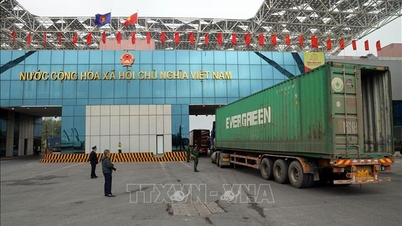
Trade surplus with the US reached $31 billion.
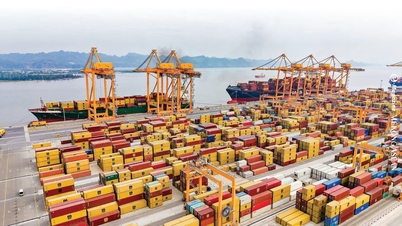
According to data from the General Statistics Office, in May 2023, import and export turnover was estimated at US$55.86 billion; a decrease of 12.3% compared to the same period last year, but an increase of 5.3% compared to the previous month. Of this, goods exports reached over US$29 billion, an increase of 4.3% compared to the previous month; the domestic economic sector reached US$7.8 billion, an increase of 1%; and the foreign-invested sector (including crude oil) reached US$21 billion, an increase of 5.5%.
Conversely, merchandise imports in May 2023 were estimated at nearly $27 billion, an increase of 6.4% compared to the previous month. Of this, the domestic economic sector accounted for $9.3 billion, an increase of 3.8%; while the foreign-invested sector accounted for $17.5 billion, an increase of 7.8%.
Overall, in the first five months of 2023, merchandise exports are estimated at US$136 billion, a decrease of nearly 12% compared to the same period last year. Merchandise imports are estimated at US$126 billion, a decrease of nearly 18% compared to the same period last year. Compared to the same period last year, in the first five months of 2023, the trade surplus with the US is estimated at US$31 billion (down 22%), the trade surplus with the EU at US$12.6 billion (down 3.6%); and the trade surplus with Japan at US$521 million (compared to a trade deficit of US$564 million in the same period). Meanwhile, the trade deficit with China is US$23.6 billion (down 16.7%), the trade deficit with South Korea is nearly US$11 billion (down 38%), and the trade deficit with ASEAN is US$3.4 billion (down 41%).
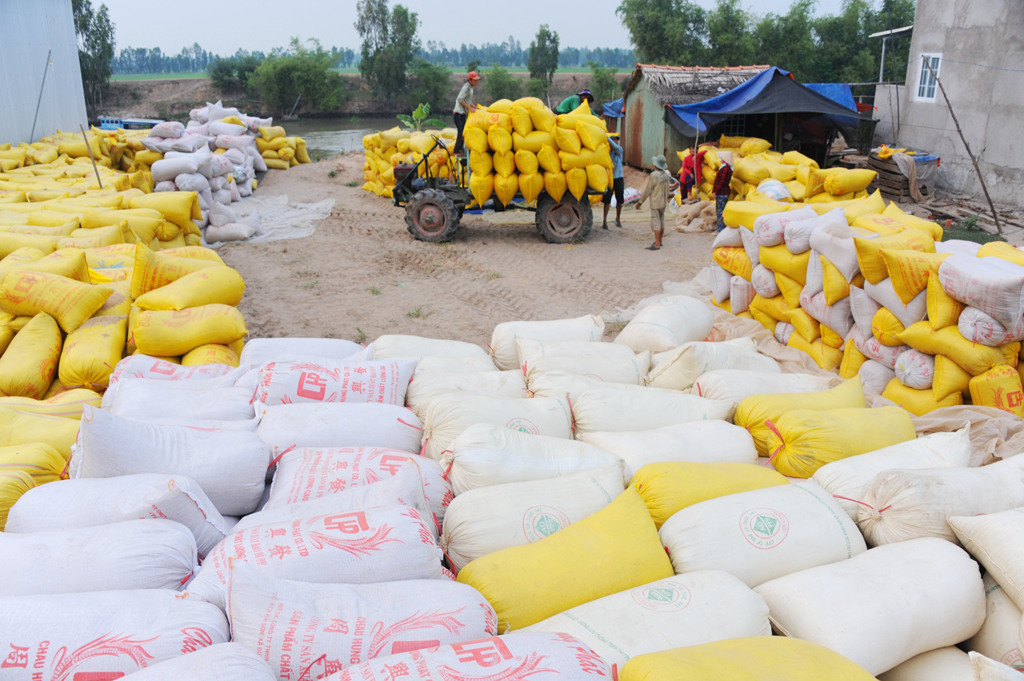
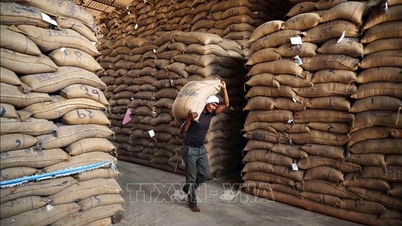
Rice is a key export product of Vietnam.
Reviewing the Government's economic report, the National Assembly's Economic Committee also noted: A large trade surplus amidst a difficult economic context and declining exports is a matter of concern. This indicates a weakening of growth momentum. According to experts, imports and exports began to decline from the end of 2022 due to the general global economic context and reduced global consumption demand. These factors continued to affect Vietnam's trade balance in the first months of 2023.
Given Vietnam's highly open economy, where exports largely depend on imported raw materials, a trade surplus in this context needs careful consideration, as the increase in the surplus is due to a sharper decline in imports than in exports. However, the increase in import and export figures for May, in both directions, gives us hope for signs of a recovery in production and business.
Not yet stable, but encouraging.
Economist Dr. Ngo Tri Long noted that Vietnam has 28 imported items experiencing negative growth. The largest decrease was in telephones and components, down 64%; followed by rubber, down 43%; and wood and wood products, down 36%. These items account for a significant portion of import value, so the reduction in raw material imports contributed to the nearly $10 billion trade surplus. Looking at the statistics, net exports showed considerable growth, although not as high as the same period last year. However, in the context of a global economic recession and many uncertainties, with many of Vietnam's key export sectors experiencing declines and a lack of orders, the fact that Vietnam's trade surplus is positive can be considered encouraging. The three drivers of economic growth are consumption, exports, and investment, and the fact that net export value is positive is encouraging.
Associate Professor Dr. Dinh Trong Thinh (Academy of Finance)
Sharing the same view, Associate Professor Dr. Dinh Trong Thinh (Academy of Finance) analyzed: Both import and export have decreased sharply due to a lack of orders over the past six months, especially with import turnover declining more sharply than export turnover, leading to a continuous increase in the trade surplus. This is why many people are worried that if this situation continues, it will be very dangerous for the economy, as it means stagnant production and business activities. However, April and May showed signs of growth compared to the previous month. "But in reality, based on my observations, orders have returned but are mainly small-scale and sporadic; there is a lack of large, stable orders in the long term. Therefore, in the context of many remaining difficulties, we should not be overly optimistic but must actively strive to find orders and expand markets," said Dr. Thinh.
Economist Dr. Le Dang Doanh commented that the sharp decline in import and export turnover in the first few months of the year is a cause for concern. However, this is the general context of the global economy. The fact that we have maintained a high trade surplus, contributing to the stability of the balance of payments and macroeconomic stability, is due to the efforts of the business community in seeking orders and expanding markets through free trade agreements (FTAs) that we have signed with our partners.
Efforts to explore new markets
Citing the example of the textile and garment industry, Associate Professor Dr. Dinh Trong Thinh raised the issue: While our fashion industry, such as textiles and footwear, is facing a shortage of orders, Bangladesh is overwhelmed with work. Therefore, market difficulties are only part of the problem; the other part is that we haven't yet adapted to new development trends. We must review all traditional markets, assess the need for transformation, and avoid losing further orders. In addition, we need to make efforts to find customers in new markets, especially in areas where we have Free Trade Agreements (FTAs).
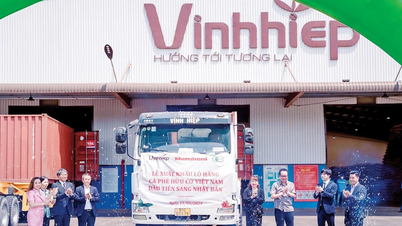
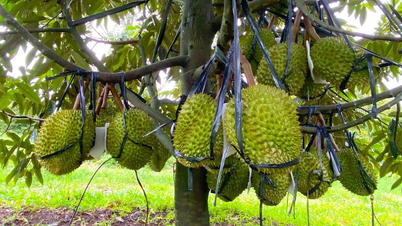
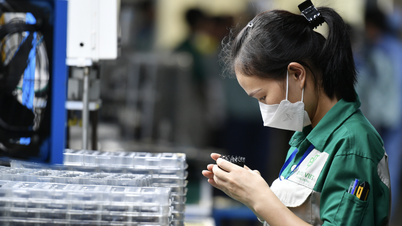
Dr. Le Dang Doanh also believes that Vietnam's true strengths, especially those of domestic businesses, lie in the food, wood, and other sectors, and therefore, exports of these goods should be boosted, particularly in new markets. In addition, investment in processing and deep processing is crucial. For the processing and manufacturing industries, the government needs to create more favorable and open conditions for Vietnamese businesses to participate more deeply in production chains, creating real added value for electronic goods, phones, computers, etc. For example, Samsung is currently the largest investor in Vietnam. According to this company, 55% of the added value of goods is created in Vietnam. However, research from Fulbright University indicates that this figure is much lower and only applies to very simple stages in that value chain such as labor, packaging, and printing. The difference goes into the pockets of small and medium-sized Korean businesses that followed Samsung into Vietnam. Conditions must be created to allow Vietnamese businesses to participate more deeply in those production value chains.
Dr. Tran Huu Hiep (FPT University) shared that, in the context of such general difficulties, the fact that we are still achieving a trade surplus is encouraging. Therefore, it is necessary to continue promoting domestic production towards self-sufficiency in the supply of raw materials and fuels. We need to boost the domestic market, promote sustainable exports, remove barriers, and create favorable conditions for domestic consumption.
Administrative reforms need to be accelerated, removing bottlenecks, barriers, and obstacles hindering production and business activities. Support for digital transformation in businesses across all sectors should be intensified and expedited. A practical and effective digital economy and digital society should be built, creating the most favorable conditions for businesses.
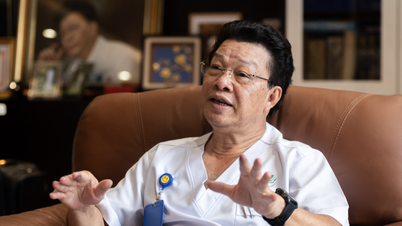
Dr. Tran Huu Hiep (FPT University)
Source link















































![[Image] National Conference on studying, understanding, and implementing Resolutions No. 79 and No. 80 of the Politburo](https://vphoto.vietnam.vn/thumb/402x226/vietnam/resource/IMAGE/2026/02/25/1771990845625_anh-man-hinh-2026-02-25-luc-10-40-34.png)





















Comment (0)