

It is proposed that the Minister of Transport be tasked with establishing technical standards for expressways.
This morning (May 21), on behalf of the Standing Committee of the National Assembly , Chairman of the National Defense and Security Committee Le Tan Toi reported on the explanation, acceptance, and revision of the draft Road Law, stating that at the 6th session of the 15th National Assembly, National Assembly deputies discussed and gave opinions on the draft Road Law.
Based on the opinions of the National Assembly deputies, the Standing Committee of the National Assembly directed the Standing Committee of the National Defense and Security Committee to coordinate with the drafting agency, the National Assembly's agencies, and relevant agencies to study, incorporate, and revise the draft Law and to prepare a draft Report explaining the incorporation and revisions.
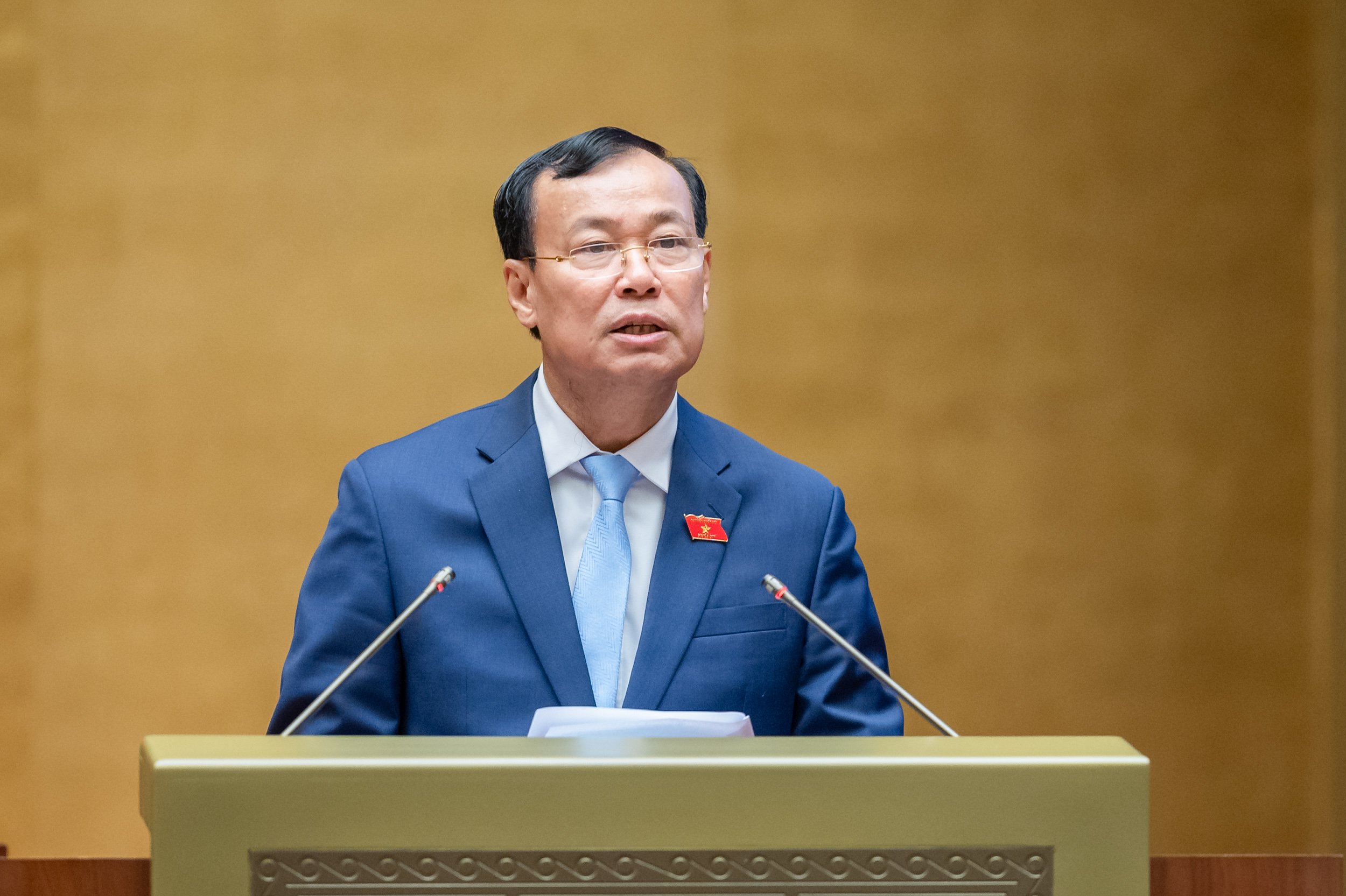
Chairman of the National Defense and Security Committee Le Tan Toi.
The draft Road Law submitted to the National Assembly for discussion at the 7th session has 86 articles, a reduction of 6 articles compared to the draft law submitted by the Government ; the content of 82 articles has been revised, 7 articles have been removed, and the content of some articles has been combined to create new articles, and the positions of 3 articles have been rearranged.
Regarding road infrastructure, the Standing Committee of the National Assembly directed that the draft law be revised to the maximum extent possible in accordance with the opinions of National Assembly deputies, focusing on the regulations in Article 8 (classification of roads by management level), Article 12 (land fund for road infrastructure), Article 15 (road safety corridor), Article 16 (use of land in road safety corridor), Article 28 (investment and construction of road infrastructure projects), and Article 31 (handover and commissioning of road projects).
Regarding regulations on investment, construction, management, operation, exploitation, and maintenance of road infrastructure, the Standing Committee of the National Assembly directed the addition and amendment of Article 8 to define the responsibilities of entities in road management. Based on this, Articles 28 and 37 of the draft Law were amended to define the responsibilities for investment, construction, management, operation, exploitation, and maintenance of road infrastructure, referencing the provisions of Article 8.
Regarding the financial resources for investment, construction, management, operation, exploitation, and maintenance of road infrastructure, and revenue from road infrastructure, in response to the opinions of National Assembly deputies, the Standing Committee of the National Assembly directed the amendment of Clause 2, Article 42 to align with the provisions of the State Budget Law.
Road inspectors do not conduct inspections or handle violations on the road.
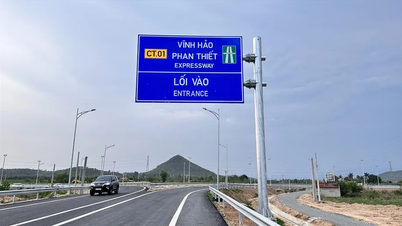
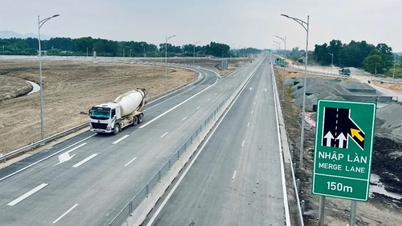
Regarding expressways, although expressways are a technical classification of roads, they have specific requirements regarding investment, construction, technical standards and regulations, and management, operation, exploitation, and maintenance.
Therefore, it is necessary to create a separate chapter to specify these contents in order to ensure the legal basis and feasibility for investment, construction, management, operation, exploitation, and maintenance of expressways.
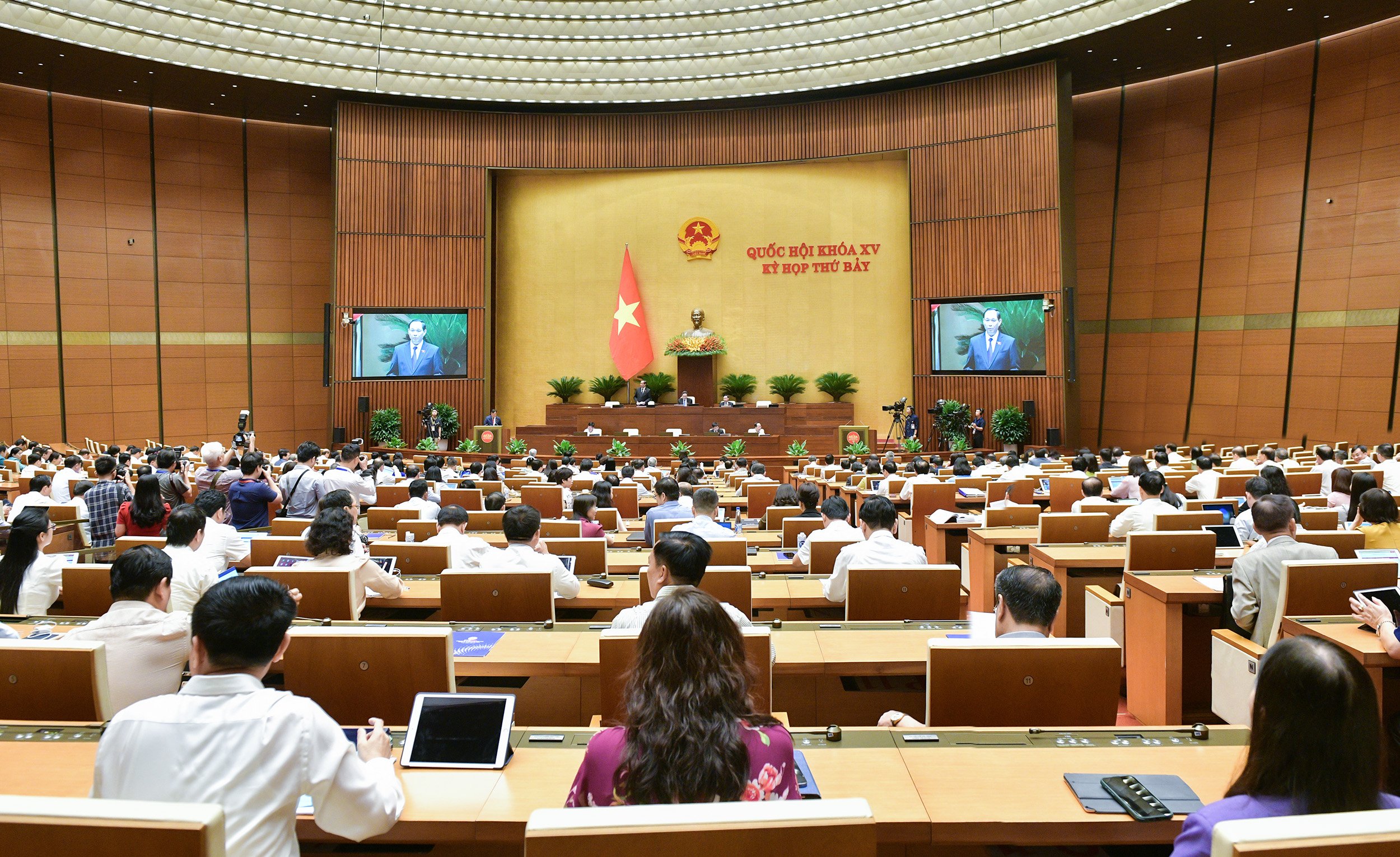
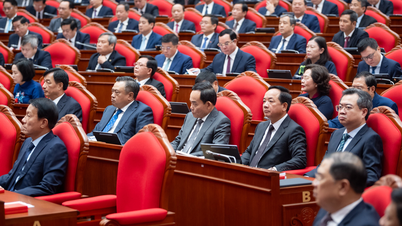
This morning (May 21st), the National Assembly discussed the draft Road Law.
Regarding the proposal to add specific regulations on technical requirements for expressways, the Standing Committee of the National Assembly suggests that the Minister of Transport be tasked with regulating these in the technical standards for expressways to ensure they are consistent with practical realities and within his/her authority.
Regarding regulations on the expansion and upgrading of expressways, the Standing Committee of the National Assembly has directed revisions to align with the provisions of the law on construction, public investment, investment under the public-private partnership method, etc., and to suit practical realities, in order to create a legal basis for attracting financial resources for investment in expanding and upgrading existing roads into expressways or expressways invested in in phases.
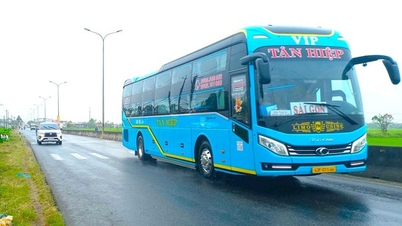
Regarding transportation activities, the Chairman of the National Defense and Security Committee, Le Tan Toi, stated that, in response to the opinions of National Assembly deputies, the Standing Committee of the National Assembly has revised the regulations in Chapter IV to ensure consistency with the provisions of the draft Law on Road Traffic Order and Safety, focusing only on regulating transportation business activities, the responsibilities of entities involved in transportation business activities, and supporting services for road transport activities.
Regarding state management of road activities, in response to the opinions of National Assembly deputies, an amendment has been added to Clause 2, Article 83 of the draft Law to ensure consistency with the draft Law on Road Traffic Safety, as the inspection of training, testing, licensing, and vehicle inspection activities within the People's Army and People's Police forces is carried out by the Ministry of National Defense and the Ministry of Public Security.
Regarding the suggestion to allow road inspectors to stop vehicles for processing, to ensure uniformity and avoid overlapping functions and responsibilities between traffic police and road inspectors, and to prevent inconvenience for road users when multiple authorities are involved in handling road violations, the draft Law stipulates that road inspectors will perform specialized inspection functions, not conduct on-road inspections or handle violations, but only handle accountability through "static" traffic points and databases. On-road patrols and enforcement will be carried out by the traffic police.
Regarding the effective date, based on the proposal of the drafting agency, the Standing Committee of the National Assembly has directed the incorporation of feedback, revisions, and proposed that the National Assembly add Clause 2 to Article 85 of the draft Law, whereby the regulations related to the collection of expressway usage fees will take effect from October 1, 2024, in order to promptly organize the implementation of expressway usage fee collection activities as stipulated in this Law.
We propose allowing ride-sharing services with vehicles of fewer than 10 seats to operate.
While generally agreeing with the draft Road Transport Law submitted to the National Assembly this time, delegate Ta Thi Yen (from Dien Bien province) expressed concern that Clause 10, Article 56 of the draft Law stipulates that for contract-based passenger transport businesses, transport companies can only sign passenger transport contracts with those who need to rent the entire vehicle, meaning that each contracted vehicle can only carry one passenger or a single group of passengers.
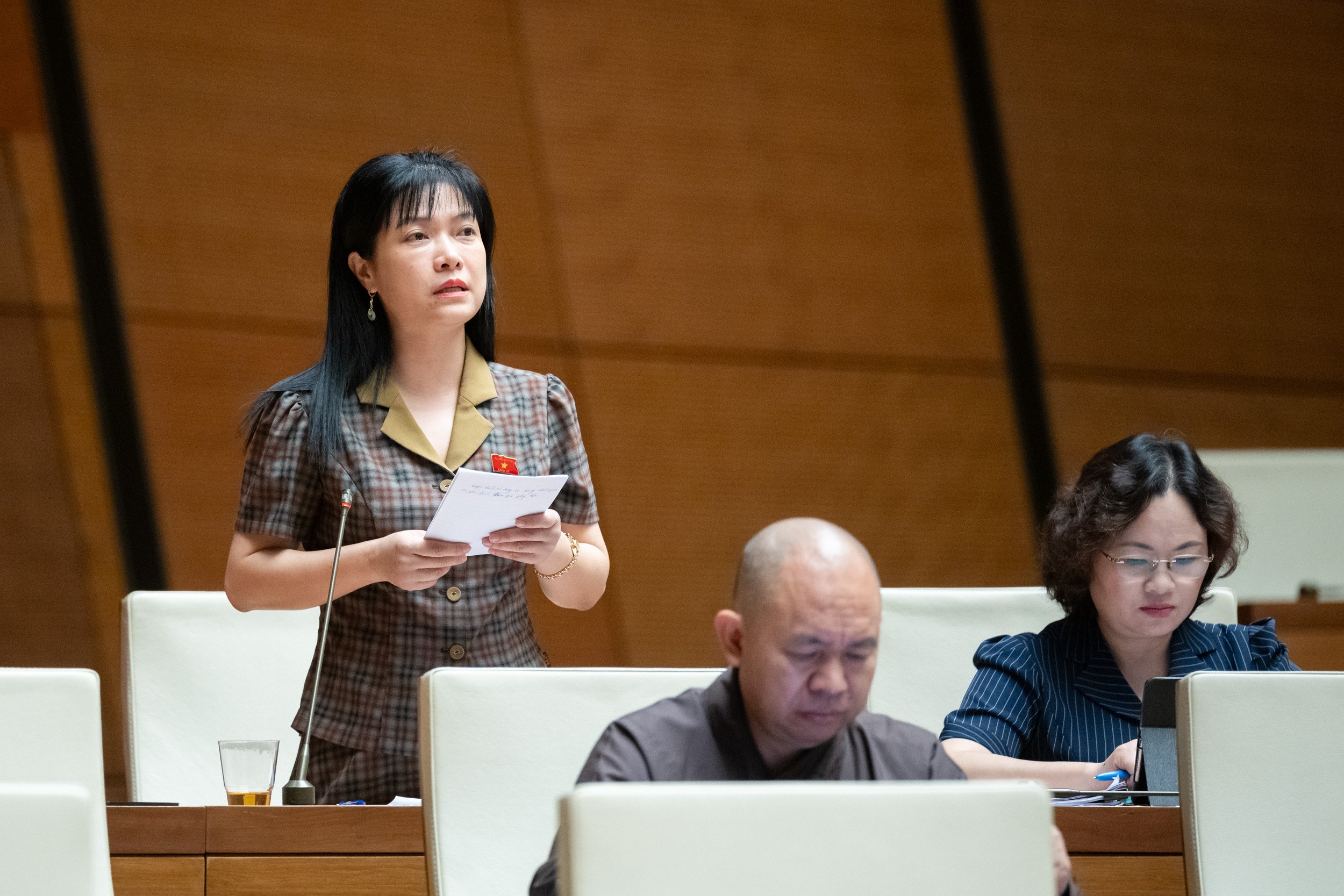
Delegate Ta Thi Yen (from Dien Bien province).
"I understand that the drafting committee introduced this regulation to prevent the use of contract vehicles as a cover for intercity passenger transport on fixed routes. However, this inadvertently restricts a popular form of passenger transport in many other countries, namely the ride-sharing model for contract vehicles with fewer than 10 seats through online ride-hailing platforms," Ms. Yen expressed her concern.
Representative Yen argued that, fundamentally, the ride-sharing model allows passengers with different routes but different pick-up and drop-off points to share a ride. Passengers benefit from lower fares, while drivers also increase their income due to the increased number of passengers per trip. Simultaneously, this model offers many social benefits, reducing traffic congestion and pollution.
Therefore, Representative Yen suggested that the drafting agency and the agency in charge of verification review and adjust Clause 10 of Article 56 in a way that both controls the situation of "illegal taxis and unauthorized bus stops" while still creating conditions for ride-sharing services with vehicles of less than 10 seats to operate.
Clarify the regulations regarding prohibited behaviors.
Regarding the prohibited acts in the draft Road Law, delegate Cam Thi Man (Thanh Hoa delegation) stated that Clause 3, Article 7 of the draft Law stipulates that the prohibited act is encroaching upon, using, or constructing illegally within the protected area of road infrastructure.
However, this regulation needs to exclude the cases stipulated in Clause 5, Article 32 of this draft Law, including cases of construction on roads currently in operation that do not require a permit. Therefore, we request that the drafting agency review this to ensure consistency between the regulations in the draft law; or revise Clause 3, Article 7.
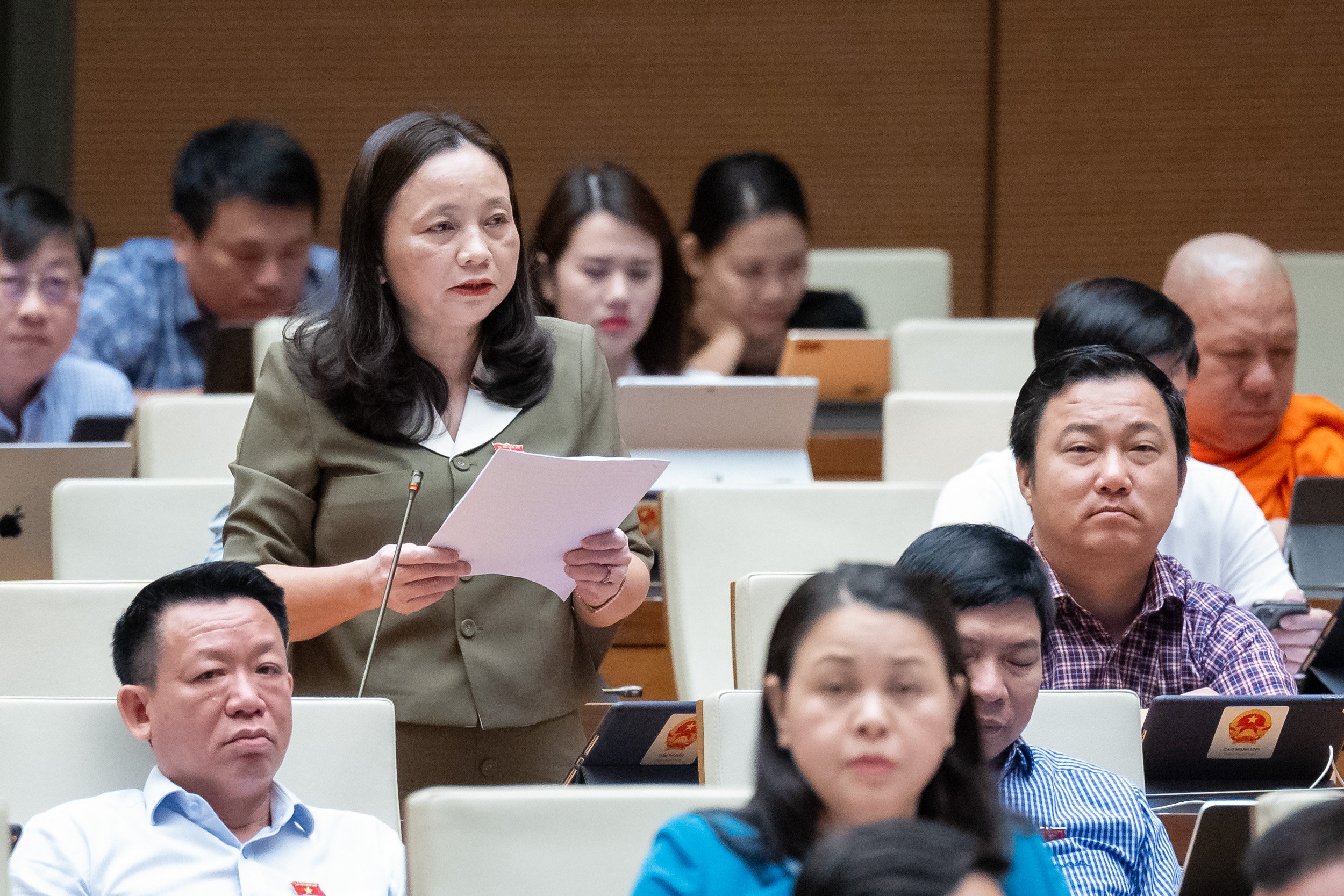
Delegate Cam Thi Man (Thanh Hoa delegation).
In addition, Ms. Man stated that Clause 3 of Article 7 only stipulates prohibited acts within the protected area of road infrastructure, while Clause 2 of Article 21 of the draft law stipulates that organizations and individuals, when constructing, renovating, expanding, maintaining works and carrying out other activities within the protected area of road infrastructure, must obtain permission as prescribed in Clause 2 of Article 32 of the draft law.
"Therefore, regarding the renovation, expansion of structures, and other activities that are not permitted within the protected area of road infrastructure, are these considered violations of the prohibitions? I request that the drafting committee research and clarify this to ensure that the regulations on prohibited acts are comprehensive and all-encompassing," Ms. Man said.
The representative from Thanh Hoa province also stated that, according to Clause 4, Article 5 of the Law on the Promulgation of Legal Normative Documents, one of the principles for drafting and promulgating legal normative documents is to ensure feasibility, accessibility, and ease of implementation.
However, delegates noted that some provisions in Clauses 1, 4, and 6 of this Article, which use the phrase "contrary to the provisions of the law," are unclear and too general.
Representative Mẫn argued that the term "legal regulations" is very broad, and limiting the definition of prohibited acts to only clauses 1, 4, and 6 to determine what constitutes "contrary to legal regulations" and is therefore considered a strictly prohibited act would create difficulties for citizens, agencies, organizations, and individuals in accessing and applying the provisions of the Law. Therefore, he requested that the drafting agency conduct further research to specify and clarify the aforementioned contents.
Source: https://www.baogiaothong.vn/truc-tiep-quoc-hoi-ngay-21-5-thao-luan-ve-du-an-luat-duong-bo-192240521085907025.htm

![[Photo] The Prime Ministers of Vietnam and Russia witness the signing ceremony on cooperation in building a nuclear power plant.](https://vphoto.vietnam.vn/thumb/1200x675/vietnam/resource/IMAGE/2026/03/23/1774278492322_vna-potal-hai-thu-tuong-viet-nam-va-nga-chung-kien-le-ky-ket-hiep-dinh-ve-hop-tac-xay-dung-nha-may-dien-hat-nhan-8658380-jpg.webp)



![[Photo] Young people of the Dong Thap Border Guard actively participate in "March Border Month" activities.](https://vphoto.vietnam.vn/thumb/1200x675/vietnam/resource/IMAGE/2026/03/23/1774248483508_ndo_tl_dt3-jpg.webp)















































































Comment (0)