

The Cold Food Festival (Tết Hàn Thực) is an important holiday that has long been a part of Vietnamese culture, but it is relatively unfamiliar to the younger generation. This article will help young people understand more about what the Cold Food Festival is, as well as its origins and significance to our country's religious culture. Check it out here!

A feast offered during the Cold Food Festival (Tết Hàn Thực). Photo: Internet
What is the Cold Food Festival? When is the Cold Food Festival in 2024?
The Cold Food Festival, also known colloquially as the Glutinous Rice Ball Festival, is a popular traditional festival in Northern Vietnam and among the Chinese community. During this time, families prepare glutinous rice balls and vegetarian cakes as offerings to their ancestors, in gratitude and remembrance of deceased relatives.
The Cold Food Festival takes place on the 3rd day of the 3rd lunar month every year. Therefore, in 2024, the Cold Food Festival will fall on April 11th, 2024 according to the Gregorian calendar (which is the 3rd day of the 3rd lunar month).
Is the Cold Food Festival the same as the Qingming Festival? Qingming Festival usually takes place from May 4th or 5th to May 21st or 22nd, sometimes coinciding with the Cold Food Festival, leading to confusion. In fact, the Cold Food Festival is not Qingming Festival; these are two separate holidays with different meanings. The Cold Food Festival (Tết Hàn Thực) takes place on the 3rd day of the 3rd lunar month every year, a day when descendants prepare glutinous rice balls and vegetarian cakes to offer to their ancestors. The Qingming Festival (Tết Thanh Minh), on the other hand, is an occasion for descendants to visit, clean, and tidy up the graves of their ancestors, but it doesn't have a fixed date and is determined based on the Gregorian calendar. | |
The origin and meaning of the Cold Food Festival
Besides learning what the Cold Food Festival is, you should also learn about its origins and meaning to better understand it!
The origin of the Cold Food Festival
The Cold Food Festival originated in China during the Spring and Autumn period (770-221 AD). At that time, Duke Wen of Jin, the king of the State of Jin, was in exile due to turmoil, sometimes in the State of Chu, sometimes in the State of Qi. Later, he met Jie Ci Thui, who wholeheartedly supported him, even secretly offering him his own flesh when food was scarce. Upon learning of this, the King of Jin was deeply grateful.
However, after regaining the throne, the King of Jin forgot about Jie Ci Thui's contributions, but Jie Ci Thui harbored no resentment and went into seclusion with his mother in Mount Dian. Later, the King of Jin sought out Jie Ci Thui to claim his reward, but Jie Ci Thui, disregarding fame and fortune, refused the king's offer.
In a fit of anger after being rejected, the King of Jin ordered the forest to be burned to force him to comply. However, Jie Citui and his mother resolutely chose to perish in the flames on the 3rd day of the 3rd lunar month. Upon learning of this, the King of Jin was filled with remorse. He ordered the construction of a shrine in their honor, decreeing that only cold, pre-cooked food should be eaten, and that the use of fire should be avoided for three days to express his grief and regret.
Since then, the 3rd day of the 3rd lunar month has been used to commemorate Giới Từ Thôi, but in Vietnam, this occasion is used to remember and honor ancestors and the origins of the nation.
The meaning of the Cold Food Festival
The Cold Food Festival (Tết Hàn Thực) originated in China, but when it was introduced to Vietnam, it took on a completely different meaning, bearing the distinct imprint of our nation:
To express their gratitude to their ancestors and national heritage, descendants gather together to cook glutinous rice dumplings and vegetarian cakes as offerings to the ancestral altar, showing filial piety and gratitude for their upbringing and nurturing.
Showcasing the fine traditions and cultural beauty from ancient times through the dishes offered to ancestors on this occasion, all are made from simple, traditional ingredients characteristic of our nation. For example, glutinous rice balls or vegetarian cakes are both made from rice, the staple food that has sustained generations of Vietnamese people.
Furthermore, the Cold Food Festival is an occasion for people to express their religious beliefs, praying for a year of favorable weather, abundant harvests, and a prosperous and happy life.

The Cold Food Festival originated in China, and after being introduced to Vietnam, it has become a day of gratitude to ancestors and roots, deeply rooted in Vietnamese identity.
The significance of glutinous rice balls and vegetarian cakes during the Cold Food Festival that you should know.
Glutinous rice balls (bánh trôi) and vegetarian rice cakes (bánh chay) are indispensable dishes on the ancestral altar during the Cold Food Festival (Tết Hàn Thực), and are considered symbols of this holiday. However, many people still don't know the true meaning of glutinous rice balls and vegetarian rice cakes during the Cold Food Festival. Below is an explanation of their significance:
Preserving national traditions: The ancestors of the Vietnamese people created glutinous rice balls (bánh trôi) and vegetarian cakes (bánh chay) for the Cold Food Festival (Tết Hàn Thực), symbolizing cold dishes. The appearance of glutinous rice balls and vegetarian cakes on the offering trays through generations has become a connecting thread, deeply ingrained in the Vietnamese consciousness, becoming a beautiful cultural aspect of our people.
Paying homage to ancestors and national origins: The round, white wrappers of glutinous rice balls and vegetarian cakes neatly encapsulate the filling inside, each cake embodying deep gratitude and respect for ancestors and deceased forefathers. Furthermore, the image of families and descendants meticulously wrapping each cake symbolizes a harmonious family bond, worthy of the sacrifices made by their forefathers for independence.
Wishing for favorable weather: The round shape of glutinous rice dumplings evokes the proverb "A round mother, a square child," while the vegetarian dumplings, with their white outer layer representing the feminine principle and the mung bean filling representing the masculine principle, symbolize the harmony of yin and yang, wishing for favorable weather and a bountiful harvest.

Sticky rice dumplings and vegetarian cakes are indispensable cultural symbols during the Cold Food Festival, signifying respect for ancestors and a wish for good fortune.
What offerings should be made on the Cold Food Festival?
A ceremonial offering presented to ancestors on the Cold Food Festival (Tết Hàn Thực) typically includes dishes such as:
Sticky rice balls and vegetarian rice cakes: When offering sticky rice balls and vegetarian rice cakes, you need to ensure the quantity is 3 or 5 bowls of vegetarian rice cakes and 3 or 5 bowls of sticky rice balls for the most ideal number.
Fresh flowers and betel nuts: When arranging the offerings, prepare flowers that symbolize good fortune, such as money flowers, white lilies, etc., and people often choose chrysanthemums to represent a wish for wealth and good luck. As for the betel nuts, choose fresh ones and arrange them in odd numbers, 3 or 5 plates.
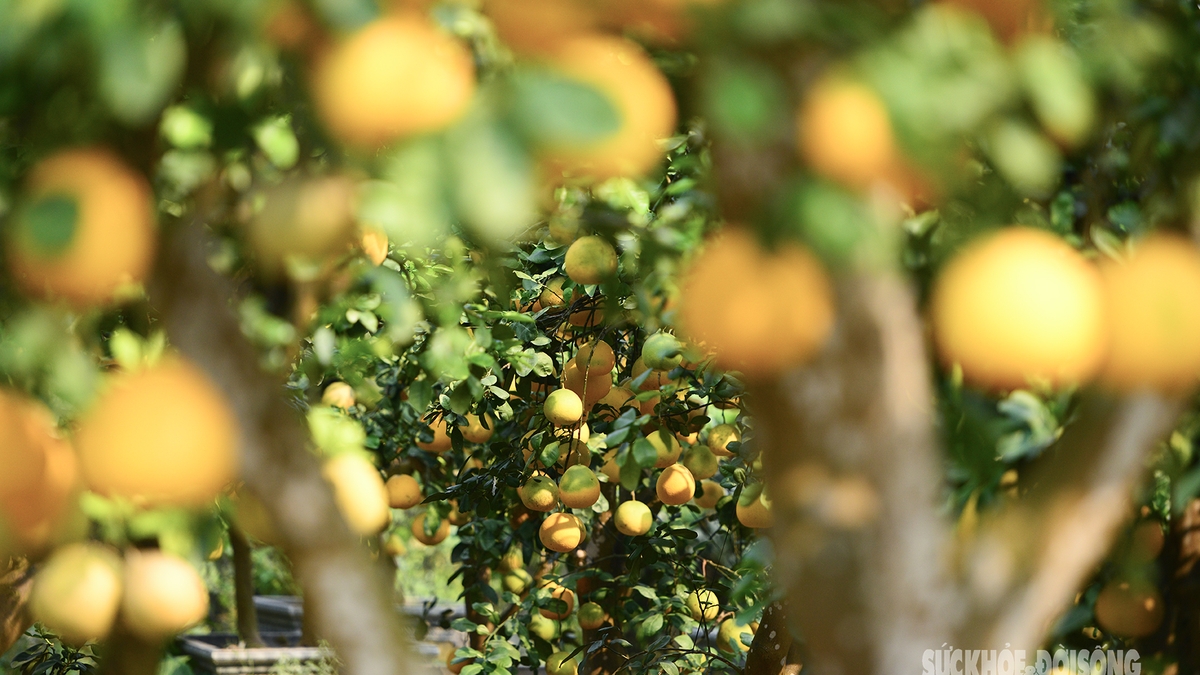
Five-fruit offering: You can choose the fruits according to your family's preferences, but ensure there are five different types of fruit. Additionally, to wish for more good fortune, the homeowner can choose five types of fruit whose colors symbolize the five elements, such as yellow fruit representing the Metal element, red fruit representing the Fire element, etc.
Clean water: Symbolizes purity, implying the family's sincere respect for their ancestors.
In addition, the homeowner needs to prepare items such as incense, candles, or boiled chicken, tea, sticky rice, wine, etc. (depending on the family's circumstances and needs).
Things you shouldn't do during the Cold Food Festival
Besides preparing a proper offering for the Cold Food Festival, you should also avoid doing certain things to prevent bad luck:
It is not advisable to move house or residence: According to folk beliefs, the spirits of deceased loved ones are always watching over and staying with the family. Therefore, it is believed that moving house or changing residence during this time will affect one's luck and cause work to not go smoothly.
Avoid offering glutinous rice balls or five-colored vegetarian cakes: Offering glutinous rice balls or five-colored vegetarian cakes is not recommended, as it disrupts traditional customs.
Limit extravagant feasts: The Cold Food Festival is an occasion to remember the deceased, so the feast doesn't need to be elaborate or luxurious. A basic, simple feast that reflects the sincere respect of descendants offered to their ancestors is sufficient.
It is not advisable to offer fruits with thorns or a bitter taste: This symbolizes the wish for family harmony and freedom from future suffering for the family.
Avoid offering flowers with negative meanings: Homeowners should not offer flowers such as lilies, frangipani, marigolds, etc., to minimize negative influences and pray for good fortune.
Limit your salt intake: Many people believe that on this day, one should refrain from killing animals in order to express respect and accumulate merit for the deceased with a pure heart.
Avoid saying unpleasant things and behaving inappropriately: Around this time, the spirits of deceased loved ones return home to their families, so to show respect and reverence, you need to speak appropriately, avoid harsh words, and refrain from saying anything inauspicious.
In summary, this article has provided information to help you answer the question of what the Cold Food Festival is, along with related knowledge to practice it correctly according to tradition. We wish you a warm and joyful Cold Food Festival with your family.
PhD
Source
























































Comment (0)