

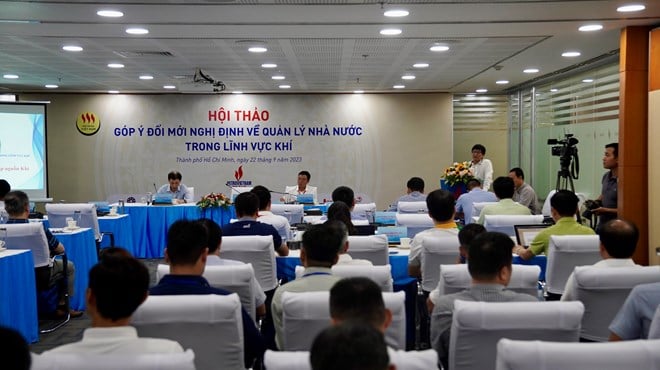
On September 22nd, in Ho Chi Minh City, the Vietnam Gas Association, in collaboration with the Vietnam Gas Corporation, organized a workshop titled "Contributing ideas for reforming the Decree on State management in the gas sector".
The workshop focused on four main areas: resource management; circulation and distribution management; direct consumption management; and price management.
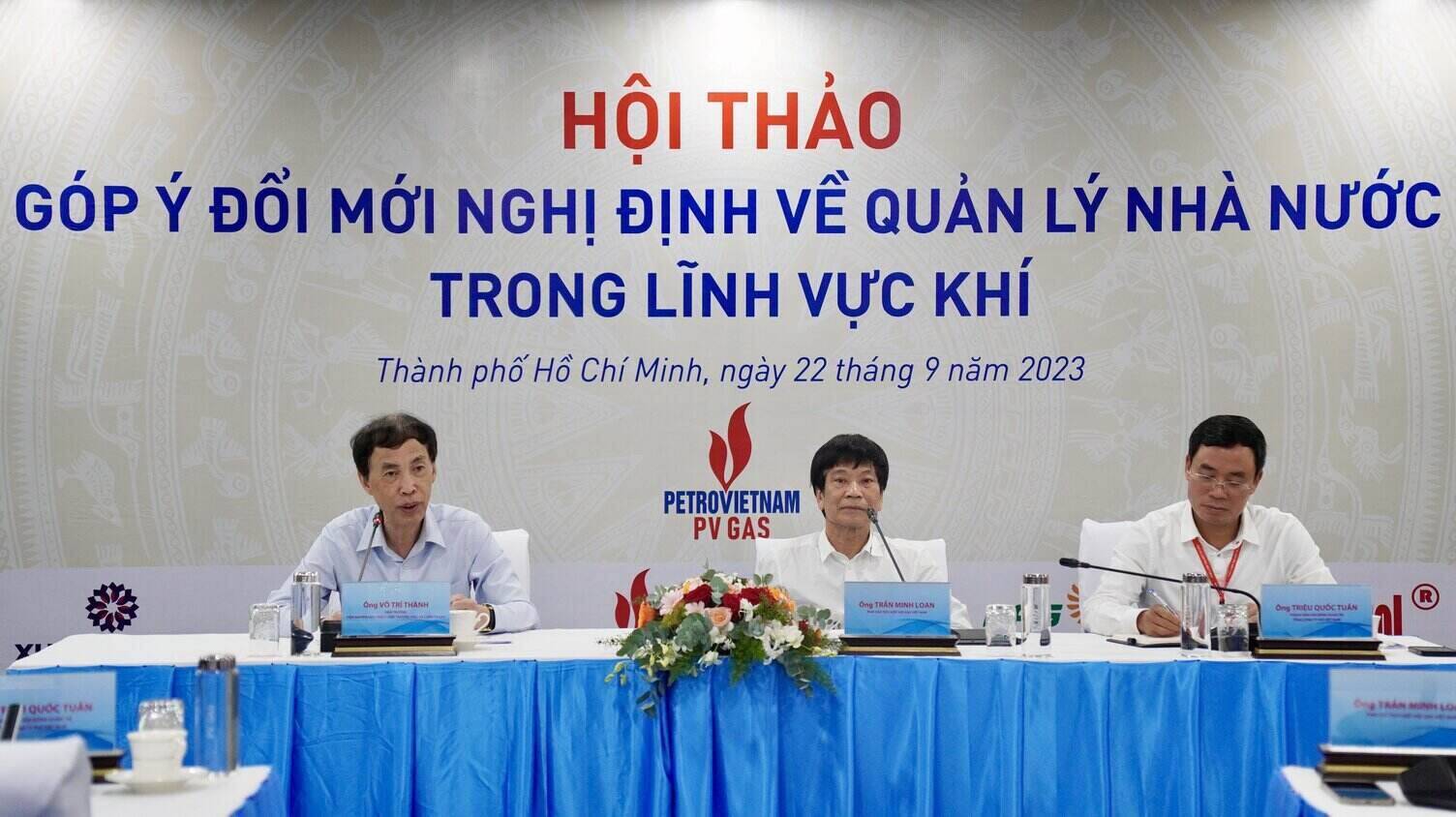
At the workshop, businesses contributed many important opinions to the draft Decree replacing Government Decree 87/2018/ND-CP (Decree 87) on gas business.
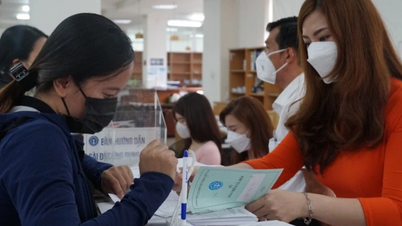
Signing a gas supply contract.
Commenting on the draft, Mr. Hosokoji Yu - Chairman of Binh Minh Gas Retail Company and General Director of Sopet Gasone Co., Ltd., stated that in Vietnam, there are currently no specific regulations regarding the necessary clauses in gas supply contracts for customers.
This is also a major reason why consumers unknowingly use illegally refilled gas cylinders that do not meet safety standards, leading to a high risk of fire and explosion in their homes.
Therefore, Mr. Hosokoji Yu believes that signing a gas supply contract between the supplier and the consumer is necessary.
"Specific regulations regarding the content of gas supply contracts are needed. This will clearly define the responsibilities of gas suppliers and consumers, and raise awareness of safe gas usage," said Mr. Hosokoji Yu.
In addition, mandatory security measures must be implemented when supplying gas to consumers. This will help limit the transportation of hazardous goods on the road. It will also prevent individuals lacking safety knowledge from transporting and installing gas for customers.
Standards for gas trading businesses need to be raised.
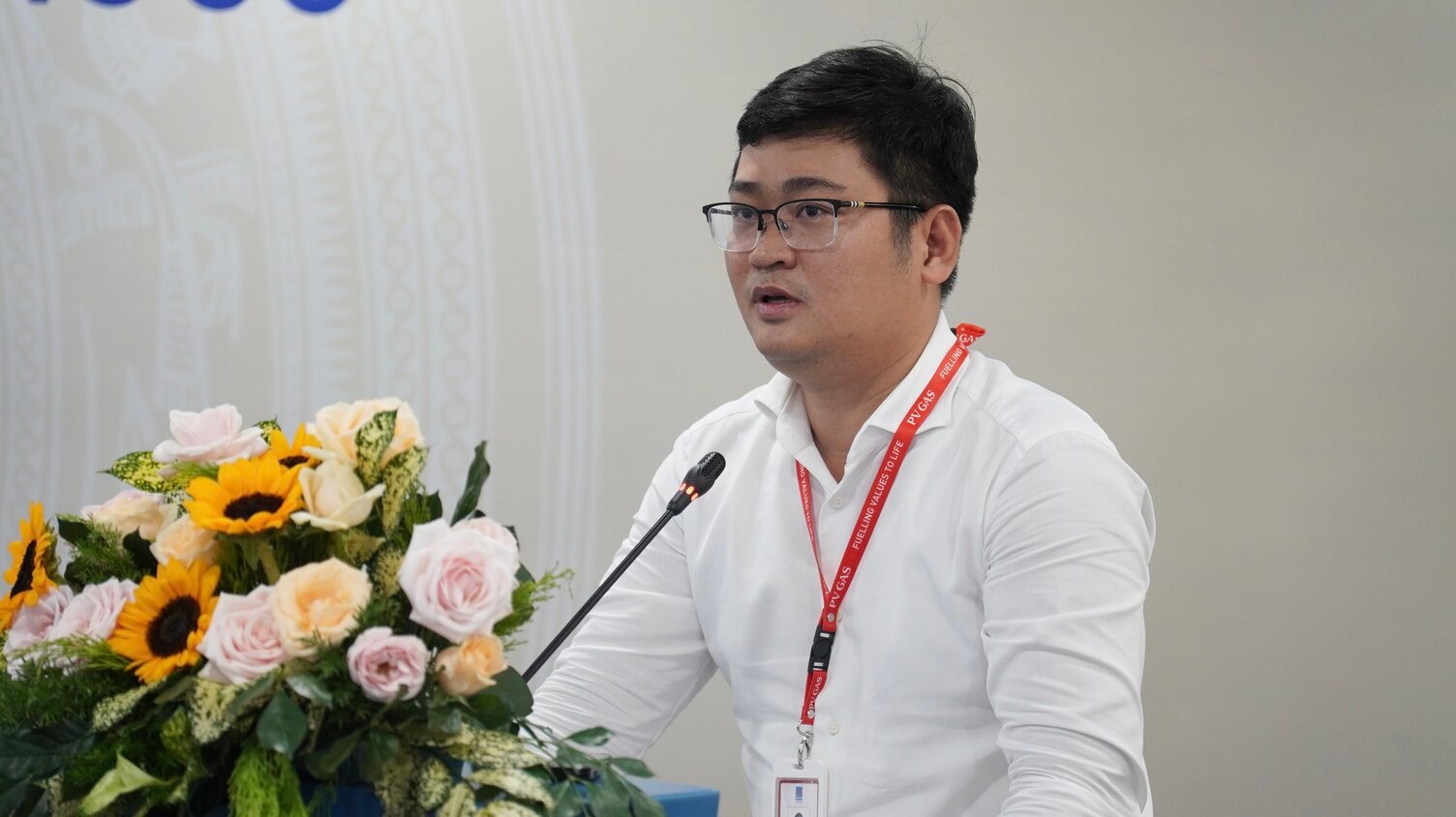
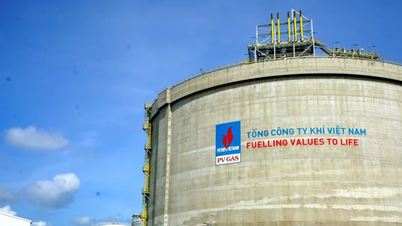
Mr. Tran Anh Khoa - Head of the Sources and Market Development Department of Vietnam Gas Corporation (PV GAS) - believes that the draft Decree replacing Decree 87 on gas business contains some inappropriate regulations that cause imbalances in supply for businesses, leading to unfair competition.
Specifically, according to the draft, many LPG (liquefied petroleum gas) traders would qualify to become LPG import and export traders. However, these LPG import and export traders do not clearly demonstrate their role as key players in the LPG distribution chain.
"When too many traders are involved in importing and distributing LPG to the market, it can easily lead to problems such as imbalances in supply, abnormal price increases/decreases, market disruption, and unhealthy competition," Mr. Khoa said.
According to him, when LPG prices fluctuate in a negative direction (prices decrease), some traders will stop importing goods, causing shortages.
Conversely, when prices rise, traders will increase imports, leading to oversupply, especially for small-scale import-export traders without long-term LPG import contracts, making it very difficult to maintain a balance of import and export goods.
However, a unique characteristic of the LPG market is that selling prices are adjusted monthly, and the State does not intervene in the selling prices of traders. Therefore, when world LPG prices tend to fall sharply, there will be a sell-off and loss-cutting, and vice versa.
Therefore, Mr. Khoa proposed that the Ministry of Industry and Trade should have regulations on the minimum capacity for LPG and LNG (liquefied natural gas) storage tanks. LPG import and export traders must directly participate in the business of selling bottled LPG, meaning they must own LPG cylinders, their own brand, and have a distribution system.
According to Mr. Tran Minh Loan, Vice President of the Vietnam Gas Association, the Decree on State management in the business sector needs more specific regulations that are more in line with reality.
"The regulations must ensure that businesses can compete fairly; and that consumers can use services safely and effectively..." - Mr. Loan said.
Source


![[Photo] Two flights successfully landed and took off at Long Thanh Airport.](/_next/image?url=https%3A%2F%2Fvphoto.vietnam.vn%2Fthumb%2F1200x675%2Fvietnam%2Fresource%2FIMAGE%2F2025%2F12%2F15%2F1765808718882_ndo_br_img-8897-resize-5807-jpg.webp&w=3840&q=75)













































































Comment (0)