

Ask:
During my routine health checkup, my blood potassium level was found to be greater than 5 mmol/l. Is this something to worry about, doctor?
Hoai Tran ( Hanoi )
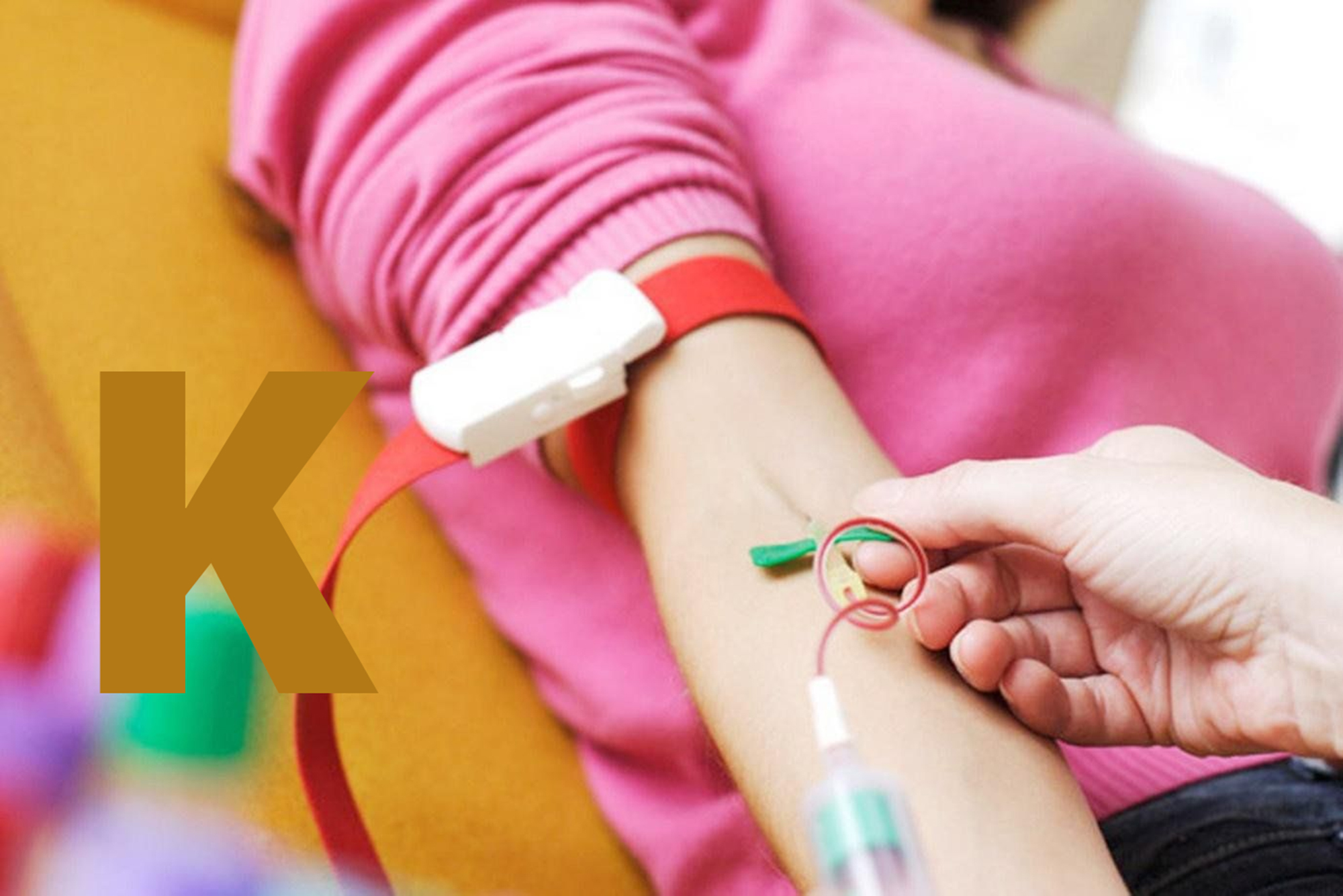
Illustrative image.
Dr. Nguyen Thi Huong, MD, PhD, Center for Nephrology and Dialysis, Bach Mai Hospital, answers:
Hyperkalemia is a condition where the potassium level in the blood exceeds 5 mmol/l (while the normal value is 3.5 - 4.5 mmol/l). This is a common disorder in patients with chronic kidney disease and, if not detected and treated promptly, can be life-threatening.
When blood potassium levels are too high, it directly affects heart function, potentially causing arrhythmias and, in severe cases, leading to cardiac arrest.
Symptoms of hyperkalemia are not always obvious and can be very vague. Patients often experience fatigue, paresthesia, palpitations, numbness, or muscle weakness. These symptoms are nonspecific, so accurate diagnosis relies primarily on blood electrolyte tests.
Additionally, if hyperkalemia is suspected, an electrocardiogram (ECG) should be performed, as changes in the ECG can reflect the potassium status in the blood, although these changes are sometimes disproportionate to the actual potassium levels.
When hyperkalemia is detected, the first step is to monitor the electrocardiogram (ECG). If changes occur, the patient needs to be hospitalized immediately. Depending on the severity of hyperkalemia and the patient's condition, medical treatment may be used to lower potassium levels; in severe cases, emergency hemodialysis may be necessary to control the condition.
Hyperkalemia is primarily caused by two main groups of factors: firstly, excessive potassium intake; secondly, the kidneys' inability to effectively excrete potassium; and thirdly, the massive release of potassium from cells (for example, muscle breakdown).
In patients with kidney failure (acute or chronic), the kidneys' ability to excrete potassium is impaired, causing potassium to accumulate in the blood. Therefore, patients with chronic kidney failure need to pay special attention to their diet. Foods rich in potassium such as bananas, oranges, grapefruits, dried fruits, dark green leafy vegetables, or high-energy milk can all increase potassium levels in the body.
In addition, some medications such as ACE inhibitors, receptor blockers, potassium-sparing diuretics, beta-blockers, Bactrim, and even some traditional herbal remedies can cause hyperkalemia if not used correctly.
Source: https://www.baogiaothong.vn/tang-kali-mau-nguy-hiem-the-nao-192250320233621278.htm


![[Image] Vietnam's colorful journey of innovation](/_next/image?url=https%3A%2F%2Fvphoto.vietnam.vn%2Fthumb%2F1200x675%2Fvietnam%2Fresource%2FIMAGE%2F2025%2F12%2F14%2F1765703036409_image-1.jpeg&w=3840&q=75)


































































![[Image] Vietnam's colorful journey of innovation](https://vphoto.vietnam.vn/thumb/402x226/vietnam/resource/IMAGE/2025/12/14/1765703036409_image-1.jpeg)































Comment (0)