

Control your appetite.
One of the obvious consequences of eating quickly is weight gain. Ushakiran Sisodia, Head of the Food and Dietetics Department at Nanavati Max Hospital (India), explains that when eating quickly, the body doesn't have enough time to register the feeling of fullness, and the amount of calories consumed increases.

Eating slowly helps control appetite.
Many overweight patients report not feeling full. A large proportion of them have a habit of eating quickly, according to The Indian Express .
According to Jimmy Pathak, a consultant endocrinologist at Nanavati Max Hospital (India), eating slowly helps control appetite.
Good for the digestive system.
People who eat quickly often don't chew thoroughly. Therefore, digestive enzymes can't break down food properly. According to Ushakiran Sisodia, this incomplete digestion can cause bloating, constipation, and other gut health problems.
When food is chewed thoroughly, digestive enzymes work more efficiently. The body absorbs nutrients better and experiences fewer digestive problems.
Reduce the risk of developing diabetes.
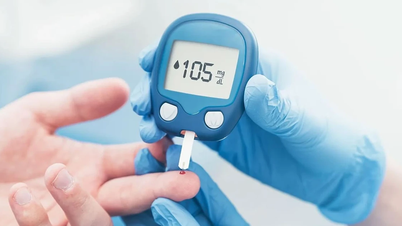
According to Ms. Pathak, eating quickly causes fluctuations in post-meal glucose levels, increasing the risk of diabetes and cardiovascular disease.
When you eat slowly, the amount of sugar released is more steady, helping to control blood sugar levels.
However, eating too slowly can cause you to swallow a lot of air, leading to bloating.
The speed of eating also depends on the type of food consumed and the specific health condition of each individual.
As a general rule, food should be chewed properly to ensure that digestive juices mix well, facilitating the body's absorption of nutrients.
The key to reaping numerous health benefits is eating in moderation. No matter how busy you are, you must make time for your meals.
Source link



![[Image] 500 regional dishes introduced to the people of Ho Chi Minh City and tourists.](https://vphoto.vietnam.vn/thumb/1200x675/vietnam/resource/IMAGE/2026/03/27/1774576163392_001-jpg.webp)







































































































Comment (0)