

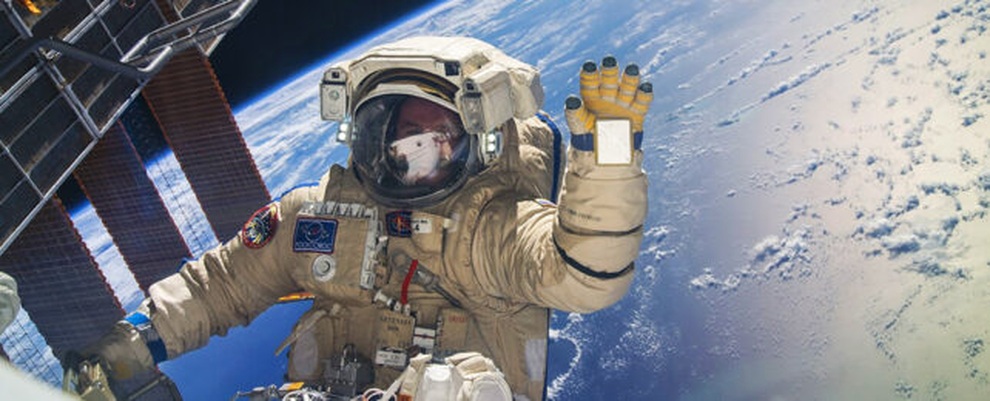
On June 25th, NASA announced that SpaceX, the company owned by tech billionaire Elon Musk, had been awarded an $843 million contract to design and manufacture the US Deorbit Vehicle spacecraft for a special mission.
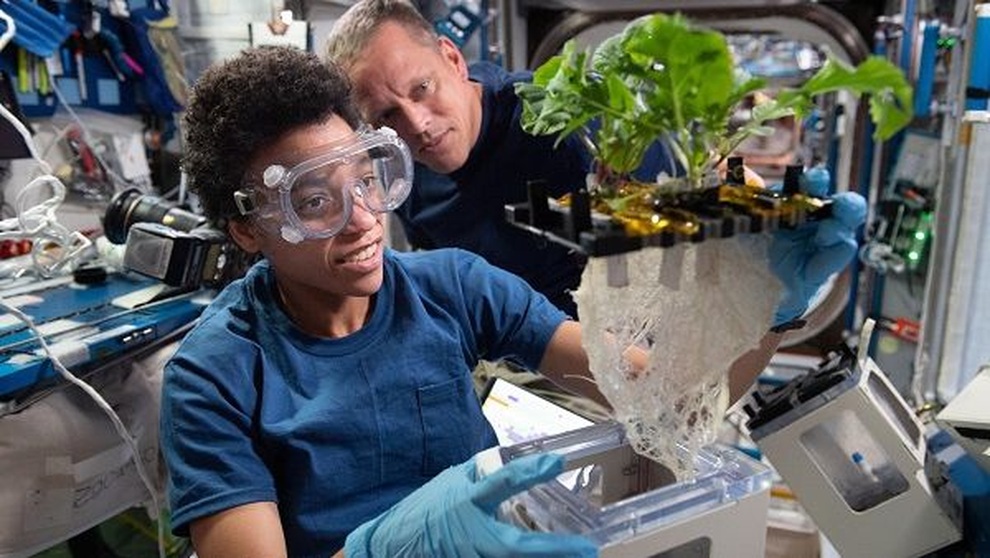
Once SpaceX completes production, the spacecraft will be handed over to NASA for the agency to oversee all of its operations.
The ISS weighs 430,000 kg and is the largest single structure ever built in space.
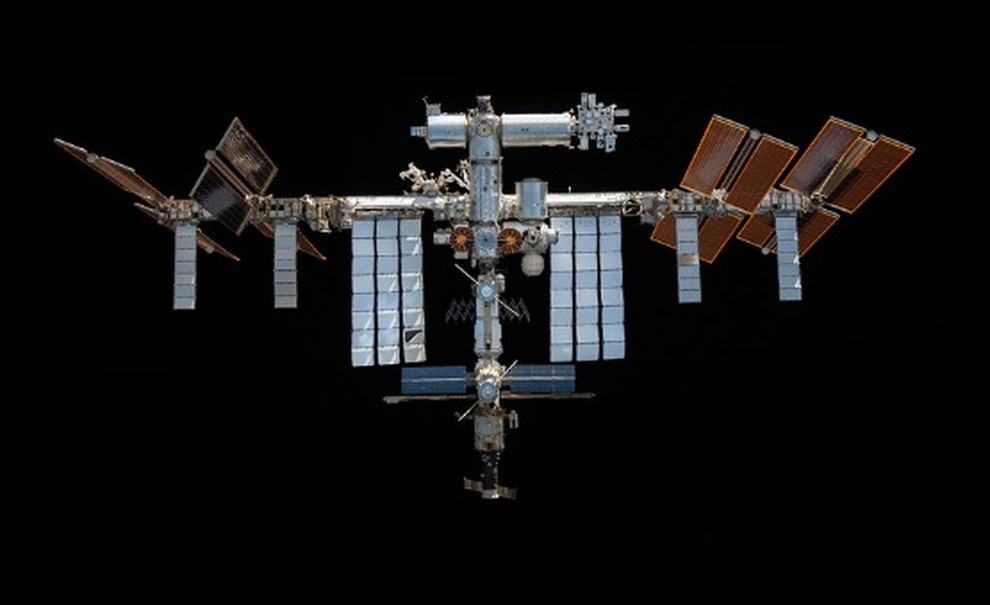
This image of the ISS was taken in 2021 by the SpaceX Dragon Endeavour spacecraft. (Photo: NASA).
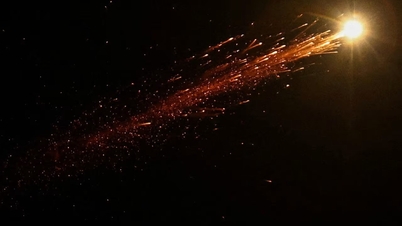
Based on previous assessments of space stations such as Mir and Skylab, NASA predicts the ISS will break apart in three stages.
First, the massive solar panels and heat sinks will shut off, then the individual modules will detach from the station's backbone structure. Finally, the backbone and modules will disintegrate.
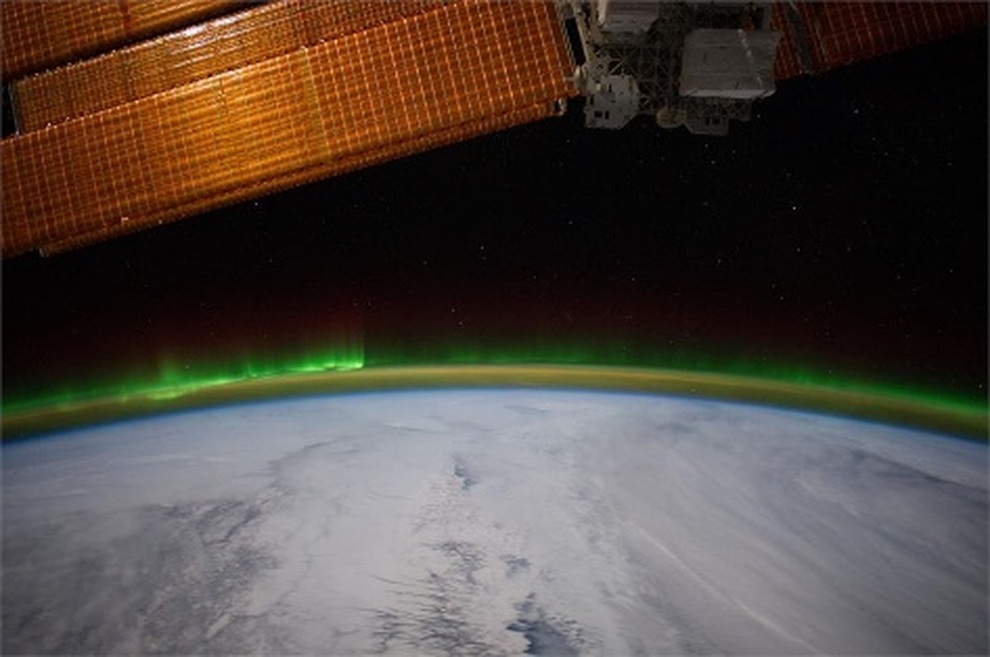
Most parts will evaporate, except for the larger pieces. Therefore, NASA plans to target Point Nemo in the Pacific Ocean for these pieces to fall to, as this location is one of the most remote places in the world and is known as a graveyard of satellites and spacecraft.
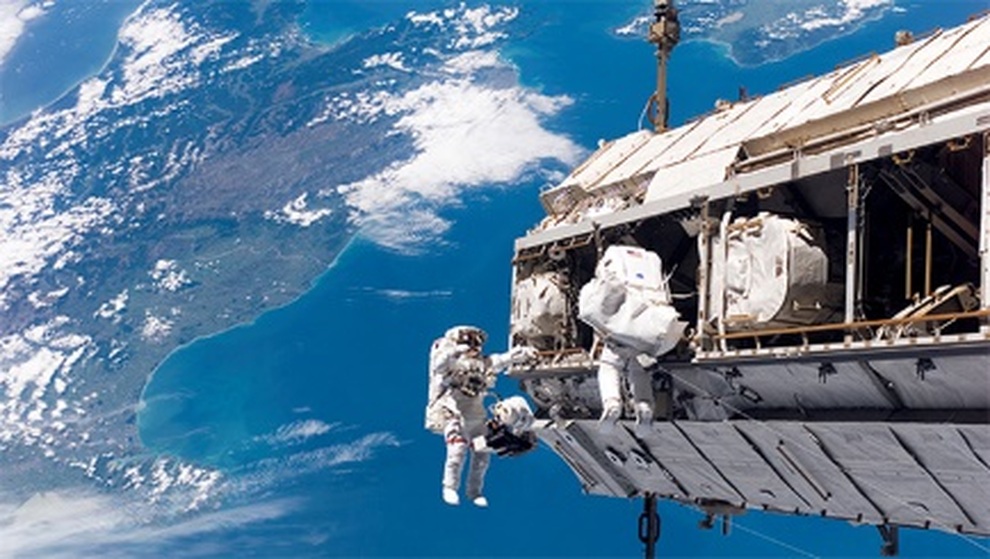
The first component of the ISS was launched into space in 1998, and since 2001, it has been home to a crew of astronauts who live and work there.
The US, Japan, Canada, and member states of the European Space Agency (ESA) have committed to operating the ISS's microgravity laboratory by 2030, while Russia has only committed to operating it until 2028.
Several companies are conducting research to develop the next commercial devices to replace the ISS, most notably Axiom Space and Jeff Bezos' Blue Origin.
Source: https://dantri.com.vn/khoa-hoc-cong-nghe/spacex-se-pha-huy-tram-vu-tru-quoc-te-20240629020702242.htm
![[Photo] General Secretary and President visit the China-ASEAN AI Application Cooperation Center](https://vphoto.vietnam.vn/thumb/1200x675/vietnam/resource/IMAGE/2026/04/17/1776404277677_vna-potal-tong-bi-thu-chu-tich-nuoc-tham-trung-tam-hop-tac-ung-dung-ai-trung-quoc-asean-8706616-2286-jpg.webp)



















![[Photo] National Assembly Chairman Tran Thanh Man attends the policy seminar to promote Vietnam-Türkiye cooperation.](https://vphoto.vietnam.vn/thumb/1200x675/vietnam/resource/IMAGE/2026/04/16/1776351415367_vna-potal-chu-tich-quoc-hoi-tran-thanh-man-du-toa-dam-chinh-sach-thuc-day-hop-tac-viet-nam-tho-nhi-ky-8705791-jpg.webp)













































Comment (0)