

Written from the moment of "Suddenly noticing the scent of guava...", the poem "Entering Autumn" is also a moment of sublimation of Huu Thinh's emotions and experiences.
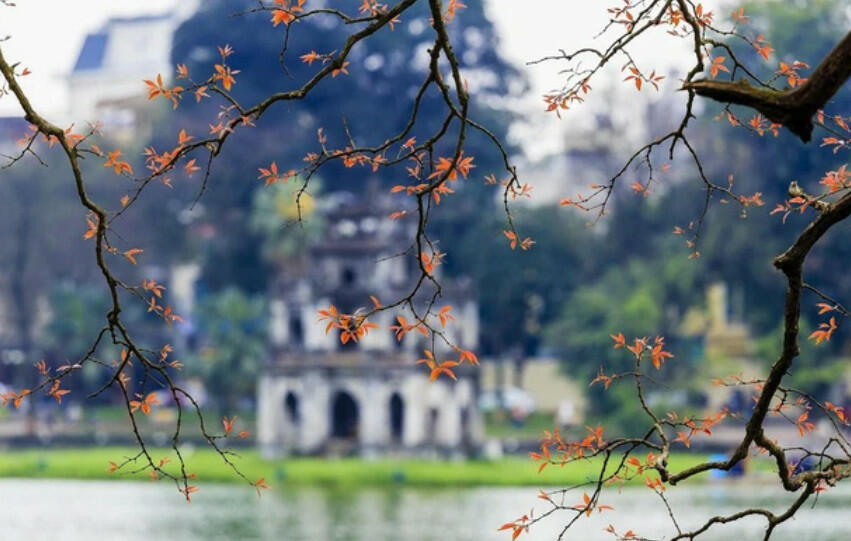
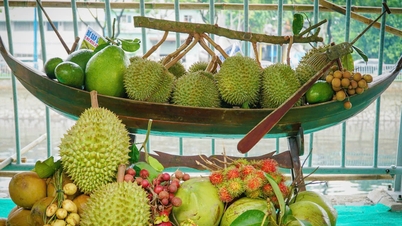
The cool autumn breeze also carries a subtle fragrance... (Illustrative image from the Internet).
Suddenly I noticed the scent of guava.
Blown in the cool breeze
Mist lingers through the alley.
It seems autumn has arrived.
The river flows gently at times.
The birds began to hurry.
There are summer clouds.
Half of my body is stretching into autumn.
How much sunshine is left?
The rain has gradually subsided.
The thunder was also less surprising.
On the old trees.
Autumn 1977
Huu Thinh
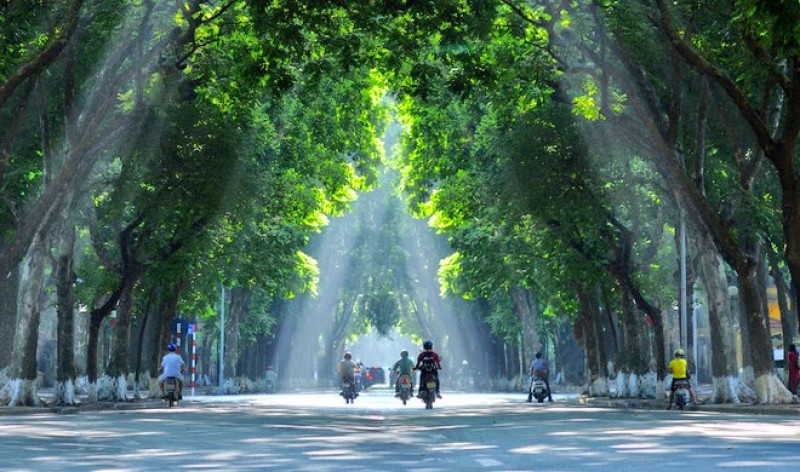
"It seems autumn has arrived." (Image for illustration purposes only, from the Internet).
Naturally expressing sensitivity to nature and the times, the poem remains fresh, beautiful, and evocative even after decades. The author recreates the transitional moment between seasons, the arrival of autumn, with delicate, fresh, and emotionally resonant strokes through characteristic signs: the scent of guava, the cool breeze, and the autumn mist. The first sign is the sweet, gently spreading scent of guava, subtly evoking nostalgia. The cool autumn breeze also imbues the air with its fragrance. Then the autumn mist lingers, vaguely drifting over the village. All these subtle, fragile signs appear simultaneously, suddenly, without warning. The lyrical subject is astonished to receive the news of autumn: "It seems autumn has arrived." "It seems" is a feeling of seeing, touching, and recognizing it immediately, yet so unexpected that one dares not believe it. Not daring to believe it completely, simply because of the overwhelming love!
In that joyful mood, the lyrical subject is engrossed in observing the scenery: “The river flows leisurely / Birds begin to hurry / A summer cloud / Stretches half its body into autumn.” Having experienced this initial state of awareness, the poet retains his passion and sensitivity to continue enjoying the poetic beauty of the approaching autumn moment. The vast, open space encompasses the river, the birds, the sky… The autumn river flows gently, peacefully, and wistfully. The birds begin to show an awareness of the urgency of time. And there, the cloud, like a magical bridge, spans the moment of seasonal transition. The rich, invisible movements of creation and the fragile nature of time, through Huu Thinh's verse, suddenly take shape, transforming the space into a poetic dream.
The poet perceives the fragility of autumn in its scents, its breezes, in the myriad signs of autumn throughout the villages and the land... and also senses the rhythm of autumn in the sunshine, the rain, and the sounds of the universe: "There is still so much sunshine / The rain has gradually lessened / The thunder is less surprising / Above the old trees."
The sun has faded, the summer rains have subsided, the amount and force of the rain have decreased, and the thunder has become more familiar and gentler. The inanimate creatures' perception of thunder is also revealed in a skillful and impressive way. The most subtle and delicate changes in nature are captured. Huu Thinh not only observes and feels but also harmonizes with the changing seasons. Only by understanding and fully living with the nature of his homeland, and preserving the innocent memories of his village, can one create such masterful and emotionally resonant poems about nature!

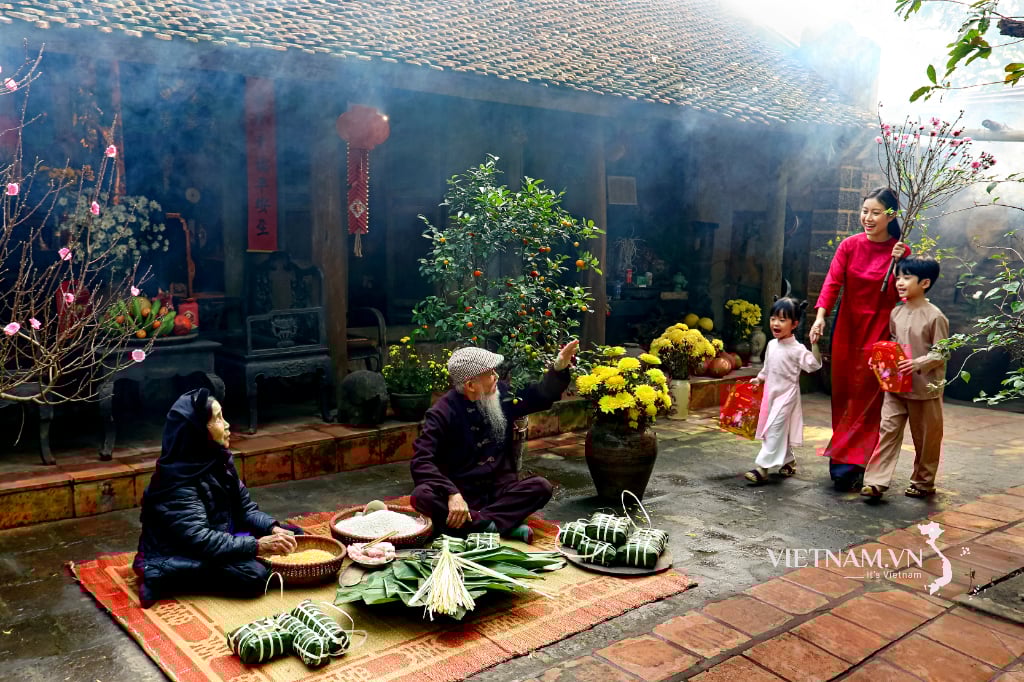
The guava scent of the changing seasons becomes the magical fragrance of life's transition. (Illustrative image from the Internet).
However, "Entering Autumn" is not only a remarkable poem about the changing seasons, but also an outstanding poem about the transition between times, conveying profound reflections and anxieties about humanity and life. The guava scent of the changing seasons becomes the magical scent of life in transition. The nuances in the signs of autumn, in the subtle changes of nature, all carry human emotions.
The multifaceted transformations of nature appear as reflections of a life full of upheavals. The transition from nature to autumn is correlated with the early autumn of human life. This association evokes broader reflections on the post-war nation, on the enduring nature of life... Is it the scent of guava, the cool breeze, or the sigh of someone who has just passed their youth? The word "lingering" suggests tranquility, while "taking the time" resembles an attitude of enjoying peace? In the "hasty" flight of the bird, there is a hint of foreboding, a premonition of something urgent. Or does the bird suggest something else? What do the clouds say about lingering steps? And the sun "still remains," the rain "gradually diminishes"—does this mean that passion and enthusiasm remain, but haste and impulsiveness have diminished? Is it replaced by the calmness, serenity, and maturity of humanity in the face of life?
Everyone's life goes through different phases, and perhaps everyone experiences those emotional ups and downs sooner or later. The image of "aged trees" evokes the image of humanity, while the sound of thunder suggests the upheavals/changes in life. Speaking of change, one thinks of war, because "Entering Autumn" was written at a time when the fierce war had just ended and a peaceful period was just beginning (autumn 1977)...
Just as the transitional moments of nature are full of changes, so too is the transitional period of human life. The associations evoked by the poem "Entering Autumn" are like waves, constantly surging and intertwining, with ripples spreading further and further. It can be affirmed that it is precisely because it touches upon the typical, universal emotions of the human condition that "Entering Autumn" possesses such vitality!
Nguyen Thanh Truyen
Source



































































































Comment (0)