


The readings in the new English textbook curriculum mention feminism, an issue related to social justice.
Social issues such as poverty, climate change, gender equality, and high-quality education have been included in the United Nations' 2030 Agenda since 2015 as sustainable development goals. In Vietnam, promoting social justice is also one of the key objectives that the government is aiming for.
Although social issues have been studied and included in textbooks in many countries around the world , they have received little attention in the new general education curriculum in Vietnam. This is clearly evident in English, a subject expected to act as a "bridge" between Vietnam and the world.
It accounts for a "relatively small" proportion in some textbooks.
Currently, high schools can choose one of nine English textbooks to teach in the new curriculum, including three representative textbooks: Global Success (Vietnam Education Publishing House), Bright ( Hue University Publishing House), and C21-Smart (Vietnam National University Ho Chi Minh City Publishing House). These are also the three textbooks that the author group researched and evaluated.
According to the survey, the coverage of social justice issues in the readings accounts for a relatively small proportion, averaging 21% of the total reading text in the three textbooks studied. Specifically, it was 32% for the English 10 Global Success textbook, 24% for the English 10 Bright textbook, and 5% for the English 10 C21-Smart textbook.
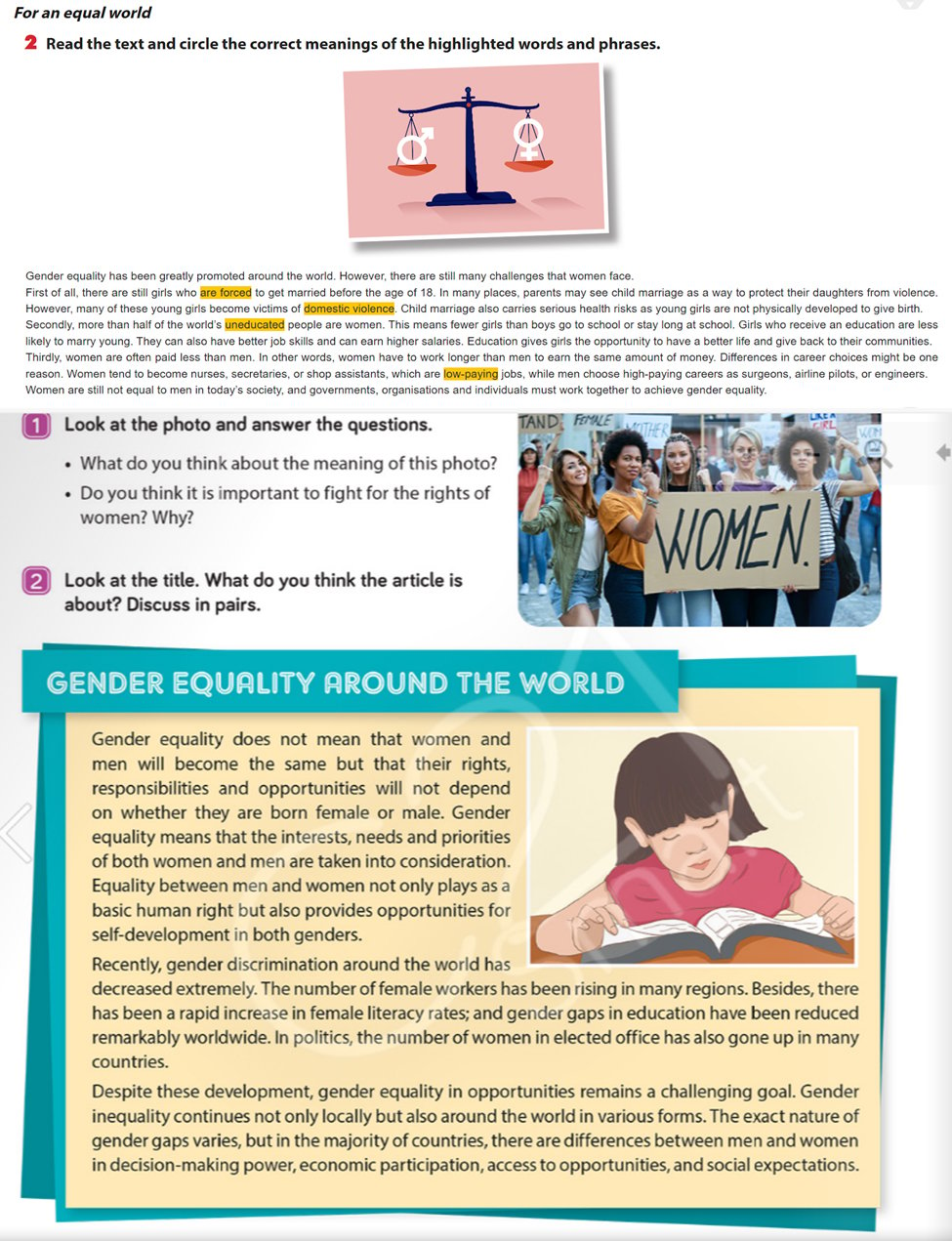
Social justice topics such as gender equality appear in the new curriculum textbooks, but not with a high frequency.
Furthermore, the frequency of topics appearing varies across the books. For example, the number of topics on social justice in the English 10 Global Success and Bright books is double that in the English 10 C21-Smart book. The topics covered mainly relate to gender equality between men and women, focusing on aspects such as a safe living environment, income, employment opportunities, and access to education. In addition, all three books primarily focus on adult women and men, followed by children and people with disabilities.
It is evident that textbooks have been reformed with the aim of preparing students for the challenges of the 21st century. However, the issues covered in the textbooks are insufficient to provide students with an up-to-date and comprehensive understanding of the current global situation. Specifically, issues such as LGBTQ+ rights, cybercrime, domestic violence, trafficking of women, and child abuse are completely absent.
What are social justice issues?
When discussing social justice, people often think of common topics such as gender inequality, racial discrimination, or voting rights. However, this issue extends to many other aspects, including access to healthcare, social security, and safe living environments; inequality in quality education and access to knowledge; equal opportunities in employment; and inequality in income and wealth, and opportunities to participate in the political system.
In Vietnam, the topics receiving significant attention include gender equality, LGBTQ+ rights, ethnic minorities, environment and sustainability, housing, labor and employment, education, and health.
Teachers want to incorporate social justice into their teaching.
Integrating educational equity themes into teaching is not a new trend in education worldwide, but it remains a relatively unfamiliar concept in Vietnam.
In a survey conducted by the authors, many English teachers expressed a desire to teach and integrate more social justice topics beyond the textbook into their lessons at secondary schools.
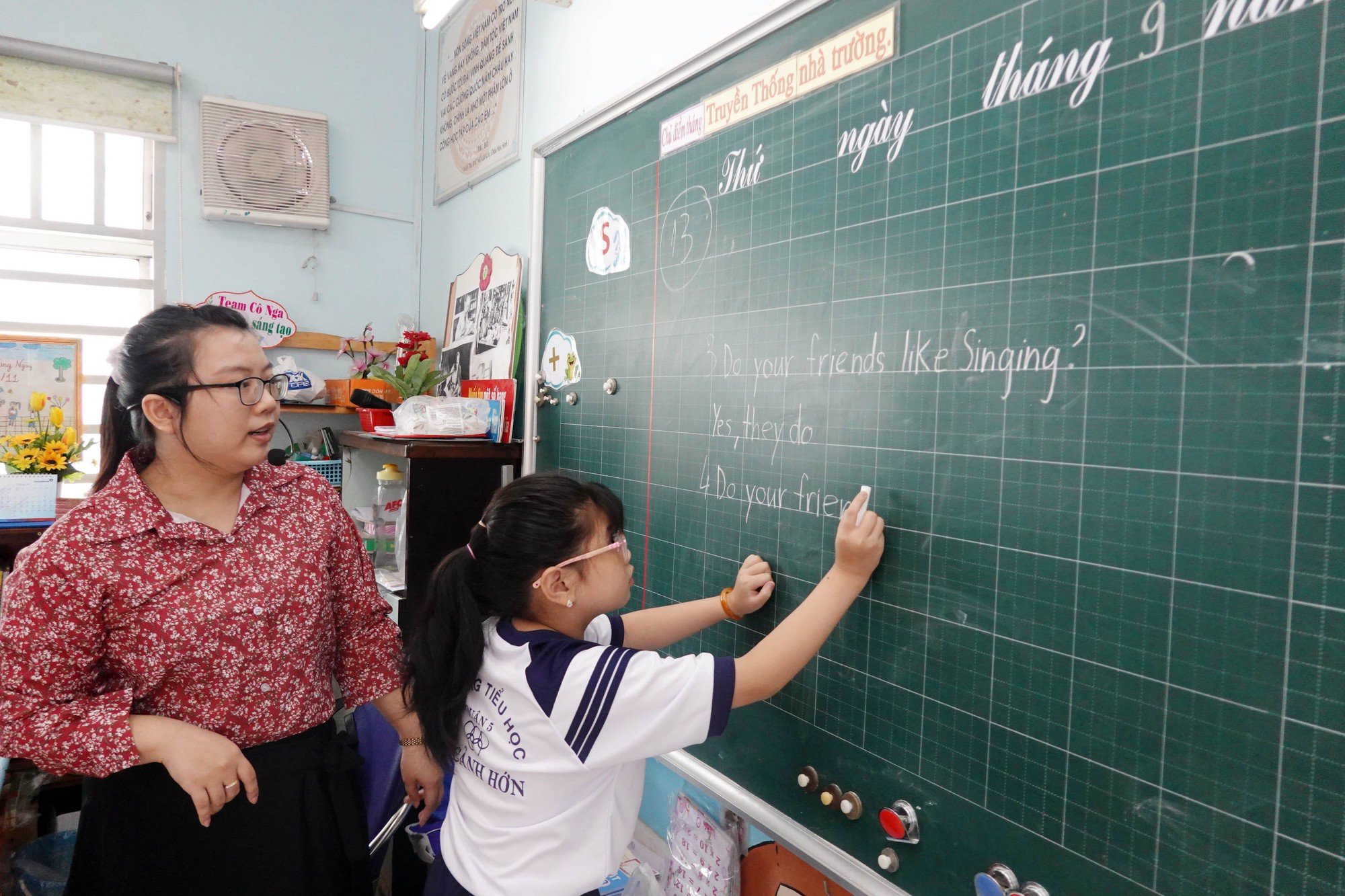
Many English teachers hope to integrate social justice into their lessons to foster intercultural competence, critical thinking, and problem-solving skills in their students.
Teachers believe that this helps them motivate themselves to learn and improve their social knowledge regularly, enhancing their self-learning spirit. At the same time, with each lesson design and classroom activity, their pedagogical skills are also improved. Self-learning, acquiring social knowledge, and developing intercultural competence are essential as the role of teachers in the modern era is not only to guide but also to operate the educational process.
Most importantly, teachers recognize that by conveying issues of social justice, students can enhance their intercultural communication skills. Specifically, they are exposed to and become more aware of social issues around the world; they are equipped with the necessary knowledge to become global citizens in the future. From this, they can also develop critical thinking and skills, and confidently express their personal opinions on contemporary social issues.
What is the solution?
Despite recognizing the benefits of integrating social justice themes into lessons, teachers still face many difficulties in implementing and approaching this approach in practice.
Firstly, teachers can flexibly change and add or remove teaching materials, but this requires considerable effort and time. This is because teachers currently lack specific training programs or guidelines on incorporating social justice themes into lessons. This leads to teachers having to proactively learn and research from colleagues or the teaching community on online platforms.
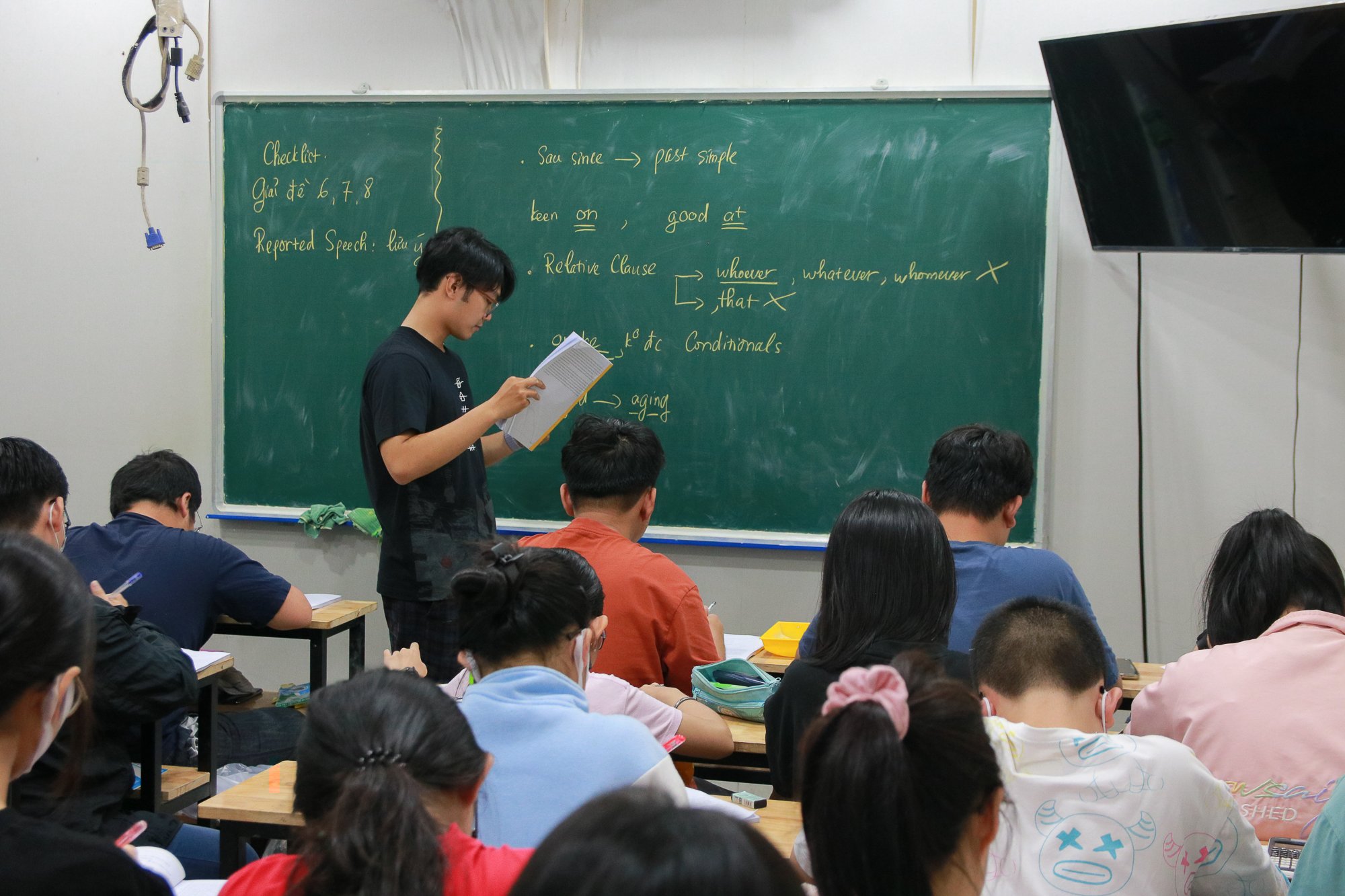
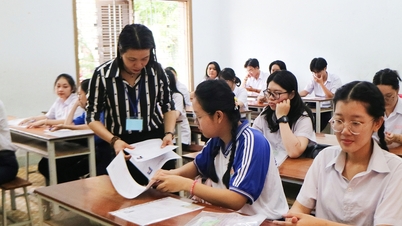
An English test preparation class in Ho Chi Minh City.
Secondly, teachers must consider integrating social equity based on each student's individual needs, balancing it with the development of their language skills. In reality, each standard lesson lasts only 45 minutes, so achieving an effective lesson requires significant effort from the teacher and cooperation from the students.
Accordingly, for academically strong students, teachers can easily organize classroom activities such as developing discussion topics and presentations. However, this would be impossible for students with weak language skills who only want to focus on studying and reviewing grammar and vocabulary to prepare for school tests.
Based on the aforementioned outstanding issues, the authors propose the need for training programs and workshops to equip and support teachers in effectively integrating social issues into lessons, aiming to create a balance between social knowledge and students' language development.
Furthermore, this training should begin with student teachers, not just experienced teachers. Teachers themselves should also cultivate a spirit of lifelong learning, proactively improving their social and professional knowledge by continuously updating their social news and reading specialized books and journals.
Source link


![[Photo] Prime Minister Pham Minh Chinh holds a phone call with the CEO of Russia's Rosatom Corporation.](/_next/image?url=https%3A%2F%2Fvphoto.vietnam.vn%2Fthumb%2F1200x675%2Fvietnam%2Fresource%2FIMAGE%2F2025%2F12%2F11%2F1765464552365_dsc-5295-jpg.webp&w=3840&q=75)

































































Comment (0)