

Prevent poverty and destitution following a serious illness.
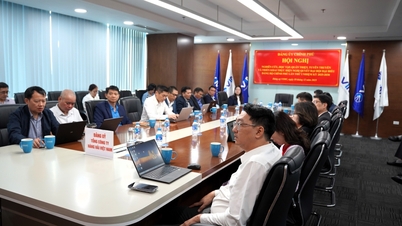
The Ministry of Health organized a consultation meeting on the draft Health Insurance Law today, August 29th, in Hanoi.
At the conference, Ms. Tran Thi Trang, Director of the Health Insurance Department, Ministry of Health , stated that health insurance is about risk sharing, ensuring patients have fair access to the policy, while also taking into account factors that ensure the balance of the health insurance fund.
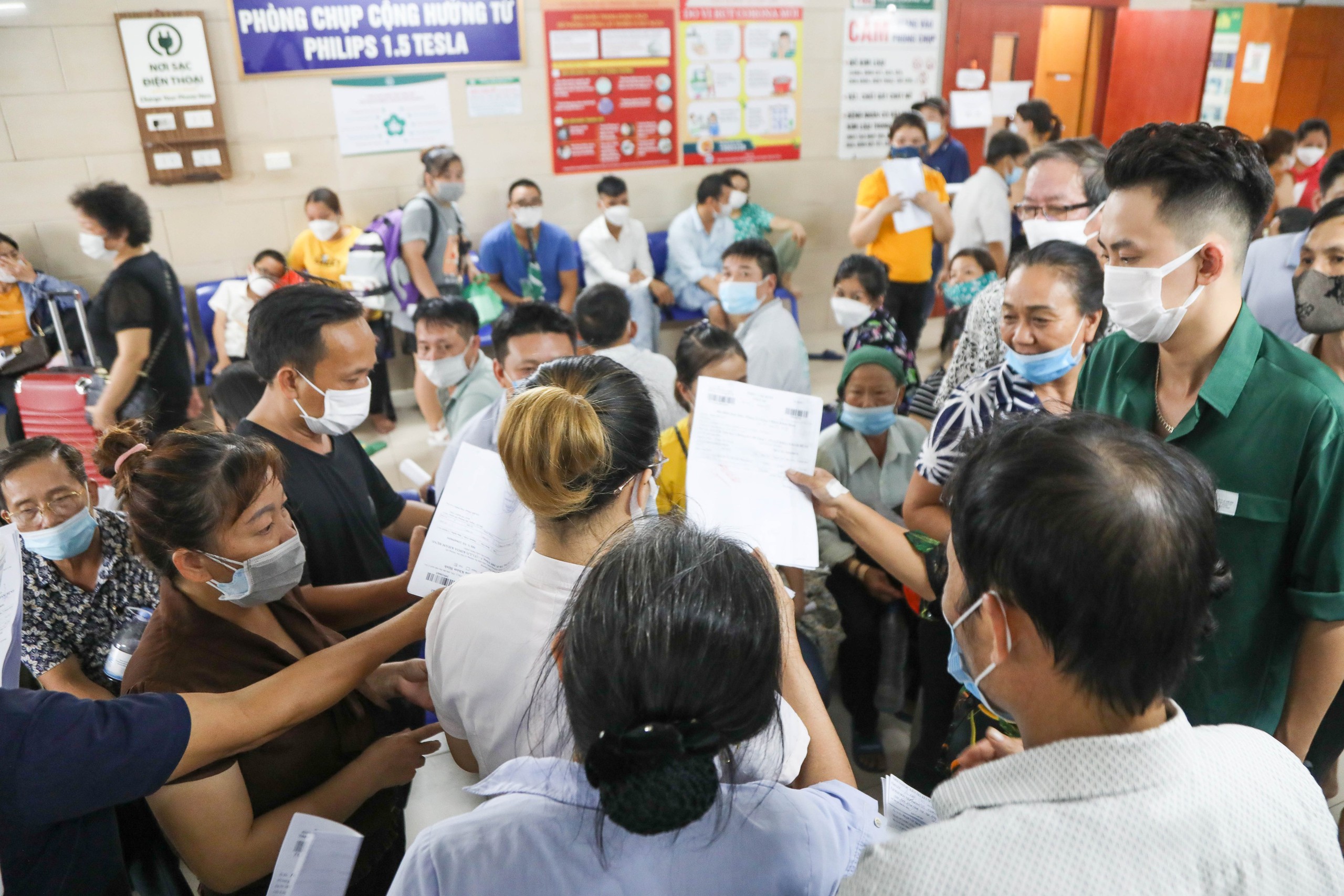
The Ministry of Health proposes additional benefits for patients receiving health insurance-covered examinations at primary healthcare facilities, aiming to reduce the burden on higher-level facilities.
PHOTO: DAU TIEN DAT
According to Ms. Trang, the situation of people becoming impoverished and destitute after a serious illness due to the burden of medical costs should be avoided. Therefore, health insurance is also a social security issue. Thus, along with the principle of preserving the fund, it is still necessary to incorporate social security policies, and many groups participating in health insurance should have their health insurance cards purchased by the state budget.
In fact, more than 40% of the health insurance fund's revenue comes from the state budget, used to purchase and issue health insurance cards to the poor, children under 6 years old, the near-poor, and families entitled to preferential policies, etc.
Ms. Trang stated that the health insurance fund's revenue reached 126,000 billion VND/year (in 2023), and this revenue increased further from July this year due to the increase in the basic salary.
The draft Health Insurance Law proposes additional benefits for patients, including the basic provision that patients covered by health insurance who receive treatment at central or provincial-level hospitals will still receive the same medication benefits as those at higher-level hospitals when they are transferred to district-level hospitals. If approved, patients would not have to go to central-level hospitals for treatment, thus helping to reduce the burden on central-level hospitals.
Regarding administrative procedures, the draft health insurance law proposes streamlining the procedures for referring patients to other treatment facilities.
Specifically: for medical treatment services not yet available locally, patients can go directly to higher-level facilities for treatment, still receiving full benefits, without needing a referral letter. Local health departments are responsible for issuing lists of medical services not yet available locally, based on assessments and licensed practices, so that people are aware and can proactively seek treatment at higher-level facilities when they are ill.
Furthermore, given the shortage of medicines and medical supplies covered by health insurance at public hospitals, forcing health insurance patients to purchase them themselves, the draft health insurance law proposes that hospitals will pay for patients' expenses, and then these costs will be reimbursed to the hospitals by the health insurance fund.
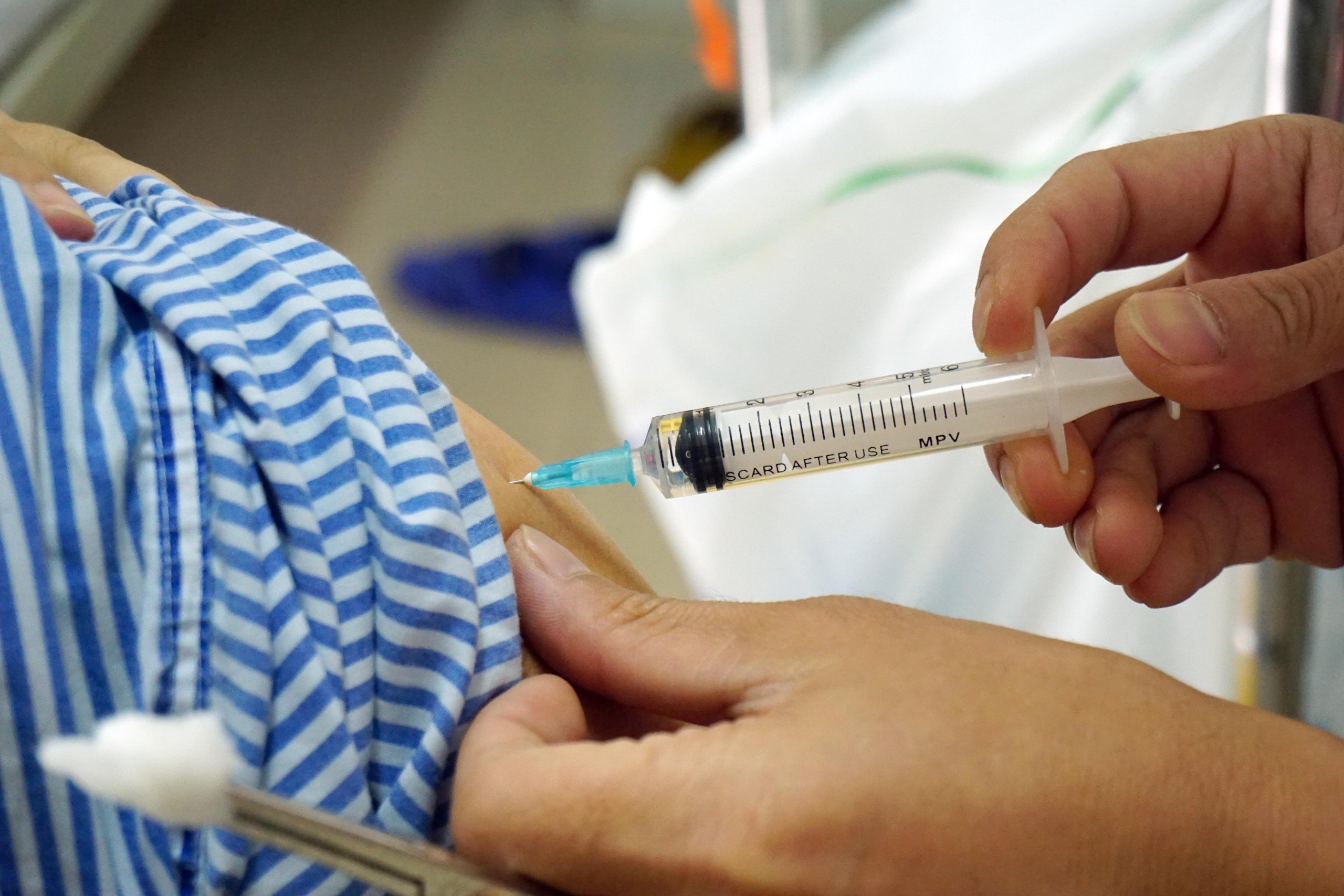
The Ministry of Health proposes expanding the coverage for patients with health insurance based on the principle of balancing revenue and expenditure.
"The benefits will be adjusted while balancing contributions and healthcare requirements at each stage. This time, the proposal is to adjust some benefits but without causing an unusual increase in costs from the health insurance fund," Ms. Trang affirmed.
Despite having a surplus, the risk of a deficit is still being considered.
Commenting on the expansion of health insurance coverage for medical examinations and treatments, Mr. Nguyen Tat Thao, Deputy Head of the Health Insurance Policy Department (Vietnam Social Security), said that social insurance supports expanding benefits for patients, but the Ministry of Health needs to conduct a comprehensive assessment, determining how much additional the health insurance fund will pay for each expanded policy and whether it ensures a balance between revenue and expenditure of the health insurance fund.
Regarding revenue and expenditure from the health insurance fund over the years, Mr. Thao stated that from 2005 to 2009, health insurance payments for medical examinations and treatments were based on service fees, without a payment ceiling, and co-payments were eliminated, resulting in a deficit of over 2,000 billion VND for the health insurance fund.
From 2009 to 2015: the contribution rate was adjusted upwards from 3% to 4.5% of the base salary; regulations on payment ceilings and co-payments were implemented, and the health insurance fund achieved a balance between revenue and expenditure.
From 2016 to 2023, adjustments to medical service prices, the inclusion of a salary component for medical staff, the expansion of the drug list, and the increase in the number of medical examinations and treatments following the Covid-19 pandemic led to a budget deficit. Only the three years from 2020 to 2022 saw a significant surplus, primarily due to the Covid-19 pandemic. During those three years of the Covid-19 pandemic, the health insurance fund recorded a surplus of over 33,000 billion VND due to a sharp decrease in examinations and shortages of medicines and medical supplies, resulting in reduced payments.
By the end of 2023, the total surplus of the health insurance fund from previous years was 40,000 billion VND , of which 33,000 billion VND was surplus during the Covid-19 pandemic. Thus, the surplus of the health insurance fund is mainly due to reduced spending during the three years of the Covid-19 pandemic. In the remaining years, the fund was almost always in deficit.
Representatives from the Social Insurance Agency argue that including administrative costs in the price of medical services would increase spending by approximately 2,500 billion VND per year. If depreciation costs of medical equipment and fixed assets were included in the price of medical services, the health insurance fund would see an increase of approximately 67,000 billion VND . Therefore, the Ministry of Health needs to carefully consider the balance of revenue and expenditure when expanding health insurance benefits for patients.
The Ministry of Health has proposed expanding healthcare benefits and reducing cumbersome administrative procedures. All proposals include policy impact assessments, which are more favorable to health insurance beneficiaries, and are based on the principle of balancing revenue and expenditure to ensure that health insurance beneficiaries have access to healthcare services. To balance the fund, consideration could be given to adjusting health insurance premiums to suit socio-economic conditions.
( Ms. Tran Thi Trang, Director of the Health Insurance Department, Ministry of Health )
Source: https://thanhnien.vn/quy-bhyt-du-40000-ti-dong-bo-y-te-de-nghi-tang-quyen-loi-nguoi-benh-185240829185820803.htm






























![[Video] The craft of making Dong Ho folk paintings has been inscribed by UNESCO on the List of Crafts in Need of Urgent Safeguarding.](https://vphoto.vietnam.vn/thumb/402x226/vietnam/resource/IMAGE/2025/12/10/1765350246533_tranh-dong-ho-734-jpg.webp)

























































Comment (0)