

In the real estate market, the shophouse segment was highly sought after by investors and boomed in 2015. The selling and rental prices of shophouses were sky-high due to their many advantages, including the ability to be used for both residential purposes and business or rental income.
However, over the past two years or so, this type of property has gradually become less popular. Especially since the COVID-19 pandemic broke out in Vietnam and continued, the shophouse segment has become even more sluggish, with many developers even lowering prices but still failing to find tenants or buyers.
For over a year now, Ms. Le Mai Ha (Hoan Kiem District, Hanoi ) has been continuously trying to sell her shophouse, measuring over 75 square meters, in an urban area in Hoang Mai District. The asking price has been reduced by 20% compared to the purchase price of nearly 14 billion VND in mid-2021, but still no one is interested.
The shophouse she owns is a four-story building, already completed. The rental price is 30 million VND per month, yielding a return on investment of just over 2% per year. However, since purchasing it, the shophouse has often been vacant, with the space left empty.
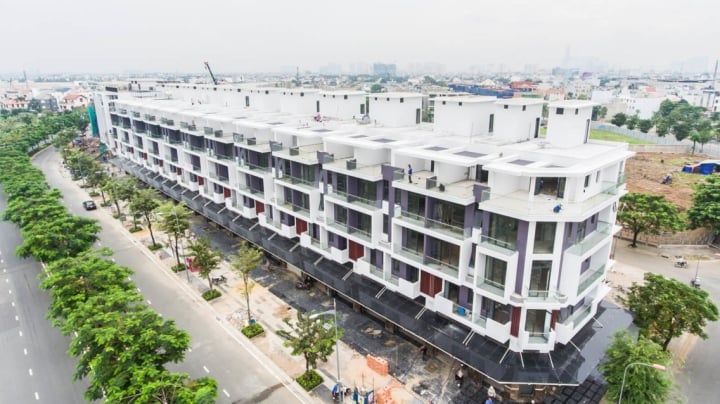
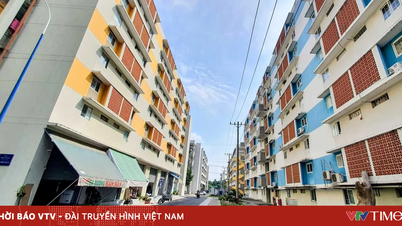
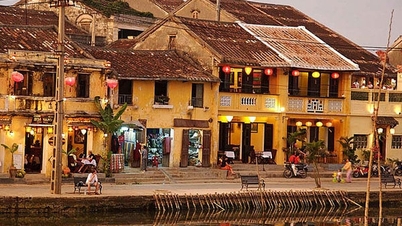
Many shophouses worth tens of billions of VND remain unsold. (Illustrative image).
Ms. Ha lamented that every month she still has to pay over 100 million VND in interest and principal on her 6 billion VND bank loan. The rental income is meager, and the pressure of interest payments is overwhelming, so she's forced to sell at a loss, but she's been trying to sell for over a year without finding a buyer.
Facing a similar situation of being unable to sell or rent out his property, Mr. Mai The Anh recounted that in early 2021, he bought a shophouse in an urban area on Le Trong Tan Street (Ha Dong District) for 24 billion VND. The project was handed over in 2022, but commercial activity remains sluggish, and the number of residents is sparse. This means that businesses here only serve a limited number of residents within the project, with almost no walk-in customers. Currently, only a few shophouses are open for business, while nearly 80% remain closed.
Initially, I thought that with the urban area developing and many people moving in, shophouses would be the best option, but the reality didn't live up to expectations. Businesses here mainly cater to locals, but due to habits, they often go to shopping malls for entertainment and to local markets for shopping, so sluggish sales are a common problem for shophouses.
Mr. The Anh said that he put up a sign advertising the shop for rent at 35 million VND per month, hoping to offset some of the bank loan interest, but the shop has remained vacant for nearly a year. Now that the interest grace period has ended and the pressure of high loan interest has increased, Mr. The Anh is willing to sell at a 30% loss but has yet to find a buyer.
According to Ms. Le Linh, a real estate agent in Hoang Mai district, the sluggish sales are not only occurring in shophouses in new urban areas with few residents and on the outskirts of the city, but even shophouses in central Hanoi are difficult to sell and rent. Due to the impact of the COVID-19 pandemic and the difficult economic situation, many people who are unable to do business are forced to return their premises or negotiate with landlords for price reductions.
" Many rental properties in Hanoi's central districts have had to lower their rents and are still vacant, so the sluggish sales of shophouses are unavoidable," said Ms. Linh.
Analyzing this issue, according to the developer of a project in Hanoi, the profitability of shophouses depends on various factors. For a product to increase in value or ensure a good income stream, the project developer must ensure good internal and social infrastructure. Only then can it attract both local and external customers to the project. For shophouses, the rental yield depends on the occupancy rate of the apartment project/urban area.
“ Before investing, investors should look at the developer's capabilities, assess the level of infrastructure development, and evaluate the potential for attracting customers in the surrounding area and its proximity to the project. Developers with strong financial resources will ensure the infrastructure is fully developed before residents move in. When there is a high volume of users and a bustling atmosphere, the shophouses will have significant business value and stable rental income ,” this expert analyzed.
Sharing the same view, Ms. Duong Thuy Dung, Senior Director of CBRE, believes that shophouses are only truly promising when they meet the following criteria: the project has the potential to be quickly filled; the amenities are excellent; there must be a sufficiently large internal resident community; and fourthly, there must be seamless connectivity to attract residents from outside the project.
To achieve profitability and safety, investors should choose shophouses with a moderate value of 2-7 billion VND, so as not to have to invest a large amount of money upfront without knowing whether the return will be commensurate. Investors should also avoid investing in shophouses for the short term (1-2 years) and instead have a medium- to long-term plan of 3-5 years or more.
Buyers also need to pay attention to the floor area of the ground floor commercial space. If the property is too small, only about 75 m2, it will make business difficult. Many properties end up being bought and then left unused because they cannot be used for commercial purposes.
Ngoc Vy
Source




![[Photo] Standing Committee member of the Party Central Committee Tran Cam Tu working with the Central Inspection Committee](https://vphoto.vietnam.vn/thumb/1200x675/vietnam/resource/IMAGE/2026/05/28/1779969579668_ndo_br_bnd-2495-jpg.webp)






























































































Comment (0)