

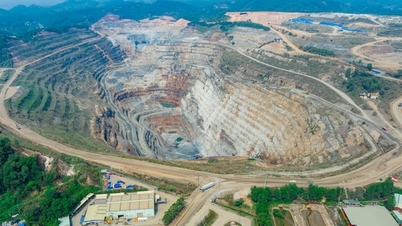
This mining area was recognized as a World Heritage Site by UNESCO earlier this year. Initially, South Korea strongly objected, but then conceded after Japan met its precondition: a museum showcasing the living and working conditions of Koreans forced into labor and exploitation in the mines would be built. Additionally, Tokyo pledged to hold annual memorial ceremonies for the miners. This could also be considered a good intention from Japan. Both of these points were reported by Japan to UNESCO.
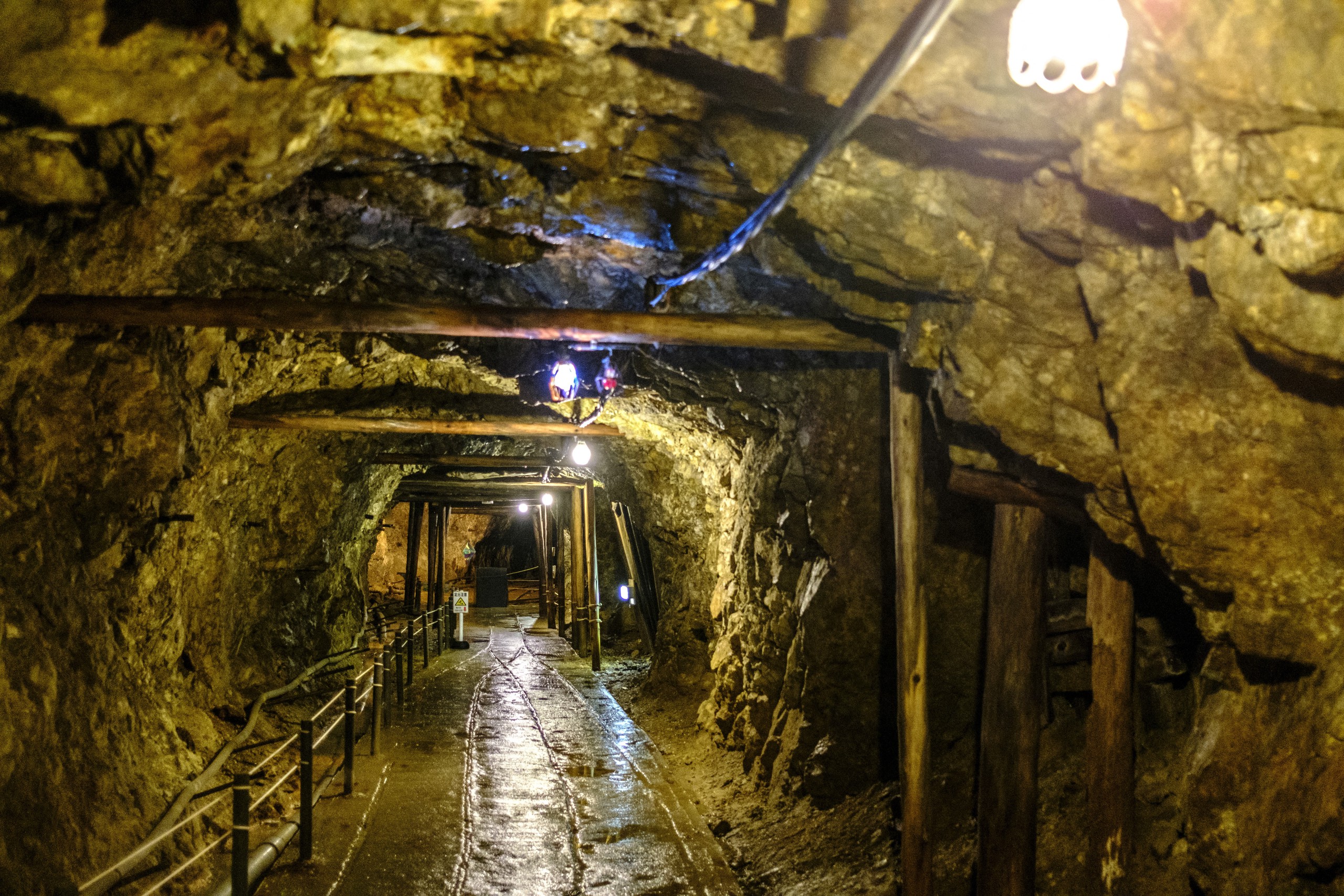
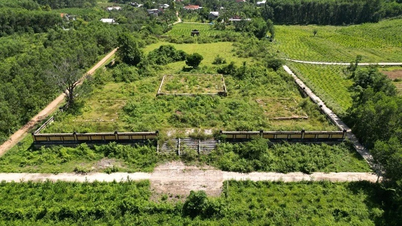
A mine in Sado, Japan
However, South Korea refused to participate in the memorial ceremonies at the Sado mine this year, much to Japan's disappointment. From Seoul's perspective, the reasons for refusing to attend were quite valid. Tokyo did not specifically mention the North Korean workers who were forced into labor and exploited, who died and suffered lifelong illnesses at the site. Japan ignored the term "forced labor," which South Korea considered part of the nature of the incident. Furthermore, Japan even invited several politicians who had visited the Yasukuni Shrine to attend the memorial ceremonies.
This new disagreement is essentially a past issue haunting the future of Japan-South Korea relations, creating difficulties for both sides that are on the path to improving bilateral relations. Furthermore, UNESCO is also facing considerable awkwardness.
Source: https://thanhnien.vn/qua-khu-am-anh-tuong-lai-nhat-han-185241124230133948.htm

![[Photo] General Secretary and President To Lam presides over a meeting on preparations for the review of one year of operation of the three-tiered government system.](https://vphoto.vietnam.vn/thumb/1200x675/vietnam/resource/IMAGE/2026/06/02/1780391821195_a1-bnd-4595-9717-jpg.webp)


























































Comment (0)