

Stroke can cause loss of mobility, speech, or daily living skills in a matter of moments. Proper rehabilitation can greatly benefit patients.
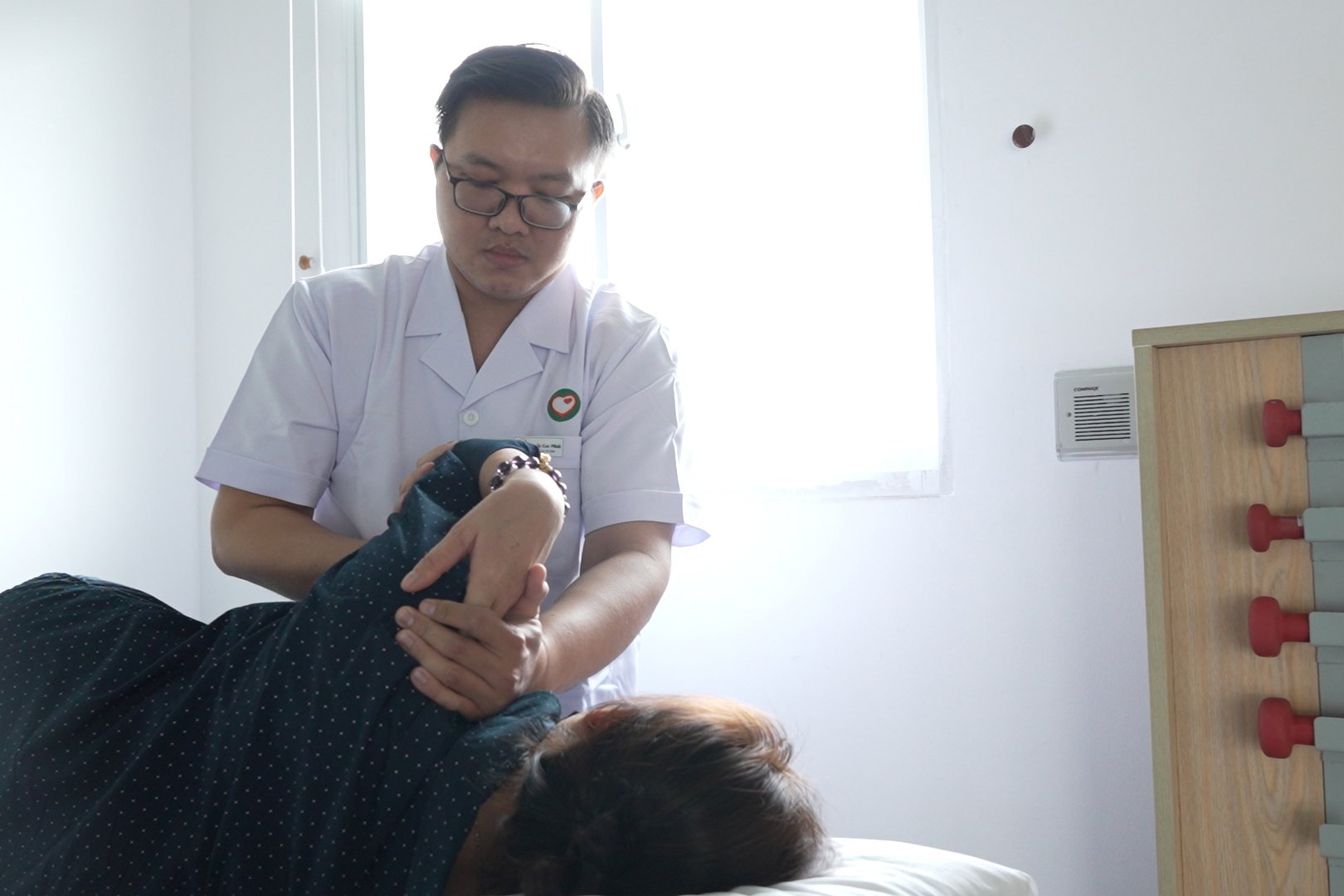
Rehabilitation helps patients relearn skills lost after a stroke - Photo: T.D.
Starting early, persevering, and choosing the right methods are key to helping patients overcome stroke sequelae and regain their independence.
What is stroke rehabilitation?
Stroke rehabilitation is a program comprising various therapies designed to help patients relearn skills lost after a stroke.
Rehabilitation methods depend on the part of the brain affected by the stroke. Rehabilitation helps improve motor skills, speech, and daily living skills, thereby helping patients regain independence and improve their quality of life.
Stroke causes many complications, and the level of recovery varies from patient to patient. Studies have shown that patients participating in intensive stroke rehabilitation programs have better outcomes than those who do not participate. Therefore, stroke rehabilitation is recommended for all stroke patients.
There are five main types of disabilities caused by stroke:
Paralysis, problems with movement control: walking, balance, swallowing…
Sensory disturbances (ability to perceive multiple sensations, temperature, position, etc.)
Difficulty using or understanding the language.
Problems with thinking and memory
Emotional disorders
There are many approaches to helping patients recover after a stroke. Generally, rehabilitation focuses on specific and repetitive actions. The rehabilitation plan depends on the body parts or abilities affected after the stroke.
Physical activities include:
Motor skills exercises: exercises that help improve muscle strength and coordination, including the muscles used for balance, walking, and even swallowing.
Motor skills training: patients learn how to use mobility aids such as walkers, canes, wheelchairs, ankle braces, etc.
Restrictive therapy involves restricting one unaffected limb while the patient practices moving the affected limb to help improve its function.
Range of motion therapy: certain exercises and treatments help relieve muscle tension and help patients regain their range of motion.
Cognitive and emotional functions include:
Cognitive symptom therapy includes occupational therapy and speech therapy to help patients overcome cognitive impairments, including memory, processing, problem-solving, judgment, and safety awareness.
Speech therapy: language therapy that helps regain the ability to speak, listen, write, and understand.
Psychological assessment and treatment: the patient's ability to regulate emotions may be assessed, counseled, or placed in a support group.
When should rehabilitation begin after a stroke?
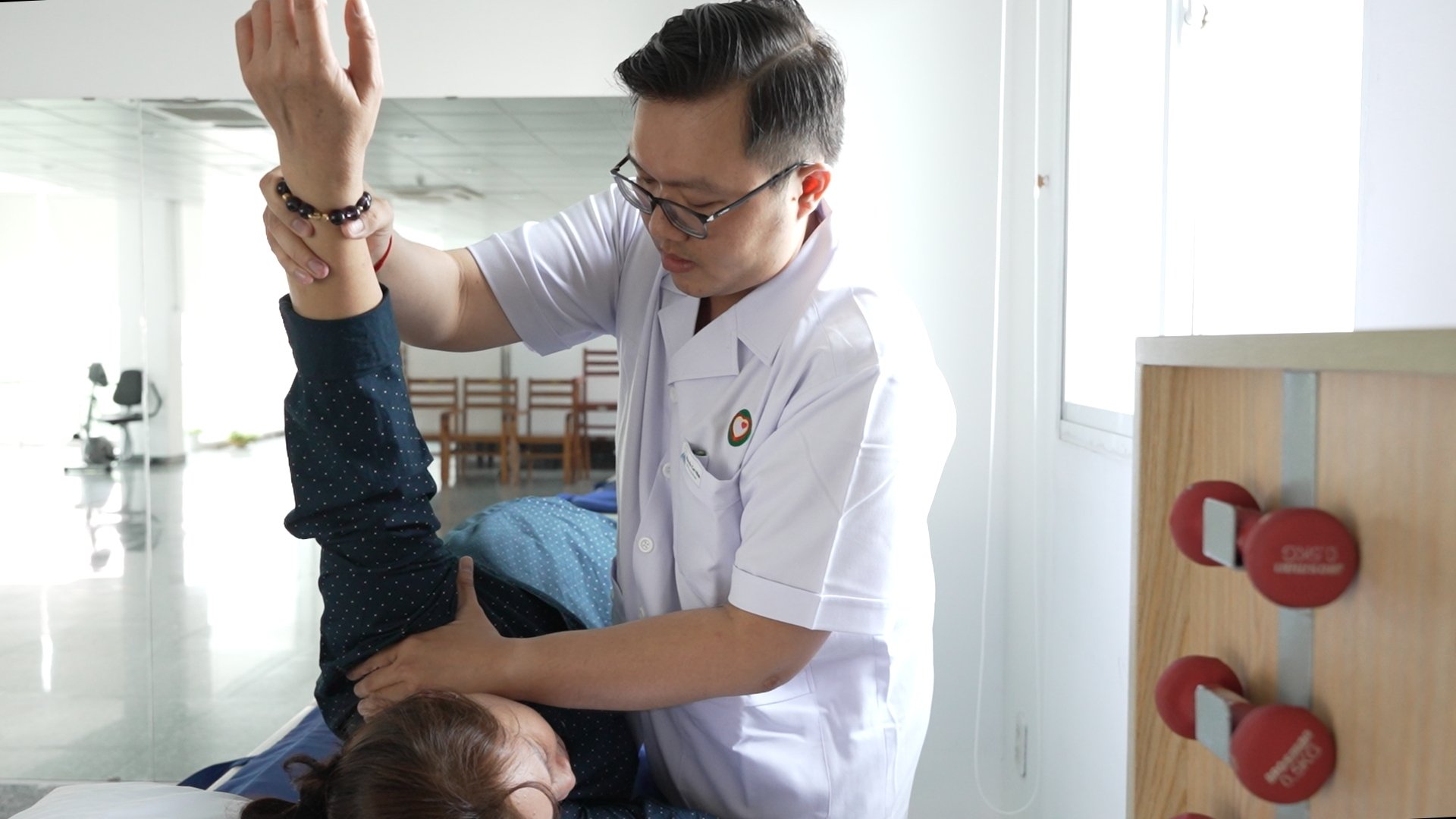
The sooner stroke patients begin rehabilitation, the better - Photo: T.D.
The sooner stroke patients begin rehabilitation, the better, as the greater their chances of regaining lost abilities and skills.
Post-stroke rehabilitation typically begins as early as 24 to 48 hours after a stroke and often while the patient is hospitalized.
The time it takes to recover from a stroke depends on the severity of the stroke and any associated complications.
Some stroke survivors recover quickly. But most need some form of long-term post-stroke rehabilitation. This can last for months or years after a stroke.
Stroke rehabilitation plans change throughout the recovery process as patients relearn skills and meet their own needs. With continued practice, patients can continue to make progress over time.
Where can I get rehabilitation after a stroke?
Patients can begin rehabilitation after a stroke while still in the hospital. Before discharge, patients and their families will work with healthcare professionals to determine the best rehabilitation environment.
Factors to consider include: the patient's needs, their medical condition, and what is most convenient for you and your family.
Stroke rehabilitation involves many specialists from different fields.
Doctors— the primary care physician, neurologist, and rehabilitation specialists—can guide patient care and help prevent complications. Together, these doctors help patients achieve and maintain a healthy lifestyle to avoid recurrent strokes.
Physical therapy technicians help patients relearn skills such as walking and maintaining balance.
Speech and language therapists help improve patients' language skills and swallowing abilities, and develop tools to address memory, thinking, and communication problems.
Psychologists assess patients' thinking skills and help address their mental and emotional health issues.
Factors affecting recovery outcomes after stroke

Stroke rehabilitation involves many specialists from different fields - Photo: T.D.
The recovery process after a stroke varies from patient to patient. It is difficult to predict how much ability a patient may regain and for how long. In general, a successful stroke recovery depends on:
The severity of a stroke is measured by its cognitive and physical impact.
Emotional factors include motivation, mood, and the ability to maintain rehabilitation activities outside of therapy sessions.
Social factors: support from friends and family.
Therapeutic factors include early initiation of rehabilitation and the skills of the post-stroke rehabilitation team.
Recovery rates are typically highest in the first few weeks and months after a stroke. However, there is evidence that outcomes may improve even 12 to 18 months after a stroke.
Stroke rehabilitation is a long and arduous "battle," requiring close collaboration between the patient, family, and medical team. While the exact recovery time cannot be predicted, starting early, maintaining motivation, and utilizing intensive therapies will open up opportunities for patients not only to survive but to live better lives, gradually overcoming the "darkness" of the after-effects.
 Why are there more cases of stroke among young people?
Source: https://tuoitre.vn/phuc-hoi-chuc-nang-sau-dot-quy-dung-cham-tre-20250314152457891.htm









































































Comment (0)