

Vietnam's renewable energy development strategy to 2030, with a vision to 2050, was issued by the Prime Minister in Decision No. 2068/TTg, dated November 25, 2015, affirming the goal of developing biomass energy to reach 32.2 million TOE (tons of oil equivalent) by 2030 and 62.5 million TOE by 2050.
Specifically: Use for electricity generation is projected to reach 9 million TOE by 2030 and 20 million TOE by 2050, corresponding to the production of 37 and 85 billion kWh of electricity, respectively; use for heat generation is projected to reach 16.8 million and 23 million TOE by 2030 and 2050, respectively; and use for biofuel production is projected to reach 6.4 and 19.5 million TOE by 2030 and 2050, respectively.
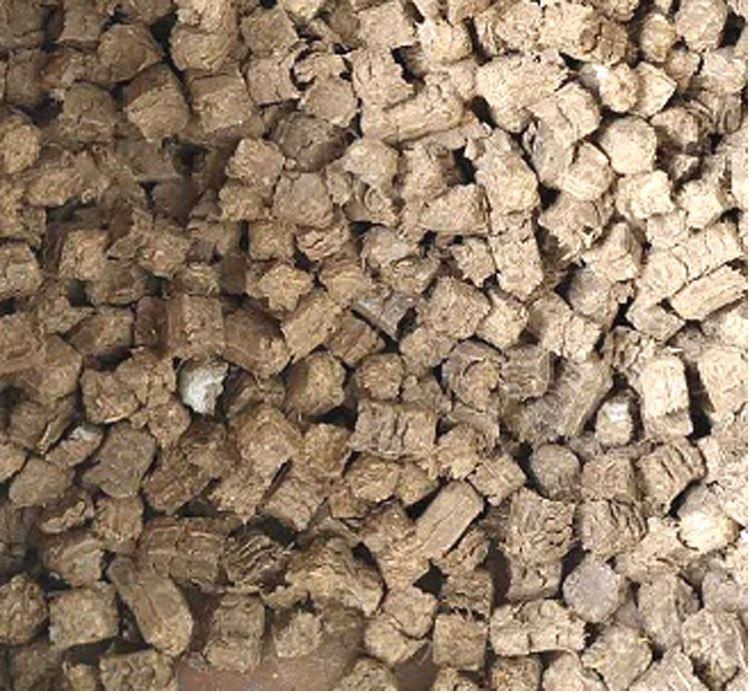
Biomass energy is generated from biomass fuels. Biomass fuels are biological materials derived from organisms and plants. These materials contain energy accumulated from photosynthesis using sunlight. Biomass fuels include wood/firewood, forestry waste (sawdust, wood shavings, etc.), agricultural waste (rice husks, straw, sugarcane bagasse, etc.), livestock waste, organic waste, algae, and crops specifically grown for rapid biomass production.
The use of biomass fuel offers several benefits. First, it is renewable, so its potential is limitless, as plants and animals continuously produce biomass. It causes less environmental pollution than using fossil fuels. Furthermore, it directly contributes to environmental protection (such as treating livestock waste, agricultural and forestry by-products, household waste, etc.).
Biomass fuel is readily available and cheaper than fossil fuels. It creates opportunities for socio -economic development in rural areas, generating new livelihoods and income for people. Furthermore, it reduces dependence on fossil fuels. However, some disadvantages remain. These include: Biomass is readily available but lacks concentration; and the large volume required results in high transportation costs and large storage facilities.
Sometimes the biomass is still damp, so drying is necessary, which adds to the electricity cost. Furthermore, this is a new fuel group, so the technology is still new and not as efficient as other solid or liquid fuels. If the combustion process is not properly managed, it can produce toxic gases.
Despite some remaining drawbacks, developing energy from biomass fuels is a major trend in the context of the world facing climate change and environmental pollution, one of the causes of which is the overuse of fossil fuels. Vietnam is a country geographically blessed with abundant sunshine and rainfall, forests, seas, and some of the highest biomass levels in the world.
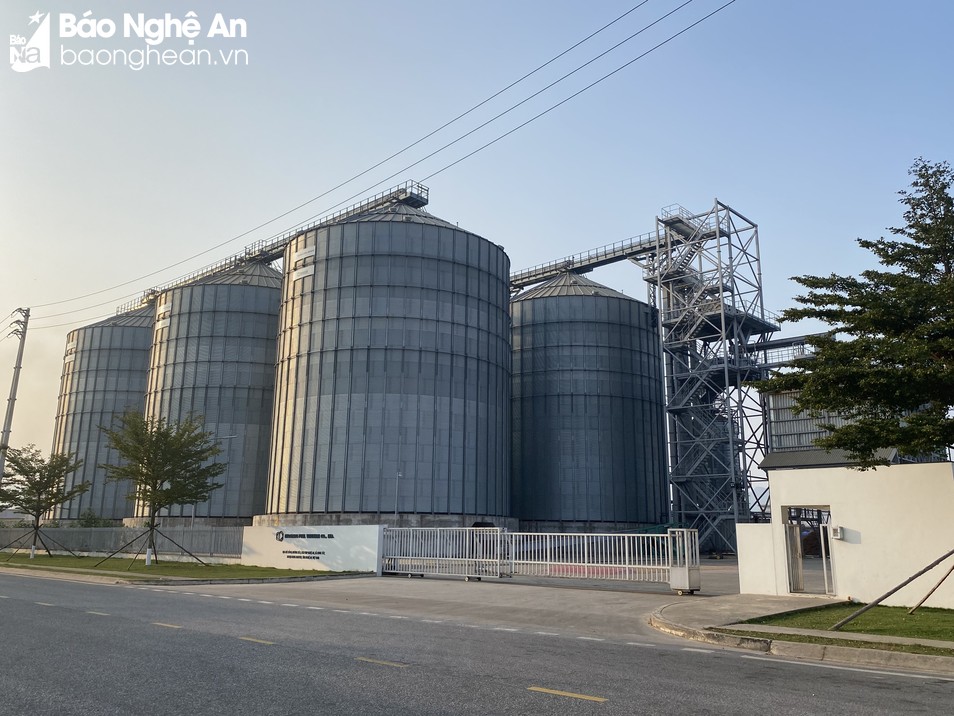
Nghe An is the largest province in the country in terms of area, with agricultural land covering 1,485,455.77 hectares, accounting for 90.1% (2020 data), of which forest land accounts for 1,147,752 hectares (including 648,314 hectares of production forest). In addition, livestock farming is among the top in the country with 788,000 buffaloes and cattle; 1,100,000 pigs; and 33,046,000 poultry. Not including the area of sea and lakes, this represents enormous potential for biomass fuel development. Furthermore, a large amount of various types of waste in Nghe An remains largely untapped for biomass energy production.
Currently, based on development orientation, the province has called for and supported a number of businesses to invest in the production and use of biomass fuels in the area, such as some biomass wood pellet factories (DKC Factory, BVN Thanh Chuong Factory...), compressed charcoal production company Khanh Tam Que Phong; some sugar factories using bagasse to produce electricity such as NASU Sugar Factory, or burning bagasse to recover heat at Song Lam and Song Con factories...; some livestock farms processing waste to create biogas for fuel,...
However, compared to its potential, biomass energy production is still underdeveloped and has much room for growth. Resolution 39 of the Politburo on building and developing Nghe An province until 2030 and with a vision to 2045 affirms: “Continue to restructure the economy in conjunction with innovating the growth model; promote the development of the marine economy, digital economy, border gate economy, green economy, and circular economy.”
The orientation towards developing energy from biomass fuel sources is one of the solutions for developing a green and circular economy, as affirmed by the Politburo.
To achieve the above objectives, we propose the following: Firstly, review the planning of landfills in urban clusters and industrial zones to create a number of centralized sites, facilitating the construction of waste treatment plants focused on biomass energy production. In the short term, we need to resume the construction of a waste-to-energy plant at the Nghi Yen waste treatment area.
Secondly , there should be a support mechanism for livestock farms to implement some power plants using gas from livestock waste treatment. A mechanism for connecting to the national power grid is proposed. Thirdly, a review and reassessment of raw material areas should be conducted to continue encouraging businesses to invest in more biomass pellet production plants, especially in the western districts.
Fourth, review the area of production forests and inefficient agricultural land to convert the structure to planting specialized biomass crops. Experiment with introducing and planting some biomass crops to serve biomass pellet factories. Experiment with planting some deep-rooted biomass grasses in areas at high risk of landslides to prevent landslides and harvest biomass.
Fifth, support businesses in technological innovation to produce high-caloric biomass pellets for high added value when exporting, as well as to provide better fuel for future biomass furnaces and power plants in the area.
Sixth, we call on businesses to invest in biomass power plants at an appropriate time to stimulate and support biomass production in the area as well as in the North Central provinces. This will both meet the orientation of renewable energy development and stimulate socio-economic development, creating livelihoods for farmers, especially in the Mekong Delta region.
There are mechanisms to support businesses in gradually shifting towards using biomass energy during their development, especially for furnaces currently using fossil fuels. Biomass is inexhaustible, as humans and plants continuously produce biomass. If exploited rationally, it will not only help reduce dependence on fossil fuels but also contribute to environmental protection, moving towards a green, circular economy and a society with an increasingly higher quality of life.
Source

![[Image] Leaked images ahead of the 2025 Community Action Awards gala.](/_next/image?url=https%3A%2F%2Fvphoto.vietnam.vn%2Fthumb%2F1200x675%2Fvietnam%2Fresource%2FIMAGE%2F2025%2F12%2F16%2F1765882828720_ndo_br_thiet-ke-chua-co-ten-45-png.webp&w=3840&q=75)


![[Photo] Prime Minister Pham Minh Chinh receives Lao Minister of Education and Sports Thongsalith Mangnormek](/_next/image?url=https%3A%2F%2Fvphoto.vietnam.vn%2Fthumb%2F1200x675%2Fvietnam%2Fresource%2FIMAGE%2F2025%2F12%2F16%2F1765876834721_dsc-7519-jpg.webp&w=3840&q=75)






























































Comment (0)