

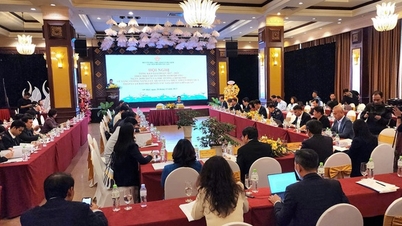
Kinhtedothi - On December 12th, in Hanoi, the Kinhtedothi newspaper organized the forum "Developing Green Cities Towards Sustainability," focusing on discussing legal frameworks, mechanisms, and policies to further promote the development of green and sustainable cities.
With the participation of nearly 100 delegates from central ministries, departments, and agencies, Hanoi City, businesses, and many speakers who are leading experts in urban development planning.
Sustainable development - a pressing need from many perspectives.
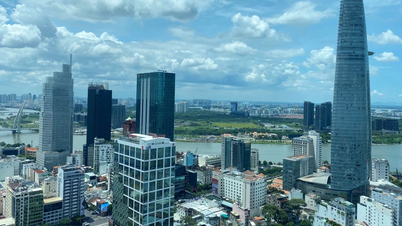
In recent years, along with economic development, the rate of urbanization in Vietnam has also been rapid, but this has been accompanied by challenges and pressures regarding resource supply, energy security, increased waste, etc., leading to climate change and affecting the living environment.
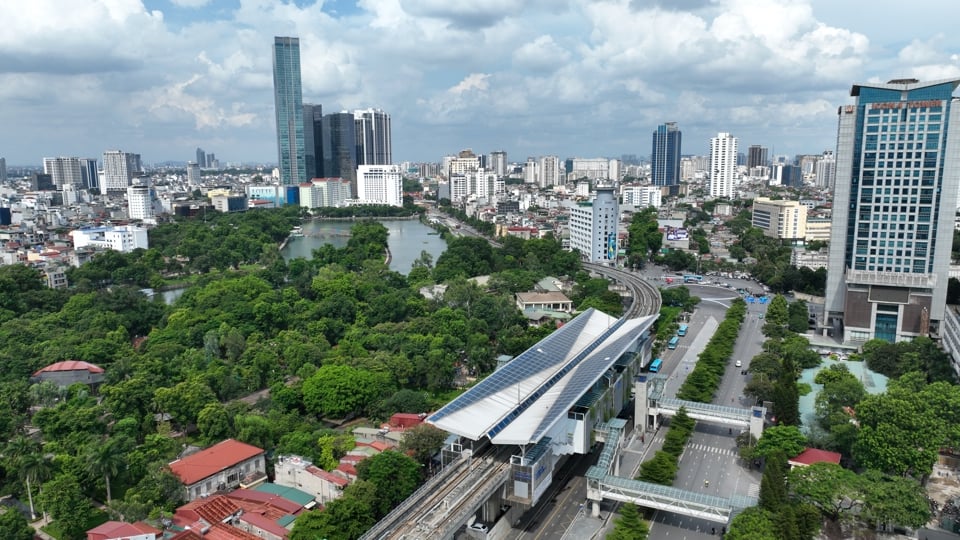
Developing green urban areas is one of the important tasks to ensure harmony and is also a top priority policy of the Party and State in the process of economic growth. However, many difficulties and obstacles still remain in this process. Therefore, experts and managers will propose many solutions to overcome these issues at the Forum "Sustainable Green Urban Development" organized by the Economic & Urban Newspaper.
The forum took place against the backdrop of Vietnamese cities entering their second year of implementing Resolution 06-NQ/TW dated January 24, 2022, of the Politburo on planning, construction, management, and sustainable development of Vietnamese cities until 2030, with a vision to 2045. It also highlighted Vietnam's ongoing efforts to strengthen its commitment to the international community regarding the goal of reducing greenhouse gas emissions to net zero by 2050.
According to experts, urban development to drive urban economic growth is a positive economic indicator. However, it also comes with enormous challenges for the environment and public health: air pollution, traffic congestion, depletion of natural resources... are issues that are of particular concern to all levels of government, relevant agencies, and the public. Therefore, a sustainable green urban development strategy focuses on three main pillars: green space development; renewable energy; and sustainable transportation. Green space development involves a commitment to increasing green areas in all new urban development projects. The use of renewable energy is an indispensable part of a green urban development strategy.
“We recognize the necessity of sustainable development not only from an economic perspective, but also from a social responsibility and professional ethical standpoint. Sustainable green urban development aims not only to create the healthiest living environment for residents, but also to contribute to the global fight for a greener and cleaner future for the Earth,” shared Assoc. Prof. Dr. Nguyen Thanh Loi, Editor-in-Chief of the Economic & Urban Newspaper.
Positive action
Discussing this issue, Deputy Minister of Construction Pham Minh Ha stated that in recent years, Vietnam has been one of the countries that has consistently maintained a high rate of economic growth. Along with economic growth, urbanization in Vietnam has also accelerated, with an average annual increase of over 1%, but this has led to pressures on resource supply, energy security, increased waste, environmental impacts, and increased negative effects due to climate change.
Faced with global and national challenges, the Party, State, National Assembly, and Government of Vietnam have issued numerous guidelines and policies related to the development of energy-efficient and effective energy and resource utilization projects, environmental protection, greenhouse gas emission reduction, climate change adaptation, and the transformation of the economy towards digital transformation, green transformation, and sustainable development.
According to statistics, by the end of the third quarter of 2024, the number of green buildings nationwide reached approximately 500, with a total construction floor area of over 12 million square meters. This exceeded the targets set in Decision 280/2019/QD-TTg of the Prime Minister approving the National Program on Energy Saving and Efficiency for the period 2019-2030 (reaching 80 green buildings by 2025 and 150 green buildings by 2030).
Besides the rapid increase in number, the number of certified green buildings has also expanded to include various types, including those funded by the state budget. However, the development of green buildings in Vietnam still faces many difficulties and obstacles, such as a lack of certifications for green materials and energy-saving materials, a shortage of qualified and specialized human resources; limited awareness among some investors and users of green building products and services; and limited access to green funding for green building projects.
“To overcome difficulties and obstacles to promote the development of green buildings, in the coming time, the Ministry of Construction will continue to coordinate with other ministries and sectors: Research and submit to the Government regulations on the list of green projects, including green building projects; Regulations on the list of projects that can access green credit sources; Research and propose regulations on energy labeling for construction materials into the draft Law on Economical and Efficient Energy Use in 2025...” – Deputy Minister Pham Minh Ha said.
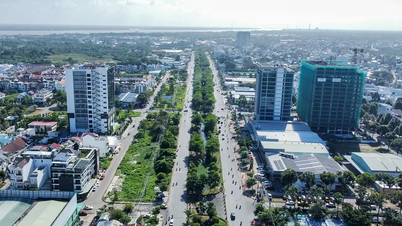
Hanoi, the capital city, is one of the fastest-urbanizing areas in the country and faces numerous challenges in this rapid urbanization process. Due to continuously increasing population and growing pressure from economic development, environmental issues have become a top concern for the city government. With a strategic vision and a commitment to long-term action, the city calls for collaboration from partners, local authorities, and the community to jointly build livable cities.
Based on this, Hanoi is aiming for comprehensive and sustainable green urban development. Green urban development is not limited to increasing green space, but also encompasses many other aspects such as sustainable architecture, environmentally friendly transportation, and efficient energy management. Efficient energy management is a crucial pillar in Hanoi's green urban development strategy.
Energy saving and renewable energy programs are being widely implemented, from installing solar power systems on office buildings to upgrading public lighting systems to energy-efficient LED lights. To realize this goal, Hanoi has been coordinating with ministries, departments, non-governmental organizations, and the community to promote education and communication about the benefits of a green city. This aims to create a change from awareness to action within the community.
The green transformation of construction needs to be vigorously implemented through specific, clear, and quantifiable programs, with legally binding evaluations. Green buildings must satisfy environmental friendliness, social and humanistic aspects. Green architecture satisfies aesthetic and functional requirements, effectively addresses identity issues, is advanced in form and content, and achieves a clear effect in responding to local customs and traditions.
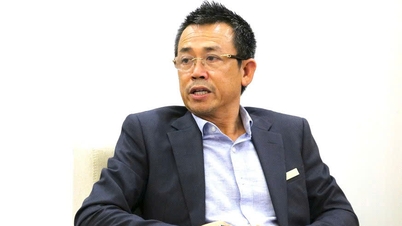
Dr. Phan Dang Son , President of the Vietnam Association of Architects
Source: https://kinhtedothi.vn/phat-develop-green-urban-development-positive-transformation-from-policy-to-reality.html

![[Photo] Prime Minister Pham Minh Chinh presides over a meeting on private sector economic development.](/_next/image?url=https%3A%2F%2Fvphoto.vietnam.vn%2Fthumb%2F1200x675%2Fvietnam%2Fresource%2FIMAGE%2F2025%2F12%2F20%2F1766237501876_thiet-ke-chua-co-ten-40-png.webp&w=3840&q=75)

































































Comment (0)