

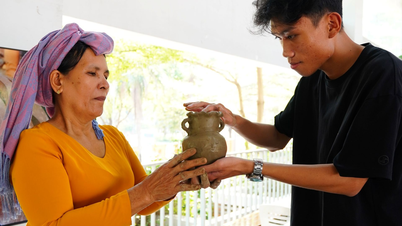
To improve the quality of Quang Ninh 's cultural human resources, aiming at cultural preservation, especially the culture of ethnic minorities, in conjunction with sustainable development, it is necessary to recognize and appropriately promote the role of folk artisans. They are both keepers of the essence of traditional culture and transmitters and mentors for succeeding generations.
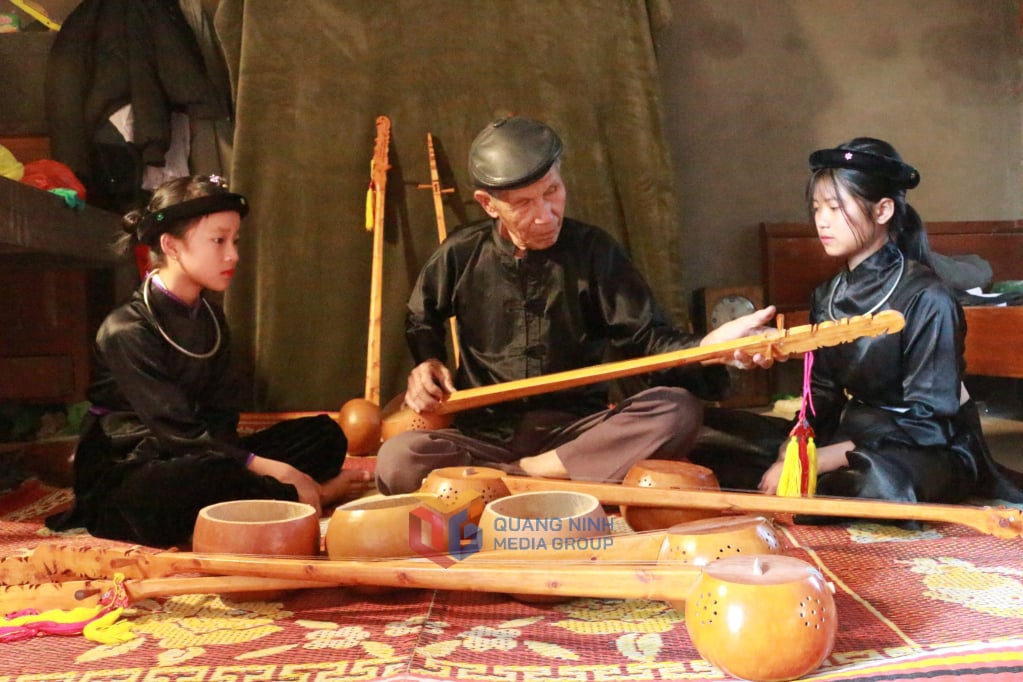
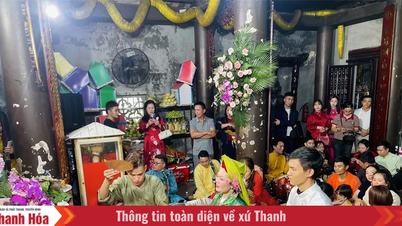
Binh Lieu District currently has four outstanding artisans. Among them, Artisan Luong Thiem Phu holds the intangible cultural heritage of practicing Then singing, teaching Then singing and playing the Tinh instrument; composing Then songs; and mastering the skill of making Tinh instruments. Artisan Hoang Thiem Thanh practices Then singing, plays the Tinh instrument, and teaches Then singing and Tinh instruments. Artisans Hoang Thi Vien and Vi Thi Me hold the intangible cultural heritage of Then ritual. With their ability to practice performing arts and traditional crafts, they diligently contribute, create, and pass on folk songs, folk dances, and traditional crafts to future generations.
Along with the Meritorious Artists, Binh Lieu also has hundreds of folk artisans who form the core of folk art clubs in the villages. Ms. Tran Khanh Phuong, Head of the Then Singing and Dan Tinh Playing Club in Luc Hon commune, said: "In the club, we compose our own lyrics and songs, including Then songs. We can also translate them into Vietnamese. Tourists coming to Binh Lieu want to visit and listen to us sing Then songs. Tourists are very interested." Not only do these folk artisans participate in performances and introduce intangible cultural heritage at festivals, but they also actively participate in teaching the community's heritage to the younger generation. Ms. To Thi Nga, Deputy Head of the Culture, Science and Information Department of Binh Lieu district, said: "To promote the role of artisans, the district will continue to focus on identifying, training, and preparing dossiers to propose the recognition of artisans in order to further develop the district's artisan workforce."
As a successor to the renowned folk artists like Vi Thi Me, Mr. To Dinh Hieu, Director of the Binh Lieu Communication and Culture Center, completed the book "The Tay Ethnic Group in the Border Region of Binh Lieu" and, along with several prominent Then singing artisans from the provinces of Ha Giang, Cao Bang , Lang Son, Thai Nguyen, etc., participated in Then singing performances in Nice and Paris (France), organized by the Vietnam Cultural Center in France in October 2024. Mr. To Dinh Hieu shared: “These folk artists are living resources for us to scientifically, fully, and accurately preserve our ethnic culture, thereby creating new cultural values for our people in a way that preserves and promotes the essence of generations past. Learning and receiving the skills from these elderly artisans gives me the confidence to take our ethnic culture further.”
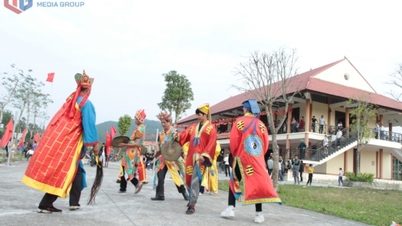
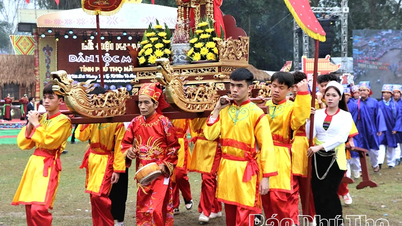
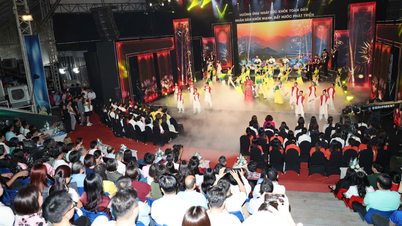
Thanks to the effective role played by artisans in cultural preservation over the past years, Binh Lieu district has developed unique cultural and tourism products. These include traditional festivals such as the Luc Na Temple Festival, the Soong Co Festival, the Kieng Gio Festival, the Golden Harvest Festival, and the Hoa So Festival; the completion of the project to build a Tay ethnic cultural village in Ban Cau hamlet (Luc Hon commune); the compilation of a Tay language teaching book; and the development of Then tours as a new and distinctive tourism product, allowing tourists to participate in a journey to explore the Tay culture in Binh Lieu.
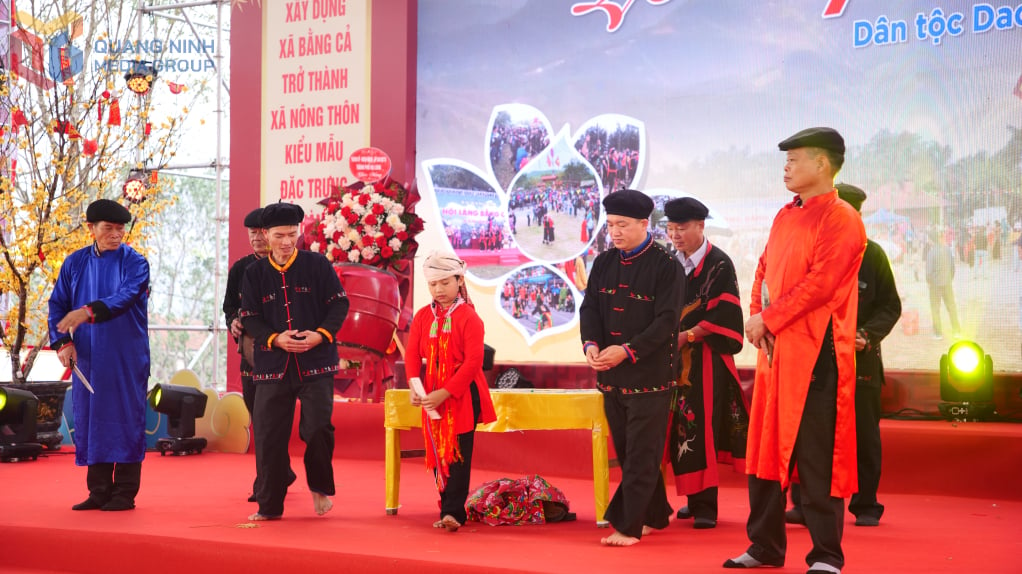
Along with Binh Lieu, Ha Long City is also effectively promoting the role of artisans in preserving and transmitting cultural heritage associated with tourism development. Bang Ca commune, Ha Long City, has three recognized Meritorious Artisans: Mr. Ly Van Ut, Mr. Dang Van Thuong, and Ms. Truong Thi Quy. Mr. Ly Van Ut is an artisan who preserves the rituals and methods of organizing the Thanh Y Dao village festival in Bang Ca, the dances in the coming-of-age ceremony, and the ancient Dao Nôm script. He and other artisans in the commune, after discussions, have revised the Thanh Y Dao coming-of-age ceremony, performing it in an accurate, economical, and effective manner. Mr. Ut shared: “The older generation like us tries our best to preserve the culture of the Thanh Y Dao ethnic group, ensuring that the culture of the Dao people does not fade away.”
Bearing the responsibility of preserving and transmitting the nation's traditional culture to the younger generation, and maintaining its enduring presence throughout history, few artisans can actually make a living from the valuable heritage left by their ancestors. Associate Professor Dr. Bui Hoai Son, Standing Member of the National Assembly's Committee on Culture and Education, commented: "Regarding the artists and artisans of Quang Ninh, I believe they are facing many difficulties. The lack of support mechanisms, insufficient salaries to ensure a decent life, and limited opportunities for exchange and learning prevent them from fully developing their talents and creativity. This is truly worrying."
Amidst the strong trend of exchange and integration, the number of artisans in the community is gradually decreasing over time, making the training of the next generation increasingly challenging. To effectively address the relationship between preservation and development, in addition to the State's management and guidance role, effective policies on cultural and heritage preservation are needed, along with specific mechanisms to reward, encourage, and honor artisans in a timely manner, so that they can contribute even more effectively to the preservation of traditional culture.
Dao Linh
Source

![[Photo] Prime Minister Pham Minh Chinh receives the Chinese Ambassador to Vietnam](https://vphoto.vietnam.vn/thumb/1200x675/vietnam/resource/IMAGE/2026/04/05/1775397481797_ndo_br_dsc-5512-jpg.webp)




















































Comment (0)