

Start your day with health news ; you can also check out other articles such as: Doctors advise on controlling high blood pressure; Causes of stomach cancer from eating habits...
Discover how exercise can significantly increase lifespan.
A new study, recently published in the British Journal of Sports Medicine , has found that fast runners live longer than average.
Accordingly, professional runners who achieve a time of running one mile in under four minutes have a lifespan that is 5 to 12 years longer than the average person .
Although many studies show that physically active people live longer than inactive people, it remains unclear whether exercising more than recommended is good or bad for health.

Professional runners who can complete a mile in under 4 minutes live 5 to 12 years longer than average.
While excessive exercise may put sedentary individuals at risk, the opposite is true for experienced athletes.
A new, large-scale 30-year study from Canada and Australia analyzed health data from the first 200 people to achieve the feat of running a mile (over 1,600 m) in under 4 minutes in the 1950s, 1960s, and 1970s.
The results revealed that these professional runners lived nearly 5 years longer on average than the general population. Readers can find more information on this topic in the health section of the May 12th issue.
Stomach cancer: Little-known risks from eating habits.
Science still doesn't know the exact cause of stomach cancer. However, diet is considered a significant factor contributing to an increased risk of this type of cancer. Among these are certain eating habits that many people unknowingly engage in.
Stomach cancer is the fifth most common type of cancer worldwide . Factors that increase the risk of stomach cancer include being over 60 years old, being male, having a family history of the disease, being overweight, drinking alcohol, smoking, and having had stomach surgery.

Eating a lot of grilled meat and little vegetables and fruits can increase the risk of stomach cancer.
Some research evidence also suggests that stomach cancer is linked to a type of bacteria called Helicobacter pylori, or H. pylori for short. Specifically, H. pylori infection increases the risk of cancer because this bacteria damages stomach tissue and causes inflammation. The consequence is stomach ulcers. In a small number of cases, it can lead to stomach cancer.
The prevalence of H. pylori infection is lower in developed countries than in developing countries, where food hygiene and water quality are poorer. This may partly explain why stomach cancer is more common in developed countries, according to Dr. Sunnie Kim, an expert at the University of Colorado Cancer Center.
A study published in the journal Nutrients indicates that consuming too much salt can also promote the invasion of H. pylori bacteria in the stomach. Excessive salt intake irritates the stomach lining, leading to damage and ultimately stomach cancer. Further details of this article will be available on the health page on May 12th.
Doctor advises on how to control high blood pressure.
Diastolic blood pressure is one of the two important indicators when measuring blood pressure, representing the pressure of blood against the walls of the blood vessels when the heart is at rest.
Normal diastolic blood pressure in healthy adults is below 80 mmHg. When diastolic blood pressure is high, especially when combined with high systolic blood pressure, it increases the risk of serious cardiovascular diseases.
There are many causes of high diastolic blood pressure, including: obesity, lack of exercise, unhealthy diet, smoking, diabetes, kidney disease, etc.
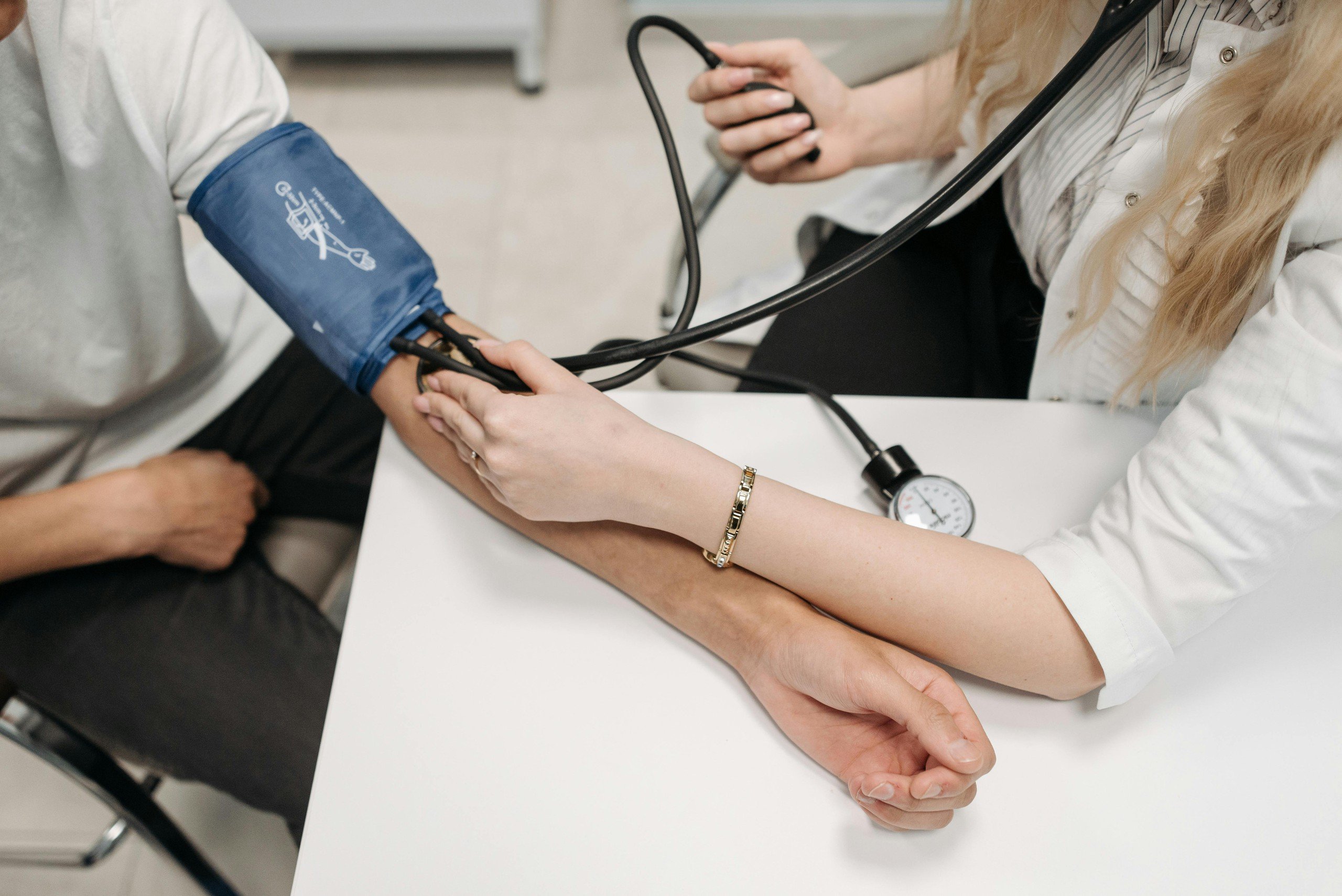
There are many causes of high blood pressure.
Good control of diastolic blood pressure plays a crucial role in protecting cardiovascular health.
Dr. Angela Ryan Lee, a cardiologist in the US, shared some lifestyle changes to help control diastolic blood pressure.
Exercise. According to the American Heart Association, regular exercise is one of the most effective ways to lower blood pressure, especially diastolic blood pressure.
Studies show that just 30 minutes of exercise a day, 5 days a week, can lower your diastolic blood pressure by 5-6 points.
Choose physical activities that suit your interests and abilities, such as walking, jogging, swimming, cycling, playing sports , etc., to maintain a regular exercise routine. Start your day with health news and read more in this article!
Source: https://thanhnien.vn/ngay-moi-voi-tin-tuc-suc-khoe-phat-hien-them-loi-ich-cua-chay-bo-185240511191951016.htm


![[Photo] Two flights successfully landed and took off at Long Thanh Airport.](/_next/image?url=https%3A%2F%2Fvphoto.vietnam.vn%2Fthumb%2F1200x675%2Fvietnam%2Fresource%2FIMAGE%2F2025%2F12%2F15%2F1765808718882_ndo_br_img-8897-resize-5807-jpg.webp&w=3840&q=75)

































































































Comment (0)