


Vehicle inspections will stabilize by the end of June, and a fee increase will be considered.
Raising questions about vehicle inspection, National Assembly Deputy Nguyen Truong Giang, Vice Chairman of the National Assembly's Law Committee, stated that over 70% of vehicle inspection centers are currently operated by non-state enterprises and need to recover their capital. However, he argued that the current inspection fee mechanism is very difficult to sustain, and many inspection centers may go bankrupt or be dissolved. Mr. Giang proposed reviewing and reforming the financial mechanism for vehicle inspection centers.
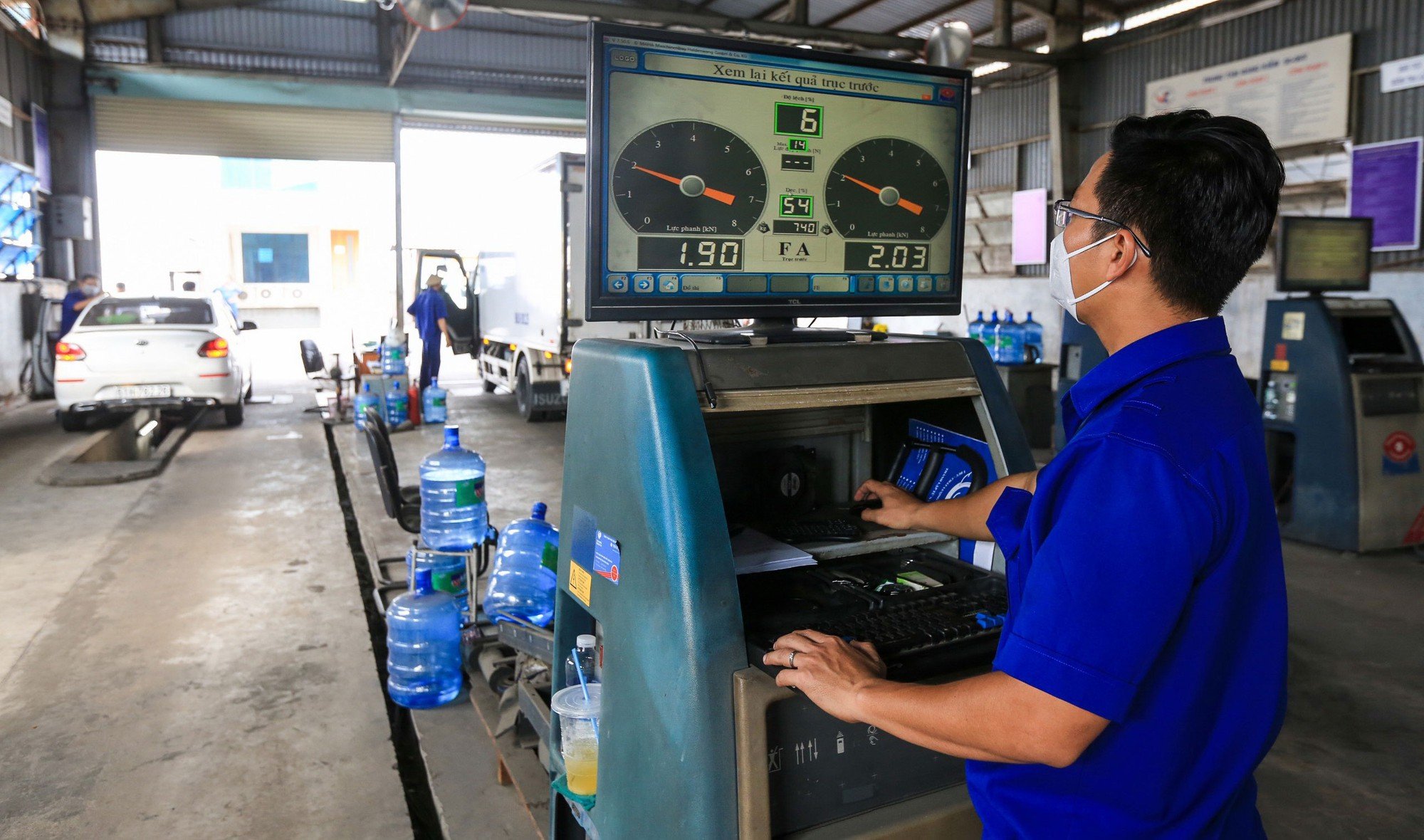
Vehicle Inspection Center XCG 50-06V (District 7, Ho Chi Minh City)
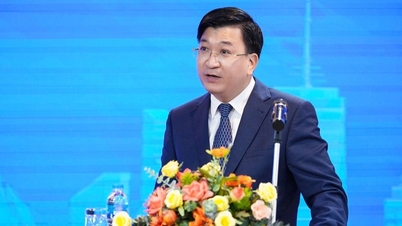
According to Minister Nguyen Van Thang, the recent incident during vehicle inspections was extremely serious, causing significant repercussions. Citizens and businesses were unable to register their vehicles. In the vehicle inspection sector alone, 600 leaders, officials, and employees were prosecuted. As many as 106 out of 281 inspection centers had to close. Mr. Thang stated that the Ministry of Transport has closely coordinated with other ministries and agencies, especially the Ministry of Public Security , to restore all vehicle inspection activities to serve the public and businesses. The Ministry of Transport has also issued Circulars 02 and 08, exempting new vehicles from initial inspection and extending the automatic inspection cycle (applicable to nearly 1.4 million vehicles) to align with international regulations and reduce time and costs for businesses.
Mr. Thang also agreed that the financial mechanism needs adjustment. The Ministry of Transport has coordinated with the Ministry of Finance to include in the draft revised Law on Prices the removal of vehicle inspection fees from the list of currently managed prices.
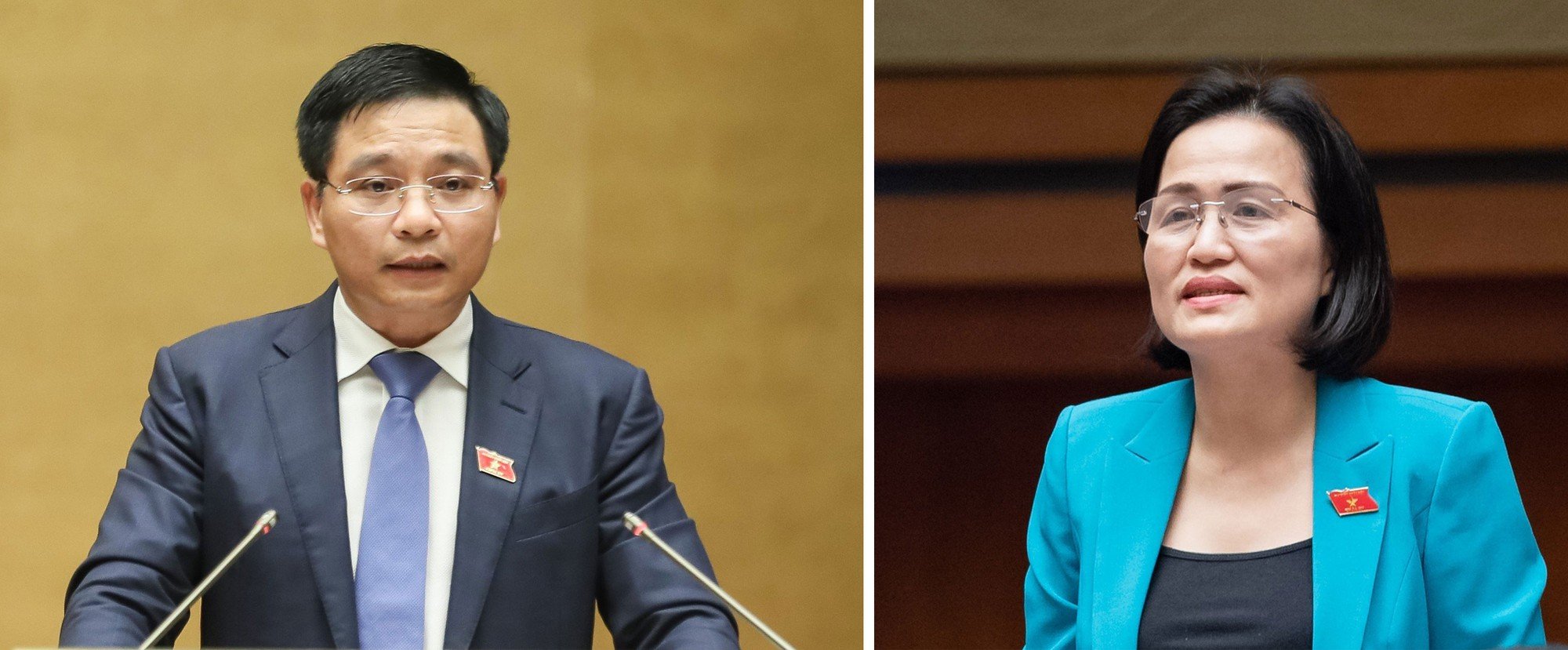
Minister of Transport Nguyen Van Thang (left), National Assembly Deputy Tran Thi Kim Nhung (Quang Ninh delegation)
Continuing the questioning, National Assembly Deputy Tran Thi Kim Nhung (Quang Ninh delegation) raised the issue of the "lack" of vehicle inspection services, stating that the Ministry of Transport is responsible for not promptly implementing solutions. "The Ministry of Transport should understand better than anyone the negative impact and disruption to people's lives if vehicle inspection services are lacking. It is necessary to thoroughly understand the General Secretary's viewpoint on combating corruption and negative practices: we must be skillful in 'catching the mouse without breaking the vase'," Ms. Nhung stated.
This delegate also requested Deputy Prime Minister Tran Hong Ha to provide a clearer explanation of the Government's responsibilities in directing and managing the process. At the same time, he requested Deputy Prime Minister Le Minh Khai to draw lessons from the vehicle inspection incident regarding the fight against corruption and negative practices.
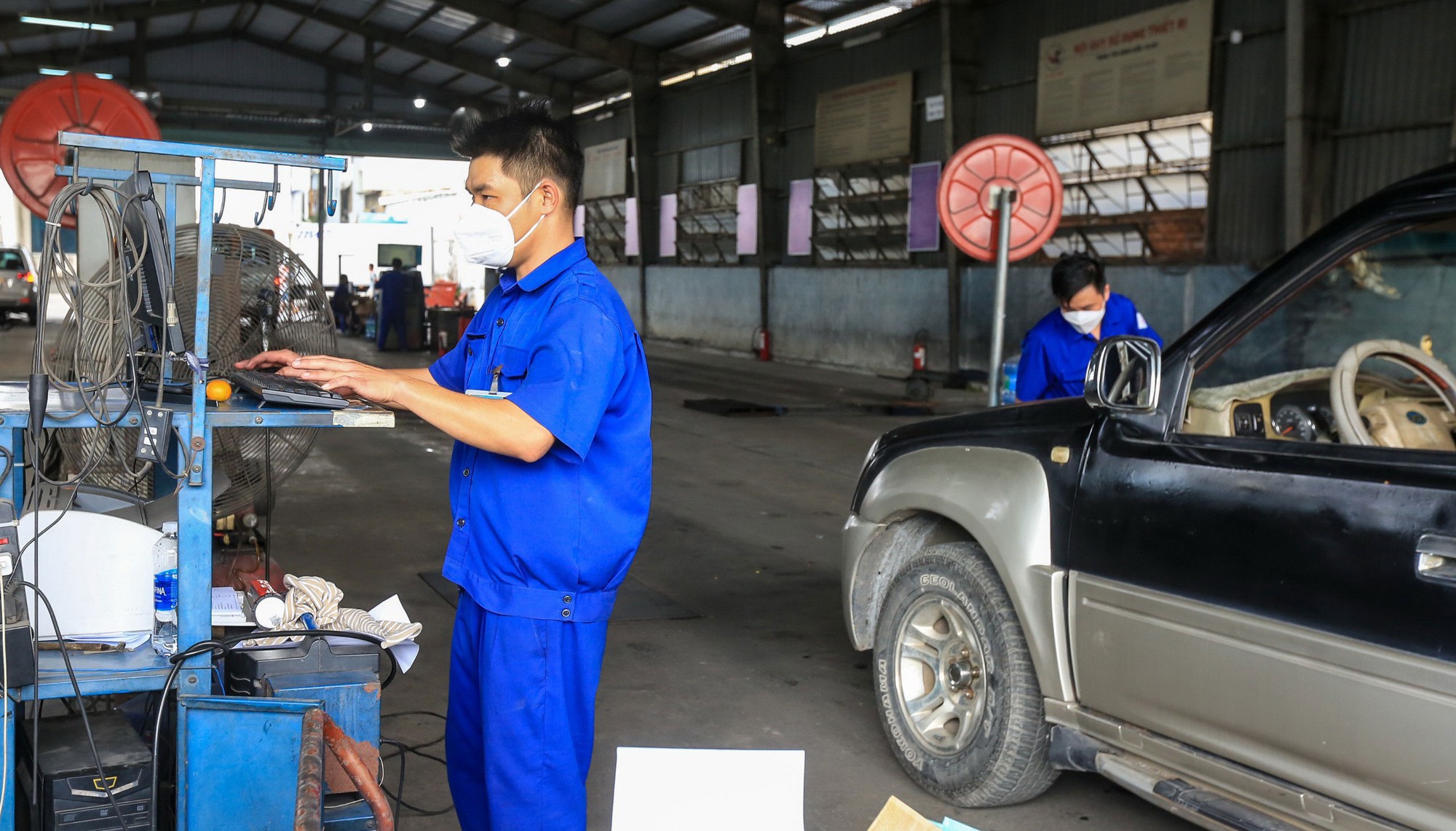
The Minister of Transport said that vehicle inspection operations will stabilize by the end of June.
According to Mr. Thang, the whole country only has over 2,000 vehicle inspectors, but after the incident, nearly a third of them were lost. Meanwhile, recruiting one inspector takes a lot of time, from training to certification, sometimes taking a whole year. The leaders of the Ministry of Transport also stated that this was an unavoidable situation, and they have currently recruited an additional 350 inspectors. In the near future, the Ministry of Transport will submit to the Government a proposal to amend Decree 139 to adjust the mechanism so that each inspection line does not necessarily require three inspectors. "The human resources for the coming period will certainly be sufficient. We commit that by the end of June, or no later than the beginning of July, vehicle inspection operations will return to normal," Minister Thang emphasized.
Proposal for the state to buy back stalled BOT projects.
Representative Le Hoang Anh (Gia Lai delegation) argued that in reality, many businesses invest in BOT (Build-Operate-Transfer) transportation projects, but are unable to recoup their investment because the Ministry of Transport invests in parallel or bypass routes using state budget funds, disrupting the project's financial plan. For example, the BOT project to expand the Ho Chi Minh Highway (QL14) in Dak Lak province was put into use less than a year before the Ministry of Transport invested in a bypass route around Buon Ho town using state budget funds, pushing the business to the brink of bankruptcy.
Responding to the National Assembly representative, Minister Thang stated that this was something "impossible to fully anticipate." He explained that due to the high demand for transportation infrastructure and limited resources, investors were invited, but with the development process and the increasing need for connecting transportation infrastructure, many projects have been affected.
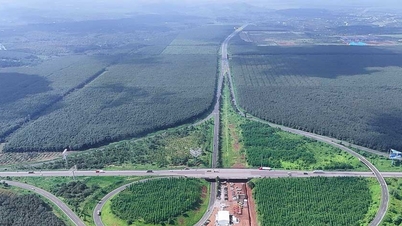
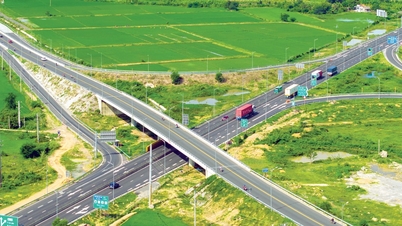
"With the upcoming completion of the entire North-South expressway in the east, many businesses will be affected due to traffic sharing. For example, after the recent inauguration of the Dau Giay - Phan Thiet expressway, in just the past month, the BOT toll station on National Highway 1A in Binh Thuan saw an 83% reduction in traffic because people used the new routes which were faster, less crowded, and free," Mr. Thang stated, adding that under the PPP law, when a BOT project's profit exceeds 125%, the investor shares the remaining profit with the state; conversely, if the profit is less than 75% of the expected profit, the state shares it.
Considering the Minister of Transport's response "unconvincing," National Assembly Deputy Nguyen Thi Thu Nguyet (Dak Lak delegation) stated that since 2018, the Ministry of Transport has committed to reducing toll fees at BOT toll stations for residents within a 5km radius, and subsequently proposed buying back these BOT stations. Ms. Nguyet requested a specific roadmap, at least ensuring the commitment to reduce fees for local residents is fulfilled. Deputy Nguyen Quang Huan (Binh Duong delegation) and many other deputies raised concerns about the unresolved issues facing BOT projects and asked the Minister of Transport to clarify the responsibilities and future solutions. According to Mr. Thang, the Ministry of Transport has been working on this issue, but many obstacles remain, particularly concerning contracts signed between state management agencies and investors. "The state and businesses must be treated equally when signing contracts. Many projects are not the fault of the investor, nor of the state, but rather arise from socio-economic development and practical needs," Mr. Thang said, adding that he has submitted a proposal for the state to acquire 8 BOT projects.
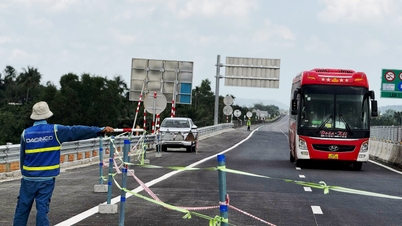
Regarding investment in 4-lane expressways, National Assembly Deputy Nguyen Thanh Hai (Thua Thien-Hue delegation) presented the current situation in the locality, which has two expressways, Cam Lo - La Son and La Son - Tuy Loan, but both only have 2 lanes, posing a potential safety risk. The Deputy asked the Ministry of Transport whether it had reviewed the existing 2-lane expressways and when they would be upgraded and expanded.
Minister Thang stated that investing in complete 4-lane expressways, or even more than 6-8 lanes, is very correct and necessary. The Prime Minister has always directed that every route invested in be fully completed. Due to limited resources, many routes only have the funds to invest in 2 lanes because the initial traffic volume is not large. "Despite the Prime Minister's directive to make efforts, there are still 5 routes with only 2 lanes. The Ministry of Transport acknowledges this and seriously considers it, advising the Government to continue expanding. The Government has also directed that priority be given to funding and budget allocation to upgrade 2-lane expressways to complete 4-lane expressways," Mr. Thang said.
Six cases of misconduct in driver training have been transferred to the police for investigation.
Representative Nguyen Thi Hue (Bac Kan delegation) stated that the management of driver training, testing, and issuance/renewal of driver's licenses still has many limitations, including the issuance of licenses to drug addicts and those lacking legal capacity or health. Ms. Hue requested solutions to end this situation.
The Minister of Transport acknowledged the reality of issuing driver's licenses to drug addicts. The Ministry of Transport has conducted a comprehensive inspection of driver training, testing, and licensing procedures, and will strictly handle any violations found. The Ministry has transferred six cases to the police for further investigation and is revising regulations to tighten management in the future, preventing the training and issuance of driver's licenses to drug addicts and those lacking legal capacity. The Ministry of Transport has directed all local Departments of Transport to focus on leading and strictly handling violations. "Currently, this work has been decentralized to the localities, with the Ministry only managing state affairs. We will continue to revise legal documents to create conditions for localities to lead and direct the control of this issue," Mr. Thang emphasized.
Source link


![[Photo] Prime Minister Pham Minh Chinh presides over a meeting to assess the situation during the Lunar New Year holiday.](https://vphoto.vietnam.vn/thumb/1200x675/vietnam/resource/IMAGE/2026/02/22/1771768925196_ndo_br_dsc-6283-jpg.webp)



















































































Comment (0)