

One morning in 2009, after England's U21 team suffered a crushing 0-4 defeat to Germany's U21 team in the European Cup final, then-FA Technical Director Sir Trevor Brooking sat silently in a hotel in Malmo, Sweden. Amidst the fragments of that defeat, he raised a seemingly small but systemic issue: "We are not producing players like Mesut Ozil."
Of course, Germany didn't just have Ozil. They also had Neuer, Boateng, Hummels, Howedes, Khedira – names that later became pillars in their 2014 World Cup-winning campaign. But Ozil at that time was a symbol of technical, sophisticated, and distinctive football – something that English football had barely produced for many years.
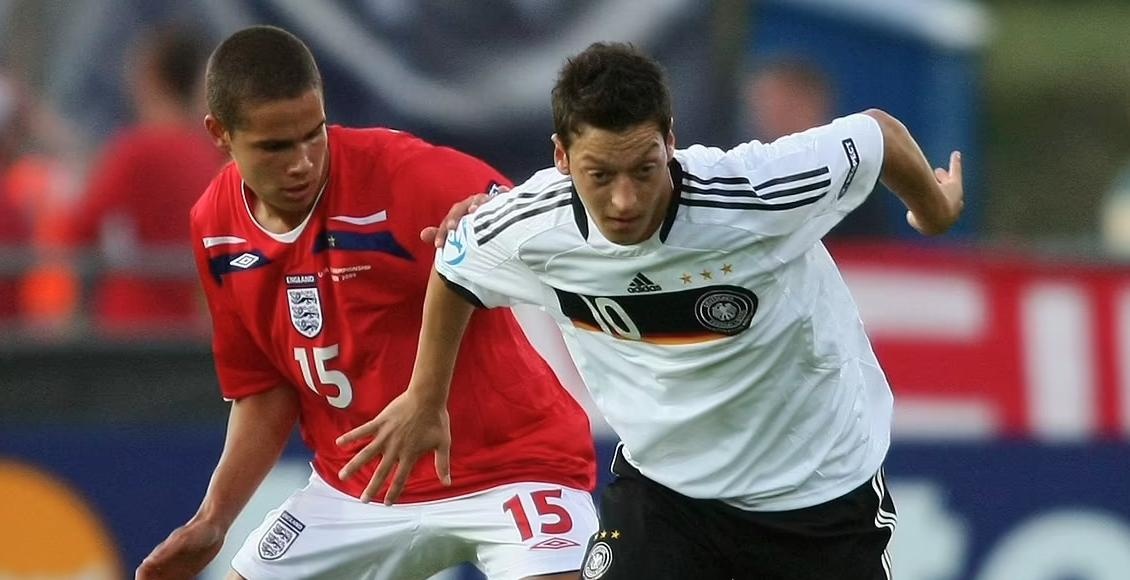 |
Ozil used to be a nightmare for English football. |
An ambitious but incomplete plan.
Sir Trevor Brooking loves Ozil's style of football – intelligent, fluid, creative, and difficult to predict. He believes that if English football doesn't change its youth development system, it will never be able to produce players like him.
From there, the FA embarked on the Elite Player Performance Plan (EPPP) – a project to gather the best young talents at the most modern academies. Combined with the world-class training center St George's Park, English football hopes to produce a generation of elite players.
And indeed, there are promising names. Phil Foden, Mason Mount, Bukayo Saka, Kobbie Mainoo, Rico Lewis, Myles Lewis-Skelly, and Ethan Nwaneri have recently emerged. They are all technically gifted, skillful players who can play in multiple positions, move between lines, and control the ball in tight spaces, similar to Ozil, but still lacking in their full potential.
Despite having many quality attacking midfielders and full-backs, England is severely lacking in crucial central midfield positions. They are short of center-backs, defensive midfielders, strikers, and goalkeepers. These are positions that demand character, experience, and tactical prowess – qualities that many young players today don't have the opportunity to acquire.
They don't get enough competitive experience between the ages of 18 and 21. Big clubs prefer foreign players, while lower-league teams are hesitant to use academy talents accustomed to "clean football" on the perfect pitches of their training grounds.
Declan Rice was released by Chelsea, and Jude Bellingham moved to Germany at a very young age. Ezri Konsa and Dan Burn, the central defensive duo who started against Albania on March 22nd, began their careers in the lower leagues. This is evidence of the difficulty in developing "backbone" positions in England.
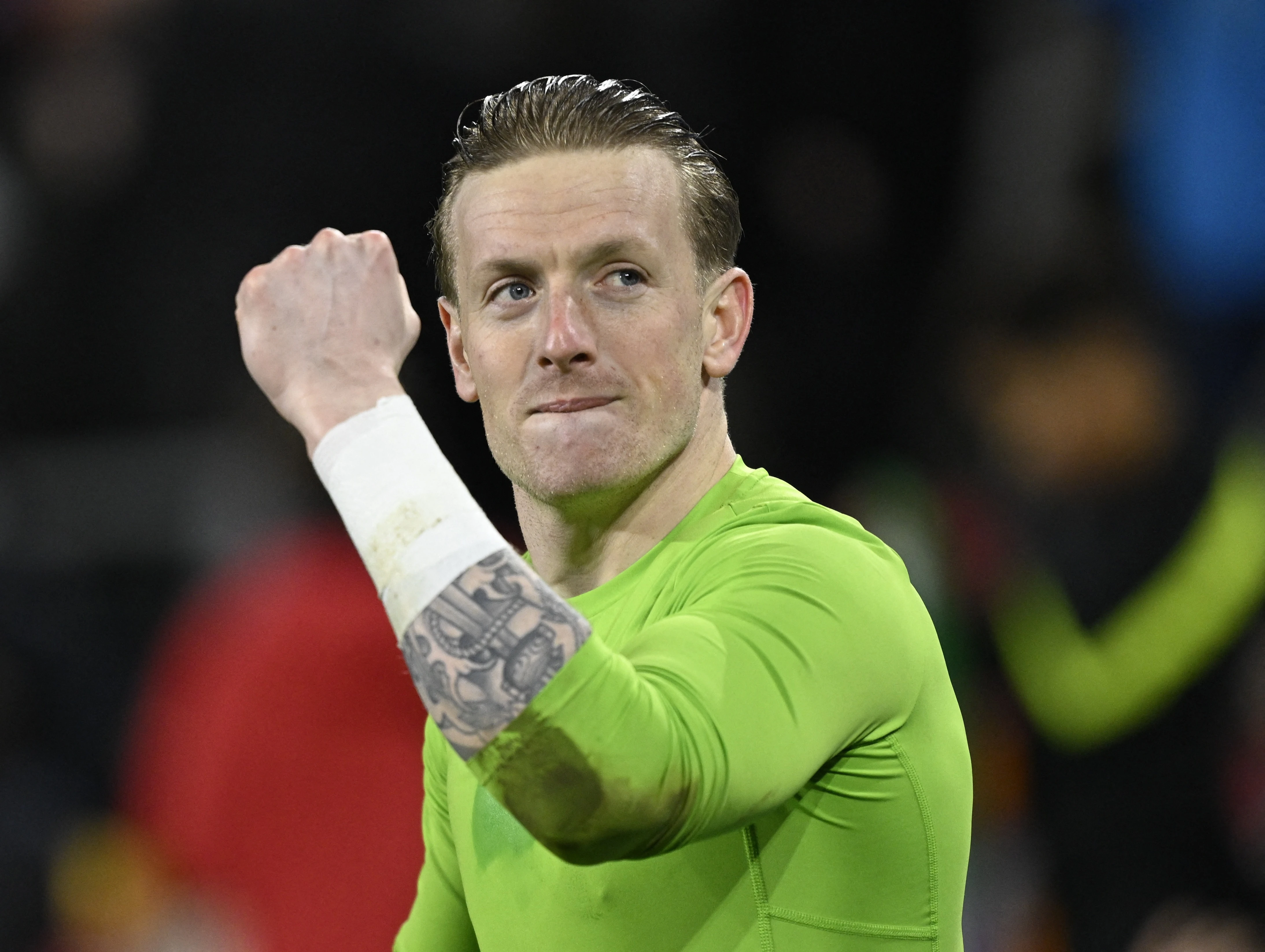 |
The goalkeeper position in the England national team is considered to be not as high-class as that of the world's top teams. |
A training ecosystem that is out of sync with real-world needs.
"At center back, England doesn't have many top-class players," Fabio Capello commented in an interview with Mail Sport . "And their goalkeeper is just average."
With the introduction of EPPP, major clubs gathered the best players at the age of 15-16, but didn't give them enough time to play professionally. Without real competition, many seemingly "naturally gifted" talents gradually lost their motivation, drifted away, and disappeared from the football map.
Furthermore, the style of play in the Premier League is vastly different from the rest of English football. Teams in League One and League Two don't easily employ goalkeepers and defenders trained to "pass the ball in the penalty area." Instead, they tend to tackle and clear the ball decisively.
The sporadic successes and standout individuals like Lewis-Skelly cannot mask the deep-seated flaws in England's football talent development system. This system still suffers from significant gaps and a lack of a sustainable development strategy.
It's time to reconsider what kind of football England is training its players for, and whether it's providing the necessary conditions for them to develop. If they can't solve the problem of the "backbone of the team," England may continue to produce talented players, but lacking the foundation to win championships. And Ozil, in a way, remains a shadow they haven't yet reached.
Source: https://znews.vn/noi-tran-tro-cua-bong-da-anh-post1540542.html


![[Photo] President Luong Cuong receives Speaker of the Jordanian House of Representatives Mazen Turki El Qadi](/_next/image?url=https%3A%2F%2Fvphoto.vietnam.vn%2Fthumb%2F1200x675%2Fvietnam%2Fresource%2FIMAGE%2F2026%2F02%2F03%2F1770112220330_ndo_br_1-3704-jpg.webp&w=3840&q=75)


![[Photo] Prime Minister Pham Minh Chinh receives Philipp Rösler, Chairman of the Switzerland-Vietnam Economic Forum.](/_next/image?url=https%3A%2F%2Fvphoto.vietnam.vn%2Fthumb%2F402x226%2Fvietnam%2Fresource%2FIMAGE%2F2026%2F02%2F03%2F1770121222295_ndo_br_dsc-8709-jpg.webp&w=3840&q=75)





Comment (0)