



Taking us on a tour of the village, Mr. Pham Van Xuan, head of Quyet Tam village, Thai Nien commune, proudly showed us how many new houses have sprung up, how the lives of the villagers have improved, and how there are no longer any poor households in the village. Mr. Xuan said that these changes did not happen overnight, but are the result of the efforts and determination of the villagers to overcome difficulties over many generations.
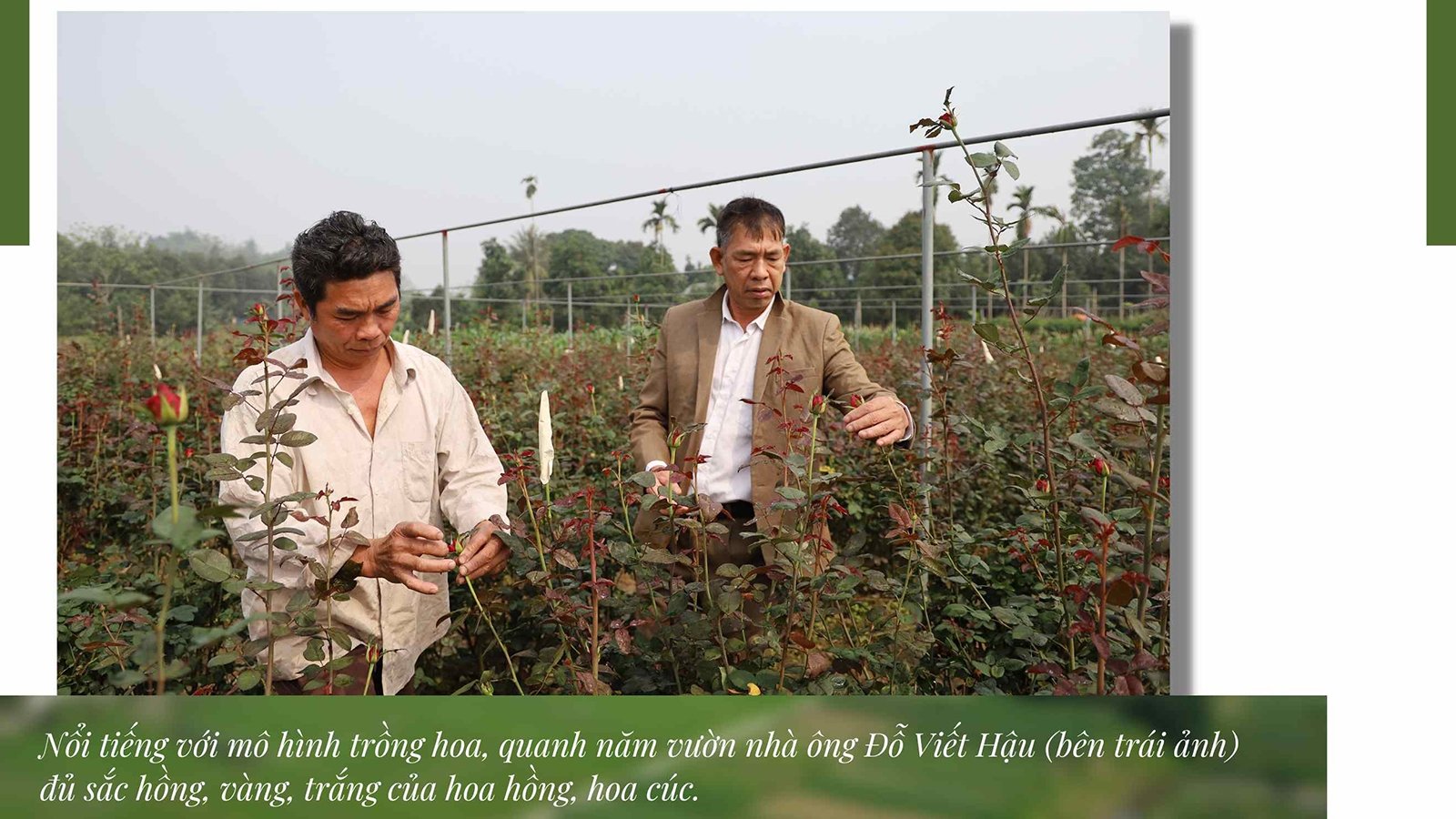
Mr. Do Viet Hau's family is one of the exemplary farming households demonstrating such determination and effort. Famous for their flower cultivation model, Mr. Hau's garden is filled year-round with the pink, yellow, and white hues of roses and chrysanthemums. Each month, from flower farming, Mr. Hau's family earns an average income of 5-7 million VND. Pointing to his family's flower garden, Mr. Hau recounted: "This land used to be used for rice cultivation, which provided enough food, but if I hadn't boldly switched to a new model, it would have been difficult to increase my income. Therefore, I diligently researched and learned techniques to introduce various flower varieties for trial cultivation."
After many setbacks, Mr. Hau finally mastered the techniques of planting, caring for, and preventing diseases in flowers. He readily shared his experience with his fellow villagers so they could follow suit.

Quyet Tam village was formed in the 1960s when people from the countryside of Hai Phong, answering the call of the Party, came to build a new economy .
Mr. Xuan said: According to stories told by the elders in the village, back then, besides people originally from Hai Phong, there were also some people from Ba Vi ( Hanoi ) and Dao ethnic people who had settled here for a long time. At that time, the village still used its old name, Mi village.
During the resistance war against the US, Mi village established a cooperative with three groups: a rice cultivation group, a vegetable cultivation group, and a forest planting group. The members competed with each other, contributing labor and resources to the victory of the resistance war. In the early 1990s, the cooperative dissolved, and two new villages were established: Mi and Khe Mi. In 1994, Mi village changed its name to Quyet Tam and has retained that name to this day.
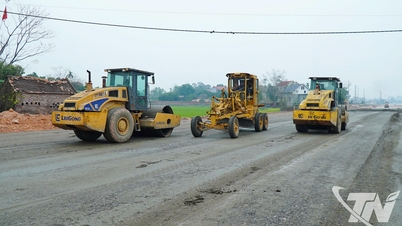
Before the Pho Moi - Bao Ha road was built, Quyet Tam village was like an isolated island. To reach Pho Lu town or Lao Cai city, residents had to follow the railway tracks for tens of kilometers to get to the main road. Since the new road was completed, trade has become easier, and the villagers have changed their mindset, boldly converting less productive rice fields into vegetable and flower cultivation.
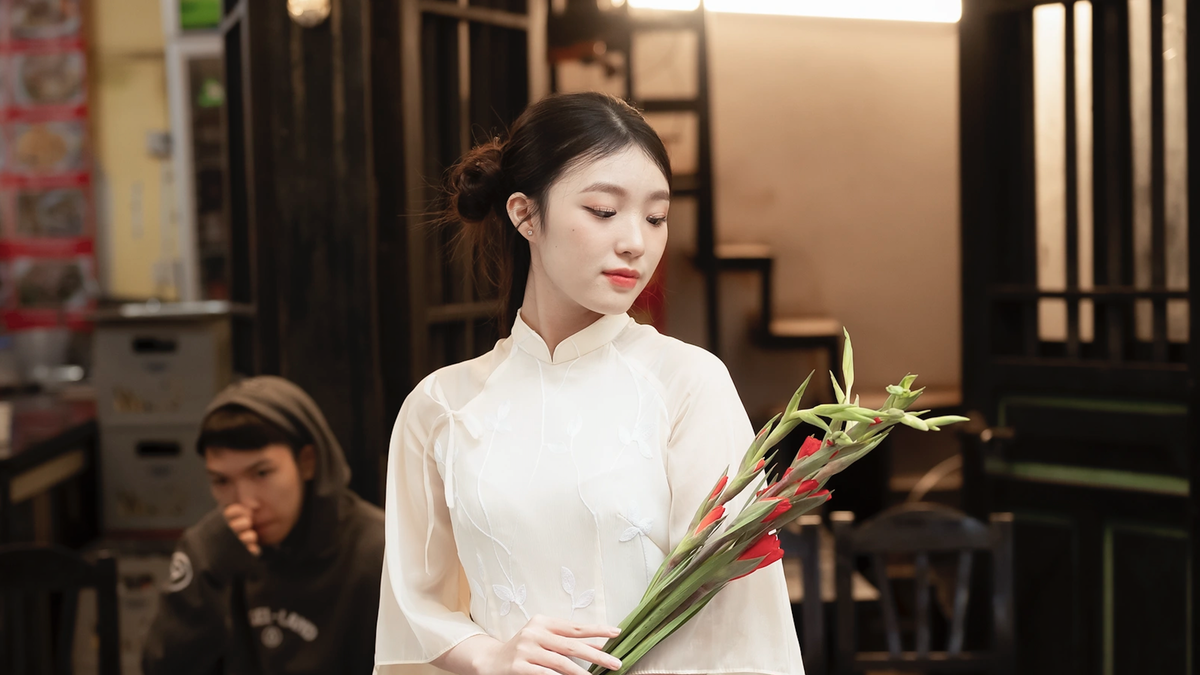
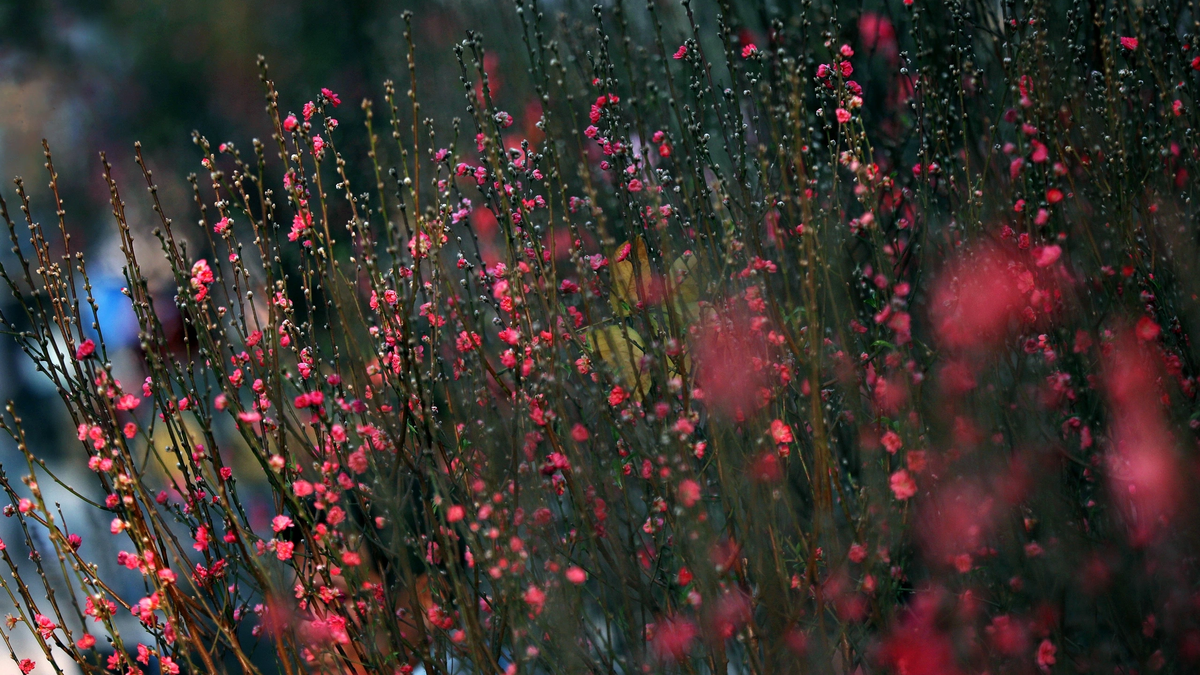
To date, the village has over 10 hectares of various flowers, especially high-quality gladiolus, which are supplied specifically for the Lunar New Year. In addition, there are 17 hectares of land dedicated to vegetable cultivation; 3.5 hectares of fruit trees; and 900 hectares of planted forest... Mr. Xuan stated that in 2023, the average income of the villagers reached 62 million VND per person, ranking among the top villages in Thai Nien commune.
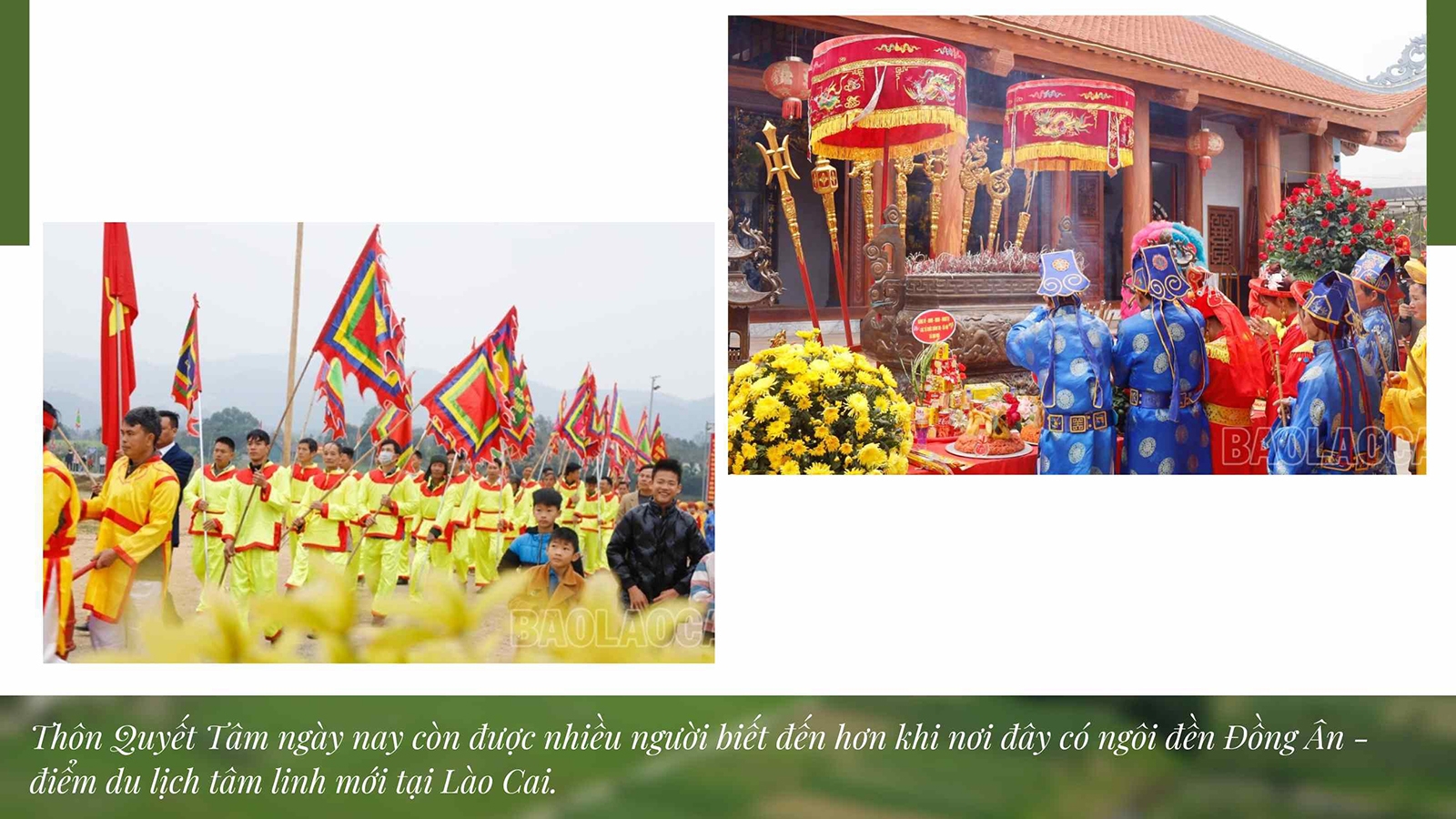
Today, Quyết Tâm village is even more well-known for the Đồng Ân Temple – a new spiritual tourism destination in Lào Cai. The temple, dedicated to the national hero Trần Quốc Tuấn (Hưng Đạo Đại Vương), has undergone many years of restoration, renovation, and expansion. It not only commemorates the fighting spirit and defense of the nation's borders and territory but also enriches the spiritual culture of this riverside region.

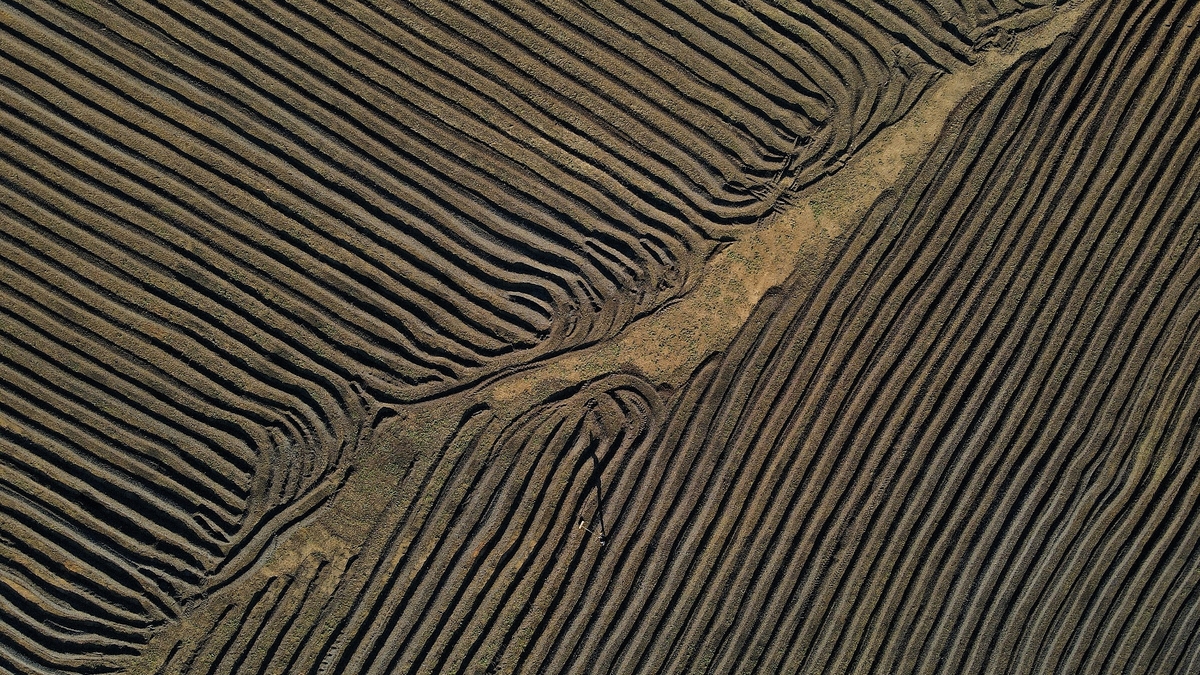
This season, the fields of Dong Tam village, Son Hai commune, are a lush green with corn, rice, and other crops. The straight, winding roads within the fields are bustling with people plowing and tilling, resembling the scenery of a Northern Vietnamese village.
Mr. Dao Quoc Tich, head of Dong Tam village, proudly stated that along the Red River in the Son Ha, Pho Lu, and Son Hai areas, nowhere else boasts such vast, open rice fields as here. Because of this, for generations, the people of Dong Tam have never worried about hunger.

The fertile fields we see today are the result of the hard work of many generations. Previously, this riverside land was nothing but swamps and reeds. In the 1960s, people from the lowlands of Ha Nam and Hai Phong came to build a new economy and joined hands with the local people to reclaim and improve the land.
Within the district, there are many villages with names that, just by hearing them, evoke a sense of motivation, such as Tan Phong (Phong Nien commune), Phu Xuan (Gia Phu commune), Tan Quang (Xuan Quang commune), Phu Long, Phu Cuong (Pho Lu town), Phu Thinh (Phu Nhuan district)...
Each year, the river's alluvial deposits enrich the banks, making them even more fertile. Yet, there are also years when the water changes its nature, and raging floods sweep away the fruits of the people's labor. Mr. Tich is still haunted when he recounts the historic flood of 1986, when the entire riverside area was submerged, and large areas of rice and crops that were about to be harvested were completely destroyed. After the flood, the farmers here toiled tirelessly under the sun and rain to restore production, bringing back the green color to the fields.
It is the unity, cooperation, and shared commitment of the households from the lowlands and the local people in building their homeland that is the origin of the village's name as it is today. Mr. Tich said: "Previously, the village was called Dong Ham, Goc Moc. In 1989, the village was divided, forming two villages called Dong Tam and Co Hai. Since then, the name Dong Tam has been associated with this land to this day."

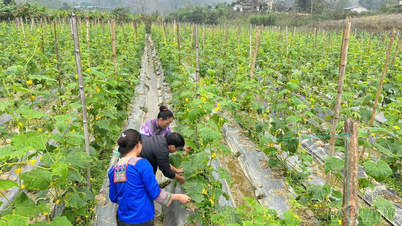
Taking advantage of the fertile alluvial soil and the state's investment in a robust irrigation system, the people of Dong Tam village have actively transformed their crop structure, introducing high-yield vegetable and flower varieties for large-scale production, turning it into a commercial area. The cabbage and tomato crops in Dong Tam supply many distributors in Bao Thang and Lao Cai city. Many households in the village have become wealthy from specialized vegetable farming, such as the families of Mr. Phan Long Khanh and Mr. Phan Trong Bien… “Here, households build houses, raise their children, and send them to school all thanks to vegetable farming,” Mr. Tich said.

Sharing about the inspiring names of villages, the Head of the Internal Affairs Department of Bao Thang District, Ngo Huu Tuong, said: "In our district, there are many villages with names that, just by hearing them, feel like they are being given more motivation, such as Tan Phong (Phong Nien commune), Phu Xuan (Gia Phu commune), Tan Quang (Xuan Quang commune), Phu Long, Phu Cuong (Pho Lu town), Phu Thinh (Phu Nhuan)... Some villages were named during the years of fervent socialist construction in the North and the resistance war against the US in the South; some villages have names with a history of hundreds of years, representing the hopes of previous generations for their homeland to change and prosper."
It is also a remarkable coincidence that the villages bearing such inspiring names are all pioneers in the new rural development movement in Bao Thang district over the past years.
Source









![[Photo] The Vietnamese community in France joyfully celebrates the Lunar New Year of the Horse 2026.](https://vphoto.vietnam.vn/thumb/1200x675/vietnam/resource/IMAGE/2026/02/15/1771132773753_tet-baltard-2026-minh-duy-1-jpg.webp)





































![[Photo] Coc Ly market bustling on the eve of Tet](https://vphoto.vietnam.vn/thumb/402x226/vietnam/resource/IMAGE/2026/02/14/1771062261424_baolaocai-br_img-6457-jpg.webp)





Comment (0)