

On September 27th, information from Quang Ninh Provincial General Hospital indicated that the unit had just treated a male patient infected with Whitmore's disease, also known as "flesh-eating" bacteria.
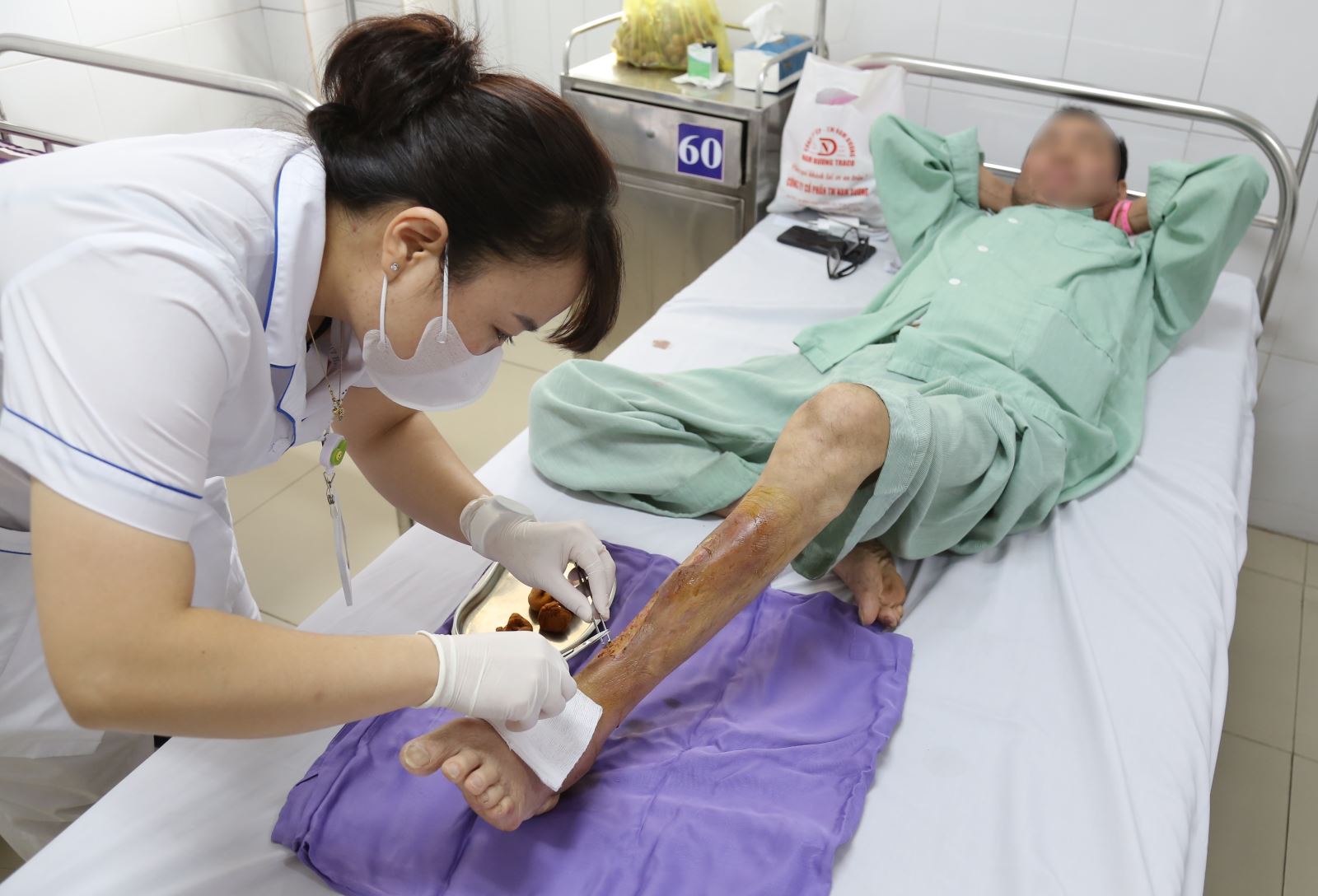
Doctors treat male patient infected with flesh-eating bacteria.
A few days ago, Mr. PVK (45 years old, residing in Ha Long City, Quang Ninh province) was hospitalized with fatigue and a persistent high fever. The patient also stated that the symptoms appeared after spending many days wading through water and mud to clean his house after Typhoon No. 3.
According to Mr. K., he took fever reducers at home but his condition did not improve, so he was hospitalized. At the hospital, he underwent tests and the results showed that he had sepsis caused by the bacterium Burkholderia Pseudomallei (Whitmore). The patient is being closely monitored and treated by doctors in the Department of Tropical Diseases. Currently, his health is stable, his fever has subsided, and he feels less tired.
Another case involves patient TQT (49 years old, residing in Ha Lam Ward, Ha Long City), who was admitted to the hospital with an open wound on his left lower leg, swelling, pain, edema with signs of pus formation, and high fever.
Doctors diagnosed the patient with cellulitis of the left lower leg, with suspected sepsis. The patient reported falling onto a broken tree branch, causing abrasions, followed by intermittent fever, chills, and swelling and ulceration of the lower leg. After a week of intensive treatment with an appropriate protocol, the patient's fever has subsided, the wound is healing, and the patient is expected to be discharged in the next few days.
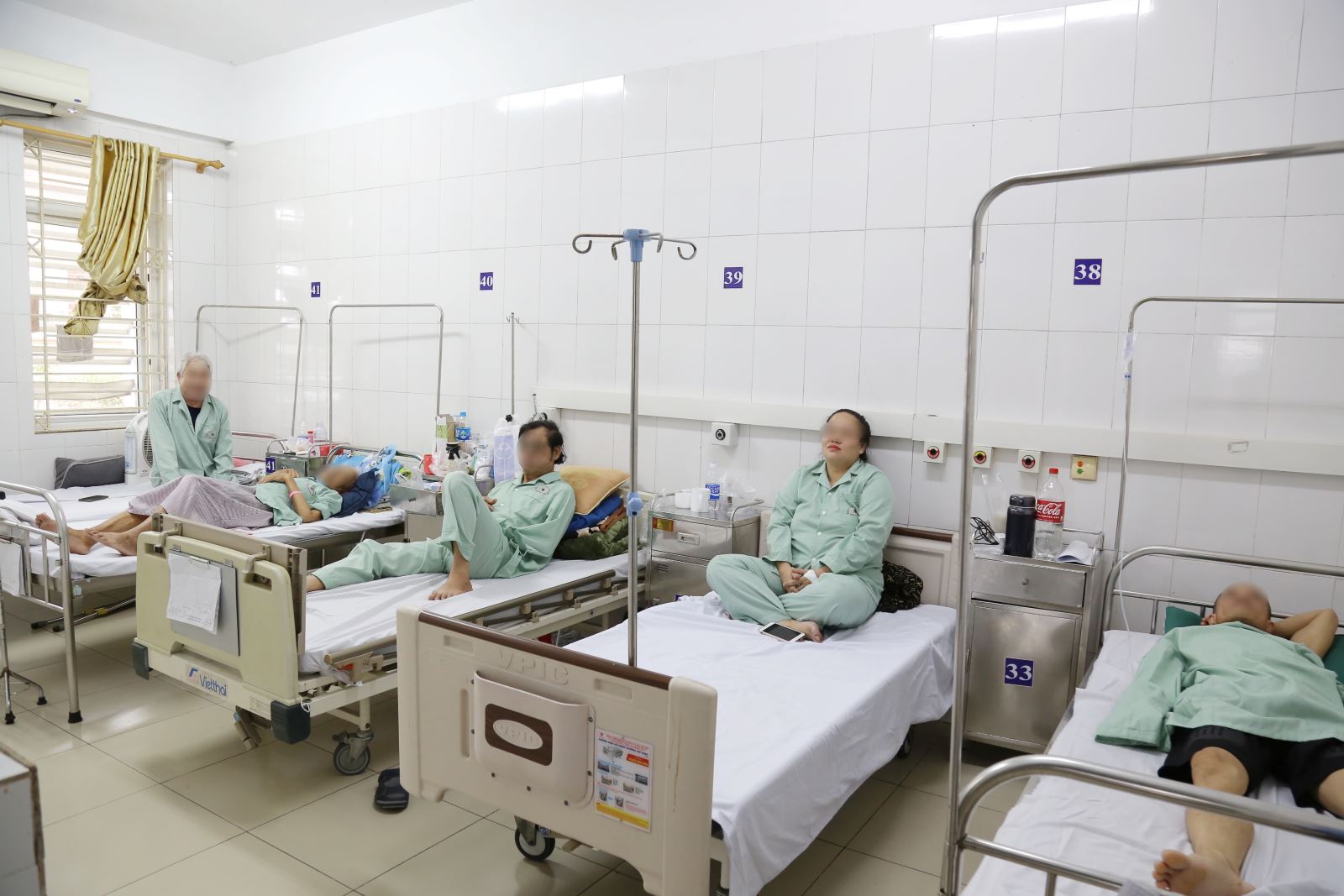
Many patients with bacterial infections were hospitalized after Typhoon No. 3 in Quang Ninh.
According to Dr. Luong Xuan Kien, Head of the Department of Tropical Diseases (Quang Ninh Provincial General Hospital), after storms and heavy rains, many microorganisms, garbage, and waste are carried by the water to many places, causing water and food pollution, and increasing the number of cases of disease and infection in the community.
Bacteria can cause illness through the respiratory tract or contact with contaminated environments, especially those bacteria that thrive in muddy, dirty soil. The risk of infection is even higher for people with open wounds or abrasions on their skin.
Doctor Kien advises that after the rainy season, people need to take measures to prevent skin diseases and infections, such as daily personal hygiene, washing hands with soap; and avoiding direct contact with soil and stagnant dirty water.
Especially when there are open wounds or bleeding scratches, clean your home and environment with protective equipment immediately after the water recedes, and disinfect surfaces with antiseptic solutions. In addition, people should cook food thoroughly and boil water before drinking, avoid unhygienic food and contaminated water sources, and increase their nutritional intake to boost their immune system.
If you experience unusual symptoms such as prolonged high fever, fatigue, loss of appetite, swelling and pain in certain areas of the body, or nausea, vomiting, digestive disorders, loose stools, etc., you should go to the hospital for timely examination and treatment.
Source: https://thanhnien.vn/nhiem-khuan-an-thit-nguoi-khi-don-nha-sau-bao-so-3-185240927145900174.htm

































































































Comment (0)