

Strict but still not reasonable.
Regarding the implementation of the 2010 Mineral Law, Mr. Nguyen Cong Binh, Head of the Department of Natural Resources and Environment of Nam Giang district, stated that the regulations have created a new framework and policy on minerals in a strict, transparent, and manageable manner. However, there are still many unreasonable aspects when applied locally. The regulations on the procedures for granting mining licenses (sand, gravel) are cumbersome, time-consuming, and not suitable for the local reality, which mainly consists of small-scale mines with low reserves that frequently change due to rain and floods. If the application process for mining licenses is carried out according to regulations, it will not meet the requirements, is time-consuming, and therefore difficult to attract businesses and investment in mining.
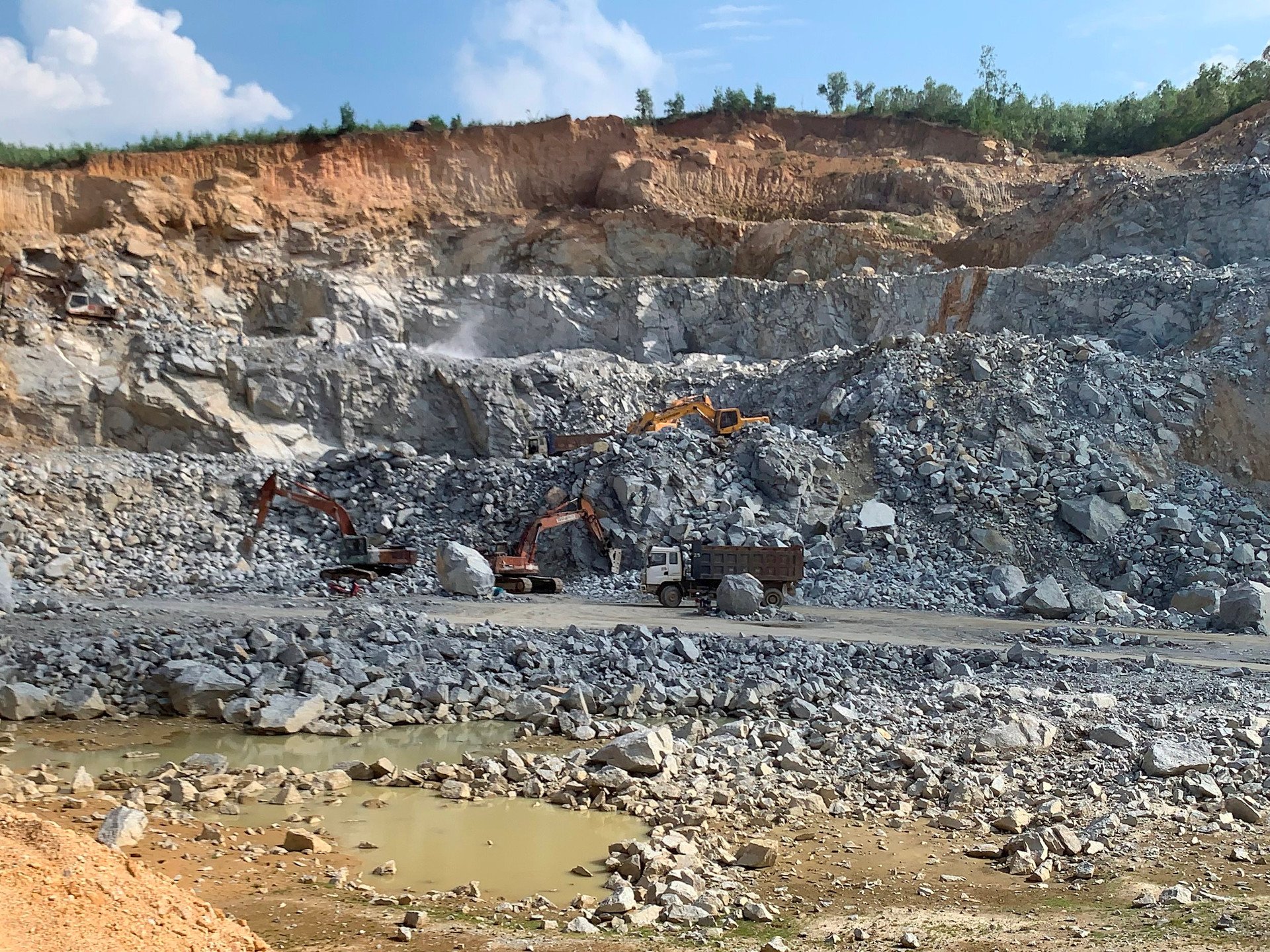
The process of supplementing planning, establishing exploration procedures, and granting mining licenses involves multiple sectors and is linked to forest development planning. Furthermore, many mining sites are located within planned production forest areas, thus prolonging the time required for land-use conversion and relocation outside of forest planning, hindering investment by businesses. In addition, the vast geographical area, difficult transportation, and limited staff also affect the monitoring and detection of illegal mining activities. To date, the locality lacks the funding to conduct a thorough assessment of the area's mineral potential for inclusion in planning, aiming for efficient exploitation and utilization to contribute to the socio-economic development of the district.
“Currently, the district is experiencing a shortage of sand and gravel for common construction materials, but obtaining permits is very difficult. Therefore, it is necessary to consider a mechanism to authorize the District People's Committee to grant permits for the exploitation of sand for common construction materials in small-scale areas with reserves of approximately 1,000m³ - 2,000m³ to meet the construction needs in the district,” Mr. Binh suggested.
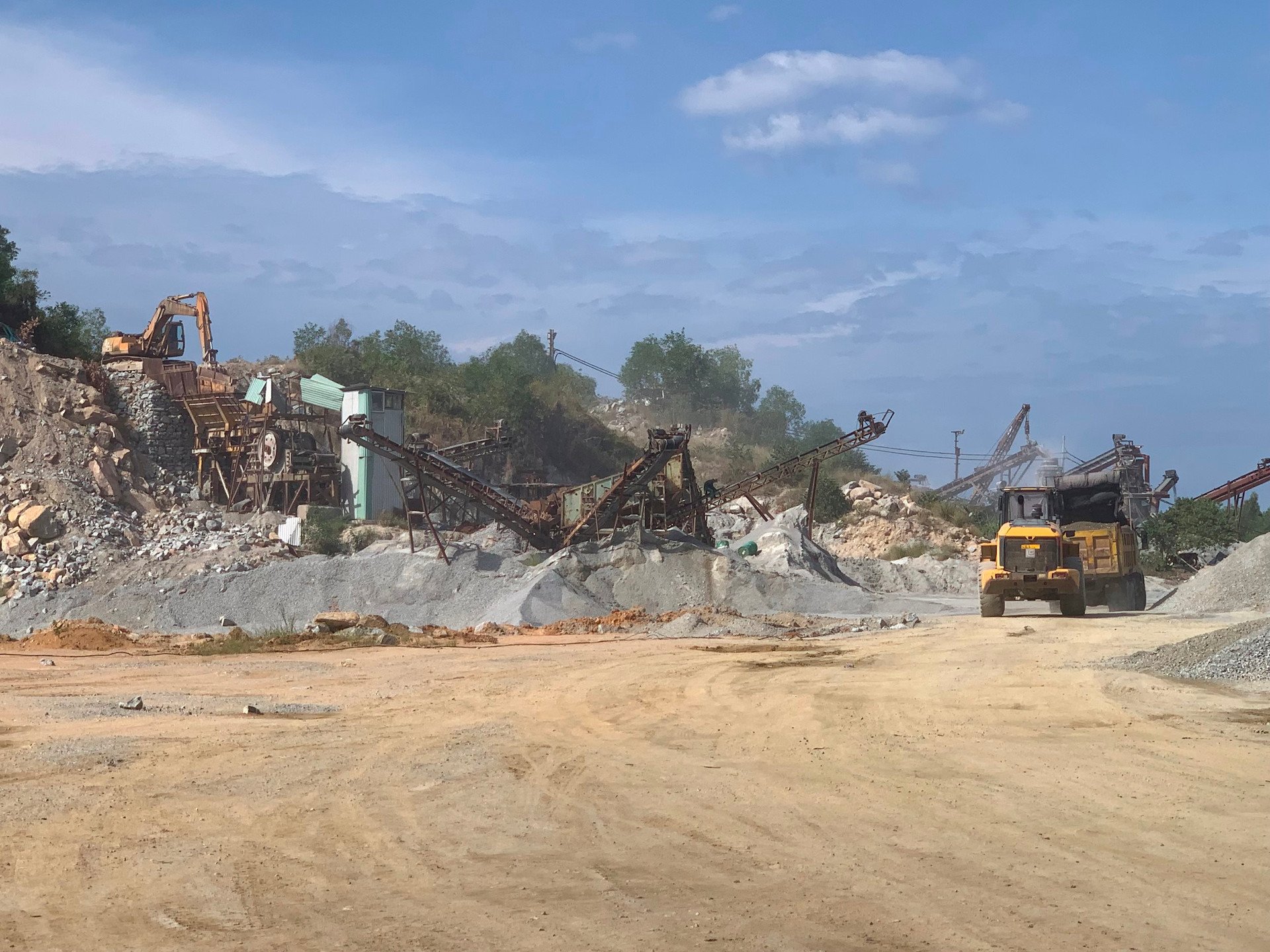
In reality, the management of construction material mining in many mountainous areas of Quang Nam province faces numerous difficulties and is insufficient to meet local construction needs. According to many localities, due to the characteristics of mountainous areas, sand and gravel are often scattered and small-scale, while the conditions for obtaining mining permits for construction materials are too strict. In many cases, applying for a mining permit according to regulations is ineligible, time-consuming, and sometimes delays construction progress, contradicting the policy of administrative procedure reform. This leads to a situation where organizations and individuals resort to clandestine illegal mining.
According to Mr. Vo Van Hieu, Deputy Head of the Department of Natural Resources and Environment of Phuoc Son District, since the Mineral Law of 2010 came into effect, mineral activities in the district have seen positive changes, and the benefits the State has gained from minerals are clearly evident. Businesses licensed to exploit minerals have shown awareness in complying with the law. However, small-scale illegal mineral exploitation still occurs, causing difficulties in managing and protecting unexploited minerals. Therefore, to improve the effectiveness of mineral resource management, it is necessary to continue amending and supplementing regulations to clarify the protection of unexploited minerals; regulations allowing households to exploit minerals for common construction materials and for salvage mining need to be clear, specific, and fair.
Furthermore, regulations regarding mine closure must be strictly defined to ensure environmental protection, remediation, and restoration, avoiding overlapping or duplication of content that could inconvenience the community. To date, there are still no specific guidelines for mine design, leading to confusion in the state management of mineral resources.
Obstacles that need to be overcome
One issue that many localities in Quang Nam province have proposed to be resolved is that the current Mineral Resources Law does not clearly define the social responsibility of businesses in mining areas, nor does it specify the level and percentage of contributions and support for local people. The regulations regarding the responsibility of organizations and individuals exploiting minerals to provide support are still vague and voluntary, lacking clarity on the responsibilities of these organizations and individuals. This leads to a failure to ensure the rights of localities and people in mining areas are adequately protected.
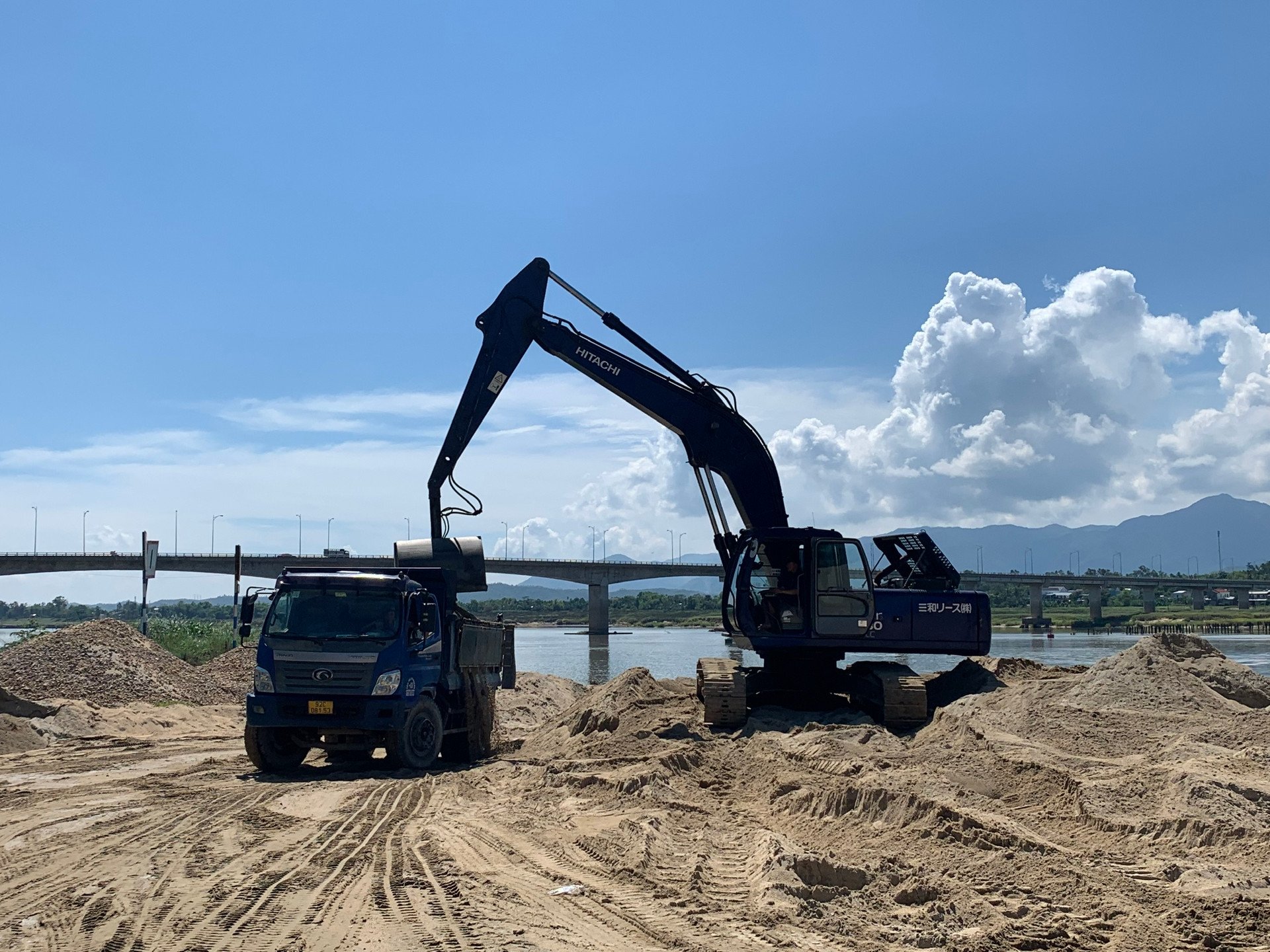
“In reality, the number of mining companies that are interested in supporting the people and localities where minerals are located in the district is still modest. Currently, there are no sub-legal documents guiding the implementation of this Clause, so the locality has no basis to handle it according to regulations. Voluntary contributions to the budget and infrastructure development in mining areas are mainly based on agreements between the enterprise, the state, the local government, and the people,” said Mr. Ngo Bon, Deputy Head of the Department of Natural Resources and Environment of Duy Xuyen district.
Another issue is the overlap between the Land Law and the Mineral Law. According to the Land Law, mineral exploitation projects under the licensing authority of the provincial People's Committee must carry out land procedures through agreements with land users, and are not subject to land expropriation like mineral exploitation projects under the licensing authority of the Ministry of Natural Resources and Environment . This leads to a situation in Quang Nam where, after being granted mineral exploitation licenses, land acquisition and compensation are very difficult in many areas. Many businesses, after being licensed, have not yet commenced exploitation due to the inability to reach an agreement between the business and the affected people.
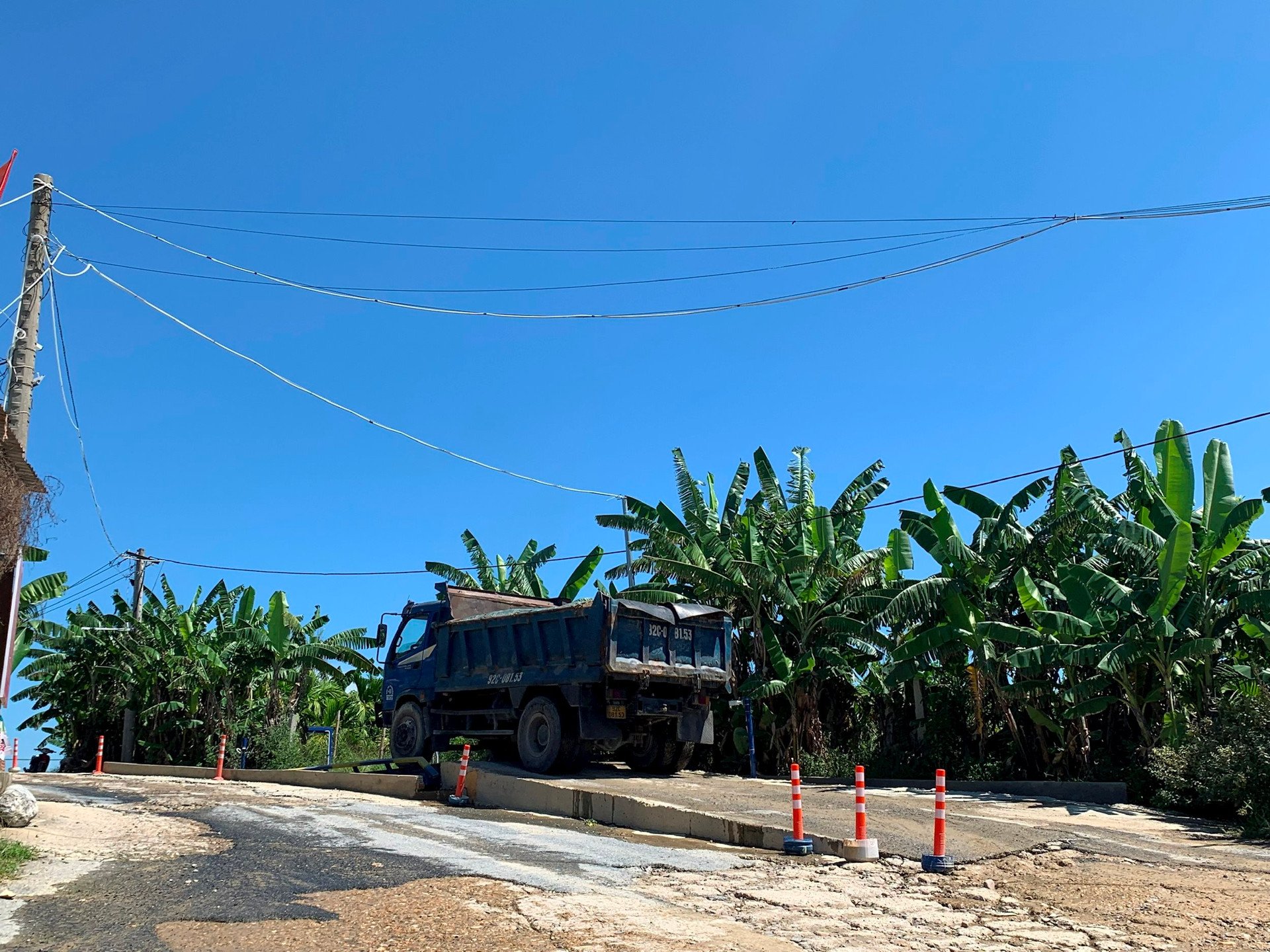
Furthermore, regulations regarding the determination of costs for assessing mineral potential and the reimbursement of mineral exploration costs invested by the state are inadequate. Regulations concerning environmental remediation and restoration plans, mine management, and mine closure procedures in cases of mineral exploitation within construction projects involving excess soil and rock from leveling projects, short exploitation periods, and the creation of a level surface according to the project design after completion, are cumbersome and complex. The lack and delay in issuing guiding legal documents for the implementation of the Law have created many difficulties and confusion in the management and operation of mineral resources at the local level.
Part 3: Proposing solutions for rational, sustainable, and efficient exploitation.
Source

![[Photo] Ba Lang An Lighthouse - the "eye of the sea" amidst the "rock museum" of Quang Ngai province.](https://vphoto.vietnam.vn/thumb/1200x675/vietnam/resource/IMAGE/2026/05/29/1780038698840_anh-man-hinh-2026-05-29-luc-14-10-42.png)
![[Image] Pleasant weather helps students enter the 10th grade entrance exam with confidence.](https://vphoto.vietnam.vn/thumb/1200x675/vietnam/resource/IMAGE/2026/05/29/1780034401612_ngay-1-thi-lop-10-minh-duy-8-5009-jpg.webp)

















































































Comment (0)