

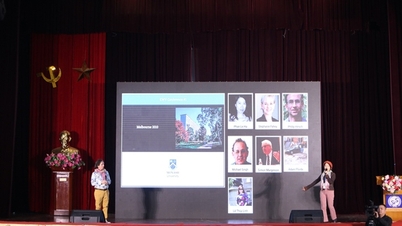
The 10th Vietnam-US Pediatric Conference was organized by Bach Mai Hospital over two days, April 10-11, in Hanoi . Leading pediatric experts from Vietnam and internationally presented and updated information on the treatment of childhood diseases such as respiratory illnesses (asthma, pneumonia); allergies; endocrine and cardiovascular diseases; antibiotic resistance; and management of medical emergencies, resuscitation, and dialysis.
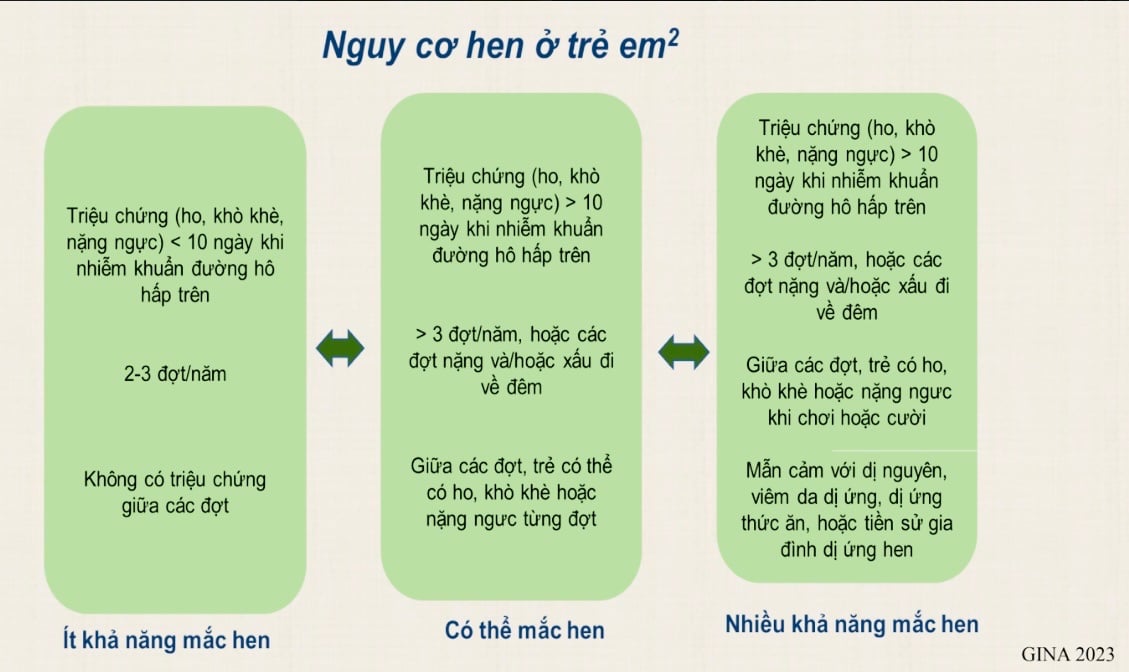
Doctors are drawing attention to symptoms associated with the risk of asthma in young children.
According to Dr. Nguyen Thanh Nam, Director of the Pediatric Center at Bach Mai Hospital, assessing asthma in children under 5 years old, especially under 2 years old, is very difficult. Therefore, asthma in young children is often not diagnosed correctly or promptly. It is necessary to differentiate asthma from pneumonia, bronchiolitis, tracheomalacia, etc., in young children.
According to Dr. Nam, asthma should be considered when children exhibit symptoms such as: recurrent coughing and wheezing, especially at night or early morning, during weather changes, or after exposure to allergens. Auscultation of the lungs may reveal wheezing, rattling, or snoring sounds. Warning signs may include sneezing, nasal congestion, and runny nose.
At the same time, to diagnose asthma, paraclinical assessments (complete blood count, blood gas analysis, chest X-ray) are necessary.
Dr. Nam noted that for suspected asthma cases, evidence of airway obstruction and wheezing must be confirmed by a doctor, preferably with a stethoscope (wheezing, rhonchi). The child must respond to asthma treatment and there should be no evidence suggesting another diagnosis.
To diagnose asthma in young children, doctors need to carefully review the medical history and conduct a physical examination, combined with a trial treatment if necessary. Accordingly, in children with asthma, a trial of low-dose specialized medication will show improvement within 2-3 months of use and worsen upon discontinuation of the specialized medication.
Preventing asthma in young children involves avoiding triggers as directed by a doctor; getting a flu shot; boosting immunity; and following monitoring and treatment guidelines.
According to the Pediatric Center at Bach Mai Hospital, the North is currently experiencing a transitional season, and the center and its pediatric specialty units are seeing an increase in the number of hospitalized children due to common illnesses such as respiratory and digestive diseases.
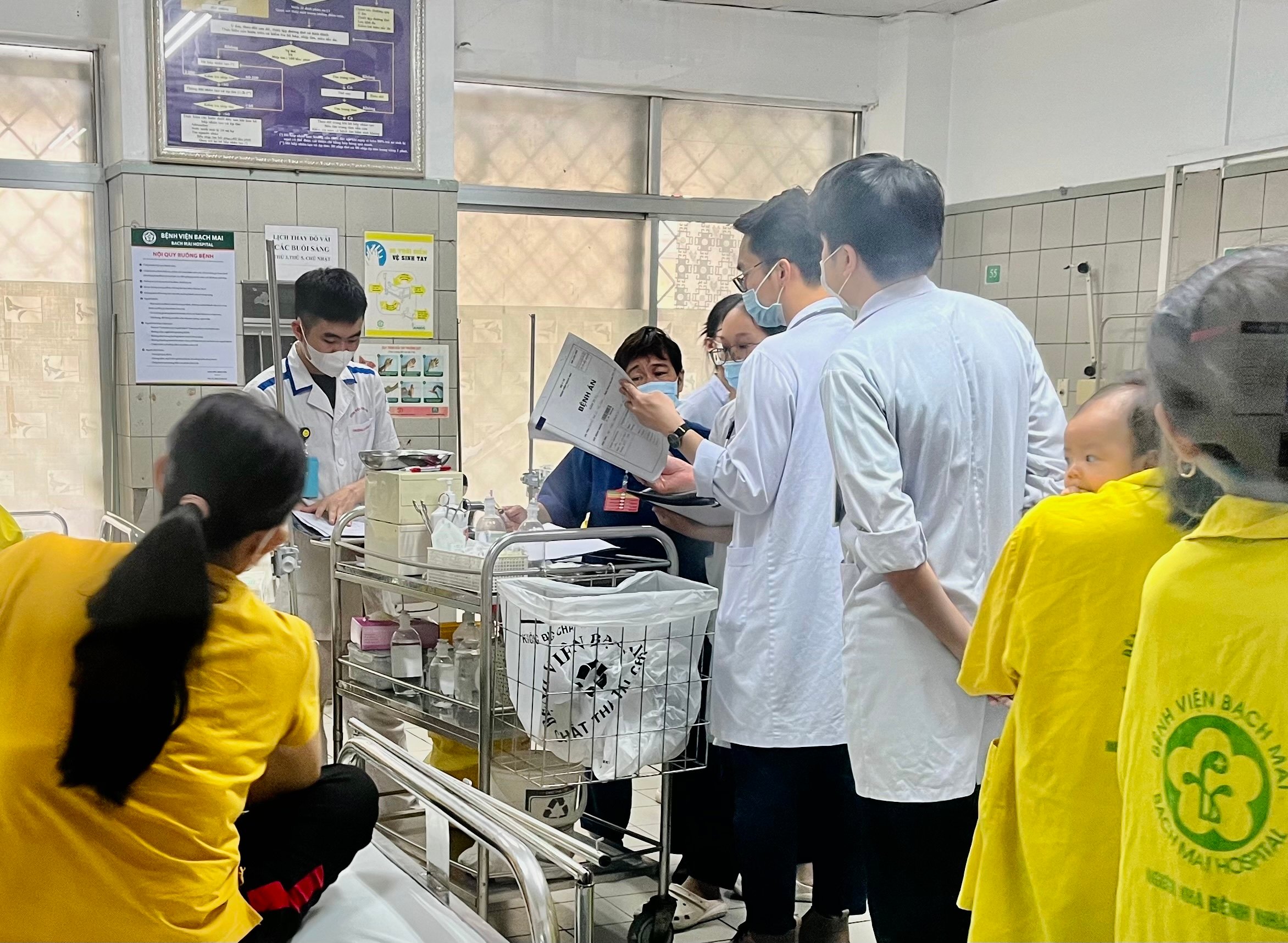
Doctors at the Pediatric Center, Bach Mai Hospital, examine and assess the health status of pediatric patients.
For respiratory illnesses, common causative agents include influenza viruses, cases of RSV virus infection, and pneumonia caused by mycoplasma bacteria. There are also periods when hand, foot, and mouth disease or viral fevers in children become more prevalent.
According to Dr. Nguyen Thanh Nam, Director of the Pediatric Center at Bach Mai Hospital, the aforementioned common pathogens can still cause serious illness in young children. The children admitted to the hospital were cases of severe pneumonia, high fever that could not be brought down at home, and other factors that posed a risk to the child's health.
For severe pneumonia cases, the course of the disease and treatment for pediatric patients remain the same as the general protocol, but the most important thing is to try to find the correct cause; close monitoring is crucial because young children's conditions can develop rapidly and suddenly.
"The number of children being hospitalized is increasing during this transitional season. Our treatment goal right now is to ensure that the children are healthy enough to be discharged as soon as possible, minimizing overcrowding," Dr. Nam shared.
Source link



















![[Photo] Prime Minister Pham Minh Chinh holds a phone call with the CEO of Russia's Rosatom Corporation.](/_next/image?url=https%3A%2F%2Fvphoto.vietnam.vn%2Fthumb%2F1200x675%2Fvietnam%2Fresource%2FIMAGE%2F2025%2F12%2F11%2F1765464552365_dsc-5295-jpg.webp&w=3840&q=75)

















































Comment (0)