

" Thankfully, he was taken to the hospital early. "
Phu Tho Provincial General Hospital recently admitted a mother and her two children from Thanh Son District (Phu Tho province) after they all ate toad meat and eggs.
According to the patient's family, during the preparation process, the toad meat was skinned, its internal organs removed, but the toad's eggs were kept. After frying, the two children ate the meat, while the mother ate the eggs. About 30 minutes after eating, all three showed signs of fatigue, nausea, and vomiting and were immediately taken to the district medical center, then transferred to the Emergency Department of Phu Tho Provincial General Hospital.
At Phu Tho Provincial General Hospital, after examination and performing paraclinical tests, 3 patients were diagnosed with poisoning from toad meat and eggs.
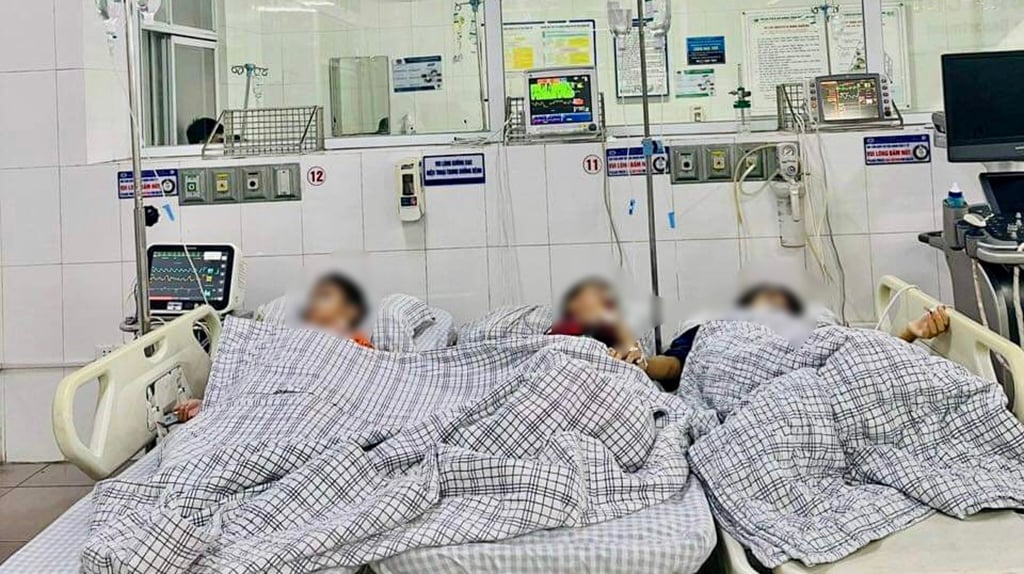
A mother and her two children were hospitalized for emergency treatment due to poisoning from eating toad meat and eggs.
"Fortunately, the patient was brought to the hospital early, and the poisoning was not severe. The symptoms mainly manifested in the digestive tract, nausea, and vomiting due to consuming small amounts, and there were no abnormalities in the cardiovascular or nervous systems," assessed a doctor from the Emergency Department.
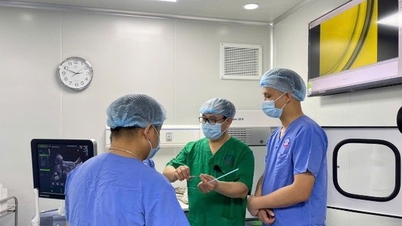
Dr. Ha Thi Bich Van, Head of the Emergency Department at Phu Tho Provincial General Hospital, said: After a day of treatment including gastric lavage and cleansing, activated charcoal, intravenous fluid detoxification, and close monitoring of electrocardiograms and cardiac enzymes, the health condition of all three patients has stabilized.
EXTREMELY TOXIC SUBSTANCE
Based on her experience in treating patients, Dr. Ha Thi Bich Van advises: People should not eat toad meat because they believe it is nutritious and can cure rickets and malnutrition. "The liver, eggs, skin, mucus, eyes, and nerve ganglia of toads contain many toxins, especially bufotoxin. This is an extremely toxic substance, heat-resistant, and can cause heart rhythm disturbances and death," Dr. Van stated.
According to the Food Safety Department ( Ministry of Health ), toad toxins are found in several parts of the toad's body. Specifically, toad venom is present in the glands behind the ears, above the eyes, and in the skin glands, as well as in the liver and ovaries. The toad toxin is a compound called bufotoxin, which includes substances such as 5-MeO-DMT, bufagin, bufotalin, bufotenin, bufothionine, epinephrine, norepinephrine, serotonin, etc. These substances affect the cardiovascular system, cause hallucinations, and lower blood pressure. Food poisoning occurs from eating toad meat contaminated with toxins (due to toad venom, liver, and gallbladder adhering to the meat) and in some cases, from eating toad liver or eggs.
Symptoms of toad toxin poisoning are acute, appearing 1-2 hours after ingestion (possibly sooner if alcohol is consumed) with manifestations such as: bloating, upper abdominal pain accompanied by severe vomiting, possibly diarrhea; palpitations, rapid heartbeat, arrhythmia, cardiovascular collapse.
In people poisoned by toad venom, blood pressure initially rises, then drops; sensory disturbances may occur (pins-and-needles pain, numbness), dizziness, hallucinations, and possibly difficulty breathing, respiratory arrest, and cardiac arrest; urinary retention, anuria, and in severe cases, acute renal failure. If toad venom splashes and comes into direct contact with the mucous membranes of the eyes, the toxins in the venom will cause burning, irritation, and edema of the mucous membranes...
Poisoning from toad toxins has a very serious prognosis and a very high mortality rate, so early detection, first aid, and timely emergency treatment are essential for effective treatment.
When early signs of poisoning are detected (while the patient is still conscious): induce vomiting; quickly transfer the patient to a facility with resuscitation capabilities (hospital).
You shouldn't eat toad meat.
(Source: Food Safety Administration)
Source link
























































































Comment (0)