

Tinea versicolor is a common skin disease affecting 40% of the population in hot, humid tropical regions, and is easily contracted and recurs in hot weather.
Tinea versicolor is among the most common fungal skin diseases in Vietnam, due to the hot and humid tropical climate which provides favorable conditions for fungal growth and spread. Especially in the summer, high temperatures, excessive sweating, dampness, wearing tight clothing, and poor hygiene can increase the risk of contracting and recurring tinea versicolor.
People with oily skin and excessive sweating are more prone to tinea versicolor. Workers who frequently work outdoors for long hours and sweat profusely are more susceptible to fungal growth and tinea versicolor. Teenagers going through puberty are also at higher risk as their oil glands are more active in the summer. Individuals with weakened immune systems, those with conditions like diabetes, and pregnant women are also more likely to develop this condition.
Tinea versicolor is caused by the fungus Pityrosporum ovale. This fungus is usually harmless on human skin, but when favorable conditions arise, it can grow and cause disease, forming small, round patches of skin that are lighter or darker in color than the surrounding skin.
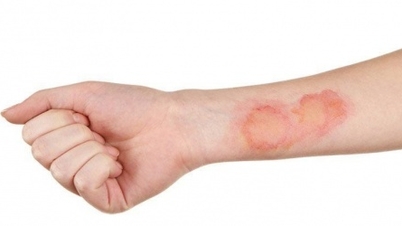
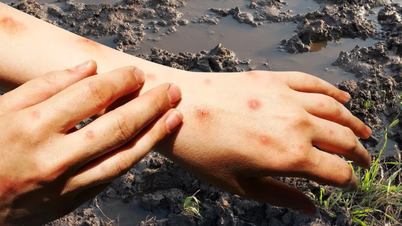
Tinea versicolor spots are usually white, pink, red, brown, light brown, or yellow. On darker skin, tinea versicolor appears white or light brown. On lighter skin, it looks red or light pink. The condition can cause itching at or around the affected area, and the patches of skin may become dry and scaly. It is unsightly and can cause self-consciousness about one's appearance.
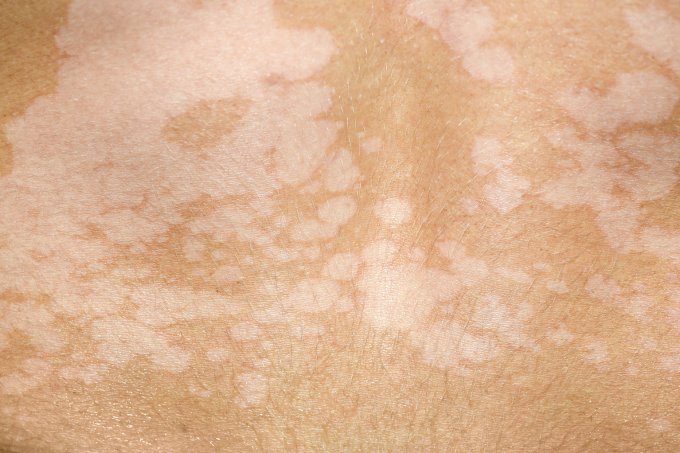
Ringworm appears as white spots, sometimes scaly and itchy. Photo: NHS
Tinea versicolor is highly contagious. Initially, the tinea versicolor spots may appear in small areas, then spread to larger areas such as half of the upper body, the back, chest, and face. Tinea versicolor can also spread to others through sharing personal items, sleeping in the same bed, or on the same mattress.
In mild cases of tinea versicolor, patients can use antifungal creams, lotions, or shampoos available at pharmacies. Many patients choose to treat tinea versicolor at home. A common method is using anti-dandruff shampoos containing selenium. Patients can apply the shampoo to their skin while showering and leave it on for a few minutes before rinsing it off. Alternatively, those with tinea versicolor can use over-the-counter medications as directed.
If the condition does not improve after a few weeks, the patient should seek medical attention. Doctors do not recommend home remedies because their effectiveness has not been thoroughly studied.
Tinea versicolor usually does not cause serious complications. However, if left untreated, it can lead to more severe symptoms such as increased skin discoloration or itching, and can easily spread to others.
If a patient has a history of tinea versicolor, their doctor may recommend using soap to prevent infection and yeast overgrowth; and using prescription medication during the summer months when tinea versicolor is at risk of recurrence. Most cases of tinea versicolor will improve with proper treatment.
To reduce the risk of tinea versicolor recurrence during hot weather, patients should avoid sun exposure and heat; apply sunscreen; wear loose, breathable clothing to reduce sweating; and shower thoroughly after exercise.
Hoai Phong (According to Cleveland Clinic )
Source link



































































































Comment (0)