

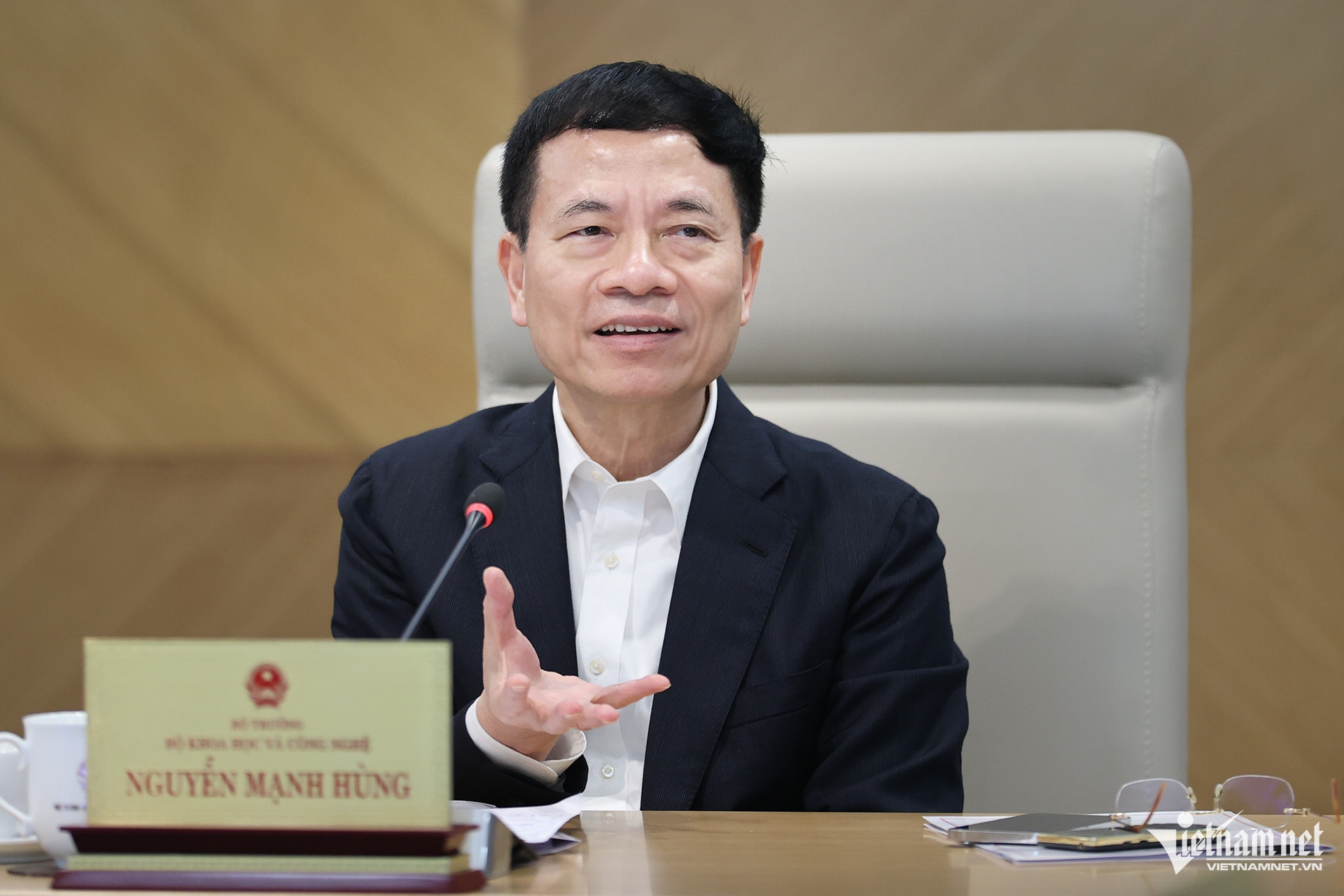
"If work is slow or inefficient, it's the fault of the head of the unit. The head of the unit is personally responsible for all issues related to the unit," Minister of Science and Technology Nguyen Manh Hung emphasized at the state management briefing conference on the morning of March 20th.
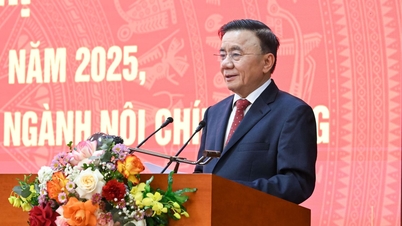
On the morning of March 20th, Minister of Science and Technology Nguyen Manh Hung chaired a meeting on state management in a hybrid format (in-person and online). Also attending the meeting were Deputy Ministers Bui The Duy, Pham Duc Long, Hoang Minh, and Bui Hoang Phuong, along with heads of agencies and units under the Ministry.
Promptly develop guidelines for the use of AI in government agencies.
The central focus of the conference was the timely and quality completion of assigned tasks by units under the Ministry.
According to the Ministry's Office report, five units have completed their tasks on time: the Telecommunications Department, the International Cooperation Department, the Digital Economy and Society Department, the Ministry's Inspectorate, and the Ministry's Office. However, some units are still exceeding their deadlines.
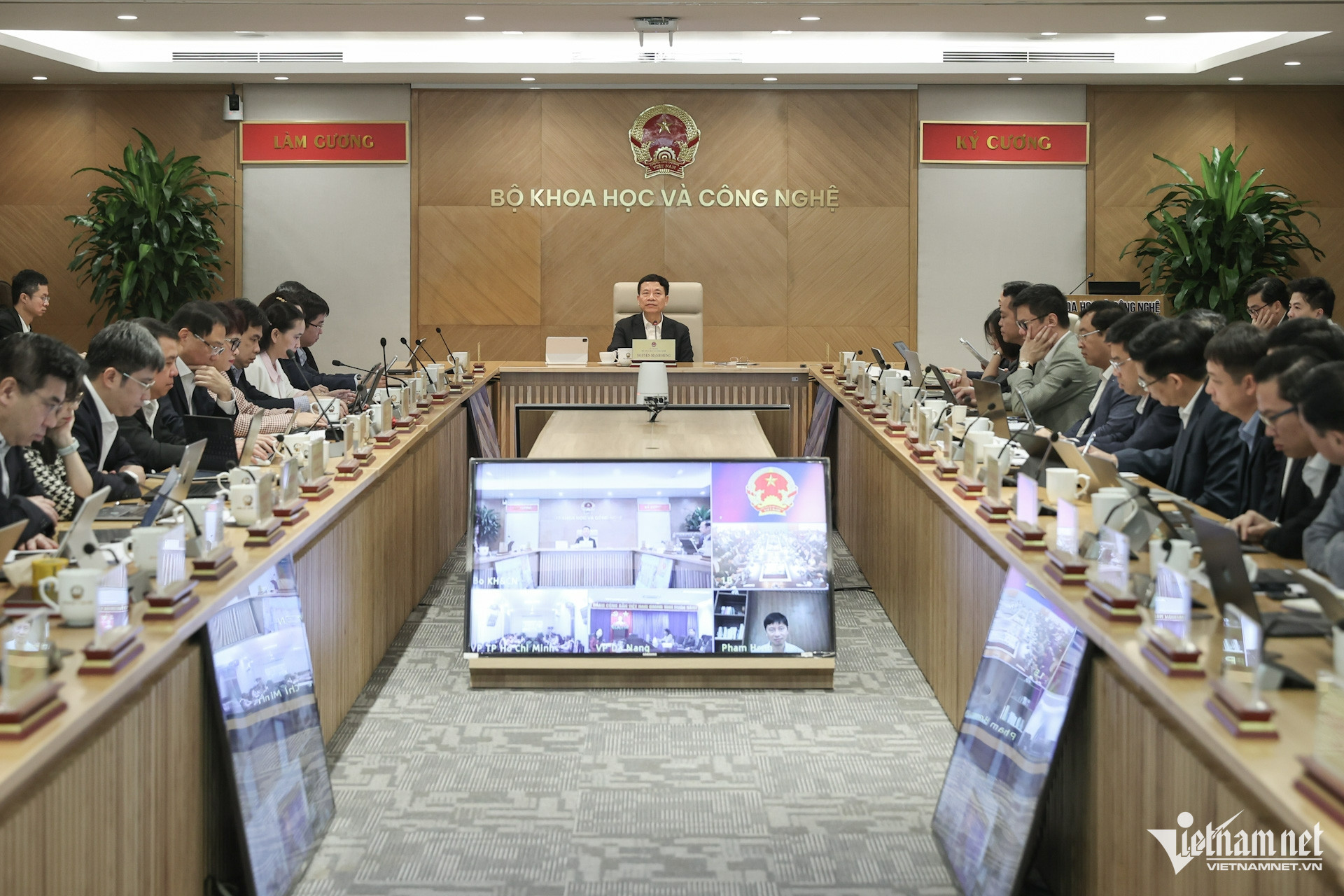
To rectify this situation, Minister Nguyen Manh Hung emphasized: "Whether an agency or unit completes its work well and on time fundamentally depends on its head. If the work is delayed or poorly done, it is the fault of the head. The head of the unit must be held personally responsible for all issues related to the unit."
One solution to address the issue of "overdue tasks" is the use of AI virtual assistants. However, there are currently no guidelines on the application of AI in the operations of state agencies. Minister Nguyen Manh Hung directed that these guidelines be developed soon, and also tasked the IT Center with finding a unit to commission research on AI tools to solve the problem of excessive paperwork, with the goal of reducing the workload in these units by approximately 30%.
Furthermore, to effectively address the issue, the Minister emphasized the importance of delegating responsibilities to lower levels. Accordingly, department heads need to assign tasks to key personnel within their agencies, utilize supporting tools, and promptly report difficult issues to the Ministry's leadership for timely resolution and remediation. The goal is to ensure that work is carried out smoothly and efficiently.
This work becomes even more important in the context of implementing Resolution 57 of the Politburo on breakthroughs in the development of science, technology, innovation and national digital transformation, and Resolution 193 of the National Assembly stipulating the piloting of some special mechanisms and policies to create breakthroughs for this endeavor.
Research on reducing patent issuance time.
At the conference, the Minister issued directives to the National Standards and Quality Measurement Committee to quickly promulgate a strategy to reduce the time for approving a standard from 2 years to 12 months. Regarding intellectual property, the Minister instructed the Intellectual Property Office to promptly reduce the time for granting patents from 2 years to 18 months.
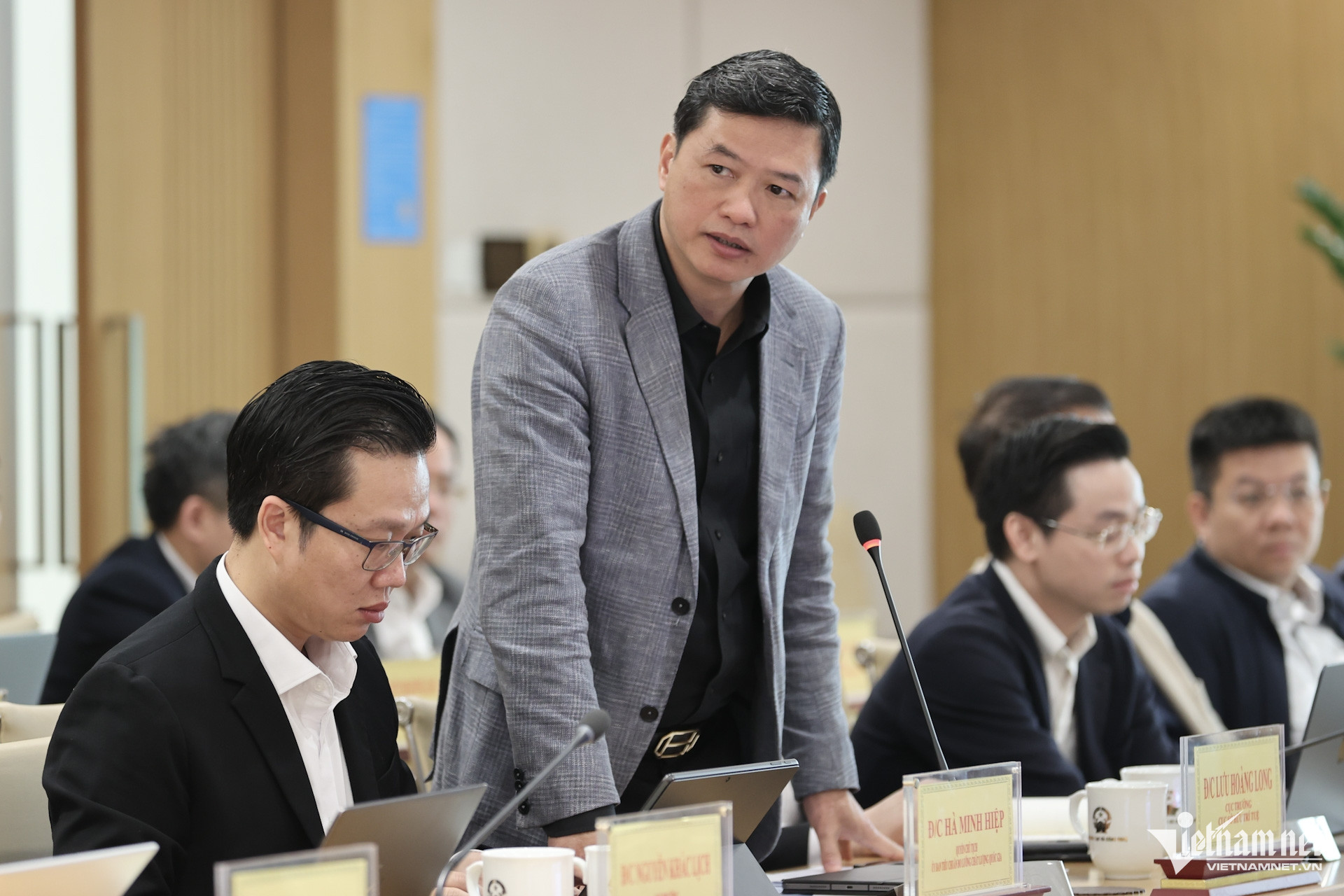
In reality, the time it takes to grant a patent in Vietnam typically takes about two years or more, depending on several factors such as the complexity of the invention, the quality of the application, and the workload of the patent granting agency.
Vietnam is among the countries with an average patent granting time. The time taken to grant patents in Vietnam is currently slower than in some developed countries in the region such as South Korea (12-18 months), Japan (12-18 months), China (12-24 months), etc.
Based on the experiences of countries like South Korea, Japan, and Australia, if Vietnam can apply preferential mechanisms and AI to support the assessment process, the time frame for granting patents could be shortened, thereby contributing to accelerating innovation in the economy.
Currently, there are no specific studies that directly determine the relationship between patent granting time and the level of economic development of countries. However, developed countries generally have efficient intellectual property systems, with fast patent granting times, supporting businesses in protecting and exploiting intellectual property assets. Conversely, lengthy patent granting times can affect the incentive for innovation and economic growth.
| In 2024, the Intellectual Property Office received 151,489 applications of all types (a 2.2% increase compared to 2023), and processed 140,497 applications (a 17.5% increase). The Office granted 51,437 industrial property protection certificates of all types (a 46% increase). |
Source: https://vietnamnet.vn/nguoi-dung-dau-phai-chiu-trach-nhiem-ve-cong-viec-bi-cham-kem-2382734.html

















![[Photo] Prime Minister Pham Minh Chinh holds a phone call with the CEO of Russia's Rosatom Corporation.](/_next/image?url=https%3A%2F%2Fvphoto.vietnam.vn%2Fthumb%2F1200x675%2Fvietnam%2Fresource%2FIMAGE%2F2025%2F12%2F11%2F1765464552365_dsc-5295-jpg.webp&w=3840&q=75)











































Comment (0)