

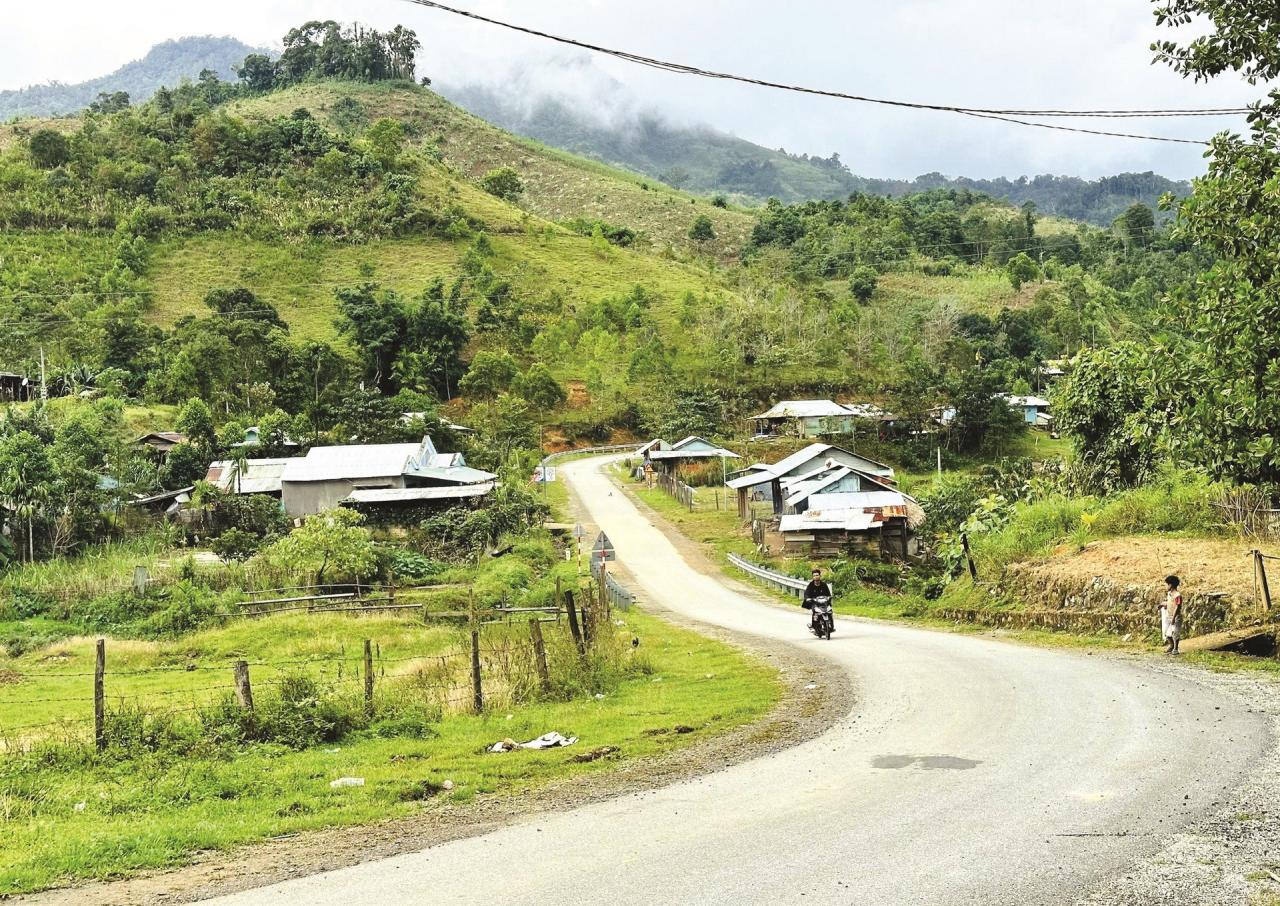
Named after… the “village chief”
Over time, the names of many ancient Co Tu villages in the Eastern Truong Son region have gradually changed. This stems from migrations and subsequent administrative boundary mergers.
Mr. Alăng Đàn, a resident of Bút Tưa hamlet (Bhlô Bền village, Sông Kôn commune, Đông Giang district), is a member of the "first generation" of the old Bút Tưa village, which, along with three other villages including Sơn, Bền, and Cloò, was merged to form Bhlô Bền.
Mr. Dan said that the name But Tua was originally given after the title of a "village chief," conh Dhua (Dhua's father). Later, when the Song Kon area became densely populated with Kinh people, the name Dhua, because it was pronounced in the Co Tu language, was mispronounced as Tua, as it is now.
“At that time, Conh Dhua was considered the village chief. He was renowned for his good character, wealth, and authority within the Co Tu community. He lived responsibly towards the villagers, readily donating rice and livestock to needy households every year. There was no village matter that Conh Dhua refused to help with, from weddings and funerals to assisting with clearing land and harvesting rice…”
"He was even the one who always initiated all the village's communal activities. Therefore, the people of But Trzang (the old name of But Tua) regarded him as a hero of the village, so later they unanimously decided to name the village after him, as a token of gratitude to a son who wholeheartedly served the community," Mr. Dan shared.
After the merger, the Co Tu people in Bhlô Bền gradually became familiar with the name of their village. Bhlô, in the Co Tu language, means legend.
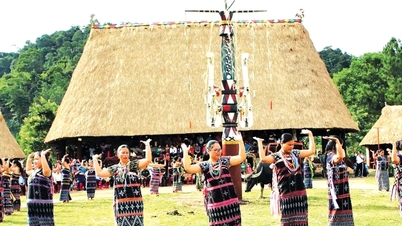
This legendary land, with its many fascinating stories, has shaped the character of the mountain communities throughout their long history of survival. Besides But Tua, in Song Kon commune, there are many other villages also named after their "village chiefs".
For example, But conh Ngar (the village of Ngar's father, often called But Nga); But conh Nhot (the village of Nhot's father, belonging to But Nhot hamlet, Pho village, Song Kon commune today).
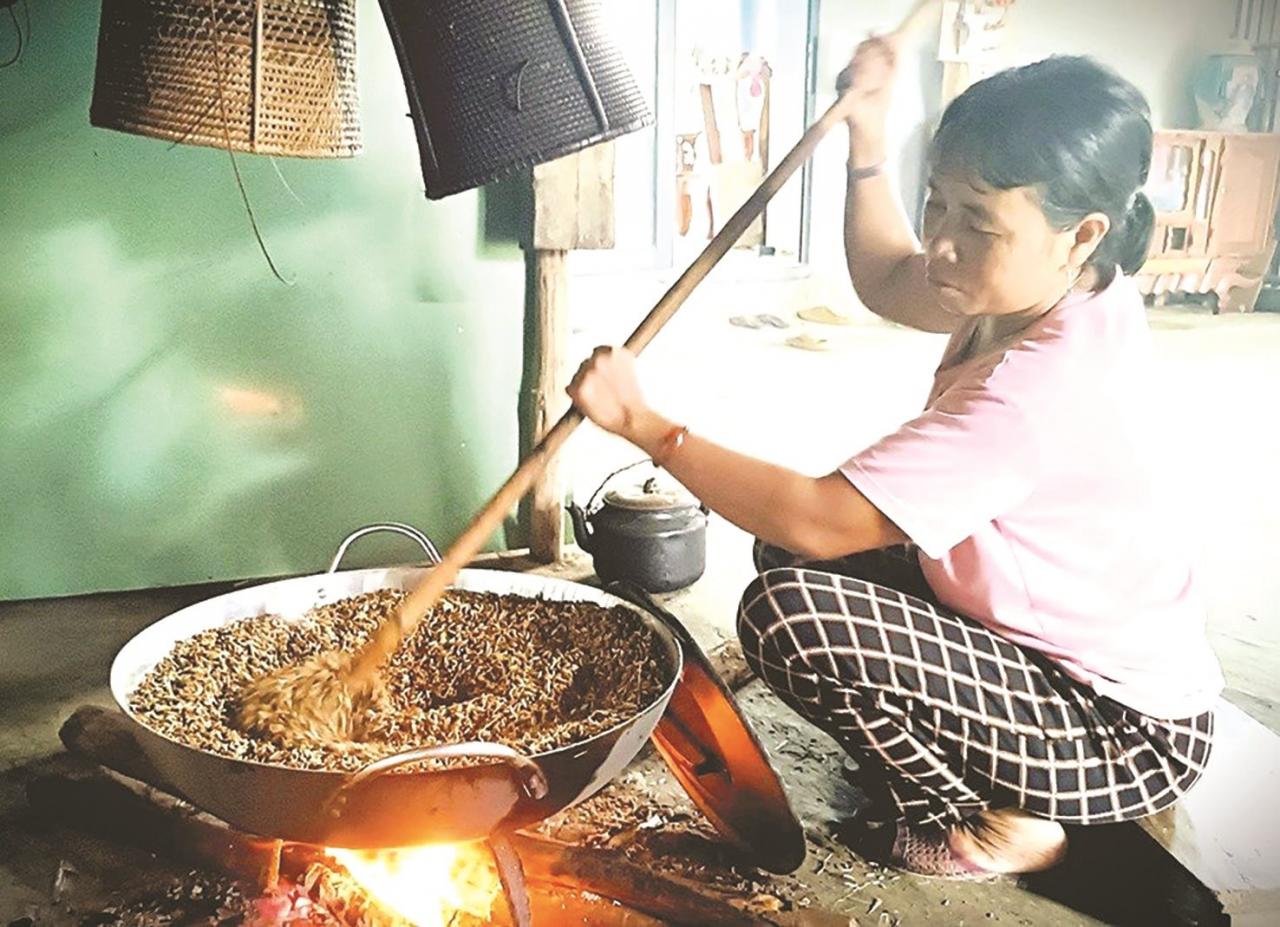
Naming villages after their village chiefs has become a distinctive feature of the Co Tu community, a way to honor outstanding individuals who made significant contributions to the village's establishment from its early days.
Bearing geographical names of rivers and mountains
According to Katu culture, before choosing land to establish a village, the council of village elders would discuss and determine the location of the land, then perform a ritual of offering sacrifices to the land and asking for blessings from the spirits. The ritual is quite simple, usually involving only a rooster (or quail eggs), snail shells, a millipede, a bowl of clean water, and some reeds...
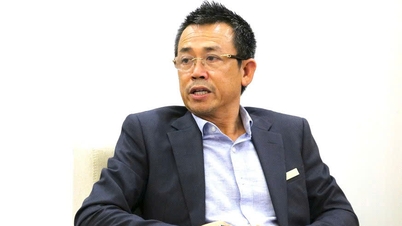
Elder Y Kông, former Chairman of the People's Committee of Đông Giang District, said that the Cơ Tu people are very meticulous in choosing land to establish their villages. Their belief is that this is to avoid misfortune and bad luck from befalling the villagers during their lives. In the past, the Cơ Tu people used the names of rivers, streams, mountains, hills, and even the names of the "village chiefs," the most respected individuals, to name their new villages. They believed that such naming conventions were easy to remember and aligned with the community's traditional culture.
"Like the village of Coong Réh, now Aréh - Đhrôồng hamlet, Tà Lu commune, it was also named after Aréh mountain behind the village. Coong or k'coong in the Cơ Tu language means mountain, and this naming convention serves to remind descendants of the long-standing settlement of their ancestors, so that they can together preserve and protect that mountain."
"Even the names of commune-level administrative units like Song Kon, Jo Ngay (Dong Giang); Lang, A Vuong (Tay Giang)... are named after rivers and streams, so today, the Co Tu people still preserve and are proud of those names," said elder Y Kong.
During times of war and chaos, the village names, incorporating geographical features such as rivers and mountains according to the Co Tu people's written language, helped cadres and soldiers easily identify the locations where people were sheltering from bombs. When intelligence reports arrived, the commander only needed to know the geographical name to deploy combat operations without worrying about the stronghold being discovered.
"Hundreds of years ago, even though the concepts of provincial, district, and commune boundaries were not as clearly defined as they are today, the Co Tu people had already formed villages. Each village had its own name, derived from geographical features such as rivers, streams, mountains, or hills, or from the person directly managing the community, usually the clan chief or a respected figure."
"Many famous ancient Co Tu villages such as Bhlo Son, Bhlo Ben, Bhlo Cha'dao, Bo Hien… still exist today, proving that the village name remains very important in the consciousness and life of the Co Tu community," said elder Y Kong.
Source


![[Photo] Prime Minister Pham Minh Chinh presides over a meeting on private sector economic development.](/_next/image?url=https%3A%2F%2Fvphoto.vietnam.vn%2Fthumb%2F1200x675%2Fvietnam%2Fresource%2FIMAGE%2F2025%2F12%2F20%2F1766237501876_thiet-ke-chua-co-ten-40-png.webp&w=3840&q=75)






































































Comment (0)