

Having left his village of Sen for Hue for the second time in 1906, by the time he returned to his hometown on the morning of June 16, 1957, the young Nguyen Tat Thanh, our Uncle Ho, had been away from home for 51 years. Leaving in his youth with nothing but the clothes on his back, he returned as an old man nearing 70 years old, with a nation that was independent and free.
FAMILY LOVE AND NATIONAL AFFAIRS
Many of us can't remember how many times we've visited Uncle Ho's hometown, how many times we've heard familiar stories about him that still evoke strong emotions. After more than 50 years of longing and yearning, " being away from home for decades ," he returned not as President , but as a son who had been away for a long time, now returning to his ancestral land, to visit his poor and suffering neighbors from the past.
Many witnesses recounted that on the morning of June 16, 1957, upon arriving in Nghe An , President Ho Chi Minh was invited by provincial leaders to rest at the newly built guesthouse. However, he calmly replied, " I have been away from home and my hometown for a long time, so I need to visit home first. The guesthouse is for receiving guests and providing accommodation. I am family, not a guest ." What few people noticed later was that President Ho Chi Minh arrived in his hometown on a Sunday morning. Surely, this was no coincidence for a man who always prioritized public and private matters, like our President Ho Chi Minh.
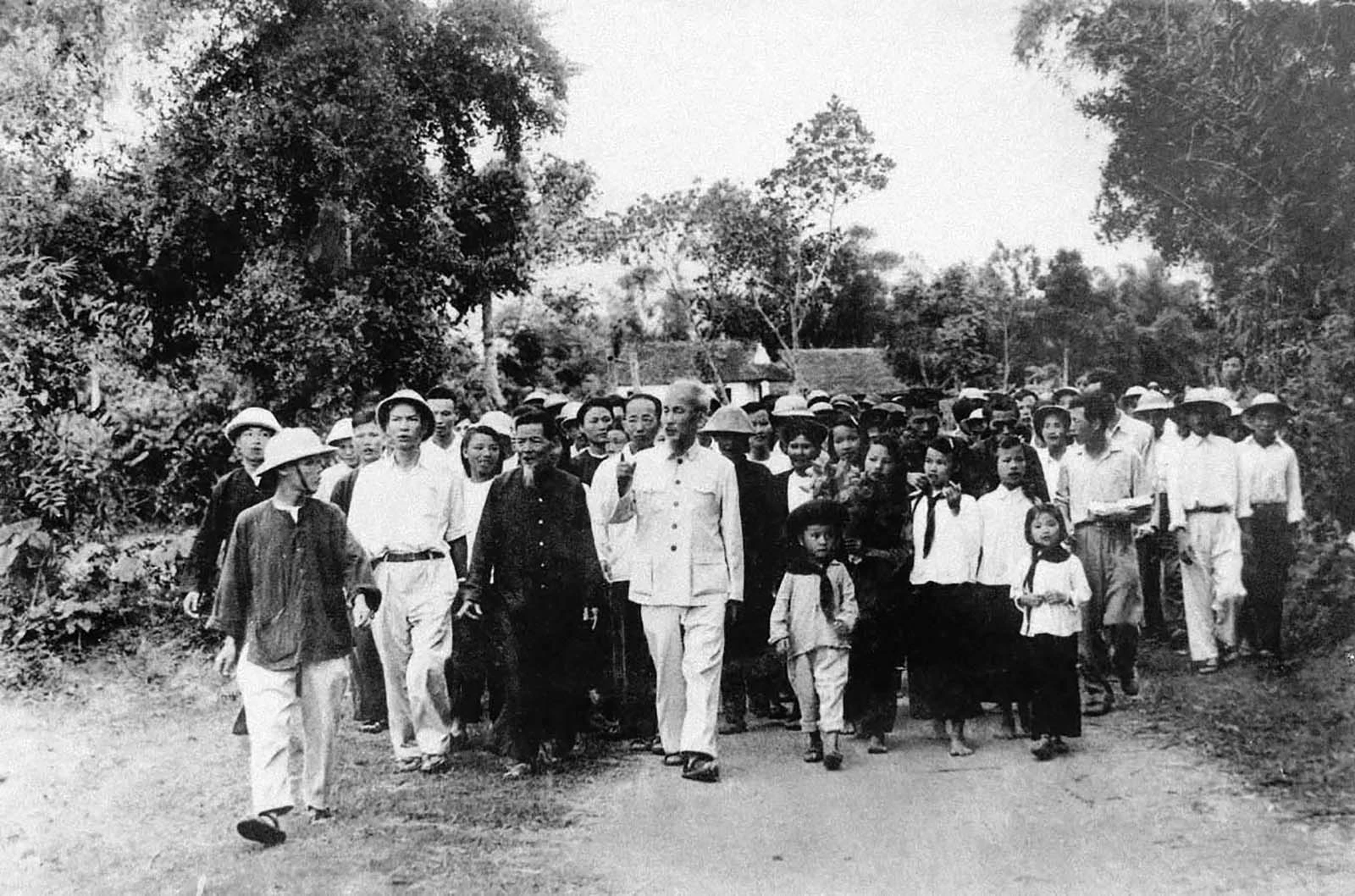
According to the Special Documentation Issue XVI, September 2014, of the Ho Chi Minh Memorial Site, from October 15, 1954 - the day Uncle Ho returned to the capital - to August 12, 1969 - the day he fell seriously ill, President Ho Chi Minh made 923 visits to various localities and units. Provinces he visited frequently included: Bac Ninh (18 times), Hung Yen (10 times), Hai Phong (9 times), Thai Binh (5 times), Thanh Hoa (4 times), and Quang Ninh (9 times)... The history of the local Party committees and the recollections of many who were fortunate enough to meet and work with Uncle Ho record countless touching stories, kind and profound teachings, stemming from his actions, lifestyle, and noble character.
The story of Uncle Ho visiting the family of a poor cleaning lady in the capital on the night of the 30th of Tet (Lunar New Year's Eve) has moved and awakened countless people to the moral principle of "helping those in need" in daily life; and to the bureaucratic disease, the lack of closeness to the people, and the lack of care for the people among a segment of those who are supposed to be "public servants." Educating and training cadres and the people from everything that naturally emanates from their thoughts and exemplary actions is the revolutionary method, the ethics of Ho Chi Minh.
From the day the country gained independence in September 1945 until the day he "passed away," President Ho Chi Minh only visited his homeland twice, the second time being from December 8-11, 1961. Despite the overwhelming responsibilities of the nation, deep in his heart, he always held a warm affection and profound concern for his " homeland."
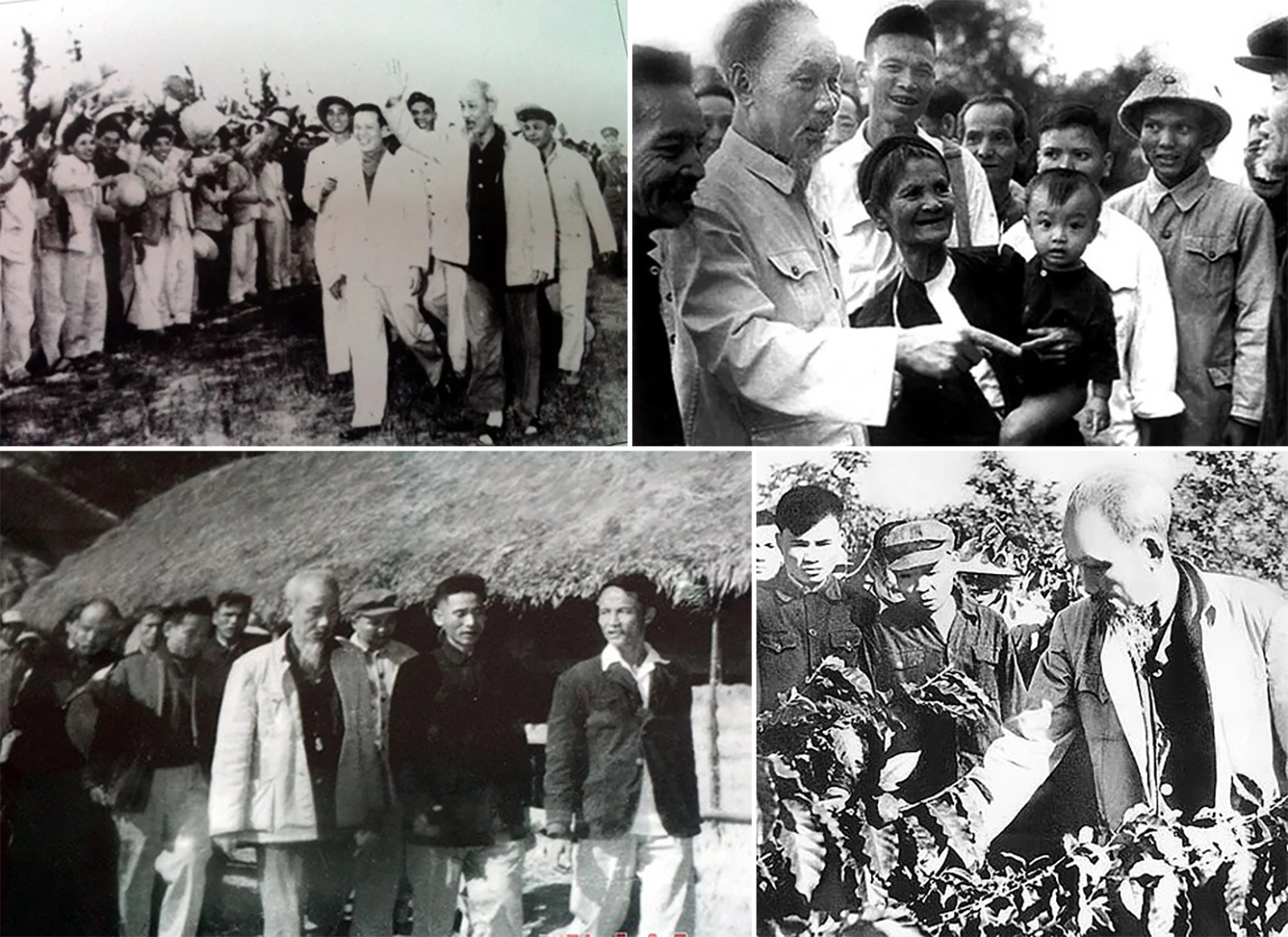
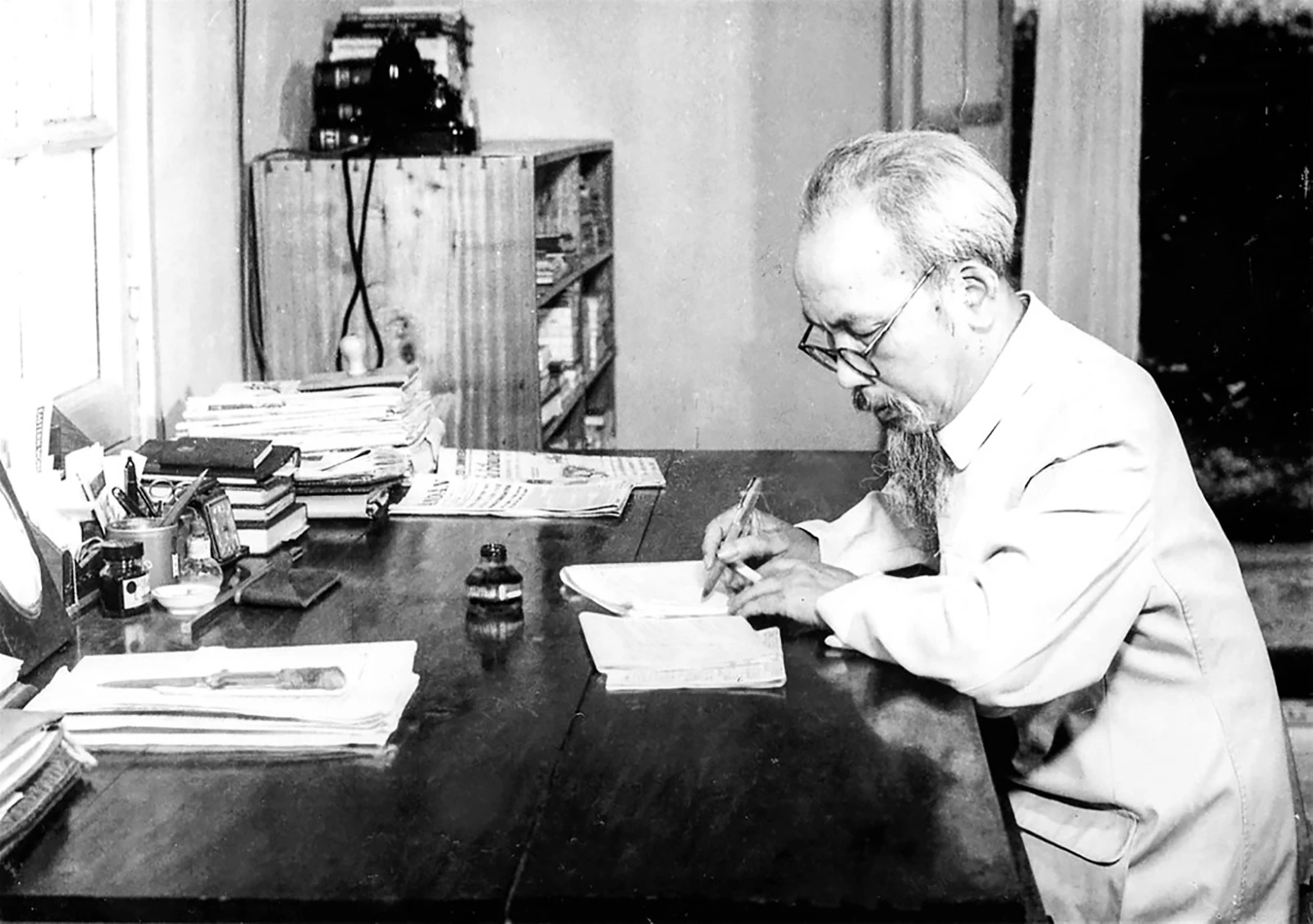
According to incomplete statistics, from 1930 until his passing, President Ho Chi Minh wrote 9 articles, 31 letters, 10 speeches, and 3 telegrams to his hometown. Notably, in mid-1969, anticipating his declining health, he sent a letter to the Nghe An Provincial Party Committee : “What should we do next? It is: Actively implement democracy with the people even more / Restore and develop the economy / Take utmost care of the people's lives and strive to contribute even more to join the army and people of the whole country in completely defeating the American invaders.” The Nghe An Party Committee and people have always considered this a sacred testament that he dedicated specifically to his homeland, a driving force to strive to fulfill his teachings: “ I hope that the people and comrades of the province will strive to make Nghe An one of the most prosperous provinces in the North.”
THE LAND AND WATER REMAIN OUR HOMELAND FOR THOUSANDS OF YEARS.
Ho Chi Minh was born in Chua Village, his mother's hometown, and spent his childhood in Sen Village, his father's hometown in Nam Dan, Nghe An province. Deep in his heart, his homeland also included Duong No Village and the Citadel – places connected to his childhood with his kind mother who toiled her whole life to support her husband and children's education and nurture their great ambitions; the place of profound sorrow at losing his mother and younger sibling when he was only 10 years old; and Hue, the imperial capital – the place that nurtured his intellect, shaped his character, patriotism, and aspirations for national liberation.
Undoubtedly, along with his hometown of Nam Dan, Nghe An, the years spent in the imperial city of Hue were a crucial period in the acquisition of knowledge, the formation of his character, his patriotic ideology, and his aspiration for national liberation.
Uncle Ho's homeland is the sun-drenched, windswept land of Binh Khe, Binh Dinh province – the place where Nguyen Tat Thanh bid farewell to his father; the place where he received the instilled a burning desire to save the country from his father: "If the country is lost, why not seek a way to save it, what good is it to seek your father?" This brings to mind the circumstances of Nguyen Trai bidding farewell to his father, Nguyen Phi Khanh, at the Nam Quan pass in the summer of 1407; when Nguyen Phi Khanh instructed his son: "Return to the South, seek revenge, rather than shed the tears of a sentimental man on this path of bitter resentment and injustice…"
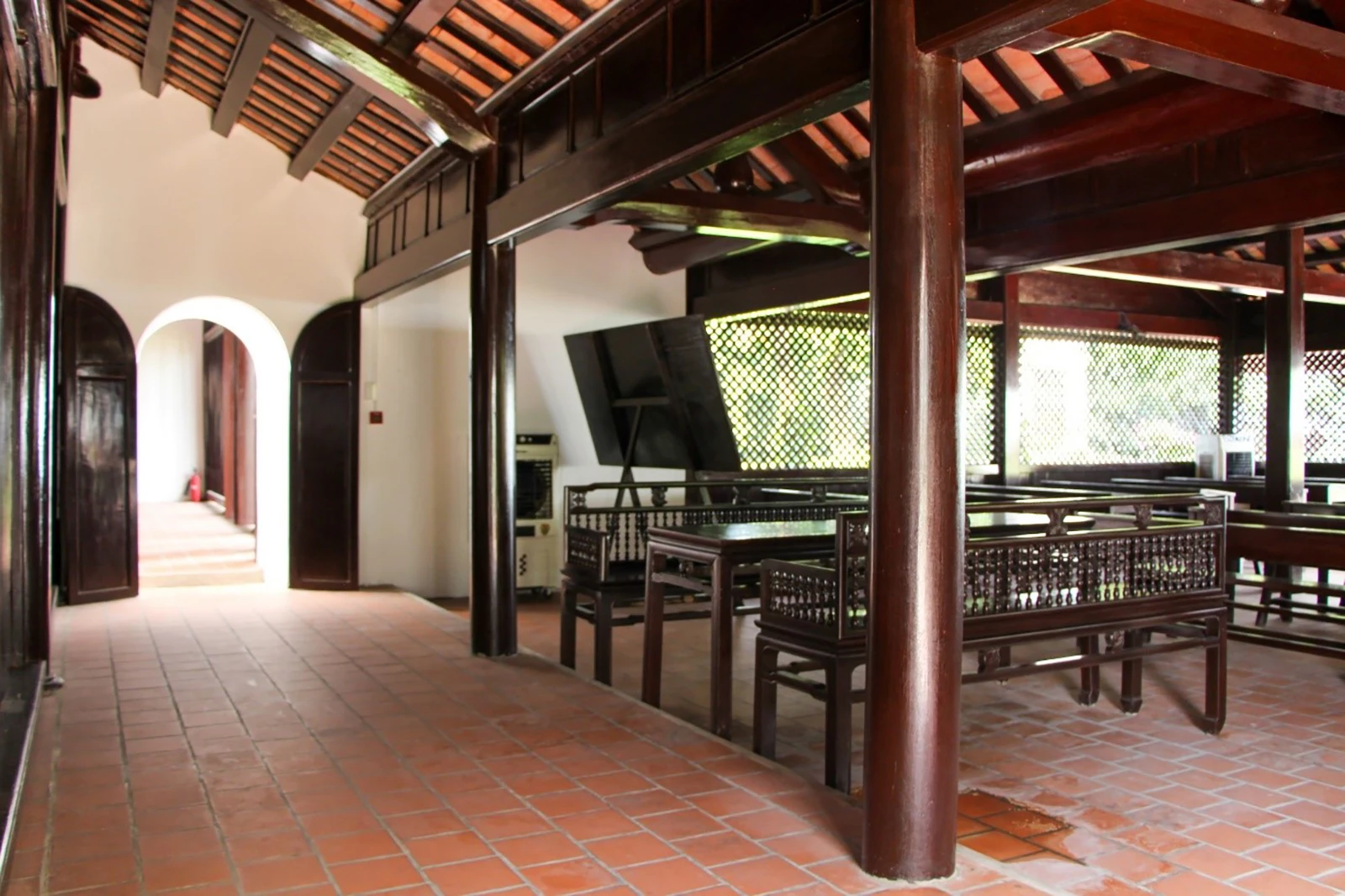
I recall that, before writing his Last Will and Testament for posterity, on February 15, 1965, President Ho Chi Minh visited Con Son Island to "see" Nguyen Trai. Born more than five centuries apart (1380-1890), there was a strange coincidence, a historical encounter, between two outstanding politicians and military leaders, two great poets and personalities. It seems this coincidence, this continuation of the ideology of "righteousness lies in ensuring the people's peace," and "the nation is founded on the people"; the great heart of these great men , "With only an inch of old affection, day and night the eastern tide surges."
Cao Bang, later the Viet Bac revolutionary base, was chosen by Uncle Ho as a revolutionary base after 30 years of wandering in search of a way to save the country, thanks to its favorable geographical conditions and human resources. Here, the people of the Tay, Nung, Mong, Dao, Kinh, Hoa, and Lo Lo ethnic groups regarded Uncle Ho as their father and grandfather; they nurtured and protected him and the revolutionary bases. The people loved Uncle Ho and followed the revolution, unafraid of hardship and sacrifice. General Secretary Le Duan said: " Uncle Ho's life was closely intertwined with Vietnam, especially with the people of Cao Bang... That is an honor and a source of pride for Cao Bang."
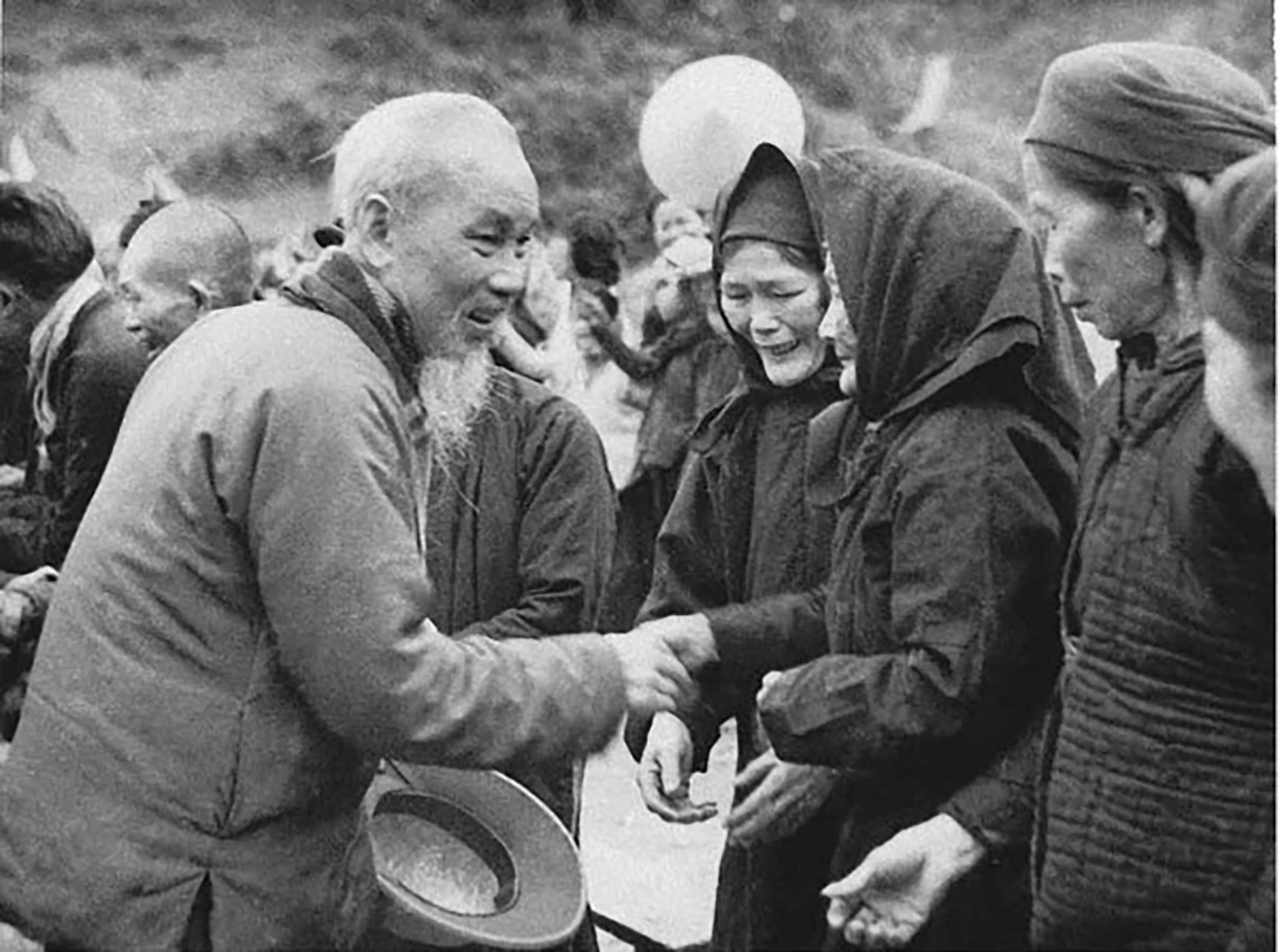
For the people of Southern Vietnam, Uncle Ho always held a very special affection. In 1969, when receiving journalist Marta Rojas (Granma newspaper - the mouthpiece of the Cuban Communist Party), Uncle Ho said: " In the South, each person, each family has their own suffering . Combining the suffering of each person , each family , makes it my suffering . "
For Uncle Ho, his homeland was always synonymous with " the nation of a thousand years," with " North and South united." His homeland and country were always the unwavering concern, the consistent will, and the burning aspiration in his heart: " I have only one desire, an ultimate desire, which is to see our country completely independent, our people completely free, and all our compatriots having enough food and clothing, and access to education ."
General Secretary Le Duan affirmed: "Our nation, our people, our land and country gave birth to President Ho Chi Minh, the great national hero, and it was he who brought glory to our nation, our people, our land and country." Perhaps that is the most complete, profound, and also the simplest assessment of our Uncle Ho.
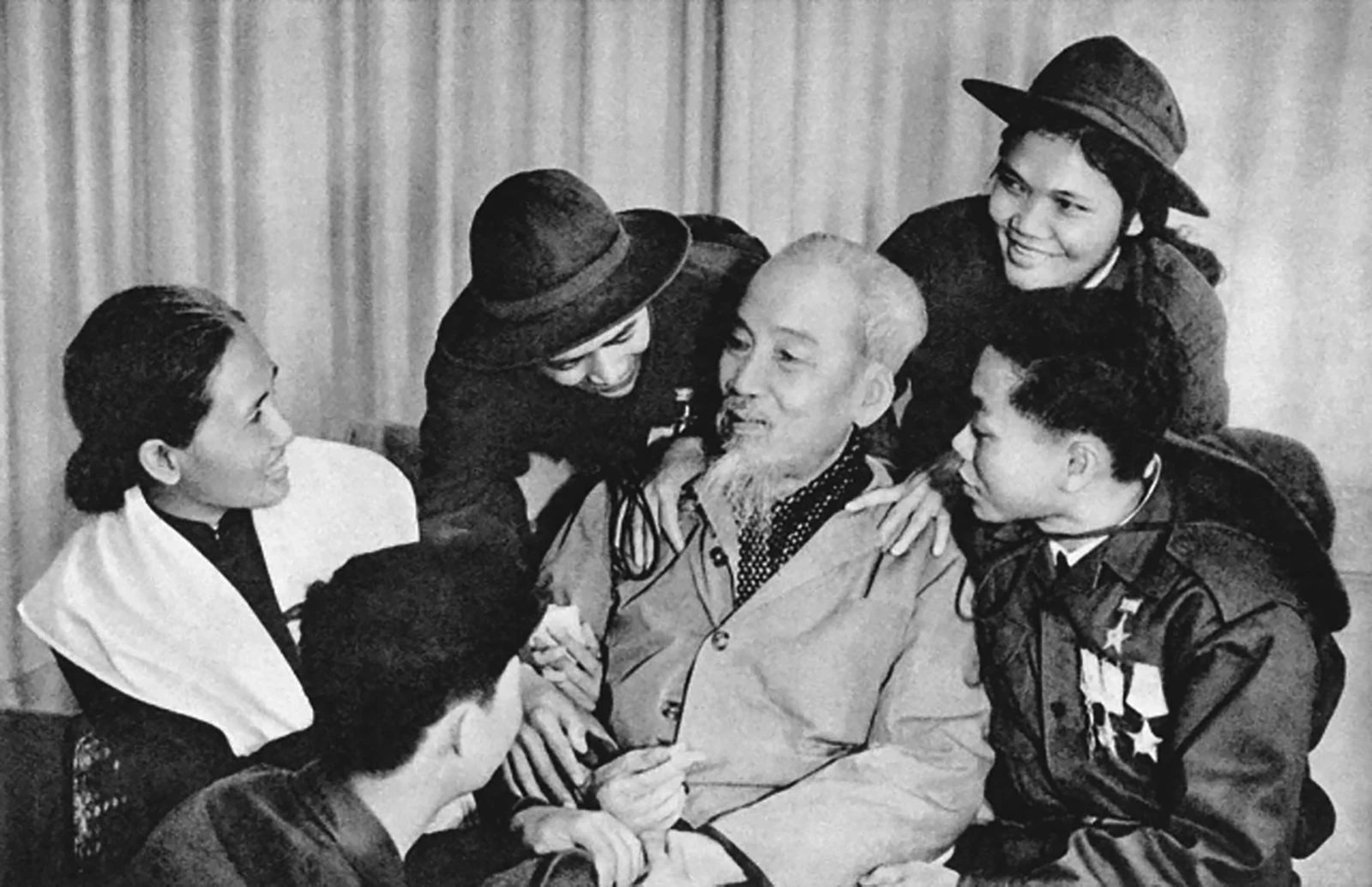
Uncle Ho left his love for us.
Every time we remember Uncle Ho, every time we celebrate his birthday, it's an opportunity for us to reflect further. He left us a truly immense legacy: an independent and unified nation, a brilliant revolutionary cause, a shining example, and a noble and pure way of life. He also left behind: "Infinite love for the entire people, the entire Party, the entire army, and for the young people and children."
"Loving Uncle Ho makes our hearts purer." This is the purity of love for the country, the love for the people, for each individual in the boundless meaning of the sacred word "compatriots." These are the thoughts and actions we should learn from Uncle Ho every day: " Whatever is beneficial to the people must be done with all our might, even if it is a small thing. Whatever is harmful to the people must be avoided with all our might ."
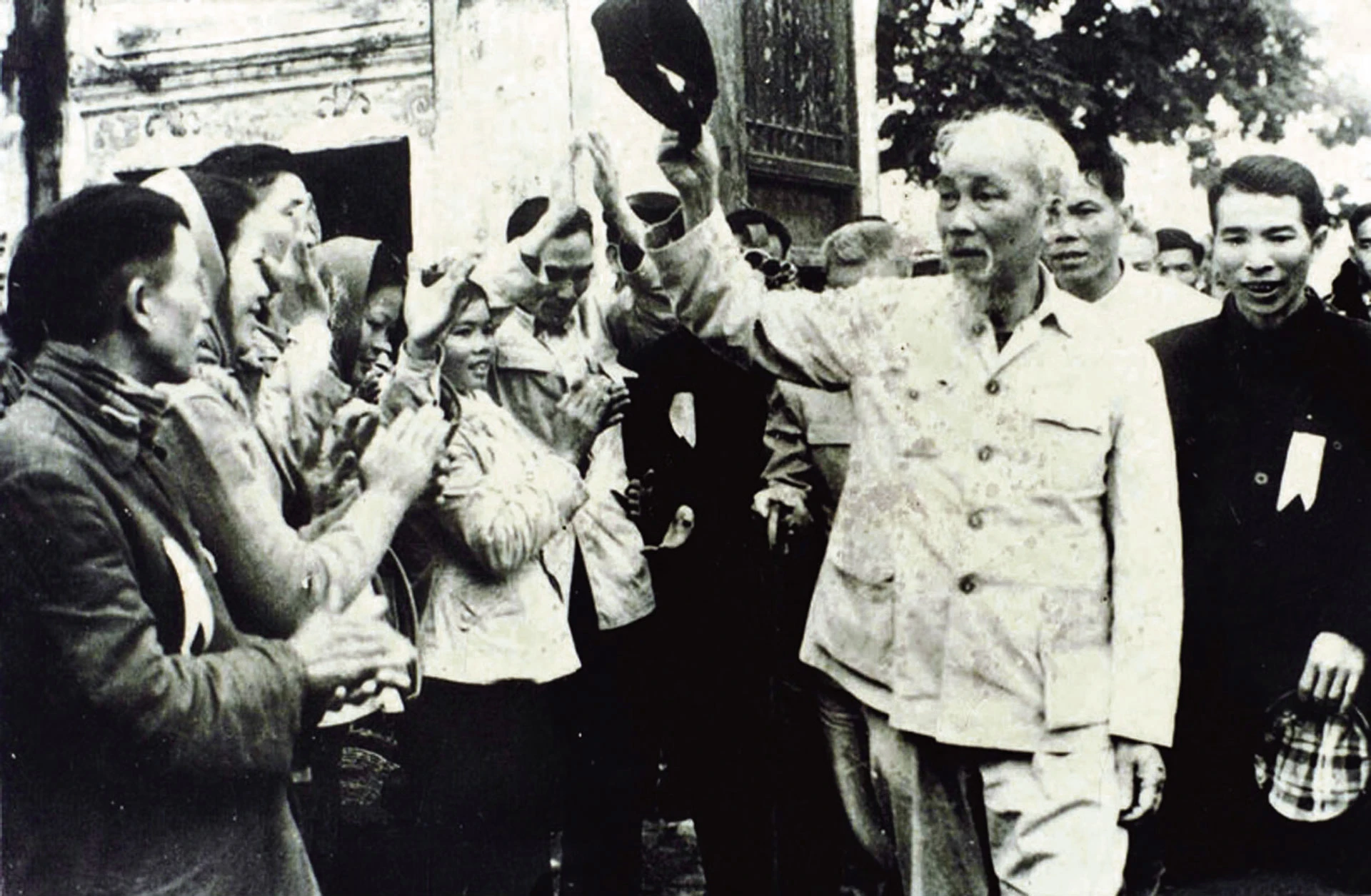
By always thinking about and sincerely striving to do more and better than those simple yet profound teachings of President Ho Chi Minh, we will be worthy, to some extent, of the boundless love he bestowed upon us. By diligently studying and following his great ideology and shining example of morality, we can confidently raise our voices from the heart: Our President Ho Chi Minh.
Source


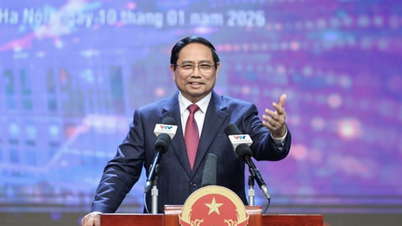
![[Photo] Prime Minister Pham Minh Chinh attends the Conference on the Implementation of Tasks for 2026 of Vietnam Television.](/_next/image?url=https%3A%2F%2Fvphoto.vietnam.vn%2Fthumb%2F1200x675%2Fvietnam%2Fresource%2FIMAGE%2F2026%2F01%2F10%2F1768047311329_ndo_br_dsc-3214-jpg.webp&w=3840&q=75)



















![[Infographics] Resolution No. 79-NQ/TW of the Politburo on the development of the state-owned economy](https://vphoto.vietnam.vn/thumb/402x226/vietnam/resource/IMAGE/2026/01/10/1768038914679_chp_3-11-23.jpeg)


















Comment (0)