

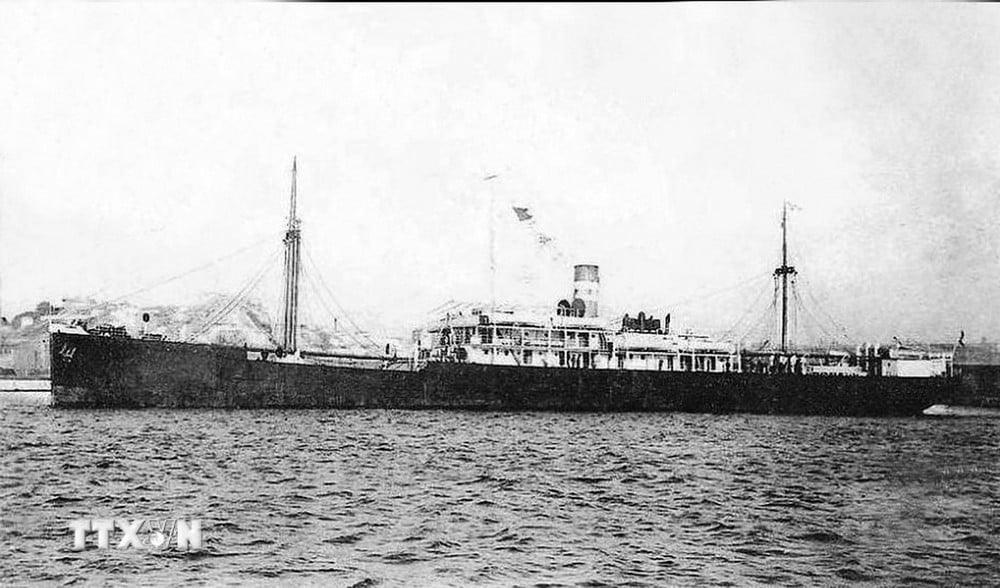
On June 5, 1911, aboard the French ship Amiral La Touche De Tréville, the patriotic young man Nguyen Tat Thanh (then just 21 years old) left Saigon to begin his 30-year journey in search of a path to national liberation.
Who would have known that this trip was not only a special milestone in President Ho Chi Minh's revolutionary life, but also a momentous turning point in the history of the Vietnamese nation? It was from this milestone that Uncle Ho found the right path, changing the destiny of the entire nation.
"Freedom for my people, independence for my country..."
In the late 19th and early 20th centuries, our country was plunged into a long night of slavery under the yoke of French colonialism. They transformed our country into a semi-feudal colony and used every insidious means to exploit our resources, brutally plundering the wealth and labor of our people to enrich their own country.
Drawing on their patriotic traditions, our people rose up and waged numerous struggles against the French colonialists and their collaborators, but all ended in failure. Many patriotic intellectuals such as Phan Boi Chau and Phan Chu Trinh went abroad to seek a way to save the country, but they still could not find a truly effective path.
Born and raised in a patriotic scholarly family in a village rich in historical, cultural, and revolutionary traditions, and witnessing the loss of his country and home, the patriotic young man Nguyen Tat Thanh soon nurtured a burning will and aspiration to win independence and freedom for his homeland.
And on June 5, 1911, under the new name Van Ba, the young man Nguyen Tat Thanh boarded the ship Amiral La Touche De Tréville, leaving Nha Rong port, beginning his journey to find a way to save the country.
With his exceptional political insight, he decided to go to the West, the birthplace of colonialism and the homeland of bourgeois revolutions, to discover what lay hidden behind the words "Liberty," "Equality," and "Fraternity"; to see how France and other countries did it, and then return to help his compatriots.
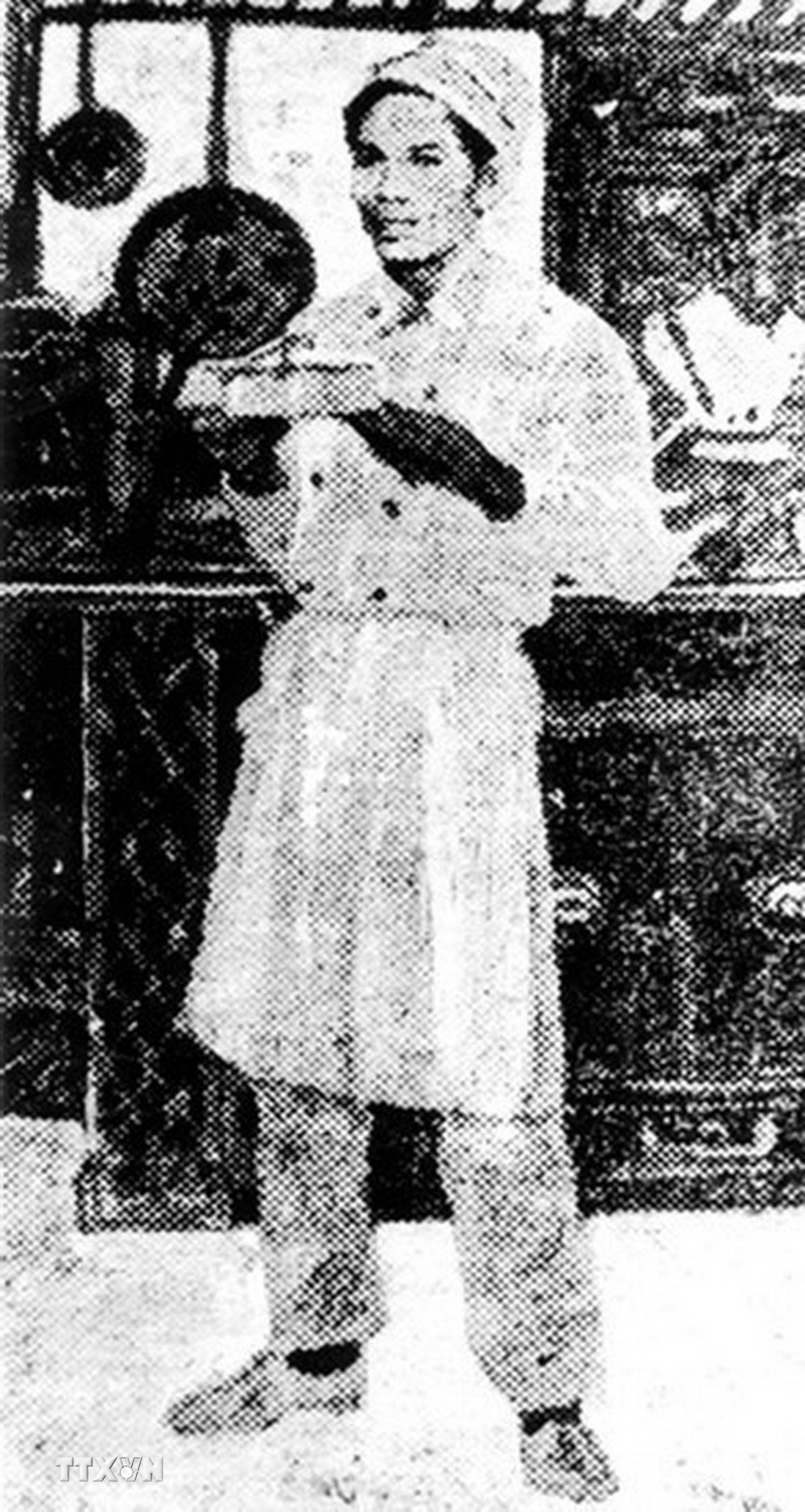
For ten years, from 1911 to 1920, he seized every opportunity to travel to many places around the world . His footsteps left their mark on many countries across the continents of Europe, Asia, Africa, and America. He spent particularly long periods in the United States, England, and France. He immersed himself in the lives of working people, doing whatever it took to make a living, such as working as a kitchen assistant, shoveling snow, stoking furnaces, taking photographs, gardening, and doing freelance painting. While working, he also took advantage of the time to study and research…
In early 1919, he joined the French Socialist Party. On June 18, 1919, under the name Nguyen Ai Quoc, he represented patriotic Vietnamese in France and sent a petition to the Versailles Conference demanding freedom, democracy, and national equality for the Annamese people.
Although the petition was not accepted, it spread widely, creating a great stir in French public opinion, awakening the fighting spirit of the colonial countries; at the same time, it also gave him the realization that nations wishing to be liberated can only rely on their own strength.
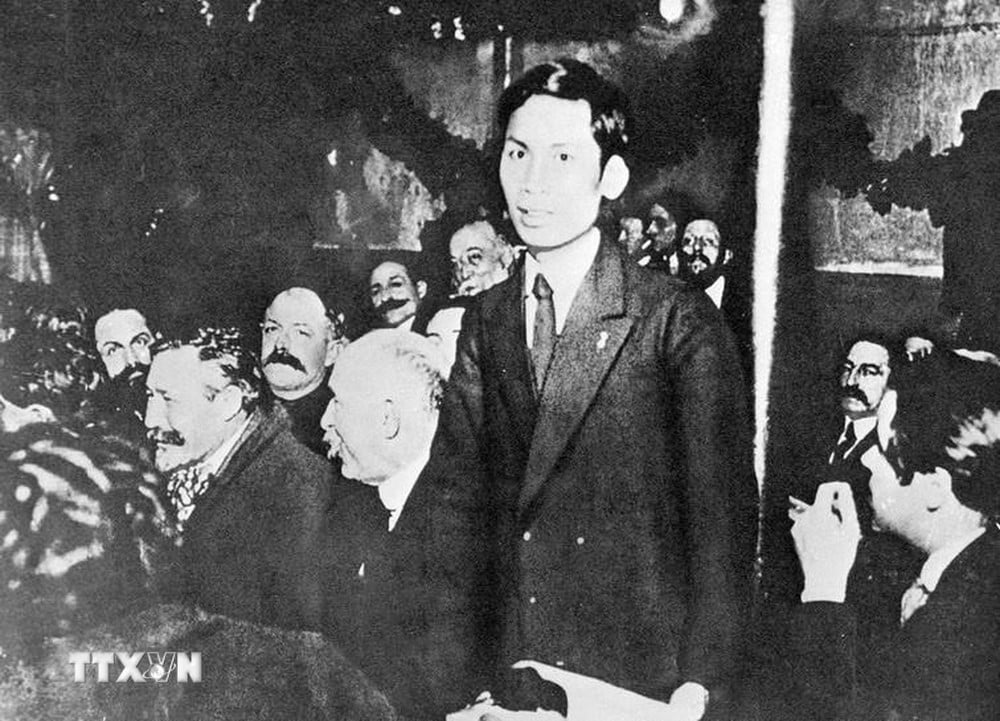
Later, at the 18th Congress of the French Socialist Party held in Tours (France), Uncle Ho supported the Third Communist International, an organization that stood with the colonial people, and affirmed to Comrade Rose: "Freedom for my compatriots, independence for my homeland, that is all I want, that is all I understand."
A historical turning point
In 1920, Nguyen Ai Quoc embraced Marxism-Leninism, finding in it the light of truth of the era, the path to national liberation, social liberation, and human liberation.
Later, when recalling that important event in an article published in the Nhan Dan newspaper on April 22, 1960, about the moment he read Lenin's "First Draft of the Theses on the National and Colonial Questions" in mid-July 1920, Uncle Ho wrote: "Lenin's theses moved me deeply, filled me with excitement, clarity, and confidence! I was so happy I almost cried. Sitting alone in my room, I spoke aloud as if I were speaking before a large crowd: O my suffering and oppressed compatriots! This is what we need, this is the path to our liberation!"
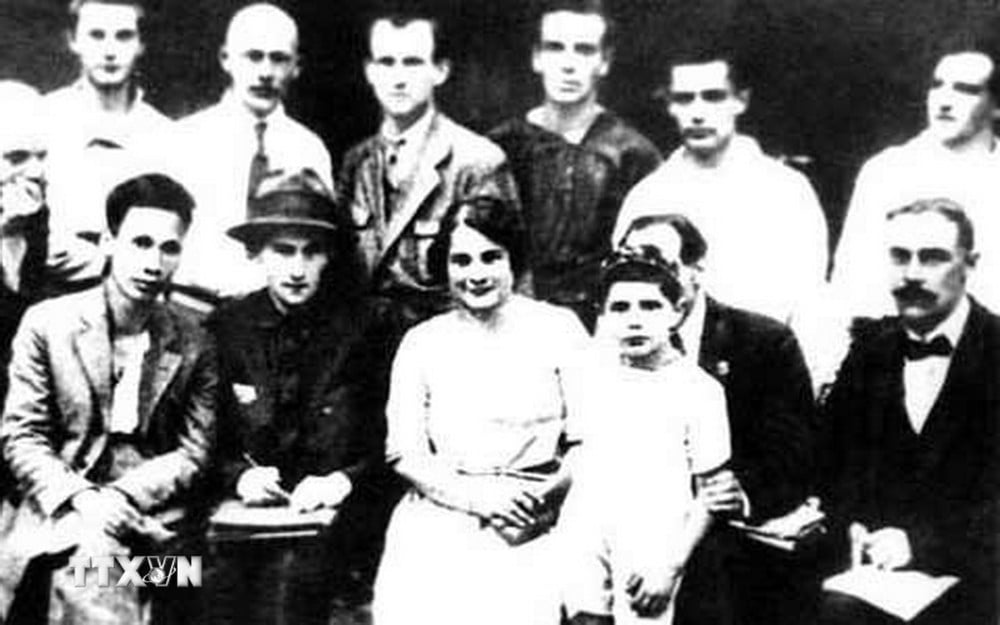
Studying Marxism-Leninism with a correct patriotic stance, he concluded: "To save the country and liberate the nation, there is no other way than the proletarian revolution" and "only socialism and communism can liberate oppressed nations and workers around the world from the yoke of slavery." This conclusion affirms the profound transformation in Nguyen Ai Quoc's thinking, from a true patriot to a communist - the first communist party member of Vietnam.
By absorbing and creatively applying Marxism-Leninism, he gradually built a theoretical system on national liberation revolution suitable to the Vietnamese reality, correctly identifying the goals, path, participating forces, leadership forces, as well as revolutionary methods, and actively preparing in all aspects for the birth of a revolutionary political party in Vietnam.
On February 3, 1930, under his chairmanship, in Hong Kong (China), the conference to unify the three communist organizations unanimously agreed to establish a unified party, named the Communist Party of Vietnam. This was a momentous historical event, ending the prolonged crisis regarding the political direction and organization of Vietnamese patriotic movements.
The founding of the Party affirms the vision, role, character, intellect, and prestige of President Ho Chi Minh; it is a great and creative contribution of his in applying Marxism-Leninism to the establishment of a genuine revolutionary party to lead the Vietnamese revolution.
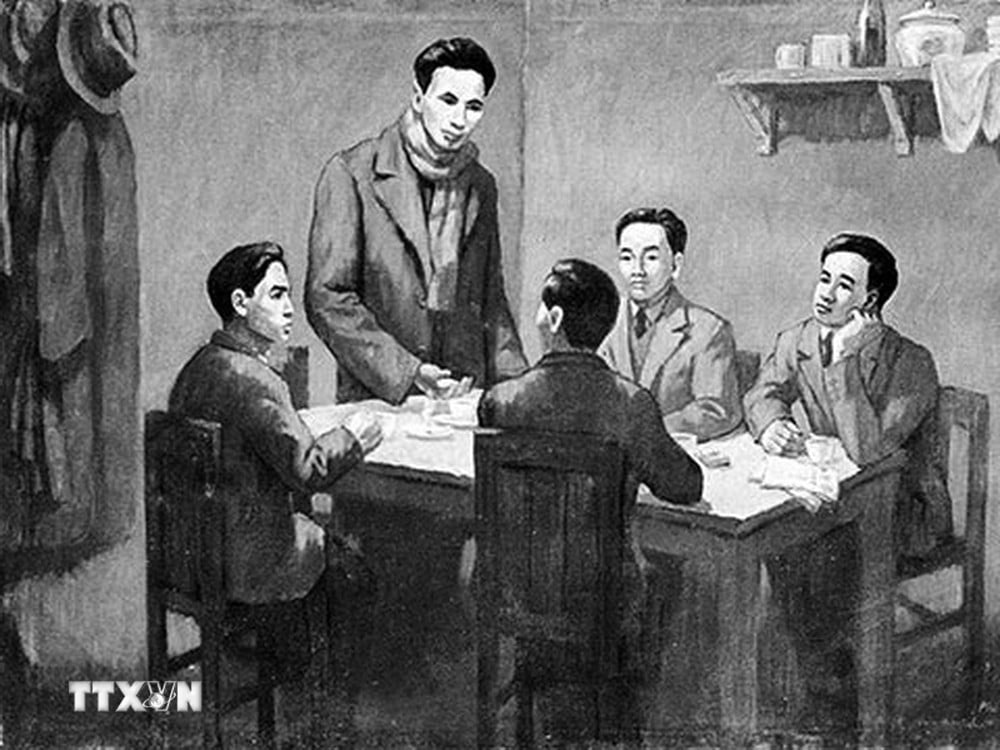
He dedicated his entire life to the glorious revolutionary cause of the nation.
After 30 years of working abroad, on January 28, 1941, Nguyen Ai Quoc returned to Vietnam to directly lead the revolutionary struggle.
In May 1941, the Chairman of the 8th Central Committee Conference decided to shift the revolutionary strategy to suit the rapidly changing international and domestic situation, placing the task of national liberation at the forefront, organizing and mobilizing the entire nation; establishing the Viet Minh Front; building armed forces and base areas, creating vibrant and powerful revolutionary movements throughout the country.
In August 1945, with his extremely sensitive and sharp political thinking, accurate predictions, timely and thorough analysis of the domestic and international situation, and recognizing that the revolutionary opportunity was ripe, he declared his determination: "Even if we have to burn down the entire Truong Son mountain range, we must resolutely win national independence," and "use our own strength to liberate ourselves."
Under the leadership of the Party, headed by President Ho Chi Minh, the Vietnamese people united as one, maximizing the strength of the entire nation to achieve the victory of the August Revolution in 1945, overthrowing the colonial and feudal regimes, establishing the Democratic Republic of Vietnam - the first people's democratic state in Southeast Asia, and ushering in the most glorious new era in the nation's history - the Ho Chi Minh Era.
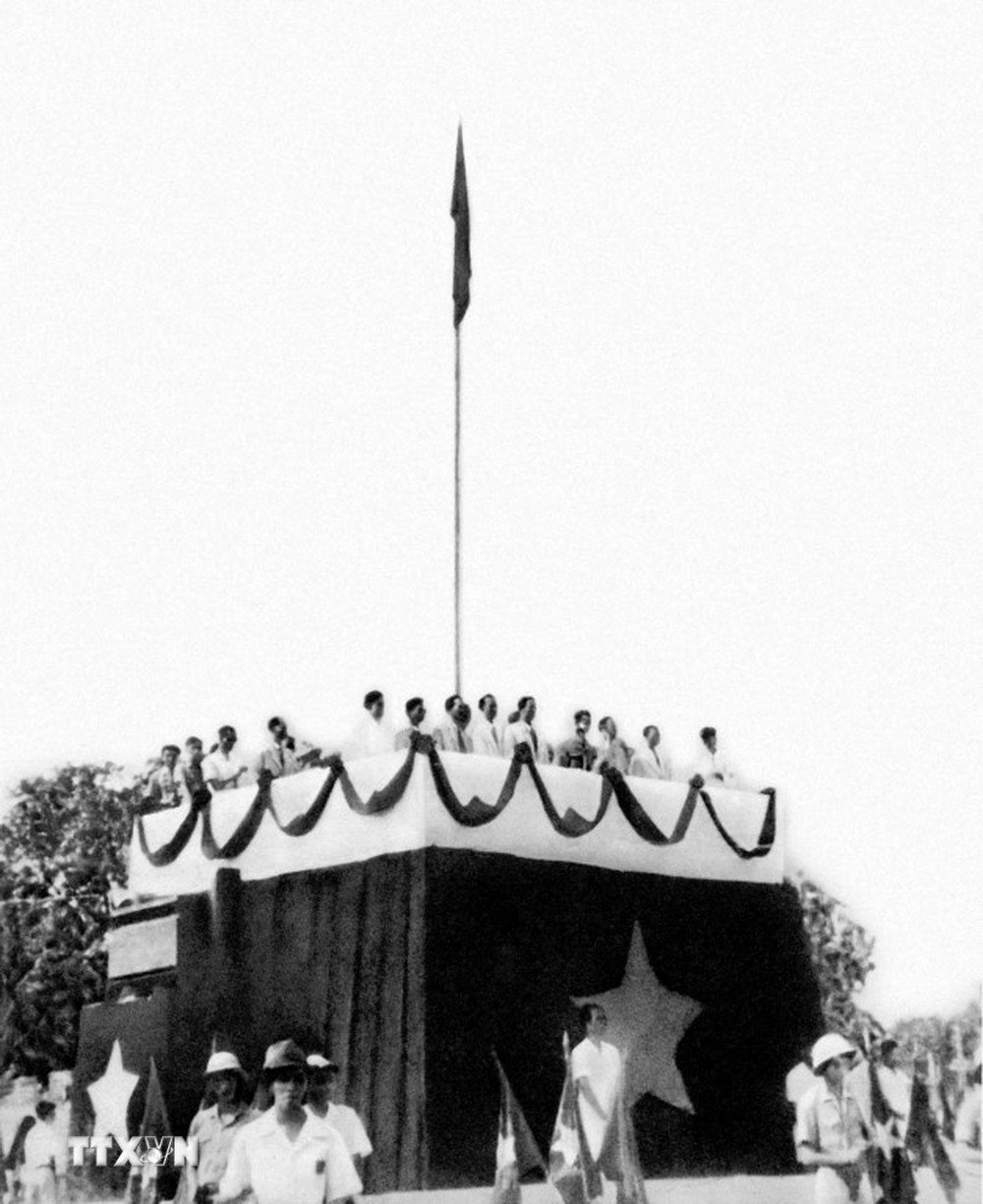
Subsequently, under the leadership of the Communist Party of Vietnam and President Ho Chi Minh, our country's revolution overcame countless difficulties and challenges, moving from one victory to another. These included the victory in the resistance war against French colonialism, culminating in the Điện Biên Phủ victory, "renowned throughout the world and shaking the earth," completely liberating the North and building a strong rear base for the struggle for national reunification; the great victory in the resistance war against the US, ending with the historic Ho Chi Minh Campaign, completely liberating the South and unifying the country; and the initial victories with great achievements of historical significance in the process of national renewal and international integration…
Throughout the process of reform, amidst the complex developments of the world situation and domestic difficulties, our Party has steadfastly upheld Marxism-Leninism and Ho Chi Minh Thought, creatively applying and developing them to the country's reality, and has achieved great achievements of historical significance.
The achievements of nearly 40 years of reform have affirmed that the Party's reform line, based on Marxism-Leninism and Ho Chi Minh Thought, is correct, creative, and in line with Vietnam's reality and the development trends of the times.
In his speech commemorating the 130th anniversary of President Ho Chi Minh's birth, General Secretary Nguyen Phu Trong affirmed: "President Ho Chi Minh dedicated his entire life to the glorious revolutionary cause of our Party, our nation, our people, and international friends. His name and legacy will forever remain with our country, live on in the hearts of our people, and in the hearts of humanity. He left to our Party, our people, and present and future generations an invaluable ideological legacy, a shining example of morality, style, and way of life!"
TH (according to Vietnam+)Source
![[Photo] “Red Journey” 2026: Vietnamese Youth Continue Building the Bridge of Friendship Between Vietnam and China](https://vphoto.vietnam.vn/thumb/1200x675/vietnam/resource/IMAGE/2026/04/20/1776629730866_4055880775670638308-9618-4200-jpg.webp)
















































Comment (0)