

A range of bulk cement products have increased in price.
Following a 4.8% increase in the average retail electricity price, coupled with ongoing and escalating military conflicts worldwide that have led to significant fluctuations in the prices of raw materials and fuels such as coal and oil, which are projected to continue rising in the near future, domestic cement companies have sought solutions to reduce costs, increase production efficiency, and adjust product prices.
From October 20th, a number of cement companies, including Bim Son, But Son, Long Son, Xuan Thanh, Vicem Hoang Mai, and Thanh Thang Group, announced price adjustments, increasing the selling price of all types of bulk cement by 50,000 VND/ton. In addition, The Vissai Group alone increased the selling price of all types of bulk cement to 46,300 VND/ton.
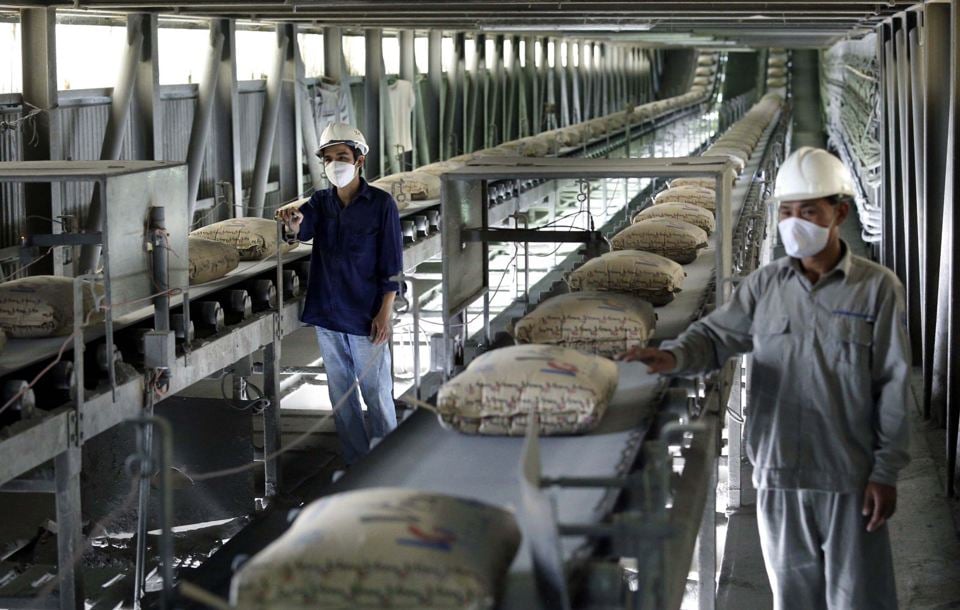
A representative from Thanh Thang Cement Group Joint Stock Company stated that the recent 4.8% increase in electricity prices, coupled with electricity accounting for 14-15% of product costs, has significantly raised production costs. Despite implementing various cost-cutting and productivity-enhancing measures such as utilizing waste heat from production lines, the company has been unable to offset these increased costs. The price increase aims to improve product and service quality and ensure continued production. Conversely, cement and clinker prices have continuously declined, with many products currently being sold below production cost.
As in previous years, demand for cement is usually very high at this time, but this year it's the opposite, leading to a continued oversupply. This forces cement manufacturers to seek export markets. However, when exporting, Vietnamese cement also faces intense competition, especially from ASEAN countries and China.
Statistics show that in the first nine months of 2024, cement production reached approximately 66 million tons, equivalent to the same period in 2023; consumption also reached 66 million tons, equivalent to the same period in 2023. Exports also decreased, reaching only 22.5 million tons in the first nine months, valued at 863 million USD, a decrease of 4.3% in volume and 15.1% in value compared to the same period.
An effective solution is needed.
According to experts, cement is one of the important, rapidly developing sectors, contributing over $5 billion to the annual GDP; it is one of Vietnam's top 5 manufacturing sectors in the world , not only meeting domestic infrastructure development needs but also exporting to many countries worldwide.
Cement consumption in 2024 could reach approximately 65-70 million tons, an increase of about 5-10% compared to 2023. However, this growth may be affected by factors such as fluctuations in raw material prices and government management policies, including large infrastructure projects, urbanization; green and sustainable trends; demand from the construction industry; and investment from businesses.
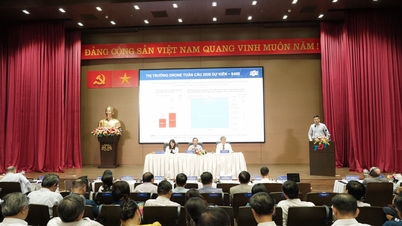
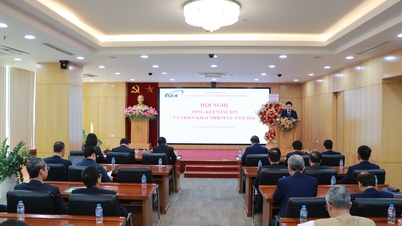
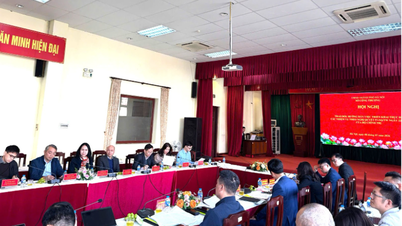
At a recent symposium on technologies for converting exhaust heat into electricity and household waste into fuel in cement plants, Deputy Minister of Construction Nguyen Van Sinh acknowledged that the cement sector must implement many tasks and solutions in the coming period. One of the important tasks and solutions, which many businesses have focused on and implemented recently, is investing in technological innovation and reducing energy consumption in production costs, such as converting exhaust heat into electricity and converting household waste into fuel in cement plants.
The government has issued Directive No. 28/CT-TTg instructing ministries, sectors, localities, and cement and construction material enterprises themselves to implement specific and practical solutions to remove difficulties and obstacles for cement and construction material enterprises. The aim is to help enterprises improve their competitiveness, restructure resources, reduce costs, and continue investing in technological innovation to reduce energy consumption, raw material consumption, and product costs, thereby enhancing their competitiveness.
According to Mr. Vu Tien Luc from the Construction Materials Department (Ministry of Construction), the country has a total of 92 rotary kiln production lines, with a total capacity of 122 million tons per year. Currently, 34 out of 92 lines have invested in and put into operation waste heat power generation systems with a total capacity of approximately 248 MW (34 out of 63 lines with a capacity of 2,500 tons of clinker/day or more), mainly belonging to cement plants in the private and joint venture sectors. At the Vietnam Cement Corporation (Vicem), within the entire Vicem system, only the Ha Tien 2 Cement Plant and the But Son Cement Plant are currently operating waste heat power generation systems. Investing in waste heat power generation systems for cement kilns has reduced electricity costs by 25-30%.
According to Deputy General Director of Vietnam Cement Corporation, Dinh Quang Dung, 9 out of 10 member enterprises plan to install and operate waste heat recovery systems (WHR systems) for electricity generation. Calculations show that the waste heat recovery projects currently underway have a total estimated installed capacity of approximately 71.45 MW and a total estimated power generation capacity of approximately 63.4 MW.
However, to promote the development of a circular economy, Vicem's leadership proposed that the Government, the Ministry of Construction, and relevant agencies study amending and supplementing some current regulations on waste treatment, including waste treatment in cement production; and consider gradually piloting the establishment of a waste market. The Department of Building Materials also requested that ministries and agencies continue to research and issue mechanisms and policies to support businesses.
The Vietnamese cement market is currently experiencing strong growth, presenting both opportunities and challenges. To maintain this growth momentum, businesses need to continuously improve technology, enhance product quality, and focus on environmental protection solutions. With a solid foundation and significant growth potential, the Vietnamese cement market promises to remain an attractive sector in the coming years.
Waste used as alternative fuel in cement plants (such as Insee Cement, But Son Cement, Song Thao Cement, Binh Phuoc Cement, etc.) mainly consists of industrial waste such as: fabric scraps, plastic fragments, rubber scraps, tires, leather, plastics, waste, cashew nut shells, tree bark, rice husks, waste oil, and solvents... No cement plant has yet used household waste on a large scale.
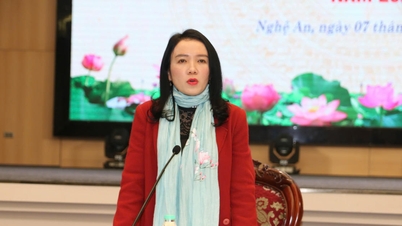
Mr. Vu Tien Luc - Department of Construction Materials (Ministry of Construction)
Source: https://kinhtedothi.vn/nganh-xi-mang-van-doi-mat-voi-kho-khan.html



























































Comment (0)