

While the central region's flood season brings danger to its rivers, the Mekong Delta's high water season is a source of livelihood for generations. The floods replenish the river with alluvial soil, bringing with them countless fish, shrimp, and other natural resources, creating an abundance unlike anywhere else.
Follow the river
The biggest difference between the Mekong Delta and other regions is how the people live by the river. The intricate network of canals makes land travel difficult, so water transport is dominant. Gradually, trade and commerce have become largely dependent on river transport.
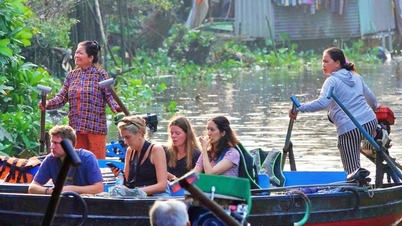
People conduct their daily lives and conduct business primarily on boats and canoes, constantly moving from place to place. The vast expanse of the waterways in this delta region is like their shared home. This has shaped the people of the Southwestern Mekong Delta into individuals with pleasant, open-minded, and hospitable personalities, thanks to the gentle and benevolent nature that has been so kind to them.
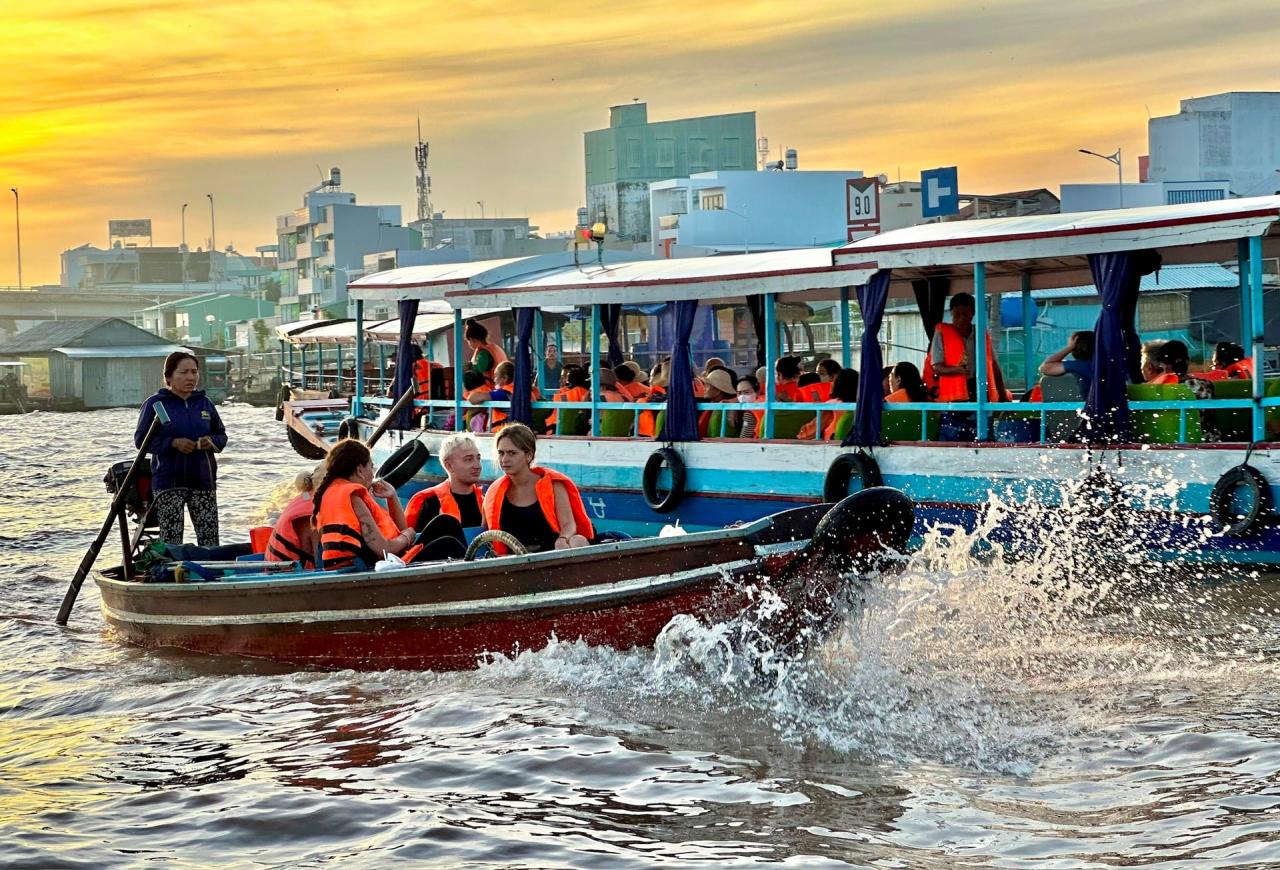
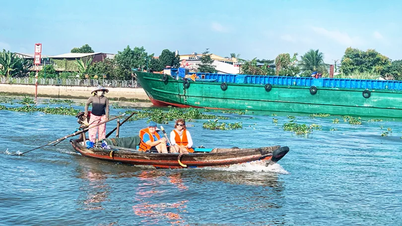
To experience and explore the Mekong Delta, boat tours are perhaps the best option. Simply head to Ninh Kieu Wharf – a famous destination for tourists from all over – and tour boats will take you to Cai Rang Market, a place where people in the Mekong Delta have gathered to make a living for generations.
Cai Rang Market brings together fruits from orchards throughout Can Tho, Vinh Long , and surrounding areas: My Khanh, Phong Dien, Binh Thuy, and Cho Lach villages.
Floating markets were formed due to the dominance of waterway transportation. The intersections of rivers and wharves became ideal gathering places. Each boat served as a mobile stall, selling all kinds of fruits and food. The floating market space was more than just a place for buying and selling; it was also a place for conversation and sharing. Although somewhat diminished, the boats laden with goods displayed on the water from early morning remained an indispensable part of life in Southern Vietnam.
Standing on the Cai Rang bridge in the early morning, you'll see layers upon layers of boats, large and small, of all colors, laden with goods, bobbing up and down. Pairs of boats, passenger boats and owner boats, huddle together like a colony of ants meeting on their way to build a nest.
Light an oil lamp, listen to traditional Vietnamese folk songs.
From Cai Rang market, boats follow the Can Tho River to Truong Tien Canal, then follow smaller canals to My Khanh orchard village. This is one of the largest and most famous fruit orchards in Can Tho.
Visitors can also experience performances of traditional Southern Vietnamese folk music and cải lương (reformed opera) in a complete and charming Western Vietnam setting, from the fruits and vegetables to the songs sung by local artists.
People in the Mekong Delta are born from the alluvial soil of the Tien and Hau rivers, and grow up surrounded by the sounds of the zither, the xang xe, and the vong co. Almost everyone can sing a few lines of the xang xe. Visiting the Mekong Delta and simply cruising on boats and eating fruit without listening to cải lương or vong co feels somewhat incomplete.
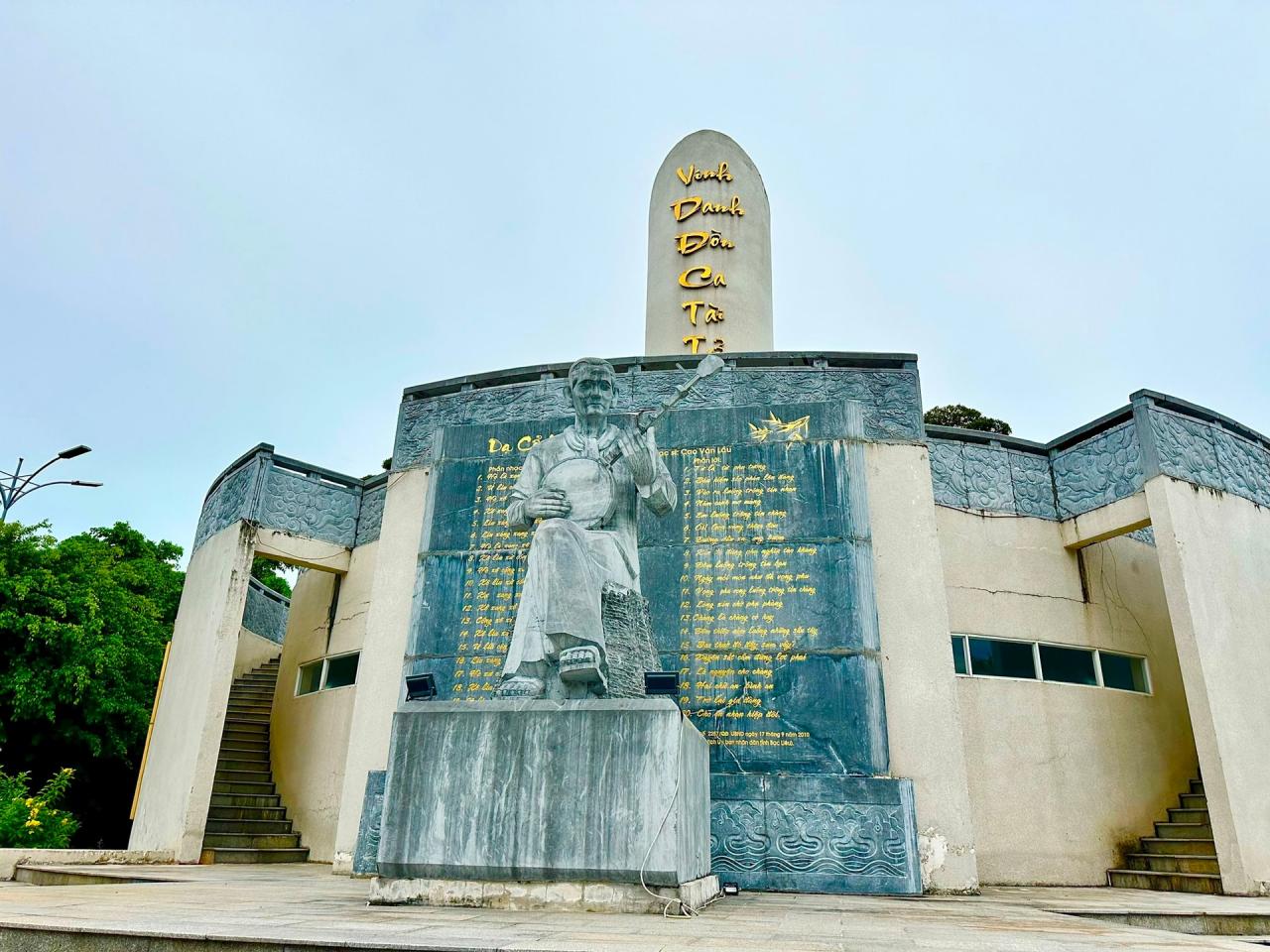
Lighting oil lamps and listening to traditional folk music is a delightful experience being revived in many destinations across this region. After an evening at a garden house, each visitor will hold an oil lamp in their hand, leading them along dirt paths to traditional huts. It evokes memories of the past, when Mr. Cao Van Lau would light an oil lamp and wander around the village singing the song "Da Co Hoai Lang," expressing his longing for his former wife.
In a cozy and nature-friendly setting, visitors can hear fascinating information about the formation and development of this unique art form in Southern Vietnam; and be amazed as "countryside talents" perform many once-famous plays, from "Dạ cổ hoài lang," "Bên cầu dệt lụa," "Tình anh bán chiếu," and more.
Western Vietnam cargo boat
Traveling along the waterways of the Mekong Delta is also a way to explore the culture of this riverine region. I traveled on one such boat from Can Tho to the orchards of Ca Mau.
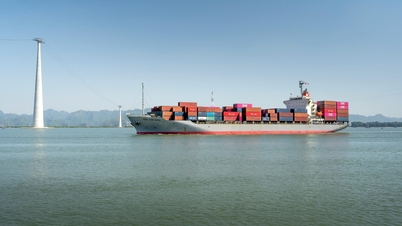
Boats from Can Tho usually follow the Xang Nga Nam or Quan Lo - Phung Hiep canals southward. Depending on the water season and cargo demand, boat owners choose the appropriate route. Roads become less developed further south, so people in remote areas of the Mekong Delta still need these cargo boats.
When the boats reached the main canals, they would continue to weave through the smaller waterways to supply the people in the orchards. Sometimes the boats would stop at guesthouses by the canal at midnight. Houses near the riverbank would wake up to the shouts and the rumble of the diesel engines. Their mood was probably one of eager anticipation for the new goods – shampoo, detergent, clothes, dried food, and New Year's treats – just like how people in the mountainous regions of Central Vietnam wait for trucks carrying goods from the city.
People in the remote areas of the Mekong Delta often eagerly await such shipments. Boats carrying Tet (Lunar New Year) goods also bring apricot blossoms and marigolds for people to prepare for the spring festival. Tet flowers usually come from famous flower villages like Sa Dec, Cho Lach, Vi Thanh, and Phuoc Dinh, bringing all kinds of flowers, large and small, to meet the needs of people in the countryside for decorating during Tet and welcoming their children and grandchildren who work far away back home.
Anyone who has lived in the Mekong Delta will surely never forget the stretch of river in front of their house with its cargo boats, barges, and fishing boats plying back and forth from morning till night. On those boats, you would occasionally hear a very interesting sound that, when you're far away, evokes a deep longing: "Who's bringing their farmed catfish and tilapia to sell this season?"
Besides announcing the arrival of cargo boats in the canal, the sounds also signify that the boats are selling goods on credit. They only return to collect payment during the rice harvest season. Although economic conditions have improved and young people have migrated to the cities to earn a living, the remaining population still clings to the rivers and canals. Their main source of income still depends on the rice crop.
The harvest season is bountiful, but when it's time to sow, all the capital is invested in the fields. For generations, people have relied on the alluvial soil of the Mekong River, but in recent years, the rice harvest has become increasingly difficult. Sometimes, when boats sell on credit, the customers who owe them are gone by the harvest season. As a result, the number of cargo boats from the Mekong Delta has gradually decreased.
"Proximity to markets and rivers are paramount" - ancient civilizations have always been linked to rivers. Rivers have, to varying degrees, influenced the character of people in different regions. Rivers sometimes change course, and their mouths sometimes become silted up, like the nine branches of the Mekong River, now reduced to only seven. But the traces of their age-old history are still evident in the lives and culture of generations of Vietnamese people...
Source: https://baoquangnam.vn/ngang-doc-song-nuoc-mien-tay-3148305.html






















































Comment (0)