

Russia has the resources to help Africa overcome its energy shortages, which hinder sustainable economic development on the continent.
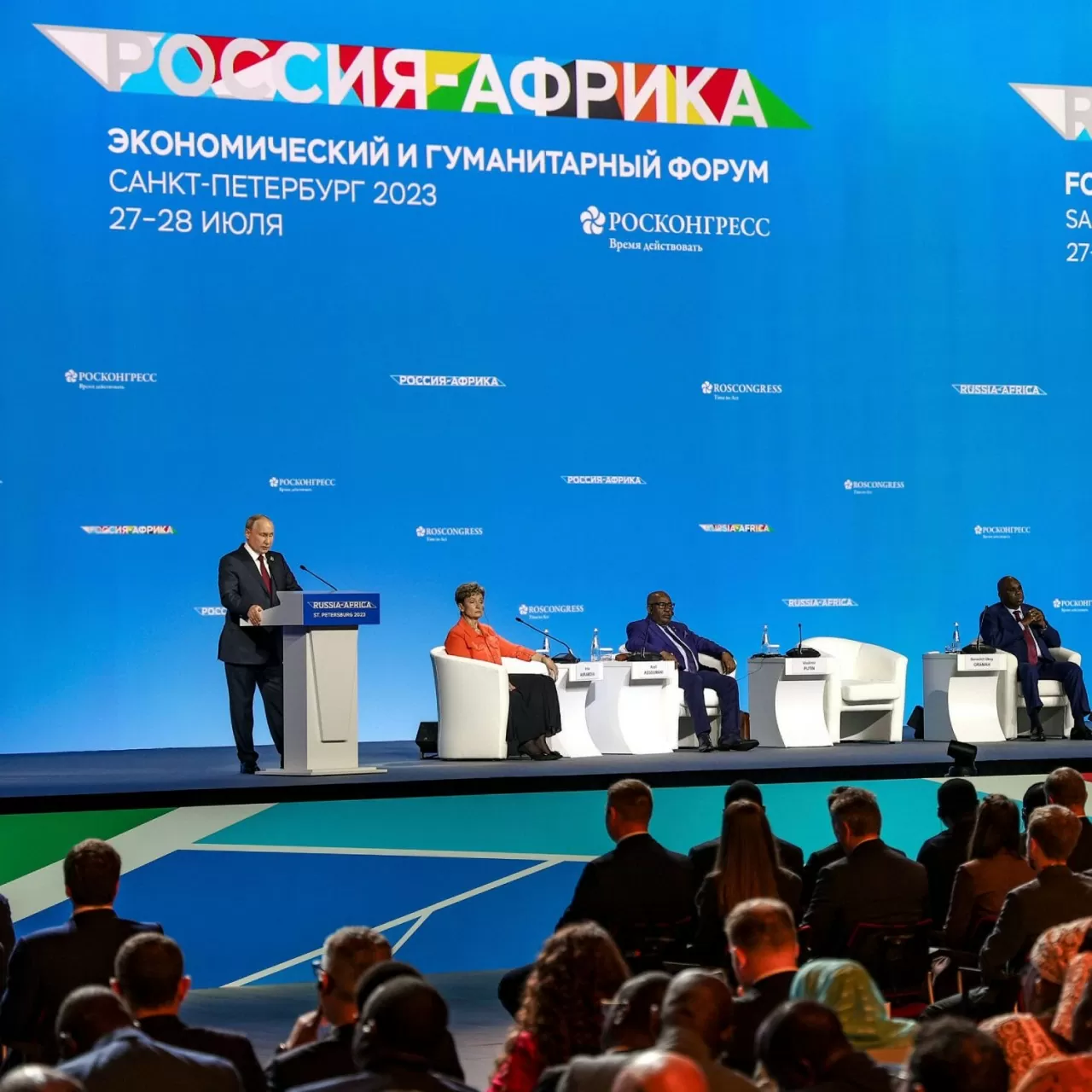 |
| The second Russia-Africa Summit took place in St. Petersburg, Russia, from July 27-28, 2023. (Source: AP) |
This is the assessment of Kester Kenn Klomegah in an article titled "An Insight into Russia's Nuclear Partnership with Africa," published in Modern Diplomacy on November 25th.
At the Russia-Africa Summits in October 2019 and July 2023, Russian President Vladimir Putin emphasized the crucial role of nuclear energy cooperation in the geopolitical commitment between the two sides. At the St. Petersburg Summit, the two sides announced important agreements on strengthening nuclear capabilities, paving the way for the promotion of industrial development in Africa.
Since taking office in 2001, President Putin has repeatedly affirmed Russia's readiness to assist Africa in building a fully developed nuclear industry on a "turnkey" basis.
However, despite signing numerous agreements on civil nuclear cooperation over the past decade, the results of bilateral cooperation remain limited, mainly consisting of publicity and plans on paper.
Several countries have signed agreements with Moscow to build nuclear power plants, including Algeria, Ghana, Ethiopia, Congo, Nigeria, Rwanda, South Africa, Sudan, Tunisia, Uganda, and Zambia. Russia has also signed memoranda of understanding with Kenya and Morocco. Simultaneously, intergovernmental committees have been established, focusing on nuclear diplomacy and cooperation in the application of nuclear energy.
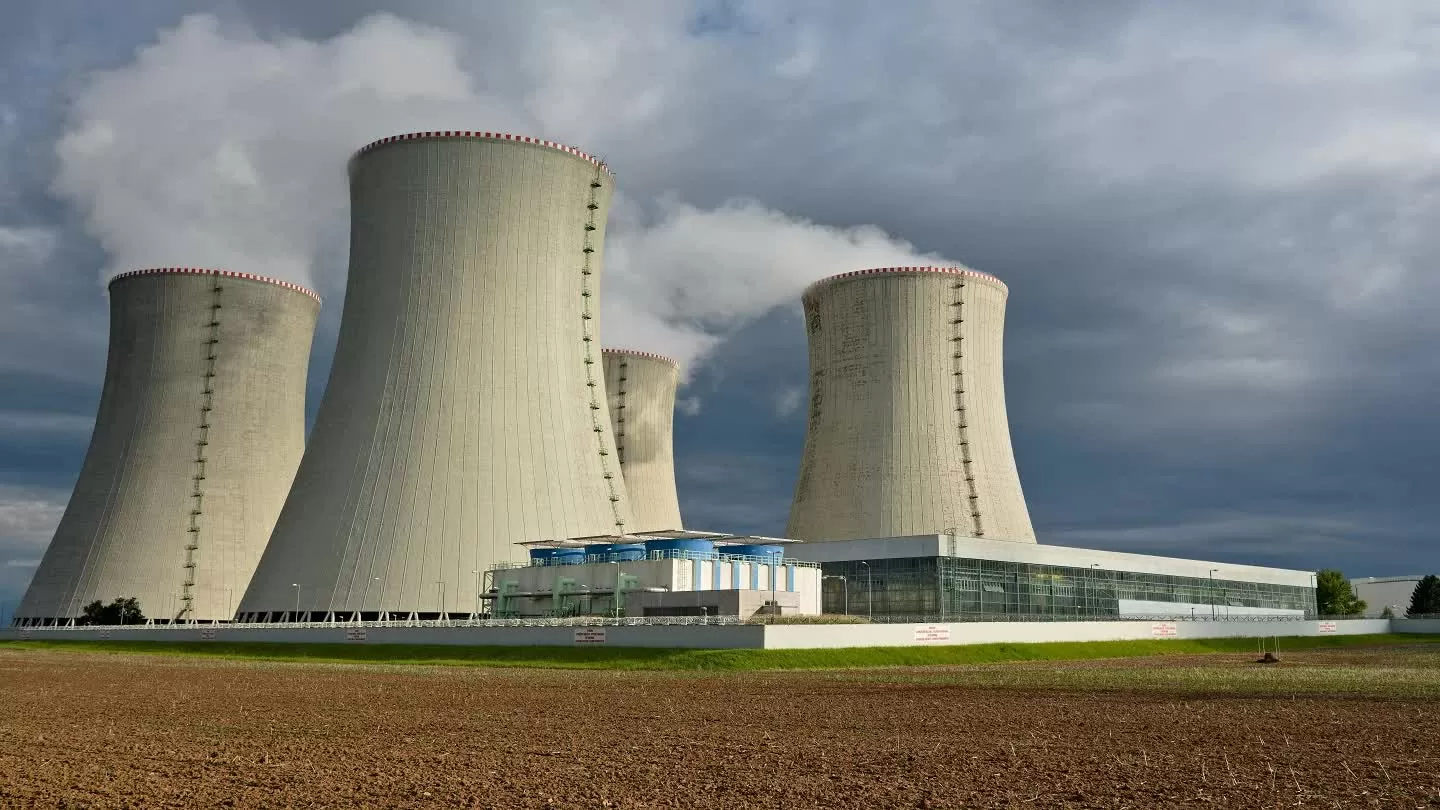 |
| Russia's Rosatom corporation is assisting Egypt in the construction of the El-Dabaa nuclear power plant, with a total capacity of 4.8 GW and a cost of $30 billion. (Source: Power Technology) |
Egypt is one of the successful models of nuclear cooperation with Russia. As the most populous country in North Africa with over 100 million people, concentrated mainly in densely populated centers such as Cairo, Alexandria, and other major cities along the Nile Delta, Egypt needs a stable energy source to operate its industry and meet domestic demand.
In May 2022, Russia's Rosatom corporation joined Egypt in building the El-Dabaa nuclear power plant, with a total capacity of 4.8 GW and a cost of $30 billion. Russia provided a loan of $25 billion, accounting for 85% of the total cost, with the remainder financed by Cairo through private investment.
Despite their high energy demands, most African countries struggle to balance their finances and meet the stringent standards of the International Atomic Energy Agency (IAEA). Building nuclear power plants requires meticulous preparation, substantial investment costs, and lengthy implementation periods.
Building a large-scale nuclear reactor requires thousands of workers, specialized materials, and components. While civilian nuclear power is considered a sustainable solution to Africa's energy crisis, this process cannot be implemented in the short term.
Commenting on Russia's expansion of nuclear technology cooperation in Africa to enhance its political influence and seek profits, Kester Kenn Klomegah suggested that Moscow needs to seriously consider specific directions to deepen the Russia-Africa partnership, building on traditional cooperation and the achievements of the two recent summits.
Beyond the El-Dabaa project in Egypt, the Kremlin should promote similar projects in other regions, with support and guidance from regional organizations such as the African Union (AU), to lead and assist member states in addressing the long-term energy crisis and achieving sustainable development goals.
Source: https://baoquocte.vn/nga-tim-cach-mo-khoa-tiem-nang-hat-nhan-chau-phi-295308.html
![[Photo] Prime Minister Pham Minh Chinh departs for an official visit to the Russian Federation.](https://vphoto.vietnam.vn/thumb/1200x675/vietnam/resource/IMAGE/2026/03/22/1774160262864_vna-potal-thu-tuong-pham-minh-chinh-len-duong-tham-chinh-thuc-lien-bang-nga-8656056-6903-jpg.webp)
![[Photo] Hanoi residents enthusiastically participate in the 2026 Olympic Run Day.](https://vphoto.vietnam.vn/thumb/1200x675/vietnam/resource/IMAGE/2026/03/22/1774154260360_ndo_bl_91e6430c9ea310fd49b232-8788-jpg.webp)
![[Image] 126 communes and wards of Hanoi participate in the 2026 Olympic Run Day.](https://vphoto.vietnam.vn/thumb/1200x675/vietnam/resource/IMAGE/2026/03/22/1774155767210_ndo_br_4013885316804510786-copy-jpg.webp)





































Comment (0)