

The solar power movement
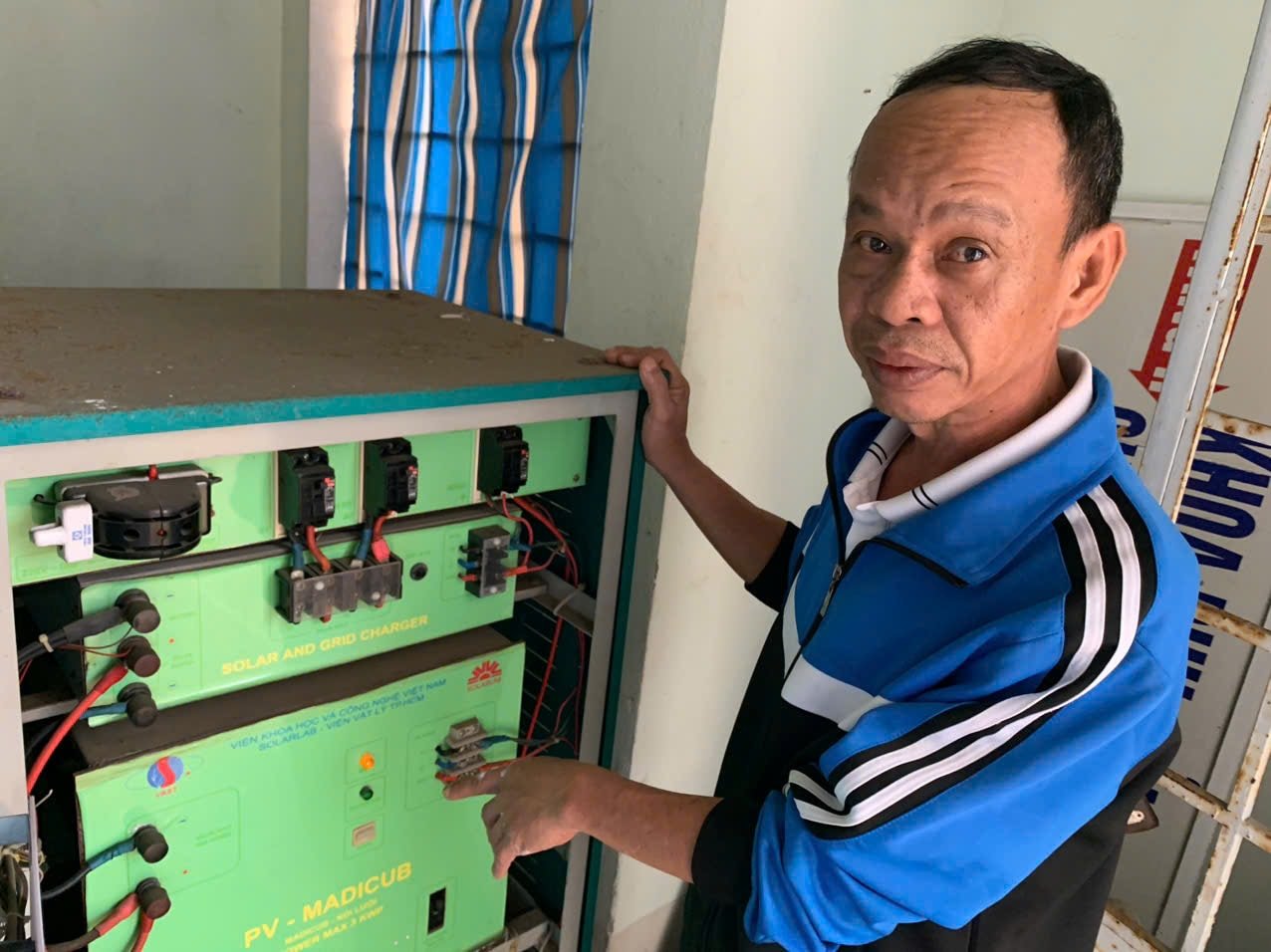
In 2012, Tam Ky City Medical Center put into operation a grid-connected solar power system. The project had a total value of over 720 million VND, of which the Spanish Government contributed 50%, the Institute of Physics of Ho Chi Minh City contributed 160 million VND, and the remaining amount was invested by the People's Committee of Tam Ky City.
This system provides approximately 600kWh/month, ensuring 100% of the electricity needs for medical examination and treatment activities at the hospital's emergency center.
The opportunity to use renewable energy has opened up and been seen at this medical facility; however, according to Mr. Ho Tan Man (the officer in charge of operating the solar power system at Tam Ky City Medical Center), after a period of use, due to outdated equipment, the system has malfunctioned and is no longer operational.
The solar power system at Tam Ky City Medical Center failed to fulfill its "mission" for many reasons, but this project is truly significant in encouraging the use of renewable energy.
Considered the first hospital in the country to use grid-connected solar power, the Tam Ky City Medical Center at that time became a shining example for public service facilities to consider investing in rooftop solar power in the context of grid power shortages. And as predicted, just a few years later, the trend of investing in solar power became a "movement" among production and service facilities, and was present on many household rooftops.
According to statistics, Quang Nam province has 1,406 rooftop solar power systems with a total installed capacity of 164,355 kWp. Problems have arisen from this massive investment surge. Specifically, the implementation of solar power projects requires full compliance with investment and construction procedures, including design, verification, appraisal, project approval, construction permit issuance, and quality management as stipulated by law. However, most solar power installation companies have not fully completed these procedures, and only a few businesses have followed the correct process.
Furthermore, the leasing of rooftops for solar power installation at facilities often lacks approval from regulatory agencies or local authorities. Some businesses leasing rooftops also fail to meet business requirements or lack the required registered capital. Despite recognizing the need to promote renewable energy development, the policy framework related to solar power is inconsistent and lacks specific guidance...
However, these are just "details" of a larger problem: the power grid system is not yet able to meet demand, and the high purchase price of electricity discourages buyers from producing clean energy.
"Self-production, self-consumption"
According to experts, the Net Zero target, set at COP26, is a commitment to reduce greenhouse gas emissions to a level that balances the Earth's ability to absorb or remove them. In this context, the electricity sector presents a significant opportunity for Vietnam to achieve its Net Zero goal, thanks to its superior renewable energy production potential. And the investment in solar power has attracted considerable attention.
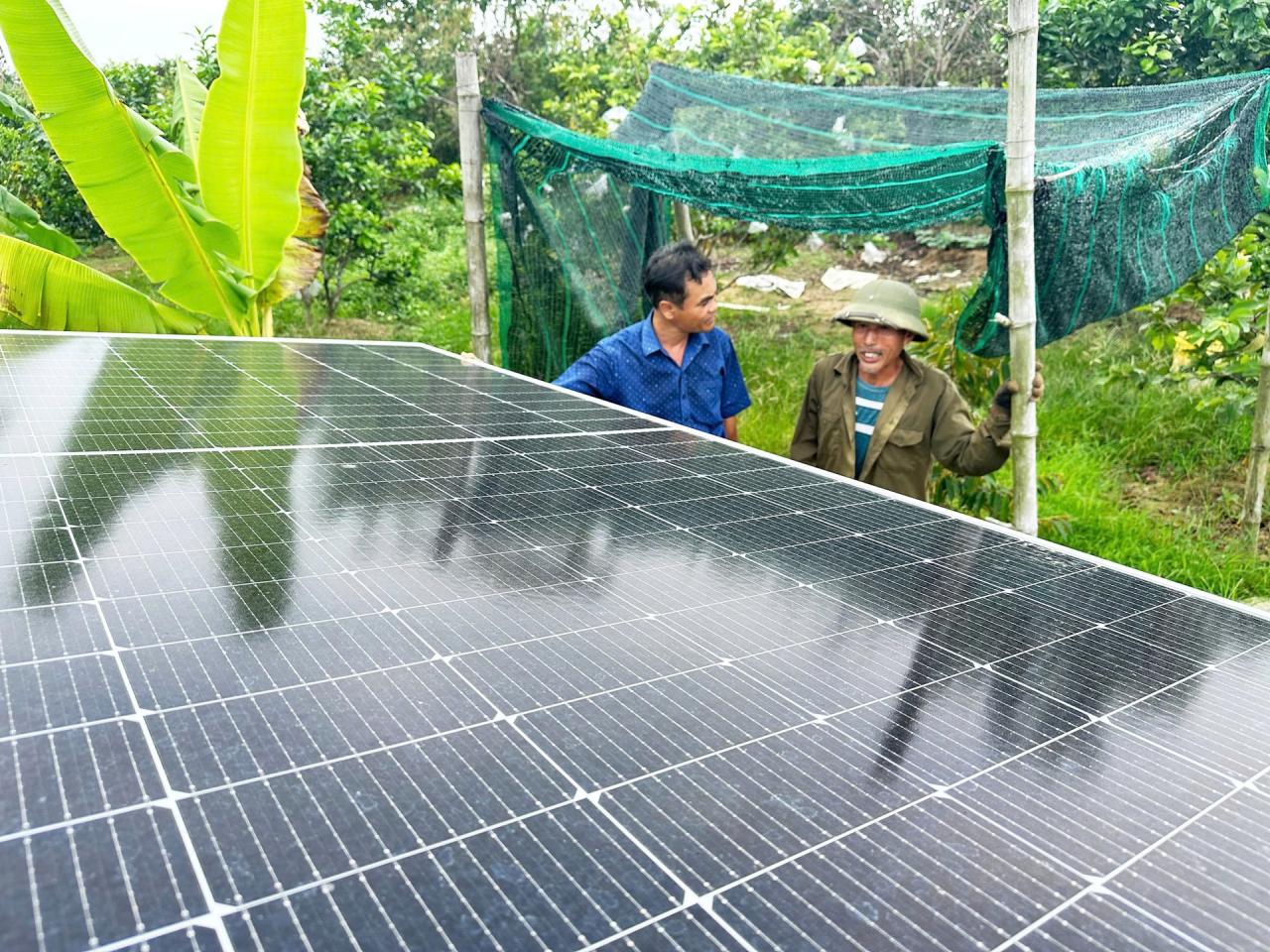
In a recent seminar, Mr. Pham Dang An, Deputy General Director of Vu Phong Energy Group (a company specializing in solar power system services), while sharing with the media about investment opportunities in the renewable energy sector in Vietnam and the difficulties and obstacles, recommended "choose the right price" when investing in solar power.
Specifically, because solar power is a unique product of... nature, its effectiveness depends on usage needs, the adaptability of the production facility, the installation location, etc., in order to achieve the highest efficiency.
According to Mr. An, generally speaking, when investing in solar power systems, the first priority is to adhere to the principle of "self-production, self-consumption" to be effective. Another economic factor is that, due to technological advancements, investment costs have decreased, which is a positive aspect of investing in solar power.
Regarding environmental factors, Mr. An jokingly remarked that solar panels now have a 98% renewable energy capacity, and are not meant to be used for "sun-dried beef" as feared.
"Self-production, self-consumption" is also a key point in Government Decree No. 135/2024/ND-CP dated October 22, 2024, on regulations regarding mechanisms and policies to encourage the development of rooftop solar power.
Specifically, this decree stipulates incentive policies such as: Organizations and individuals installing rooftop solar power systems are exempt from electricity operation licenses. Organizations and individuals installing rooftop solar power systems with an installed capacity of 1,000kW or more and selling surplus electricity to the national power grid must follow procedures related to electricity planning and apply for an operation license...
However, according to managers and investors, this policy still has many unclear answers in practice. As shared by Mr. Nguyen Hoang Dung - Head of Renewable Energy Department (under PECC3, Vietnam Electricity Group), this policy only "opens the door slightly," and does not truly meet all the investment needs for solar power.
At a recent conference organized by the Ministry of Industry and Trade to explain Decree 135, alongside positive feedback, there were numerous questions from investors, the electricity sector, and local authorities regarding obstacles.
For example, regarding the process of selling surplus electricity back into the grid, local power companies still lack a clear answer. Similarly, the uncertainty surrounding the allocation of the 48MW solar power capacity target recently included in the Power Development Plan VIII has also not received a satisfactory response...
Therefore, the journey of developing solar power within the Net Zero roadmap has not been smooth and remains challenging.
Source: https://baoquangnam.vn/net-zero-qua-lang-kinh-dien-mat-troi-3148386.html


![[Photo] Golden season of organic farming under the canopy of the vast Mang Den forest.](/_next/image?url=https%3A%2F%2Fvphoto.vietnam.vn%2Fthumb%2F1200x675%2Fvietnam%2Fresource%2FIMAGE%2F2026%2F01%2F24%2F1769247398190_ndo_br_cam-15-jpg.webp&w=3840&q=75)


Comment (0)