

 |
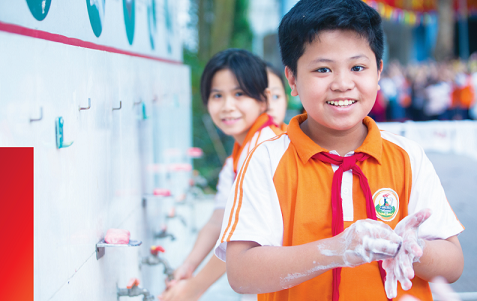
| The "School Health and Nutrition" project is being implemented in three Asian countries: China, the Philippines, and Vietnam. (Source: Save the Children) |
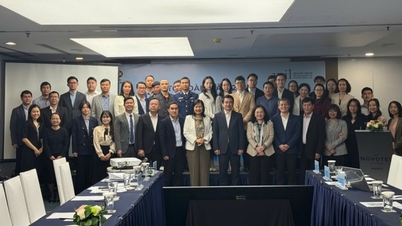
The project has been implemented over the past 12 years (2011-2024) in 125 preschools, primary schools, and junior high schools in Ha Dong (Hanoi), Hai Phong, Ho Chi Minh City, and Tien Giang . The workshop not only assessed the effectiveness of the project activities but also provided an opportunity for partners to share lessons learned and best practices in school health work in Vietnam.
The workshop was attended by representatives from the Ministry of Health , the Ministry of Education and Training, representatives from sponsors, and nearly 100 delegates from Departments of Education and Training in various localities across the country.
Speaking at the event, Mr. Le Van Tuan, senior specialist in the Department of Physical Education, Ministry of Education and Training, said that the Ministry highly appreciates the results achieved by the project, as well as the cooperation and support of Save the Children for the Ministry in improving the quality of school health services in the past.
Mr. Le Van Tuan pointed out some notable achievements, including the coordination in developing and issuing the training materials for the "Capacity Building Program for School Health Staff" according to Decision No. 354/QD-BGDĐT dated January 22, 2024, cooperation in developing Circular No. 18/2023-TT-BGDĐT, and support in organizing numerous workshops and conferences on school health topics.
A representative from the Ministry of Education and Training emphasized: "School health work requires close coordination among ministries, departments, localities, and international organizations such as Save the Children to improve the skills of school health staff, enhance facilities, and strengthen awareness-raising activities for students, parents, and the community."
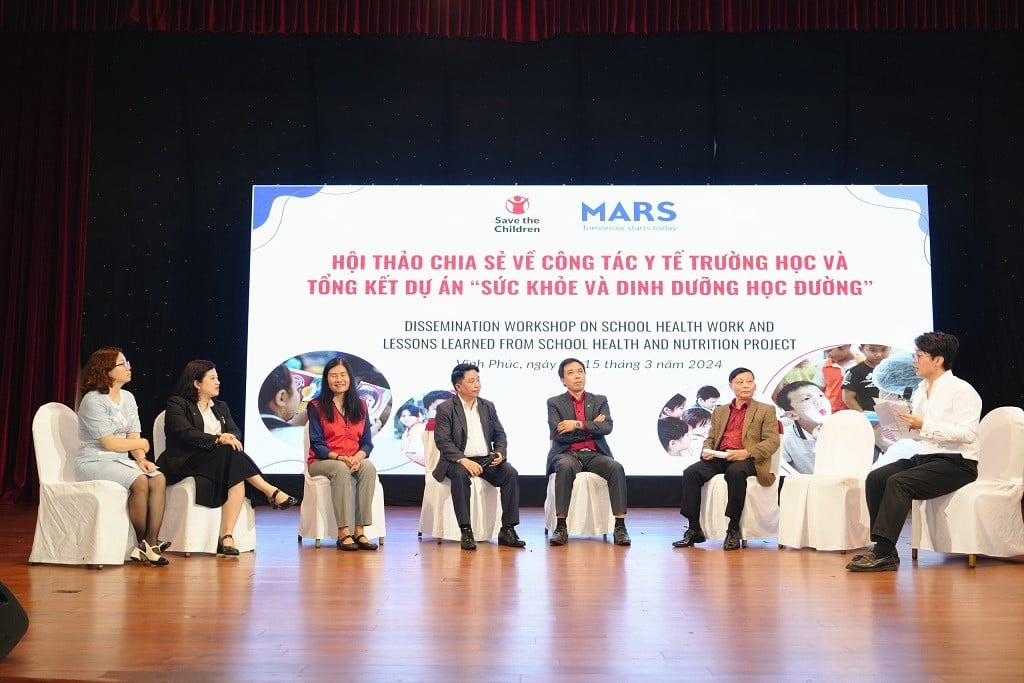 |
| The workshop not only assessed the effectiveness of project activities but also provided an opportunity for partners to share lessons learned and best practices in school health services in Vietnam. (Source: Save the Children) |
The “School Health and Nutrition” project is implemented in three Asian countries (including China, the Philippines, and Vietnam) with the goal of improving the health and academic performance of school-aged children through increased utilization of health and nutrition services in schools.
In Vietnam, the project interventions are built upon a collective effort to achieve the National Strategic Goals of the School Health Program over the periods 2011-2015, 2016-2020, and 2021-2025.
Beyond familiar school health and nutrition topics such as oral health, age-appropriate nutrition, routine health checkups, and eye protection for children, the project expands to include many "hot" issues currently under discussion, such as gender and sexuality, reproductive health, mental health, and gender-based school violence.
Over six implementation phases, the project has supported improvements to school facilities, including 122 handwashing areas, toilets, and nutritional gardens; organized over 30,000 classes integrating knowledge on oral health care and school health; conducted 460 school-level communication events; and organized activities for 196 clubs.
According to the end-of-term survey in December 2023, the percentages of students, caregivers, and teachers who showed improvement in knowledge, attitudes, and behaviors regarding healthcare after participating in the project were 70.9%, 49.3%, and 50.3%, respectively. Specifically in the 2022-2023 school year, the percentage of students rating the toilets as clean and safe increased by 16.4% compared to the previous year, which was the main reason for the school's toilet usage rate reaching 84.5%.
The link between schools, parents, and students has become a crucial factor in enhancing school health care practices, with 98.6% of parents participating in the messaging program sharing and applying these topics with their children at home.
With these positive results, the project's intervention model has been expanded to an additional 142 schools outside the project area and has received positive feedback from local authorities. Simultaneously, 100% of the participating schools have committed to maintaining and expanding school health education and communication activities in the future.
In particular, the project collaborated with the Ministry of Education and Training in supporting the development of materials for the "Capacity Building Training Program for School Health Staff" issued under Decision No. 354/QD-BGDĐT dated January 22, 2024.
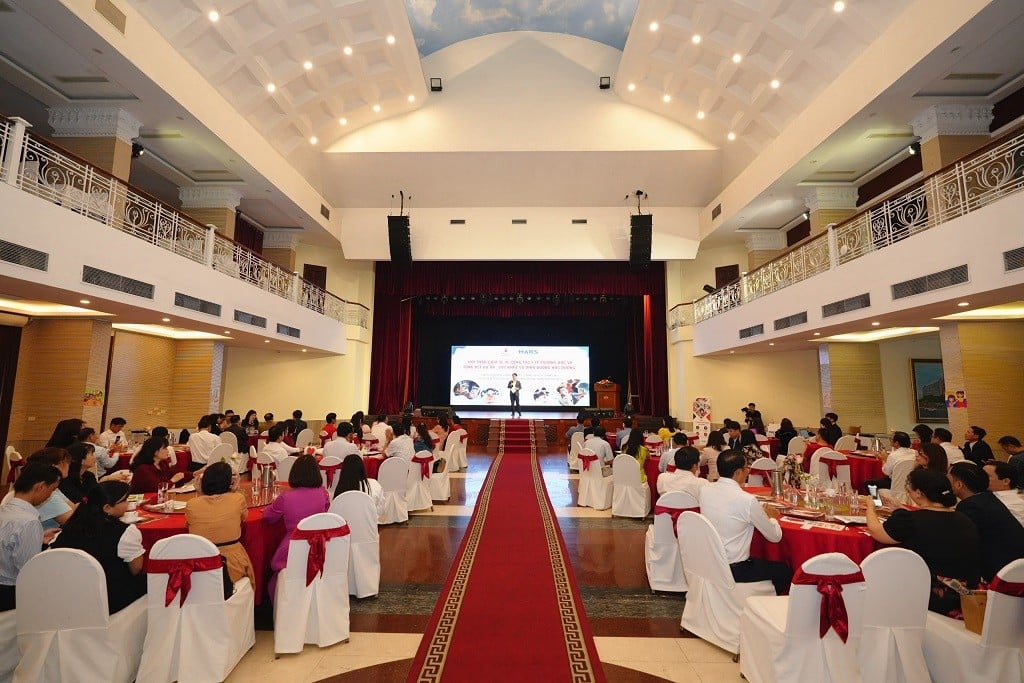 |
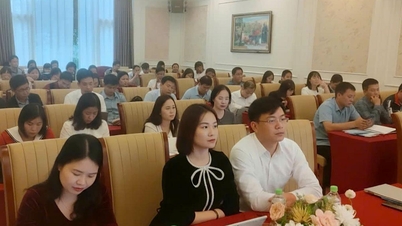
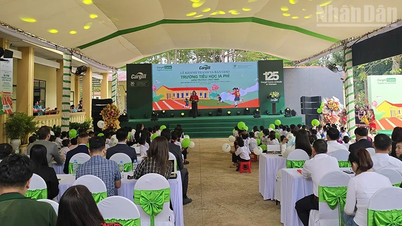
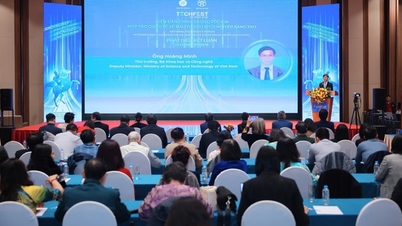
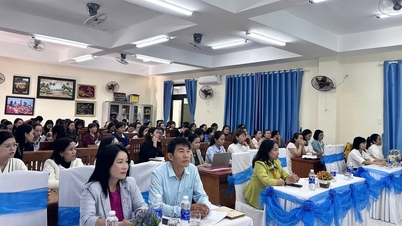
| Overview of the workshop. (Source: Save the Children) |
Save the Children is an international non-governmental organization working to ensure the survival, protection, development, and participation of children worldwide. Founded in the United Kingdom in 1919, it currently operates in approximately 116 countries. Save the Children began operating in Vietnam in 1990. Since then, the organization has expanded its activities to six main program areas including: Education, health and nutrition; Child protection; Child rights governance; Child and youth poverty reduction; and Disaster risk reduction and climate change adaptation. In all its programs, the organization promotes rights-based approaches and focuses on minority children, migrant children, children with disabilities, and the special needs of children and adolescents of all genders. Currently, Save the Children operates in 22 provinces and cities nationwide and has partnerships with government agencies, civil society organizations, businesses, and research institutions. |
| The Mars Wrigley Foundation was established with the aim of improving physical and mental health, enhancing quality of life, and spreading happiness to communities through educational programs, oral health care, promoting innovation in rural areas, and strengthening social connections. |
Source

![[Photo] Prime Minister Pham Minh Chinh attends the Conference summarizing and implementing tasks of the judicial sector.](/_next/image?url=https%3A%2F%2Fvphoto.vietnam.vn%2Fthumb%2F1200x675%2Fvietnam%2Fresource%2FIMAGE%2F2025%2F12%2F13%2F1765616082148_dsc-5565-jpg.webp&w=3840&q=75)

































































Comment (0)