

Everyone is born and raised in a specific cultural environment. When suddenly living for an extended period in a different cultural environment, people are bound to be overwhelmed, experiencing "culture shock."
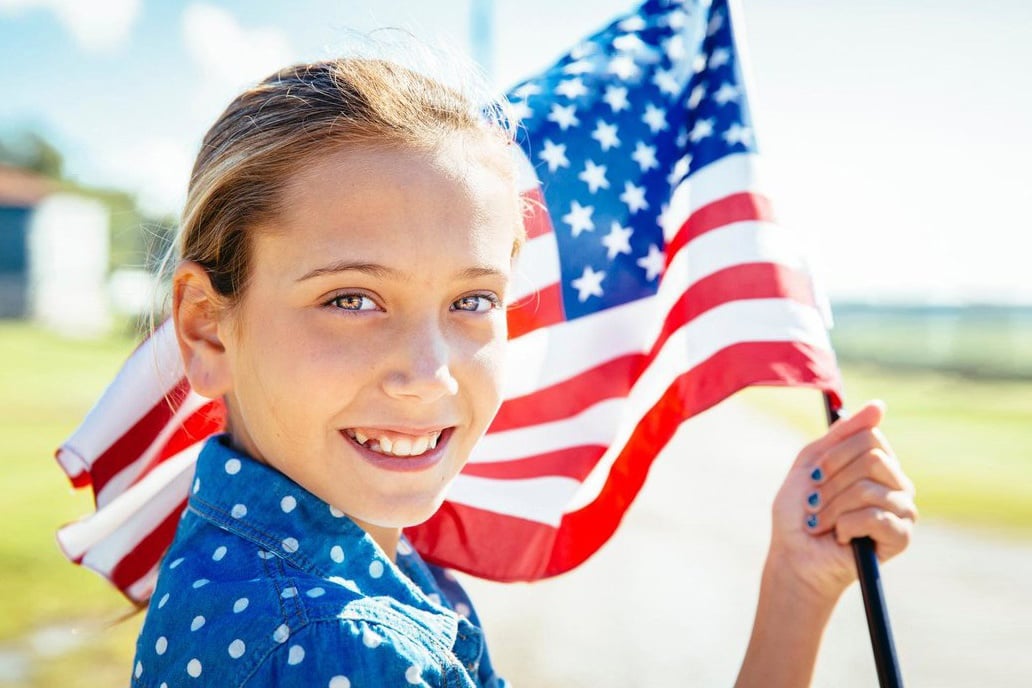 |
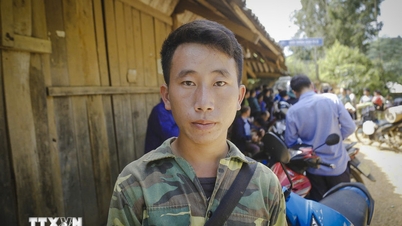
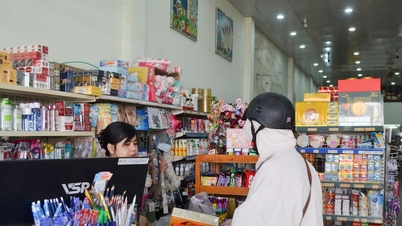
| Illustrative image. |
This phenomenon can be divided into four stages: first, the honeymoon period, lasting one or two months (people enjoy discovering new places and people); second, confusion, bewilderment, and shock (finding their behavior strange, silly, or bad); third, adjusting one's own behavior (to fit in with them. Not understanding whether they are right or wrong, but trying to understand why they behave the way they do); and fourth, integration (accepting their behavior after 6-12 months).
In her work Culture Shock! USA (Graphic Arts Center Publishing Company - Portland, Oregon - 1991), Esther Wanning analyzed the characteristics of American culture that shock foreigners when they interact with Americans. Below is a summary of some aspects of American psychology.
It's strange how, at any train station in the world , anyone can instantly recognize an American. Although Americans have many roots, they truly possess an American style. Some Americans are reserved, some are boisterous, some are talkative, some are taciturn, but the American character is unmistakable.
Friendliness – Foreigners generally agree that Americans are friendly and open. Very few Americans appear arrogant, although deep down they consider themselves superior. The US President often emphasizes that he is just an ordinary person like everyone else. It's common for a university professor to go fishing with plumbers. Americans greet everyone with a friendly "Hi!" This is a manifestation of equality. They greet their neighbors with "Hello." Friendliness doesn't necessarily mean friendship; it's simply a democratic behavior. Some foreigners hastily assume this is friendship, which is a bit premature, and they might later conclude that friendships in America are superficial. The word "friend" actually refers to acquaintances in general. True "friends" are as rare in America as anywhere else.
Emotions – Americans believe there's no need to hide their feelings. Sometimes they express them a little excessively. For example, when meeting an acquaintance, they might say, "It's great to see you. You look fabulous. Let's have lunch soon." These expressions simply mean: meeting and chatting on this street corner is quite enjoyable. As for inviting someone to lunch, it's not necessarily a genuine invitation. An American enthusiastically saying, "I like you," might be considered overly boastful by an Asian. When pleased, Americans smile brightly, gesticulate wildly, or loudly declare, "This is marvelous, the best news I've ever heard!" Unlike Asians, Americans only smile when they receive good news or are pleased. Americans don't smile to hide embarrassment; expressing sadness is often more difficult for them.
Touch communication – Americans generally avoid this except for hugging, kissing, holding hands, meeting, or saying goodbye; adults typically only engage in physical contact in sexual situations. There was a Russian man who, in a moment of affectionate intimacy, placed his hand on his American male friend's thigh, causing the American to recoil. Generally, two Americans don't hold hands intimately. Men might pat each other on the back or squeeze each other's hands, but avoid physical contact to avoid any suggestive sexual undertones. While speaking, they always maintain an arm's length distance unless they are very close; they avoid breathing on each other's faces.
Conversation – To emphasize their assertiveness, Americans often speak quite loudly, at least louder than Thais and Malaysians. Those unfamiliar with their personalities might mistake them for being angry. Americans are more tolerant of anger than Asians, especially when it's justified. Of course, losing self-control due to anger isn't considered a good thing. When speaking, maintain eye contact; otherwise, it's perceived as dishonest, although one might look away after a few seconds to ease the tension.
Social Etiquette – The United States is a young nation without a long-standing historical and social environment. Therefore, formal social etiquette is not as important as in other countries. Excessive social etiquette in America can even be considered undemocratic, especially class-based social etiquette. A lack of attention to social etiquette makes national integration easier, and Americans are more forgiving of foreigners' social awkwardness. Only the American flag is sacred in community life, but the law also protects the right to respect that flag.
Politeness – Foreigners find Americans, though not overly formal, to be polite. This impression may stem from their common expressions: "Thank you," "Please," or their respectful attitude towards foreigners. Americans are offended when someone speaks rudely to a waiter or server. For them, it's necessary to respect waiters or any service staff, treating them with the same respect as one would a doctor or senator. Judgments of American politeness also vary by ethnicity: the Japanese consider Americans rude and discriminatory, while American behavior is considered normal. Localities also differ: New Yorkers are known for their rudeness, but are also known for being helpful. In general, Americans are more polite in public than at home…
Taboos – No hiccups, no farting, no spitting, even in your own yard. No chewing gum noisily, although the upper class sometimes did. No staring at someone you're not speaking to. Cover your mouth when yawning, coughing, or sneezing; it's best to add "sorry." Don't whistle at women. When entering a house, men must remove their hats.
Source
![[Photo] The Prime Ministers of Vietnam and Russia witness the signing ceremony on cooperation in building a nuclear power plant.](https://vphoto.vietnam.vn/thumb/1200x675/vietnam/resource/IMAGE/2026/03/23/1774278492322_vna-potal-hai-thu-tuong-viet-nam-va-nga-chung-kien-le-ky-ket-hiep-dinh-ve-hop-tac-xay-dung-nha-may-dien-hat-nhan-8658380-jpg.webp)



![[Photo] Young people of the Dong Thap Border Guard actively participate in "March Border Month" activities.](https://vphoto.vietnam.vn/thumb/1200x675/vietnam/resource/IMAGE/2026/03/23/1774248483508_ndo_tl_dt3-jpg.webp)





















































































Comment (0)