


The mountainous land of Mang But, Kon Plong district, Kon Tum province, bestows upon the Xo Dang people in the misty valley a special red rice, nurtured by the soil and imbued with much sweat, thus creating the unique flavors of this mountainous region. As we ascended the mountain in the biting cold of the year-end, the trucks, heavily laden with goods, silently made their way down the slope. And, up there, we encountered not only chickens, pigs, upland sticky rice, and dong leaves… but also peach branches left from the mountains, carrying a touch of borderland charm down to the lowlands. On January 9th, in Pa Tan border commune, Sin Ho district, Lai Chau province, the Border Guard Command and the People's Committee of Lai Chau province jointly organized the "Spring Border Guard Program: Warming the Hearts of the People" in 2025. On January 9th, in Hanoi, the Board of Directors of the Vietnam Bank for Social Policies (VBSP) held its regular quarterly meeting for the fourth quarter of 2024. Governor of the State Bank of Vietnam (SBV) Nguyen Thi Hong - Chairwoman of the Board of Directors of the Vietnam Bank for Social Policies (VBSP) - presided over the meeting. Instilling pride and creating motivation for students to love their school and class more, and to compete in learning... is the motto that the Education sector of Si Ma Cai district, a mountainous area of Lao Cai province, has been implementing. In particular, the organization of club models and the promotion of ethnic cultural identity are proving effective, contributing to improving the overall quality of education in the locality. Implementing Project 2 of the National Target Program for socio -economic development of ethnic minority and mountainous areas giai đoạn 2021 - 2030, Phase I: From 2021 - 2025 (referred to as National Target Program 1719), Kon Tum province is currently implementing 16 projects to resettle and stabilize the population for 9,231 households. Currently, investors are accelerating construction progress to complete the items soon and allocate land for people to build houses. The simple, rustic yet sophisticated handcrafted products made from natural materials and the skillful hands of ethnic minority artisans in Kon Tum have delighted and impressed many tourists, locals, and students visiting the "Traditional Handicraft Exhibition and Performance Space of Ethnic Minorities". When the weather turns cold, our immune system is often affected, leading to coughs, colds, and respiratory problems. While Western medicine can help reduce symptoms, many people seek natural, safe, and effective herbal remedies for coughs. Today's feature will introduce you to some herbal remedies for coughs when the weather turns cold. (This is a summary from the Ethnic Minorities and Development Newspaper.) This afternoon's news bulletin on January 9, 2025, includes the following noteworthy information: Yen Bai strives to achieve a happiness index of 68.3% for its people. "Green gold" on the Danh mountain land. Preserving the sound of the weaving loom. Along with other current events in the ethnic minority and mountainous regions. Muong Khuong is a district classified as a 30a district in Lao Cai province, with approximately 90% of its population being ethnic minorities. In recent times, the district has been focusing on developing agriculture towards a commodity-based approach. Thanks to this, the lives and incomes of the people have gradually improved. The mountainous land of Mang But, Kon Plong district, Kon Tum province, has bestowed upon the Xo Dang people in the misty valley a special red rice, nurtured by the soil and imbued with much sweat, thus creating the unique flavors characteristic of this mountainous region. With its potential in natural landscapes, unique cultural identity, and cuisine, the ethnic minority and mountainous regions have great potential to become a world-leading destination for community tourism development. To promote community tourism development, the Ministry of Culture, Sports and Tourism (MOCST) recently issued Decision No. 3222/QD-BVHTTDL approving the Project on Community Tourism Development in Vietnam. The project is expected to facilitate the systematic and sustainable development of community tourism. According to statistics, Typhoon No. 3 affected 17,252 houses in Lao Cai province, causing damage estimated at approximately 807 billion VND; 403 high-risk landslide areas were identified in residential areas, requiring the relocation of over 5,000 households to safer locations. In 2019, organic tea from Bac Ha, produced by the Ban Lien Tea Cooperative in Ban Lien commune, Bac Ha district, Lao Cai province, received a 5-star OCOP certification from the Central OCOP Council. As a result, 90% of the cooperative's tea production has been exported to European countries, the US, Japan, etc., at a selling price of 100-120 USD/kg. Over the past five years, the cooperative has provided employment and stable income for hundreds of Tay and Mong ethnic minority households. The person responsible for this "miracle" is Mr. Pham Quang Than, Chairman of the Board of Directors and Director of the Cooperative.
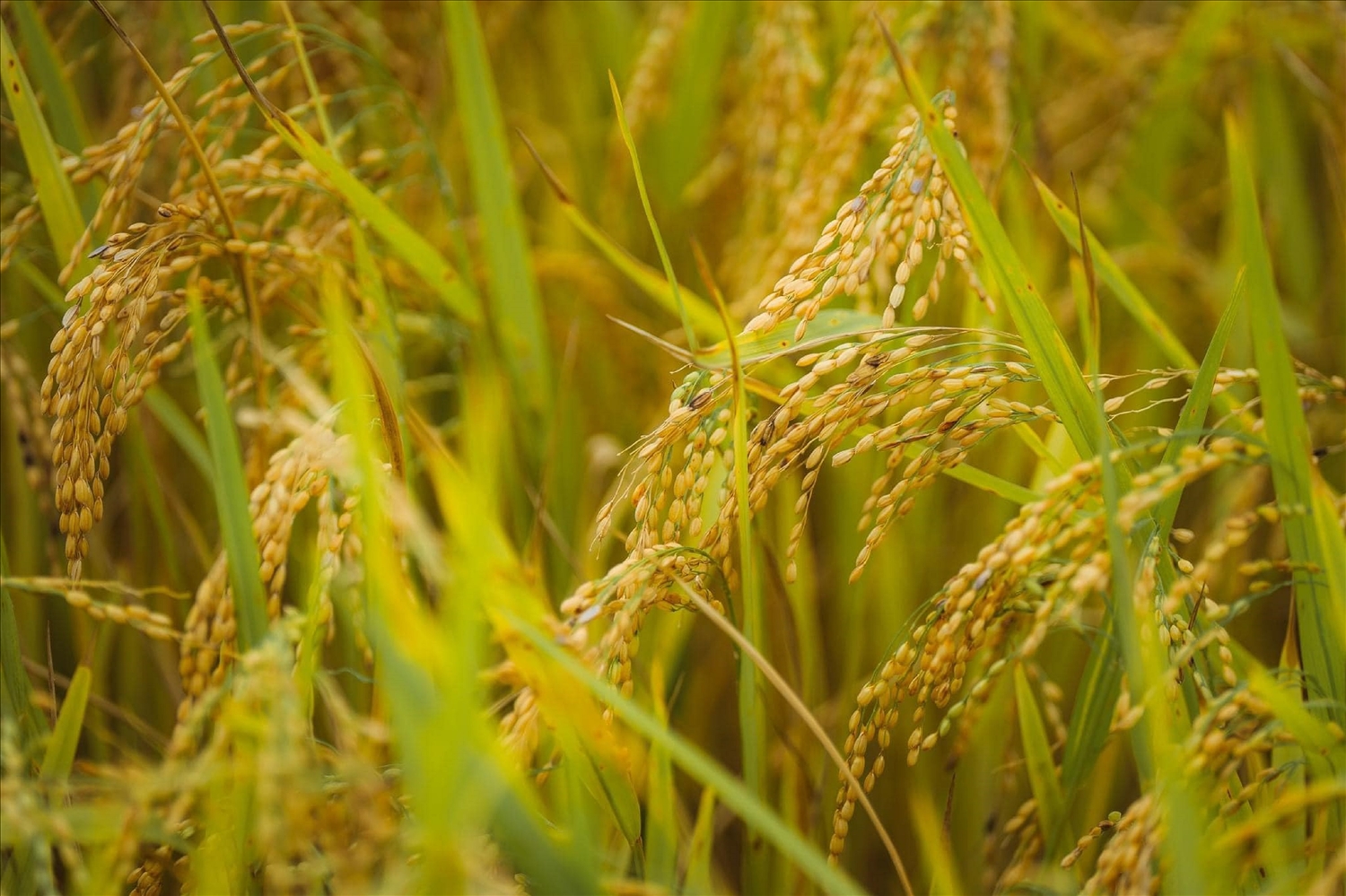
A gift from the earth
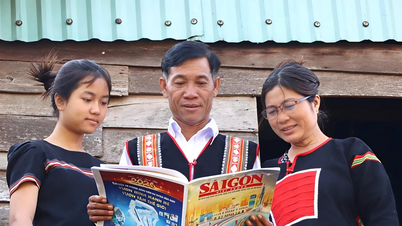
In Mang But, as the dry season approaches at the end of the year, cool breezes sweep across the hills near and far, through the vast fields after the harvest. The rice has been stored, and the Xo Dang people are busy preparing products from their red rice. Holding in her hands the finished product of vermicelli made from the local red rice, Ms. Y Sieu from Mang But commune is even more satisfied that the local red rice can now be processed into attractive products for consumers everywhere, opening up a path to developing livelihoods from this mountainous land.
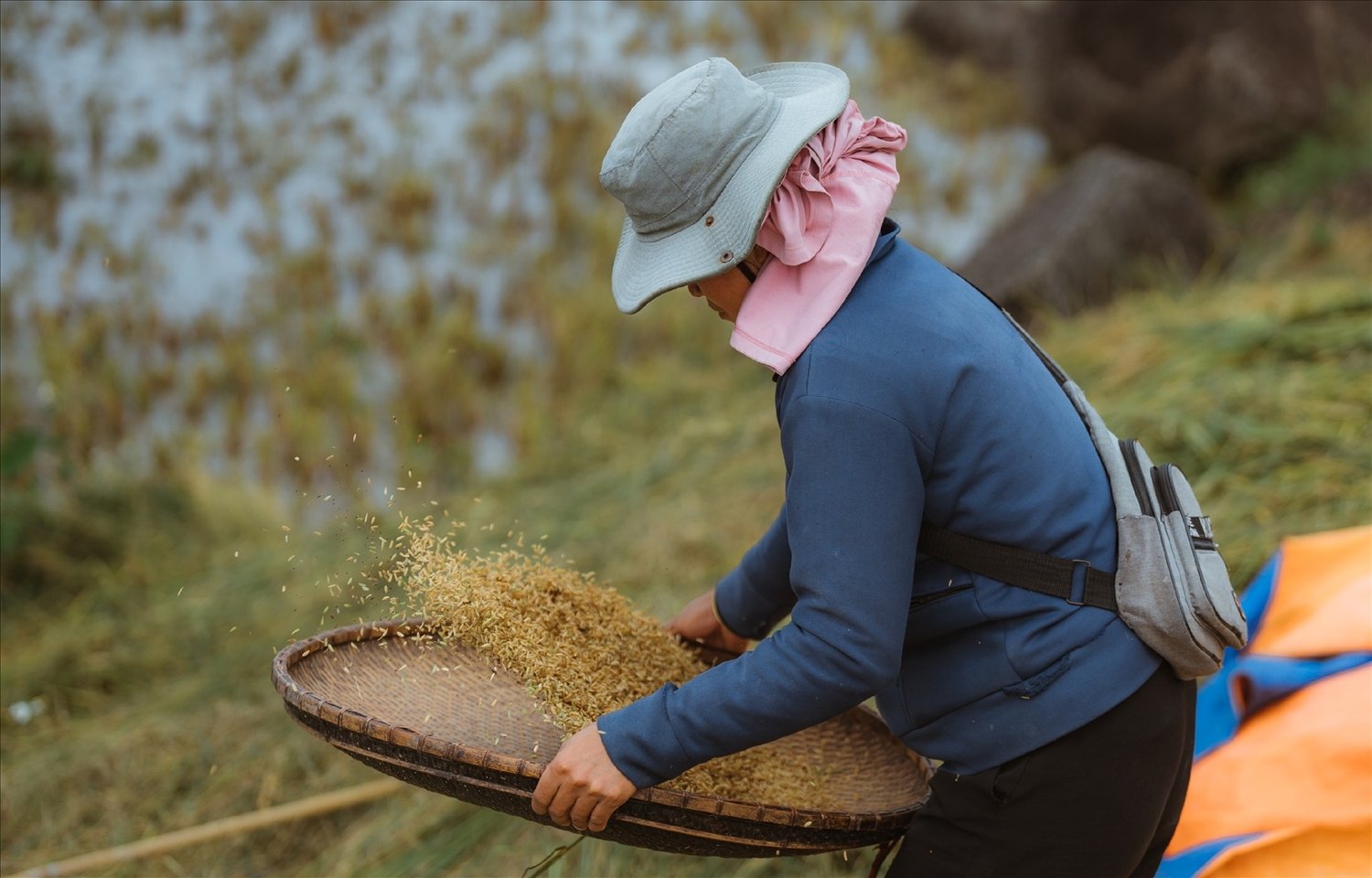
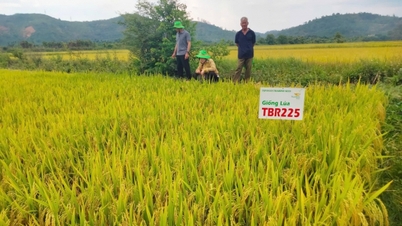
Red rice is a purebred rice variety from the Mang But valley. Y Sieu said that the rice, called "bao prang," has been cultivated for generations. The Xo Dang people only plant it once a year, usually in February, after the Lunar New Year, when they prepare the land and sow the seedlings. Once the soil is watered, they begin transplanting in April. The rice grows for six months, from transplanting to harvesting in October or November when the weather turns cold. Bao prang rice plants are as resilient and strong as the Xo Dang people; they don't need fertilizer and are not affected by pests or diseases. They only need weeding and sufficient water to grow vigorously, producing ears of grain. The special thing about this red rice is that it is initially opaque white, but when soaked and fermented, it turns red, creating a distinctive brand for the Xo Dang people.

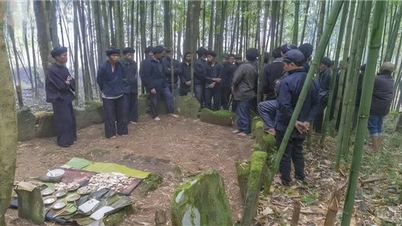
In the Mang But valley, villages like Dak Lanh, Dak YPai, Dak Pong, Vang Loa, Mang Buk... all cultivate the Bao Prang rice variety. The bamboo-tube rice and jars of rice wine, imbued with the earthy aroma of the festival season, are made from this red rice, carrying with them the essence of the earth and sky. The Xo Dang people still use this red rice as an offering to thank Jang (the supreme deity) as a gift from the earth.
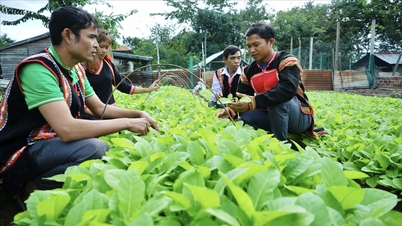
Mr. A Vinh, Vice Chairman of the People's Committee of Mang But commune, shared that after a long period of switching to planting new varieties, currently, only about 60 hectares of red rice remain in the commune, accounting for more than 10% of the total rice paddy area. As an original, long-standing variety, relevant authorities are currently considering and researching methods to increase productivity based on organic and safe production practices. In Dak Lanh village, this year marks the fourth cropping season, and the model of growing red rice is being maintained through the activities of the ethnic minority women's cooperative. The continued operation of the cooperative has contributed to raising awareness about the preservation of indigenous plant varieties.
Elevating the status of red rice.
A few years ago, the Kon Tum Provincial Agricultural Extension Center invested in developing a model for growing and caring for red rice under natural conditions. Along with this, they built a supply chain from planting and caring for the rice to producing and consuming products made from red rice. With guidance from the local government, the Xơ Đăng people now not only use red rice as food and for making rice wine, but also process it into many other products such as red rice noodles, red rice noodles with ginseng, super-grain red rice bars, super-shredded red rice bars, and red rice tea... These products meet the needs for quick and convenient meals while still ensuring nutrition with a low glycemic index and rich in antioxidants.
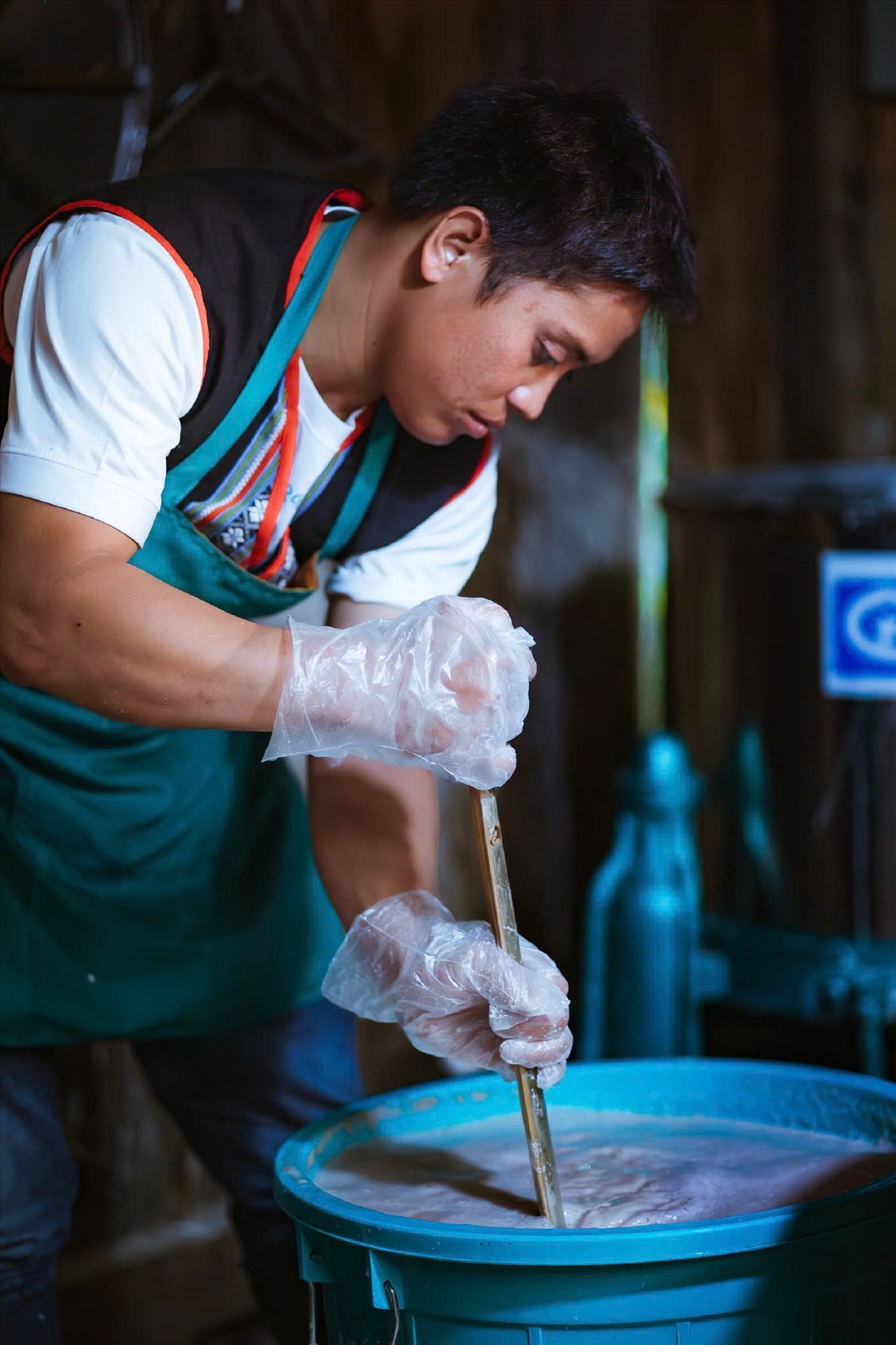
To enhance the value of Mang But red rice and increase the income of the Xo Dang ethnic minority, Kon Plong district established the T'Mang Deeng Cooperative in August 2024 in Mang Buk village with 10 members, led by Y Sieu. The local authorities provided support including machinery for making vermicelli, a vacuum forming machine, packaging and label printing, and a portion of red rice for the members to use in production. Members of the cooperative also contributed additional funds to support the production and processing of red rice from Mang But.
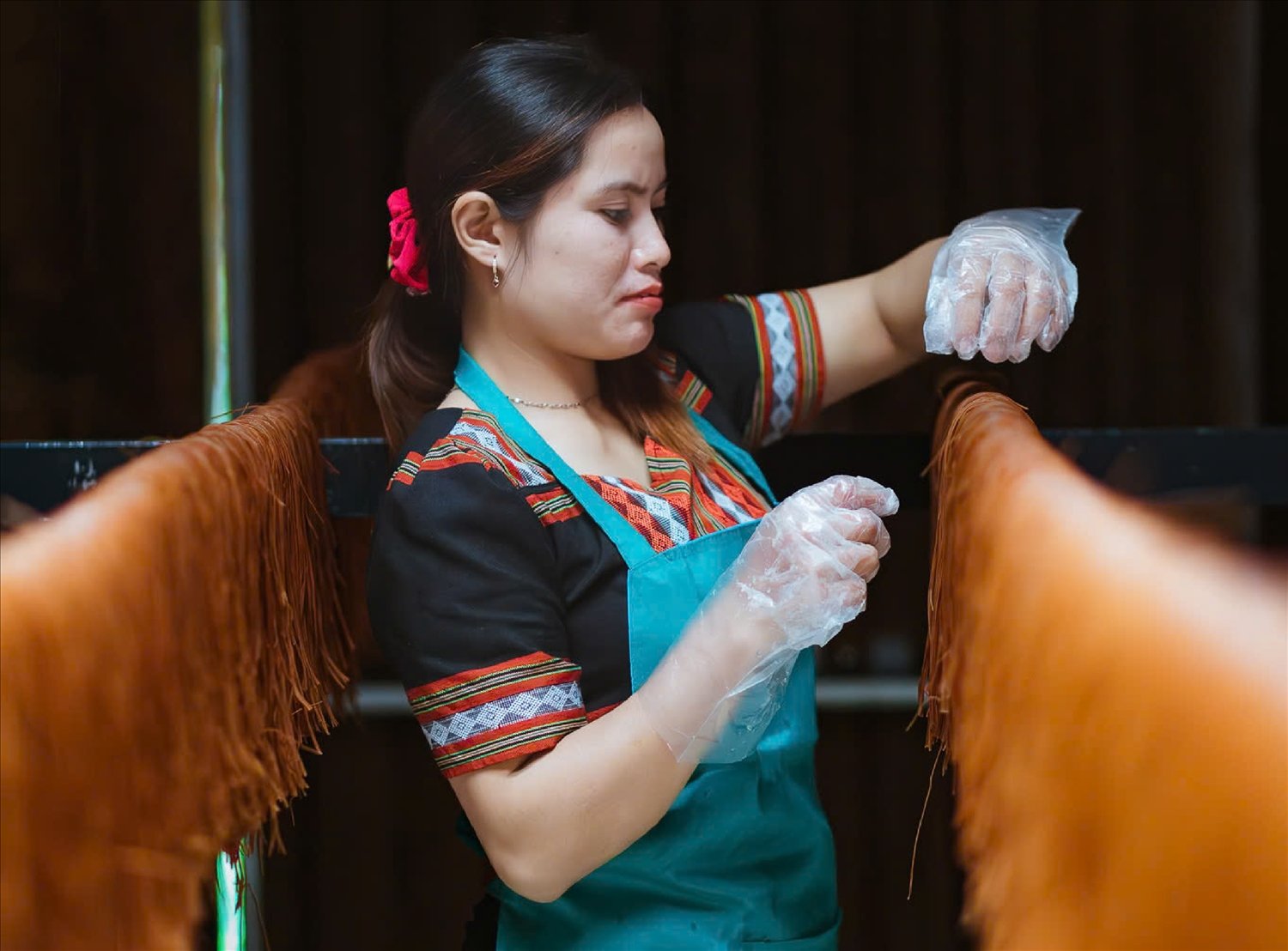
The cooperative has a clear division of labor, producing three batches of rice noodles per week, with three people assigned to each batch. Each workday is meticulously recorded. The men mostly operate the machinery, while the women handle other tasks such as soaking rice, washing noodles, drying noodles, and packaging. All income from selling rice noodles is being compiled by the cooperative to be used as working capital for future production.
Ms. Y Siêu stated that currently, one kilogram of packaged red rice noodles sells for 60,000 VND, while wholesale prices are 45,000 VND/kg. The red rice noodles are made 100% from red rice grown by local farmers in Măng Bút, contain absolutely no preservatives, and are very healthy. This product is frequently available at tourist areas in Măng Đen, at fairs, and at agricultural product exhibitions, and is a popular choice among consumers.
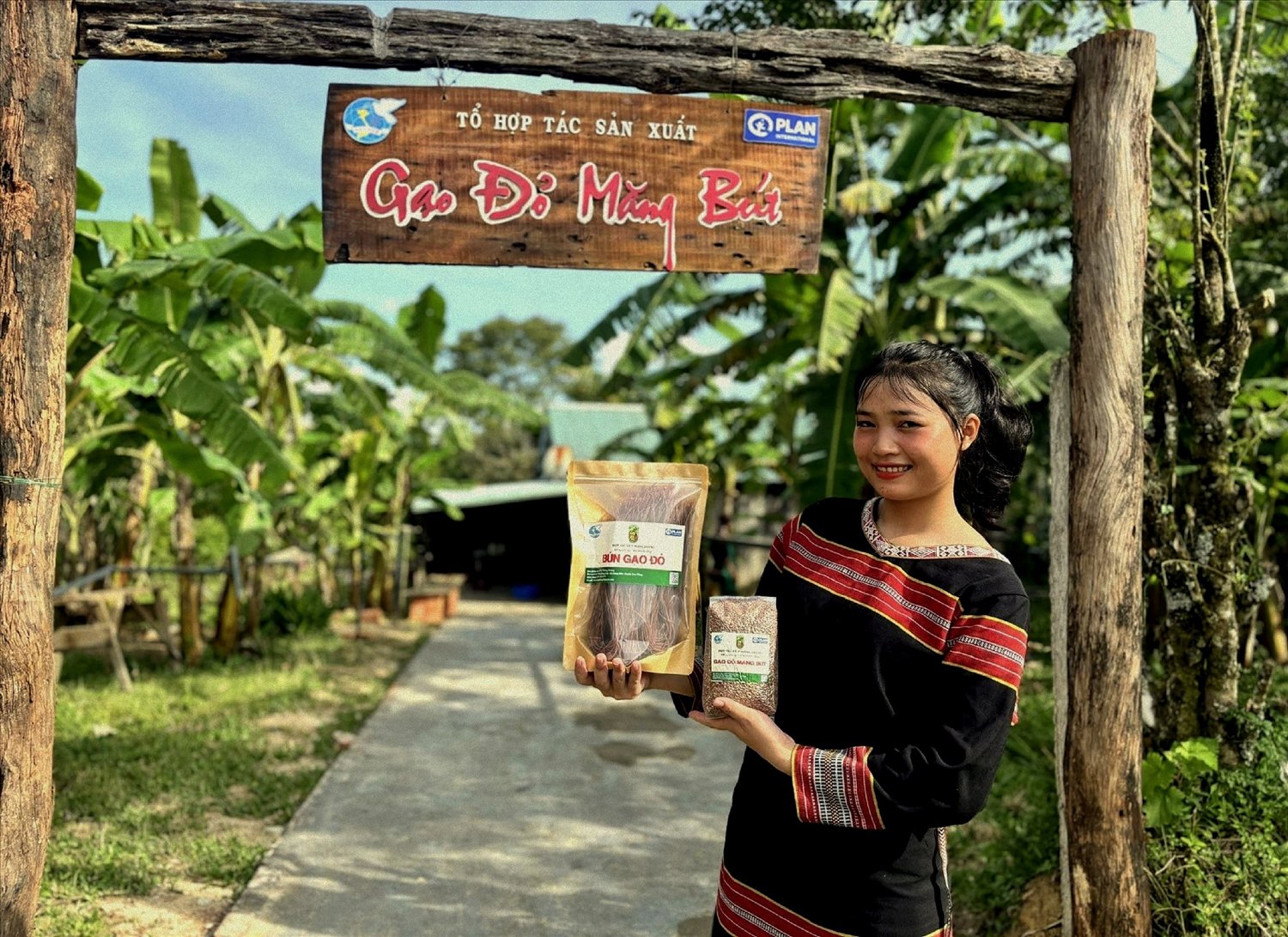

The initial success of the Cooperative has helped the Xơ Đăng people increase their income. In the future, the government and relevant units will organize training to help the Cooperative improve its knowledge of sales and budget management to operate most effectively. At the same time, they will equip it with basic knowledge to produce products that ensure food safety and health for consumers.
Mr. A Vinh, Vice Chairman of the People's Committee of Mang But Commune
Source: https://baodantoc.vn/mon-qua-tu-dat-tang-nguoi-xo-dang-1736411517826.htm














































































Comment (0)