

When mentioning An Giang's specialties, besides familiar names like Long Xuyen fish noodle soup, palm sugar rice cake, O Thum grilled chicken, fermented fish hotpot, etc., there is also a rustic dish that is no less famous: sầu đâu salad.
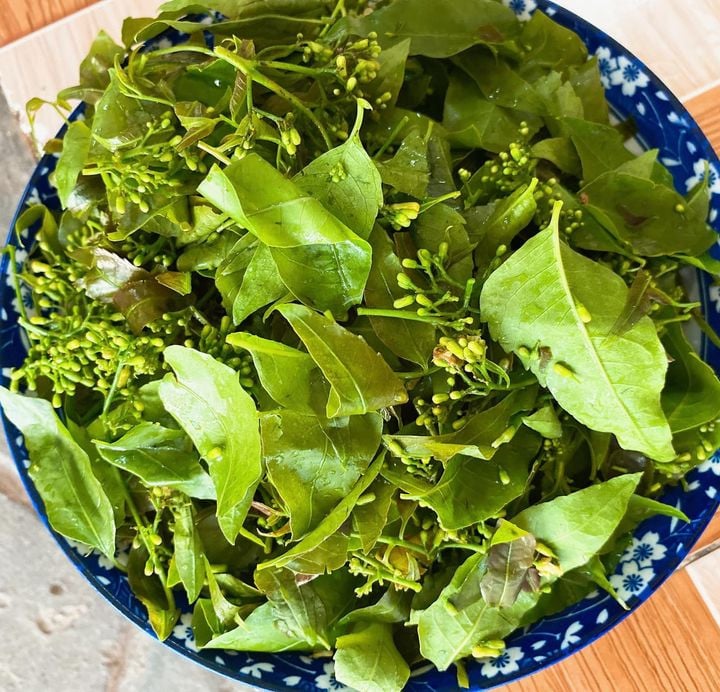
This dish is made from the main ingredients of young leaves and flowers of the sầu đâu plant. This is a wild plant that grows abundantly in areas such as Tri Tôn, Châu Đốc, Tịnh Biên (An Giang) or Hà Tiên ( Kiên Giang ), and Bạc Liêu.
In Central Vietnam, there is also a neem tree (also known as sầu đông), but its flowers are purple and its leaves are poisonous and inedible. The neem trees in the Mekong Delta provinces, however, have white flowers and bitter leaves, which are often used by locals as an ingredient in cooking.
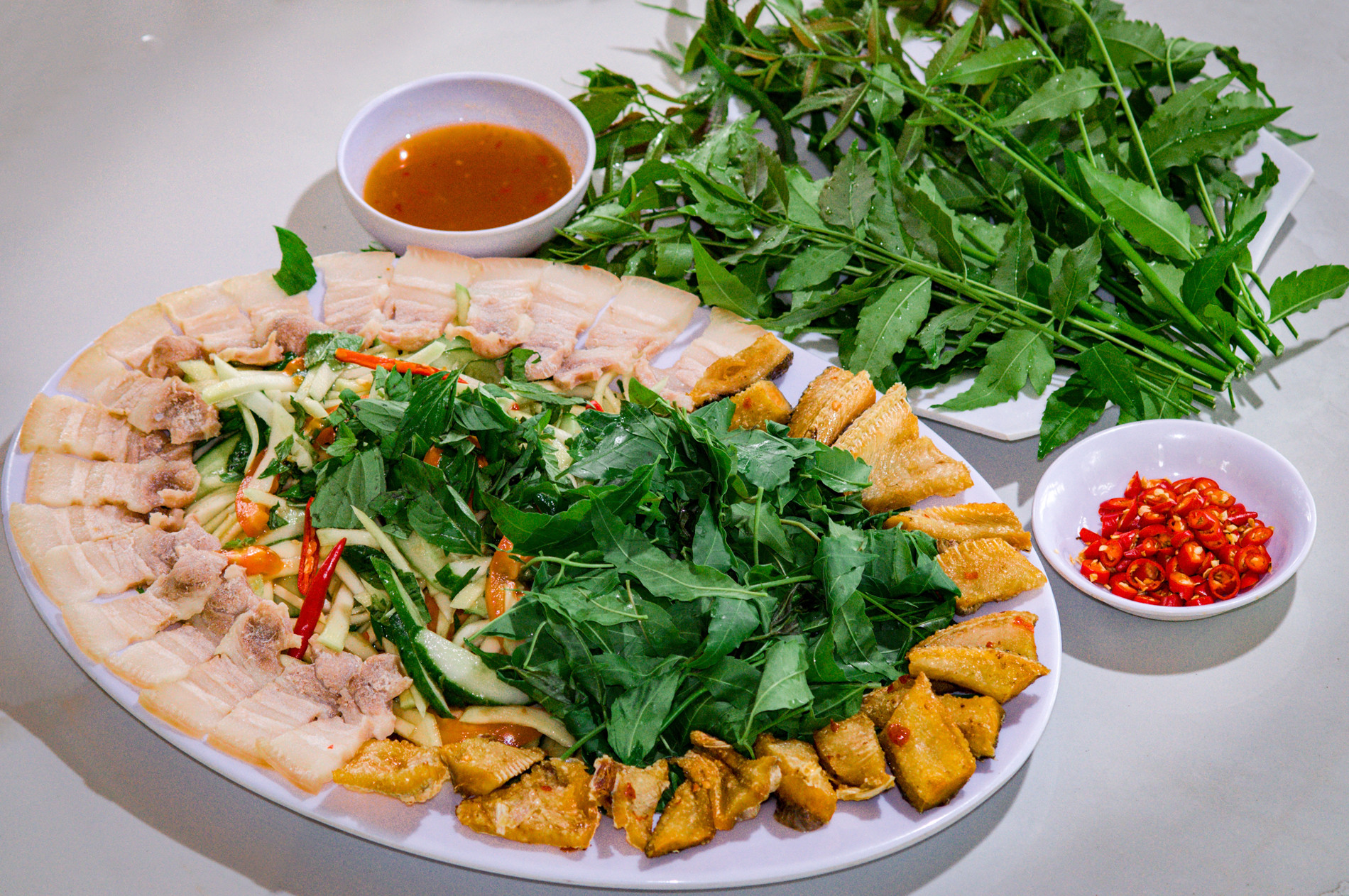
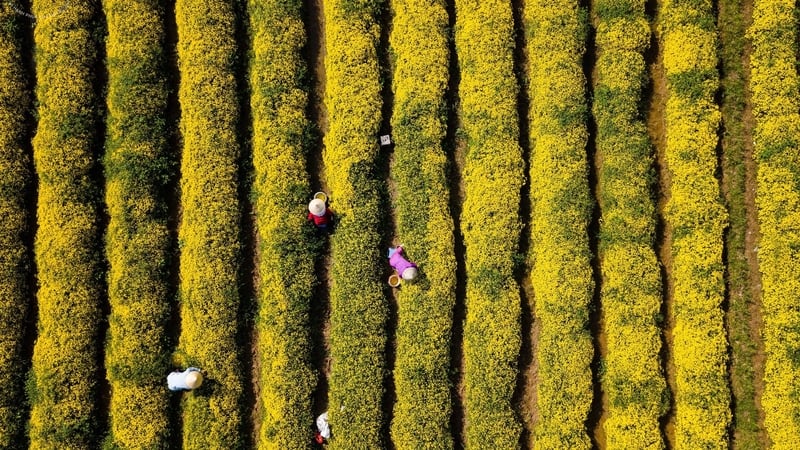
According to locals, from around October to February of the lunar calendar each year, the sầu đâu tree begins to shed its leaves and bloom. During this time, people often go to the market to buy bundles of young sầu đâu leaves and flowers to make salad.
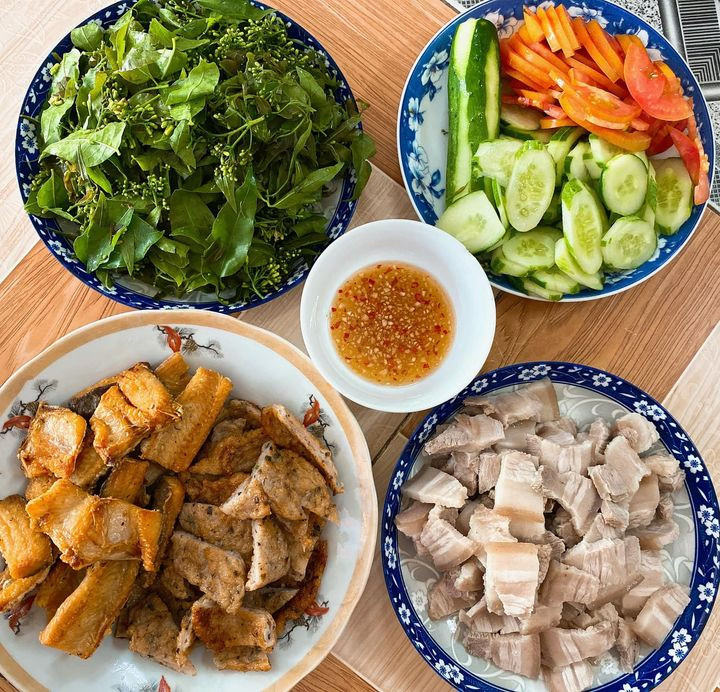
According to Mr. Thai Lam, a native of Chau Doc, the preparation of the sầu đâu salad (a type of salad made with bitter melon) doesn't follow a fixed recipe but depends on the preferences and circumstances of each household and region. It can be served with thinly sliced boiled pork belly, dried snakehead fish, dried catfish, etc., or mixed with fresh grilled catfish or snakehead fish. The accompanying vegetables also vary, including cucumber, unripe mango, tomatoes, herbs, etc.
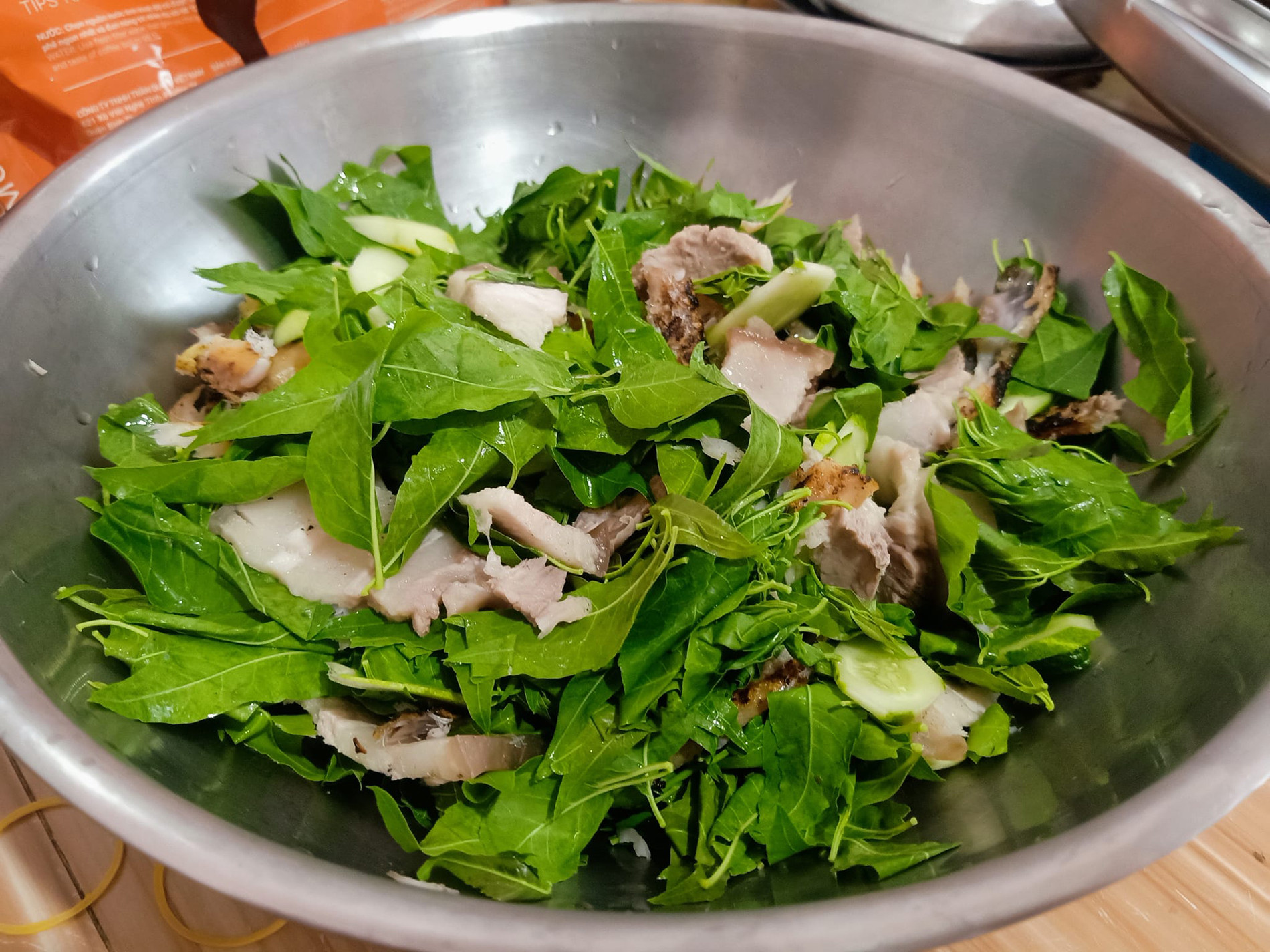
According to Mr. Lam, to make a delicious salad, people in An Giang usually wash the young leaves and flowers of the neem tree, then blanch them in boiling water to reduce bitterness, and then drain the water. Next, they finely chop or shred the accompanying ingredients such as pineapple, mango, and cucumber.
Boiled pork belly is sliced thinly, dried fish is grilled and then shredded, and boiled shrimp are peeled and heads removed.
Like other salads, sầu đâu salad is mixed with a distinctive sauce made from fermented fish sauce (or anchovy sauce) and tamarind paste. This is considered the "soul" of the dish.
 |  |
First, put ripe tamarind in a pot, boil it with a little water until it simmers, then pour it out and strain to extract the juice. Mix the extracted juice with a little fish sauce, add some sugar and finely chopped garlic and chili, then stir well. The tamarind fish sauce mixture is brown, slightly thick, and has a distinct sour, spicy, salty, and sweet flavor.
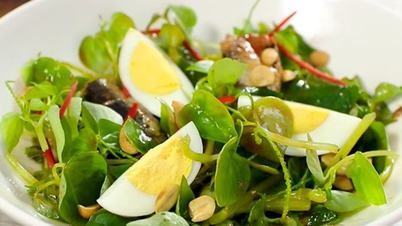
Mix all the ingredients together with the tamarind fish sauce, and let it sit for about 15-20 minutes. Once the bitter melon salad has absorbed the flavors, arrange it on a plate, add fresh herbs, cilantro, crushed peanuts, and a few slices of fresh red chili peppers.
A local delicacy that sounds depressing but tastes bitter is attracting many visitors in An Giang. Source: Eating with Dau.
Those trying this salad for the first time often find it difficult to eat due to the bitterness of the neem leaves. However, those familiar with the dish appreciate the appealing and harmonious blend of the rich, fatty flavor of the shrimp and meat, the slight bitterness of the neem leaves, and the mild sourness of the tamarind sauce.
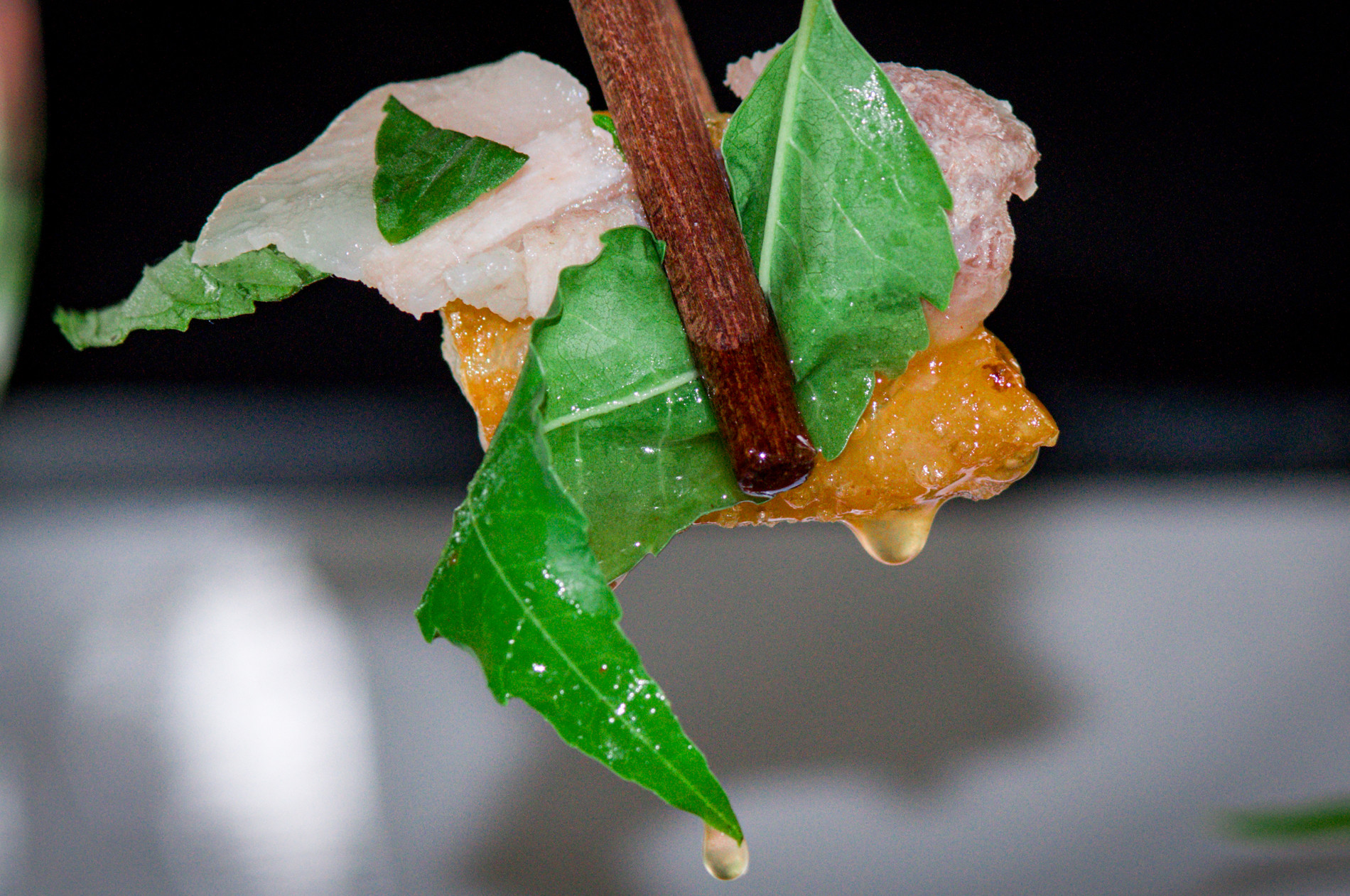
Although made from simple, rustic ingredients, the sầu đâu salad dish showcases the skill and artistry of the cook. This dish is also often served by people in An Giang to entertain and welcome distinguished guests.
If you have the opportunity to visit An Giang, you can find and enjoy sầu đâu salad at many restaurants and eateries specializing in local specialties in areas such as Châu Đốc and Tịnh Biên, with prices ranging from 50,000 to 100,000 VND per plate, depending on the ingredients.
Source: https://vietnamnet.vn/mon-dac-san-nghe-la-sau-an-thi-dang-hut-khach-thuong-thuc-o-an-giang-2306232.html





















































































Comment (0)