

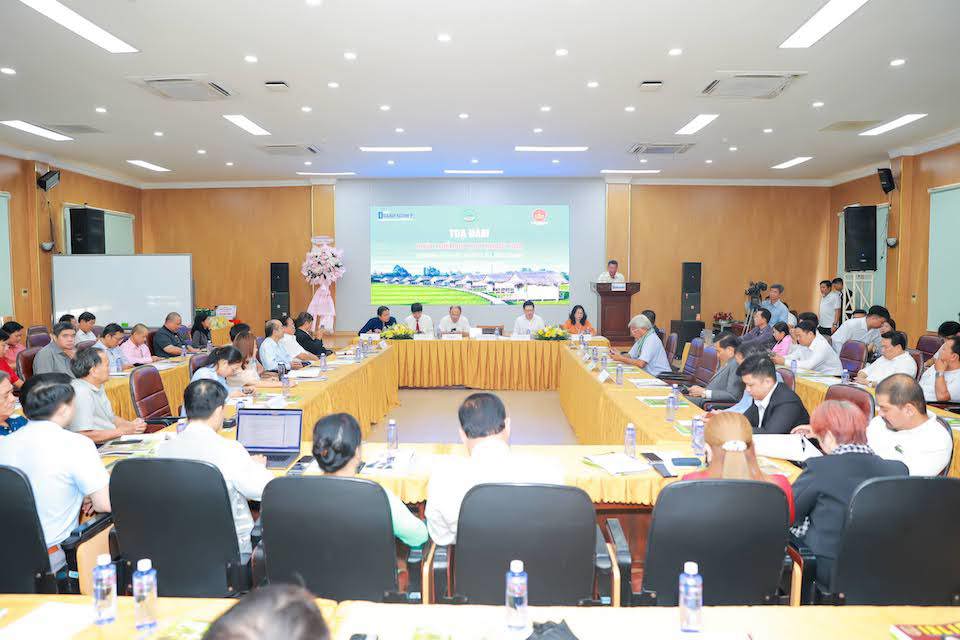
On September 24th, the Vietnam Business and Farm Magazine, in collaboration with the Minh Son Legal Consulting Center, organized a seminar on the development of farm tourism and related legal issues.
At the seminar, experts stated that in recent years, tourism and agriculture have been closely related and are both key sectors prioritized for development (Resolution No. 26-NQ/TW of the 7th Conference of the Central Committee of the 10th Party Congress on agriculture, farmers, and rural areas; Resolution No. 08-NQ/TW dated January 16, 2017, of the Politburo identified tourism development as a key economic sector...).
Accordingly, the farm-based economic model combined with ecotourism, or agricultural ecotourism, is a combination of ecotourism and agricultural tourism that is currently becoming a development trend aimed at social responsibility and an environmentally friendly lifestyle, meeting the needs of sustainable tourism development.
Specifically, to develop ecotourism activities linked to agriculture and rural areas, experts believe the following factors must be ensured:
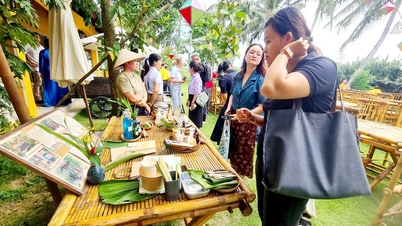
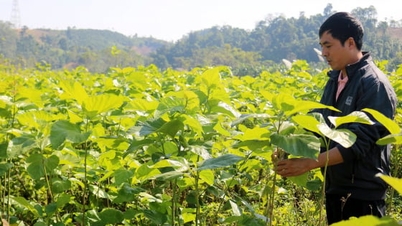
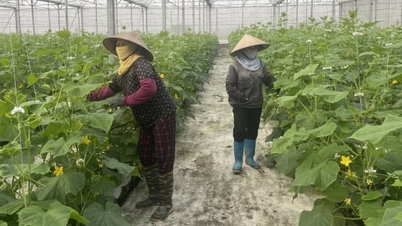
The space for organizing agricultural tourism activities (destination): is a specific spatial unit belonging to agricultural territorial organizations such as farms, fields, plantations; villages, hamlets, fishing villages, orchards, etc. Because these destinations always contain traditional cultural values, festivals, traditional crafts, cuisine, and local products associated with characteristic environmental, climatic, and soil factors…
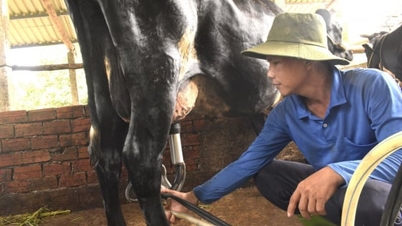
The entities providing agricultural tourism services are individuals and organizations that own agricultural production activities. These are the local people and communities connected to the cultural environment, production processes, and traditional farming and livestock techniques. Local people will be the ones who preserve and share agricultural cultural values with tourists.
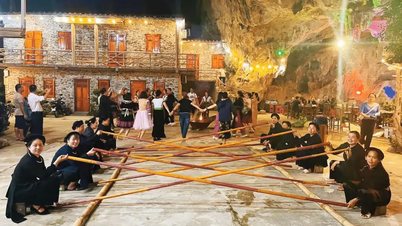
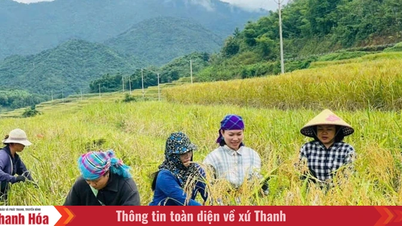
Agritourism activities offer visitors: activities that facilitate interaction, experience, and exploration with the community, such as outdoor recreational activities (fishing, hunting, wildlife exploration, rice planting); educational experiences (visiting factories and workshops producing local specialties, cooking classes, research on grafting, crop and livestock production, etc.); relaxation activities (festivals, traditional performances); and experiences of local life (homestays, guided tours by locals, wearing traditional clothing, enjoying local cuisine; purchasing products produced directly at the tourist site, etc.). These activities require creativity, selective investment, and contribute to the attractiveness of agritourism products.
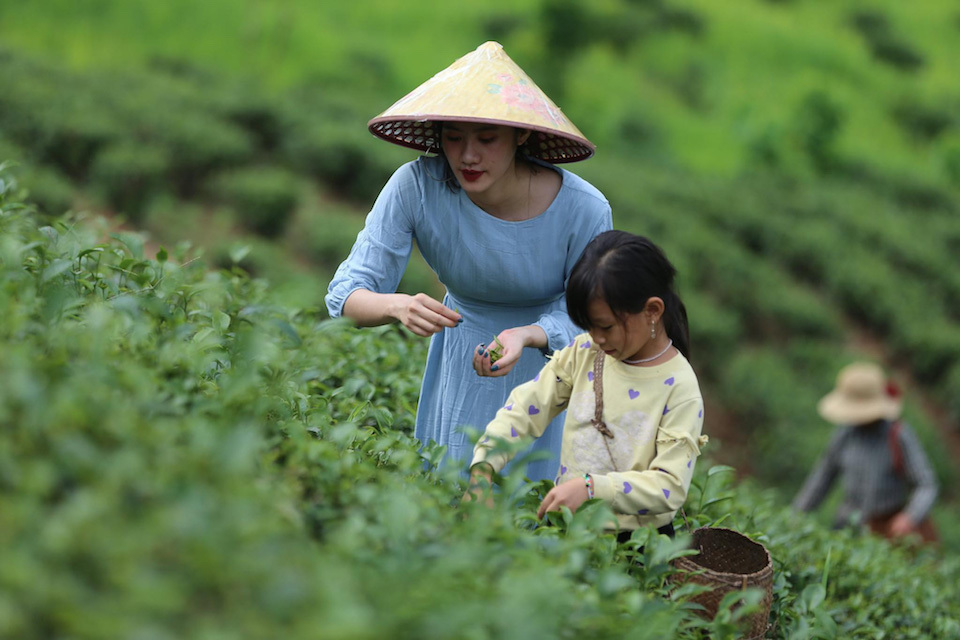
Sharing benefits among stakeholders in agricultural tourism: economic, cultural, social, and environmental benefits must be harmoniously balanced between local people, tourism companies, and other stakeholders. The most important aspect is that agricultural tourism must generate direct income and livelihoods for local people through the provision of services to tourists (homestays, guides, demonstrations, provision of services, goods, and locally produced agricultural products for on-site consumption...).
The bridging role of travel companies: Travel companies act as a bridge connecting tourists to destinations, guiding the design of agricultural tourism products to suit different customer segments. Agricultural ecotourism products can only be effectively exploited when they are integrated into the product marketing plan, from surveying, development, promotion, sales, and implementation, by travel companies.
Destination promotion and communication activities: building brands for landmarks and agricultural products associated with the production location will contribute significantly to the development of agricultural tourism.
In particular, experts emphasize that in Vietnam, agricultural tourism is gradually becoming a new trend, a "novelty" alongside other forms of tourism such as beach resort tourism, water sports tourism, cultural and spiritual tourism, and exploration tourism. However, for agricultural tourism to develop strongly, it needs to be realized within a legal framework.
Source: https://kinhtedothi.vn/du-lich-trang-trai-mon-an-la-dang-tro-thanh-xu-huong-phat-trien-ben-vung.html






![Looking back at the peak month of combating IUU: [Part 3] Synchronizing fisheries infrastructure](https://vphoto.vietnam.vn/thumb/402x226/vietnam/resource/IMAGE/2025/12/13/1765608279533_2109-b32-133759_237.jpeg)


























































Comment (0)