

A range hood that won't power on negatively impacts your user experience, so you want to understand the causes and how to fix it at home? Please refer to the 5 reasons for this problem and detailed step-by-step instructions for quick and effective solutions in the article below.
5 reasons why your range hood won't turn on & quick troubleshooting tips.
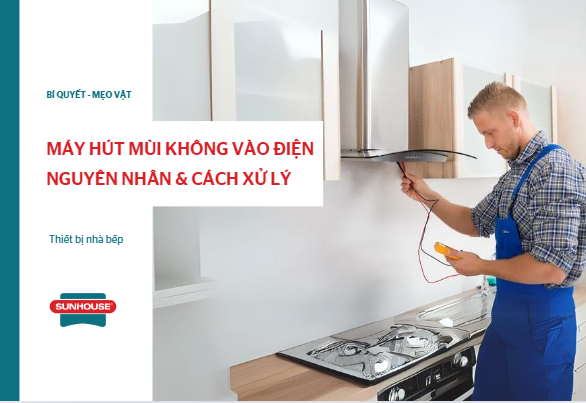
1. Low/overloaded input power supply
Reason
For various reasons, such as an increase in the number of households on the power grid; the household's electrical system being old and outdated, unable to power modern appliances; or grid failures causing the input power to be too weak or overloaded, the range hood may not receive power.
How to fix it
When you notice this problem, you can quickly identify and fix it by following these instructions:
Step 1: Check the power supply: You have several ways to check, such as:
Do not use specialized equipment: When there is an electrical overload, you may experience a mild electric shock, feeling a slight tingling sensation when touching electrical devices, sockets, or switches, especially those with metal casings, or you may notice light bulbs dimming or flickering.
Using specialized equipment: Use a voltmeter to measure the voltage at the outlet to check if the voltage is sufficient (usually 220V in Vietnam). If the result is between 220V and 240V, it means the current is normal. If the result is 180V or lower, it means the current is too weak. You can also place a voltage tester inside the outlet to determine if there is power. If the light comes on, there is power; if the light is off or flickering, the power is weak or has been cut off.
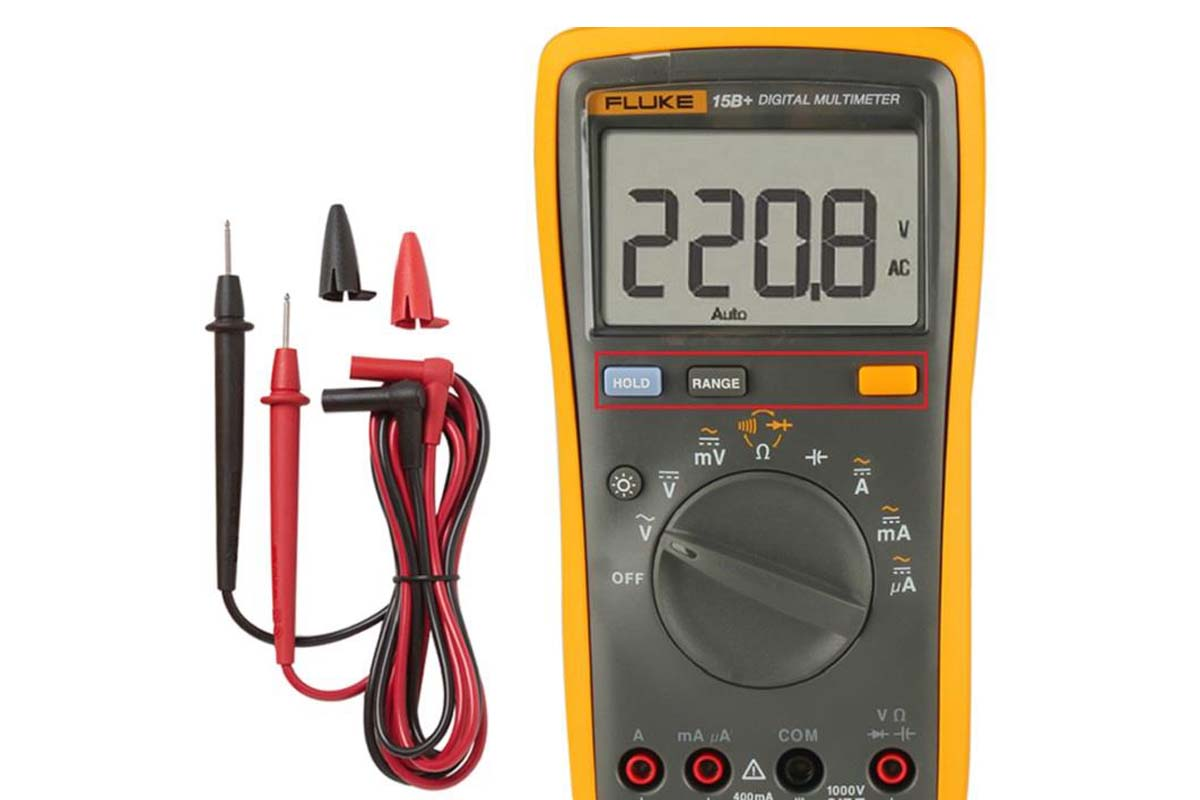
You use a voltmeter to check the power supply status of the range hood.
Step 2: Reduce the electrical load: There are two cases:
If the electrical system is overloaded due to using the range hood during peak hours such as 11-12 noon or 5-7 pm, you should turn off unnecessary appliances to reduce the load on the electrical system or use the range hood at other times to ensure safety and longevity.
If the power is overloaded because you've plugged multiple devices into the same outlet, switch the range hood's power cord to a separate outlet so the device receives a stronger power supply.
Step 3: Install a voltage stabilizer: If your household's power supply is weak due to a weak grid, you should call a professional to check and install a voltage stabilizer to ensure the range hood operates properly and has a long lifespan.
2. The circuit breaker is faulty.
Reason
Many families install a separate circuit breaker for their range hood to ensure electrical safety. However, if the circuit breaker fails due to prolonged current overload or internal technical problems such as a damaged damper, it can prevent the range hood from receiving power.
How to fix it:
When you notice this problem, you can quickly identify and fix it by following these instructions:
Step 1: Check the circuit breaker.
Try turning the circuit breaker on and off to see if it's working properly, or use a voltage tester at the circuit breaker's output to check if there's any current flowing through it. If you don't see any current flowing through the circuit breaker, it's likely faulty.
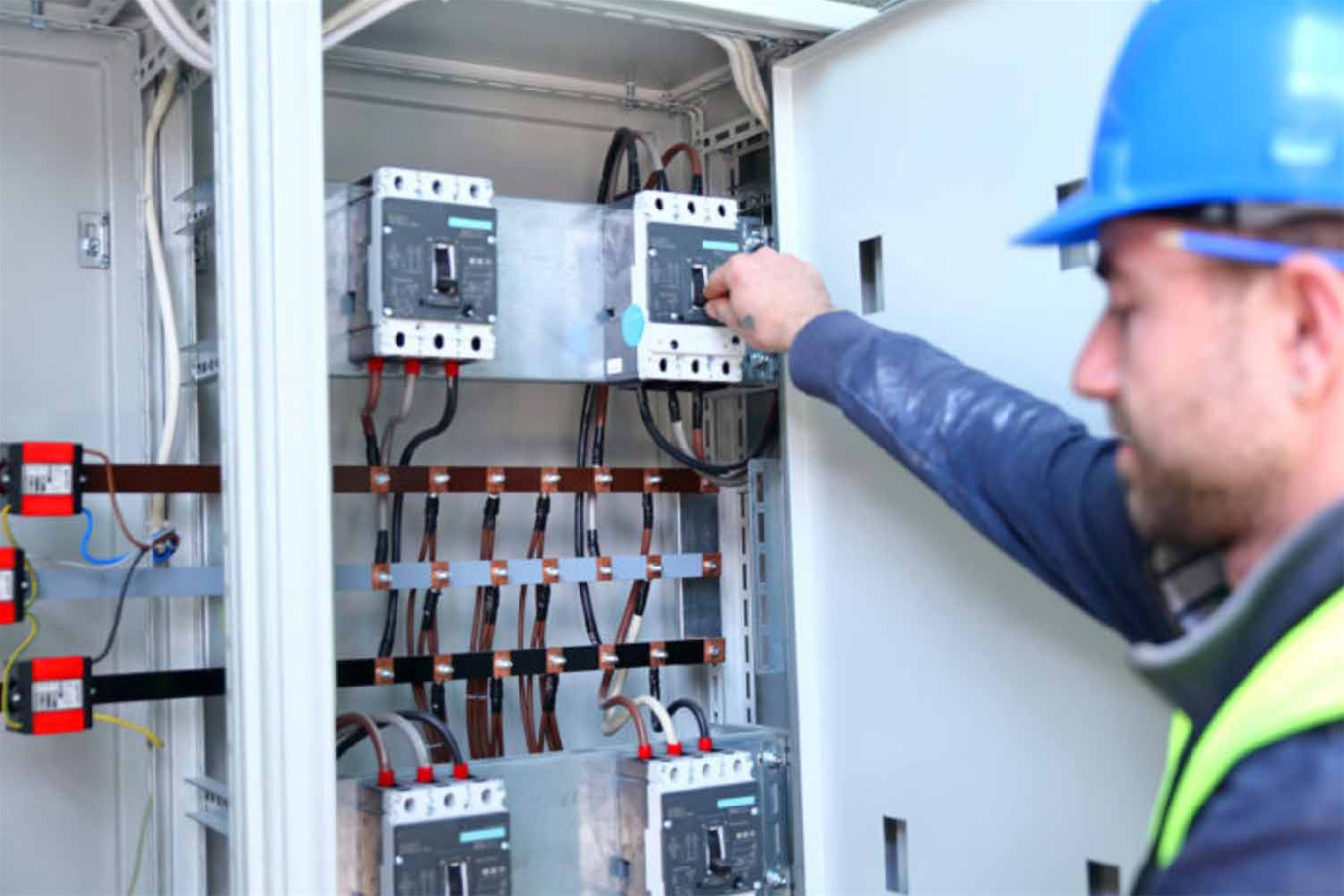
You can turn the circuit breaker on and off to check its operating status.
Step 2: Replace the circuit breaker with a new one that has the correct voltage for the range hood.
Generally, you should choose a circuit breaker with a voltage at least 20% higher than the appliance's voltage to ensure safety during use. The voltage for a range hood is calculated using the formula I = P/U. Where:
I is the current (voltage) = P (power of the range hood) / P (in Vietnam it is 220V).
The power rating of a range hood is usually indicated on the product label or in the manufacturer's website. You should check the power rating and voltage specifications to choose and install a circuit breaker that is suitable for your range hood.
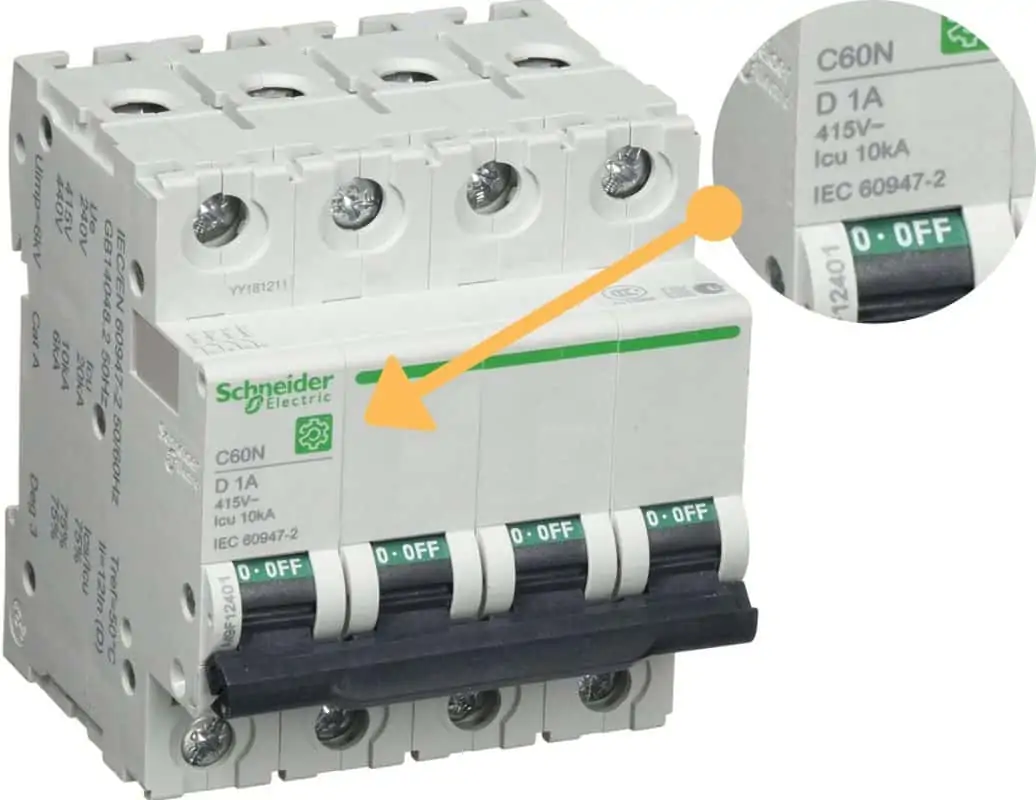
The voltage information for the circuit breaker is printed on the surface of the device.
3. The power cord is broken.
Reason
When you find that your range hood isn't receiving power, you should check the power cord. Often, a broken cord can be caused by wear and tear from prolonged use, damage from small animals (mice, cockroaches, etc.), or a strong impact.
How to fix it
Here are the details on how to check and resolve this issue:
Step 1: Check the wiring.
There are two ways to check:
Visual inspection: Examine the entire wiring to look for any signs of wear or breakage.
Using a voltage tester: Test the voltage tester at the suspected location of the broken wire. If the tester lights up, that's where the wire is broken.
Step 2: Connect or replace
Depending on the extent of the break, you can either reconnect or replace the wire. If you lack experience in reconnecting or replacing electrical wires, you should seek assistance from a professional repair technician to ensure safety.
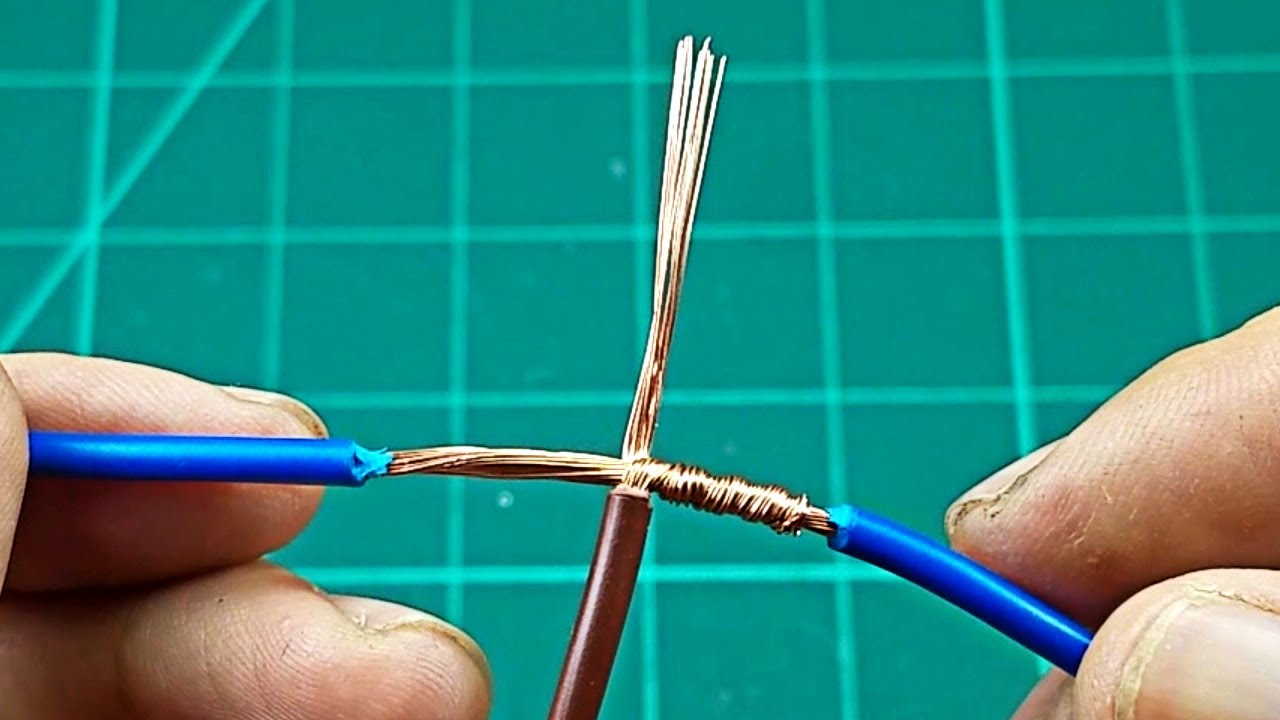
Splicing/replacing the broken wire
4. The range hood switch is broken.
Reason
If the range hood has been in use for a long time without maintenance, impacts or water getting inside the range hood's switch can also cause the device to not power on.
How to fix it
Here are detailed instructions on how to check and resolve this issue:
Step 1: Disconnect the power supply and remove the range hood cover.
You turn off the power to the range hood by unplugging the power cord or switching off the circuit breaker. Then, you remove the range hood casing to access the internal power switch.
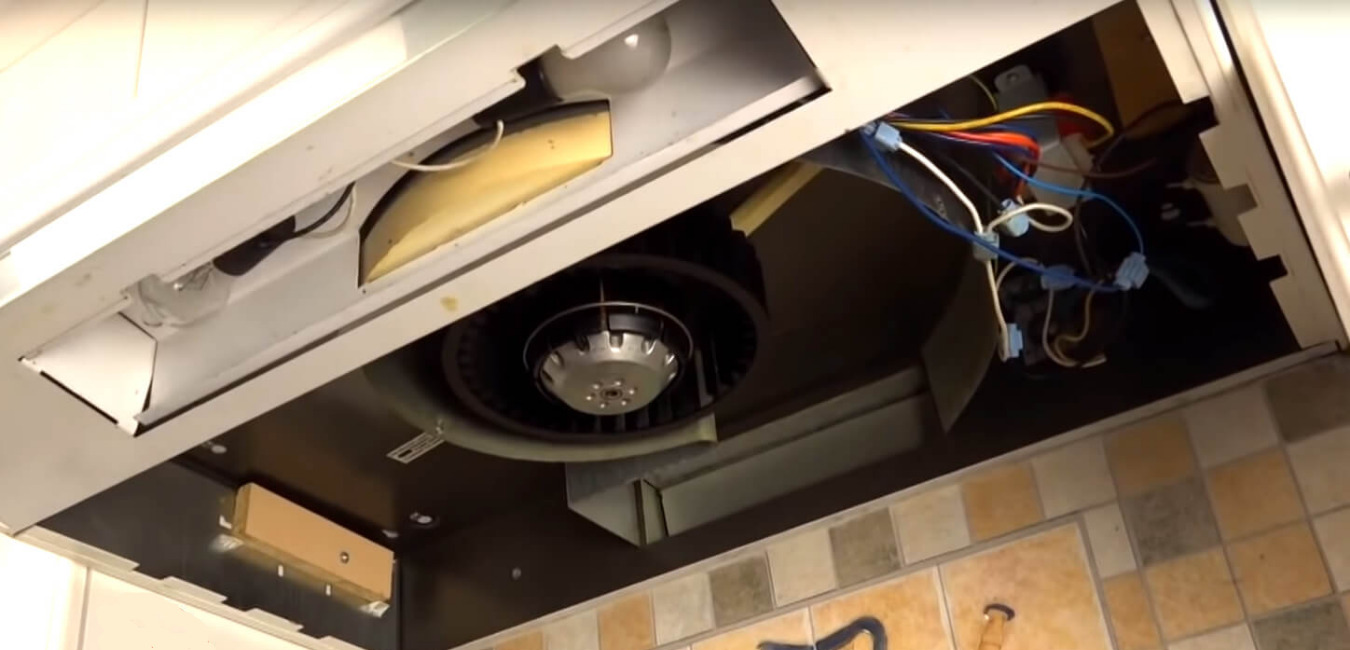
You remove the range hood cover to observe the internal components.
Step 2: Check the switch
Turn the power back on and try turning the switch on and off to see if it works properly. Then, place the tip of a voltage tester against the power switch. If the voltage tester does not light up, the range hood switch is faulty and needs replacing.
Step 3: Replace the switch with a new one.
You can replace the switch yourself with a new one of the same type, or seek help from a professional repair technician. After replacing it, you need to ensure that the wires connecting to the switch are not loose or short-circuited.
5. The control board is damaged.
Reason
The control panel, which houses the function buttons of the range hood, is usually located on the front of the appliance and can be either touch-sensitive or push-button. Prolonged use without maintenance, electrical shocks due to overload, etc., can damage the control panel in the range hood, causing the appliance to fail to power on.
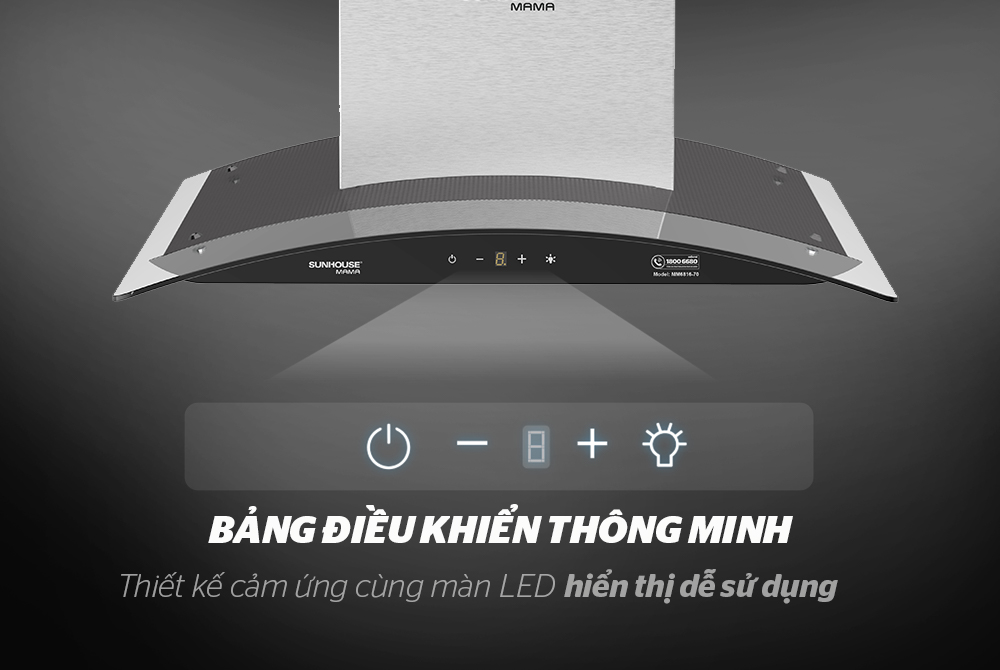
The control panel of the SUNHOUSE MAMA MMB6682-70 range hood is located on the front of the appliance.
How to fix it
Here's how to check and resolve this issue:
Step 1: Disconnect the power and remove the device casing.
You cut off the power supply to the range hood, then remove the casing to observe and check the condition of the control circuit board.
Step 2: Inspect the circuit board
You can check the condition of the control board by looking for signs such as burning, broken circuits, damaged components, or by using a voltage tester to check if there is power at the connection points on the board.
Step 3: Replace the control board with a new one.
If the circuit board is burned out, has broken components, or has no power (the voltage tester doesn't light up), you need to replace it. You should seek the help of a professional repair technician to ensure the replacement and installation are done correctly and safely.
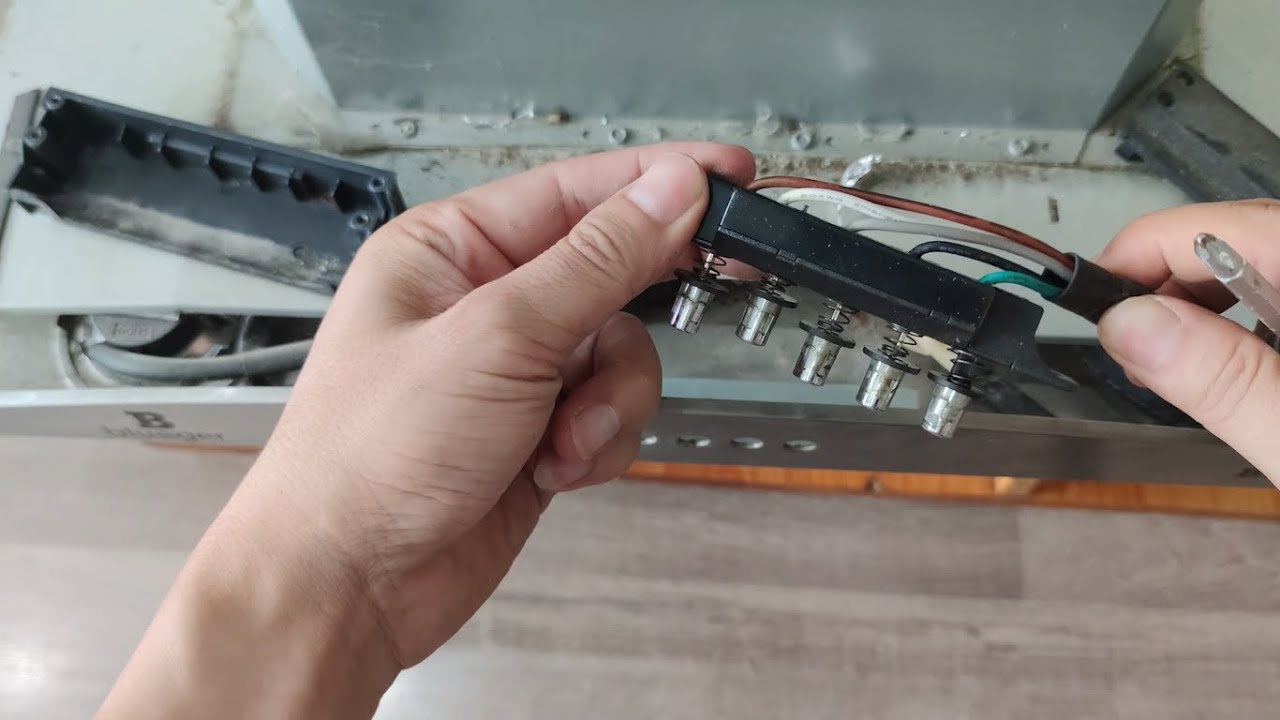
Inspect and replace the range hood control board.
Above are 5 common reasons why your range hood isn't turning on , along with detailed instructions on how to handle each cause. SUNHOUSE hopes this article will help you quickly identify the cause and resolve the issue, minimizing disruption to your family's cooking experience.
Source: https://sunhouse.com.vn/tu-van-mua-may-hut-mui/may-hut-mui-khong-vao-dien.html

























































































Comment (0)