

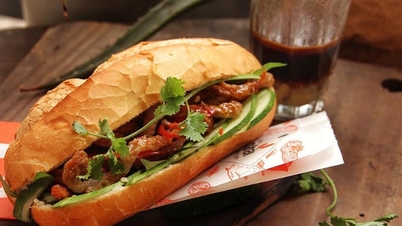
Ho Chi Minh City: Two samples of Vietnamese pork sausage from the patient's home and the production facility in Thu Duc City both tested negative for botulinum toxin.
This information was provided by Ms. Pham Khanh Phong Lan, Head of the Ho Chi Minh City Food Safety Management Board, on the evening of May 25th. Ms. Lan stated that the source of the botulinum poisoning in the patients has not yet been identified. The way a botulinum poisoning occurs is unpredictable because its spores are always present in the environment, causing illness not only through ingestion but also through wounds.
According to experts, clusters of botulinum poisoning cases are not like mass food poisonings; the cause lies in each individual case. For example, the six cases in Thu Duc City had typical symptoms and tested positive for botulinum, but it is difficult to determine the exact cause. For instance, the producer may have processed the product thoroughly, but problems arose during storage, the product was past its expiration date, or it became slimy under anaerobic conditions or fell onto sandy soil.
"We can't know for sure, it's all just speculation," Ms. Lan said, adding that the patients shared the common characteristic of eating pork sausage, but there wasn't enough evidence to definitively conclude that the pork sausage was the cause.
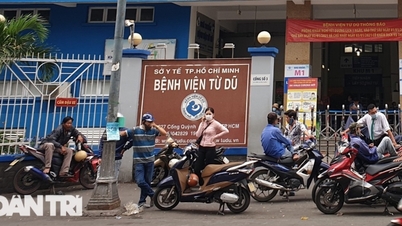
Representatives from the Thu Duc City Health Department stated that they are considering the appropriate penalty for this pork sausage production facility. The reason is that the facility has been operating for nearly two months without a license or signage.

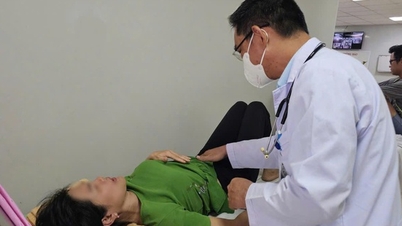
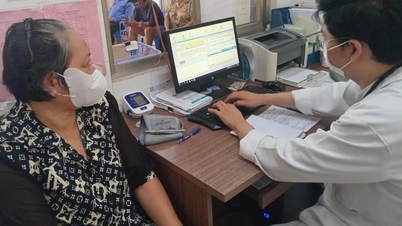
A doctor examines one of the three children suffering from botulinum poisoning. Photo: Provided by the hospital.
Since May 13th, five people in Thu Duc City have suffered botulinum poisoning from eating street-sold pork sausage, and one person is suspected to have contracted it from eating fermented fish sauce. Three children aged 10-14 years old received antidote treatment at Children's Hospital 2 and are currently showing improvement; one is nearing discharge. The remaining three cases received only supportive treatment due to a shortage of botulinum antitoxin nationwide. However, one patient died before receiving one of the six vials of antidote donated by the WHO . Two patients at Cho Ray Hospital also did not receive the antidote in time because the "golden window" for treatment had passed.
Botulinum is an extremely potent neurotoxin produced by anaerobic bacteria – bacteria that thrive in enclosed environments such as canned food, or food environments that do not meet the standards for bacterial growth control.
Symptoms of botulinum poisoning include abdominal pain, muscle pain, fatigue, blurred or double vision, dry mouth, difficulty speaking, difficulty swallowing, drooping eyelids, and generalized muscle weakness. Eventually, the patient experiences difficulty breathing or respiratory failure due to paralysis of the respiratory muscles. The onset of these signs varies depending on the amount of botulinum ingested.
Experts advise people to cook food thoroughly and boil water before drinking, and to choose food from reliable sources that is of good quality and safe. Be cautious with sealed foods that have changed in smell or color, and with canned goods that are bulging or open.
America Italy
Source link


















































































Comment (0)