If diagnosed with ovarian cancer and hoping to have children in the future, women should seek ways to preserve their fertility before treatment.
Factors affecting female fertility due to cancer treatment include: age; early menopause; drug dosage or duration of treatment. Women undergoing cancer treatment may have reproductive organs such as the ovaries or uterus removed; nerve damage may occur, interfering with hormones related to fertility or conception. Some cancer treatments can lead to reproductive problems or infertility.
Surgery: Removing the uterus or ovaries both result in infertility. However, if a patient only undergoes surgery to remove the lower part of the cervix to treat cervical cancer, they can still become pregnant.
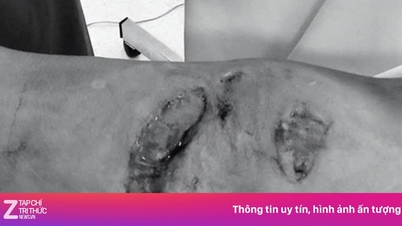
If ovarian cancer is diagnosed in its early stages, or if the patient has a type of ovarian cancer called a germ cell tumor, it may be possible to have only one ovary removed while preserving the uterus, and still be able to become pregnant. However, surgery to remove tumors near the reproductive organs can cause scarring, preventing eggs from traveling to the ovary for fertilization.

Ovarian cancer causes many women to worry not only about their own health but also about their future ability to conceive. Photo: Freepik
Chemotherapy: Some chemotherapy drugs can cause the ovaries to stop producing estrogen or releasing eggs, a condition known as primary ovarian failure (POI). This condition can be temporary or permanent. Alkalizing drugs are a common cause of POI. Chemotherapy also reduces the number of healthy eggs, leading to premature menopause and infertility. Infertility is more likely to occur with certain chemotherapy drugs, especially when used at high doses or in combination therapy or when combined with radiation therapy.
Radiation therapy: Radiation to the pelvic or lower abdominal area can destroy eggs stored in the ovaries; causing scarring and damage to the uterus, making it impossible for women to carry a pregnancy to full term, or leading to miscarriage. Radiation to the patient's brain can also damage the pituitary gland, which releases hormones necessary for ovulation, and cause infertility.



Hormone therapy: Medications that block hormones associated with certain cancers can easily cause infertility, but in some women, fertility returns after treatment ends. However, some hormone therapies cause permanent infertility or birth defects.
Targeted cancer treatments and immunotherapy: Targeted drugs can damage the ovaries. Tyrosine kinase inhibitors have the potential to cause serious birth defects if the patient becomes pregnant during treatment.
Bone marrow or stem cell transplantation: These treatments involve high-dose, comprehensive chemotherapy and radiation therapy, which can permanently damage the ovaries.
Because of the potential harm that cancer treatments can cause to the ovaries and uterus, patients should discuss any fertility-related issues or potential birth defects with their oncologist and obstetrician before starting any treatment, especially if they are pregnant.
Some of the methods below may help patients become pregnant in the future:
Egg freezing: People who want to have children and need to preserve their fertility can choose to freeze their eggs for later in-vitro fertilization (IVF). The process of freezing eggs and embryos takes about two weeks. This is a very popular method nowadays.
Ovarian tissue freezing: This method is used to preserve fertility in pre-pubescent girls. Doctors will remove part or all of the ovaries and freeze them. In the future, they can be thawed and returned when the patient is ready to conceive.
Ovarian shield: This shield is placed on the lower abdomen to protect the ovaries from damage during radiation therapy.



Ovarian suppression: Doctors will inject a medication into the patient's body monthly to block hormones that stimulate the ovaries and may protect the eggs from the effects of chemotherapy. Patients will begin taking the medication 1-2 weeks before chemotherapy and continue throughout the treatment. They may experience some menopausal symptoms such as hot flashes or vaginal dryness.
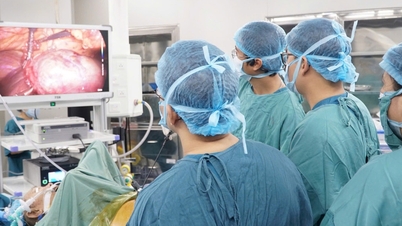
Ovarian transposition surgery: This technique involves moving the ovaries away from radiation exposure to nearby tumors. The procedure is performed laparoscopically to protect the ovaries, allowing the patient to retain the ability to conceive later.
Gonadotropin-releasing hormone (GnRHa) agonist therapy : This method helps prevent a woman's body from producing estrogen and progesterone, protecting the ovaries during cancer treatment.
As desired ( According to WebMD )
Source link